

 Ver en contexto
 Enviar
 Compartir
 Detalles

 Descargar
 Similares
 Radiografía
 Presentación de diapositivas
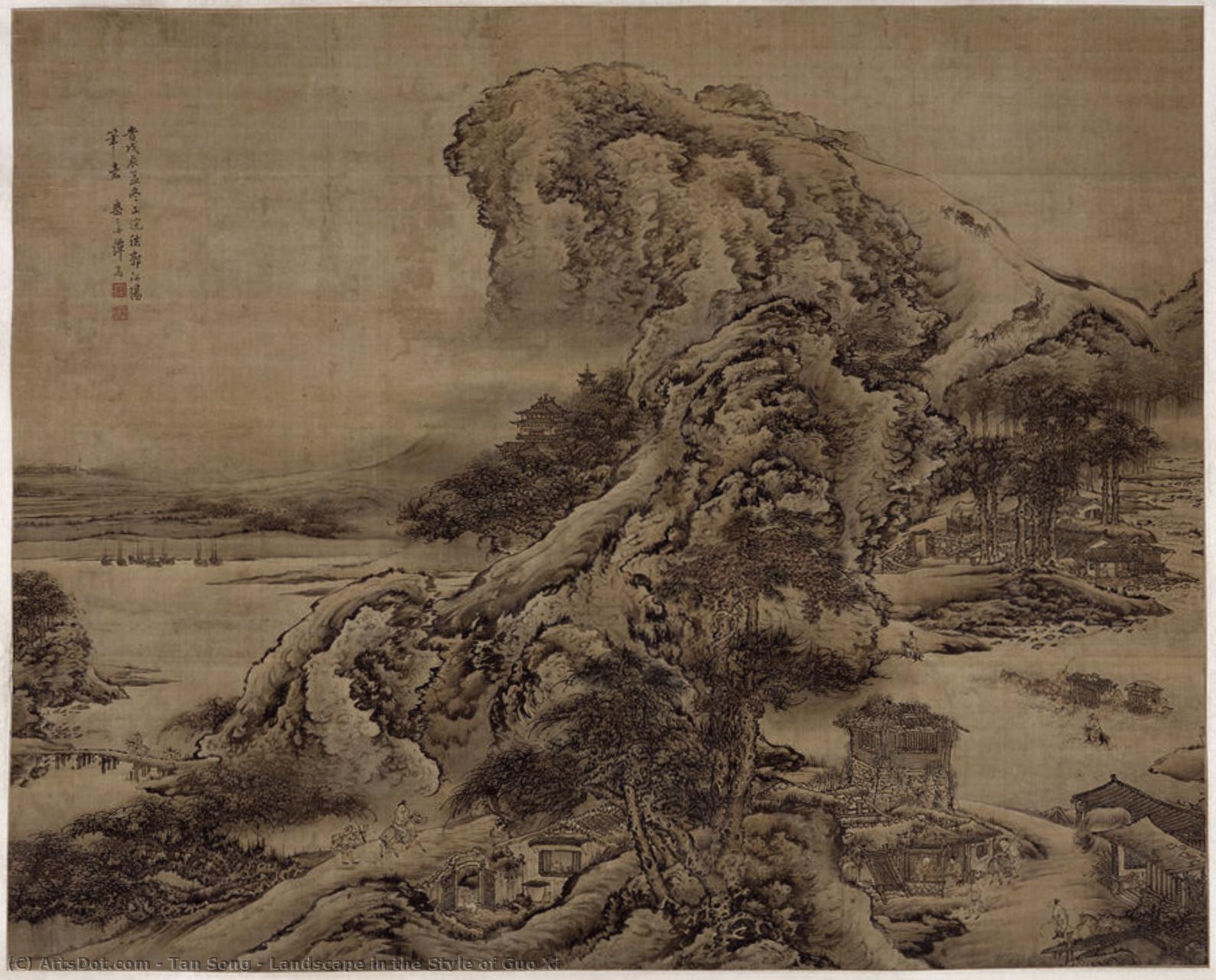
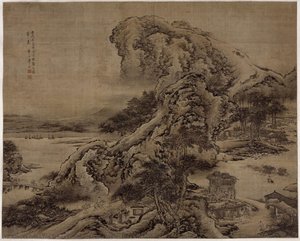
Landscape in the Style of Guo Xi
 Yuan Dynasty Landscape Painting
 1748
1748 83.0 x 105.0 cm
 Ver más
Adquiera una imagen digital de alta resolución y optimizada, muy superior a la vista previa en línea.
Cada archivo es preparado meticulosamente por nuestros especialistas internos mediante el uso de herramientas avanzadas y un experto retoque manual. Nos aseguramos de que cada imagen posea una claridad excepcional, una precisión cromática impecable y un detalle minucioso.
El archivo final se entrega por correo electrónico en un plazo de 72 horas, optimizado para su uso inmediato en entornos profesionales, editoriales y de impresión. Esta es la misma calidad en la que confían los estudios de diseño, las editoriales y las galerías de primer nivel.
Imagen Digital
Descarga un archivo de alta resolución para exhibición personal, impresión y proyectos creativos. ( Comprar impresión Comprar pintura hecha a mano)
Incluido en cada pedido de imágenes digitales
Entrega digital experta, garantizada.
Al elegir ArtsDot.com, no solo está adquiriendo una imagen; está recibiendo una obra de arte digital mejorada profesionalmente, elaborada con precisión y respaldada por una garantía de satisfacción. Esto es todo lo que incluye su pedido, automáticamente:

Entrega rápida por email
Recibirá su archivo de imagen digital en alta resolución por correo electrónico en un plazo de 72 horas tras realizar su pedido, listo para su uso inmediato.

Archivo digital optimizado por IA
Su obra de arte se optimiza profesionalmente mediante herramientas avanzadas de IA y edición manual, garantizando el máximo detalle, claridad y precisión cromática.

Reenvío gratuito de por vida
¿Has borrado o perdido tu archivo por error? No te preocupes: te lo volveremos a enviar en cualquier momento, sin coste adicional.

Sin gastos de importación, siempre
Disfrute de su obra de arte al instante sin aduanas, aranceles ni gastos de envío; las descargas digitales siempre están libres de impuestos.

Garantía de fidelidad de color
Garantizamos que su imagen digital refleje los colores originales con la mayor fidelidad posible, mediante el uso de herramientas profesionales y gestión del color.

Garantía de satisfacción de 60 días
Si no está satisfecho con su imagen digital, la revisaremos o le reembolsaremos el 100% en un plazo de 60 días, sin preguntas.

100% Garantía de devolución de dinero
¿No está satisfecho? Obtenga un reembolso completo dentro de los 60 días posteriores a la recepción de su archivo digital, sin necesidad de explicaciones.

Descuentos por pedidos grandes
Compra 3 imágenes, ahorra 10% - Compra 5, ahorra 15% - Compra 10+, ahorra 20%. Ideal para proyectos creativos, galerías y agencias.
Descripción del coleccionable
Obras relacionadas



Biografía del artista
A Brush with Tradition: The Life and Art of Tan Song
Tan Song, a name resonating softly within the annals of 18th-century Chinese landscape painting, emerged from the Fujian province in 1748—a period steeped in artistic reverence for both innovation and the enduring legacy of past masters. While biographical details surrounding his life remain somewhat elusive, the power of his work speaks volumes, revealing a dedicated artist deeply immersed in the traditions of the Yuan Dynasty, particularly the style of Guo Xi. He wasn’t merely replicating; Tan Song was engaging in a dialogue with history, interpreting and re-presenting established aesthetics for a new era. His paintings offer a glimpse into a world where meticulous brushwork met serene contemplation, capturing the essence of Chinese natural beauty on delicate silk canvases.The Echoes of Guo Xi: Style and Technique
Tan Song’s artistic identity is inextricably linked to his profound admiration for Guo Xi (c. 1009–1092), a towering figure in Northern Song landscape painting. Guo Xi, known for his monumental depictions of mountains and forests, emphasized the spiritual resonance of nature—a concept deeply rooted in Daoist philosophy. Tan Song’s ‘Landscape in the Style of Guo Xi,’ dated 1748, is not simply an imitation but a considered homage. The work showcases intricate layering of brushstrokes to create depth and texture, evoking a sense of atmospheric perspective. The towering peaks, shrouded in mist, are rendered with remarkable precision, while the delicate details of trees and rocks demonstrate a mastery of ink wash techniques. He skillfully employed varying tones and shades to suggest distance and light, creating a landscape that feels both vast and intimately detailed. The use of silk as a medium further enhances the painting’s ethereal quality, allowing for subtle gradations of color and a refined sense of luminosity. This dedication to Guo Xi's style suggests a deliberate choice—a conscious effort to uphold a revered tradition in a time of evolving artistic sensibilities.Beyond Imitation: A Personal Voice
While deeply influenced by Guo Xi, Tan Song’s work isn’t devoid of personal expression. His painting ‘Poem on Retirement,’ though less documented than his landscape piece, hints at another facet of his artistry—a connection to literati culture and the contemplative life. The integration of calligraphy with imagery suggests a desire to convey not just visual beauty but also philosophical meaning. The poem itself likely reflects themes of solitude, reflection, and harmony with nature, common motifs in Chinese scholar painting. This blending of artistic disciplines—painting and poetry—demonstrates Tan Song’s broader engagement with the intellectual currents of his time. It suggests he wasn't solely a technical virtuoso but also an artist who sought to express deeper emotional and spiritual truths through his work.Historical Context and Legacy
The 18th century in China was a period of relative stability under the Qing Dynasty, fostering a renewed interest in classical art forms. While new styles were emerging, there remained a strong appreciation for the traditions of earlier dynasties. Tan Song’s work can be seen as part of this broader movement—a revival of Yuan and Song aesthetics.- His dedication to Guo Xi's style reflects a desire to connect with China’s artistic heritage.
- The limited number of known works suggests he may have been a regional artist, serving a local clientele rather than seeking widespread fame.
- Despite the scarcity of biographical information, his paintings offer valuable insights into the artistic practices and aesthetic preferences of 18th-century Fujian province.
Tan Song
1748 -

