

 Ver en contexto
 Enviar
 Compartir
 Detalles

 Descargar
 Similares
 Radiografía
 Presentación de diapositivas
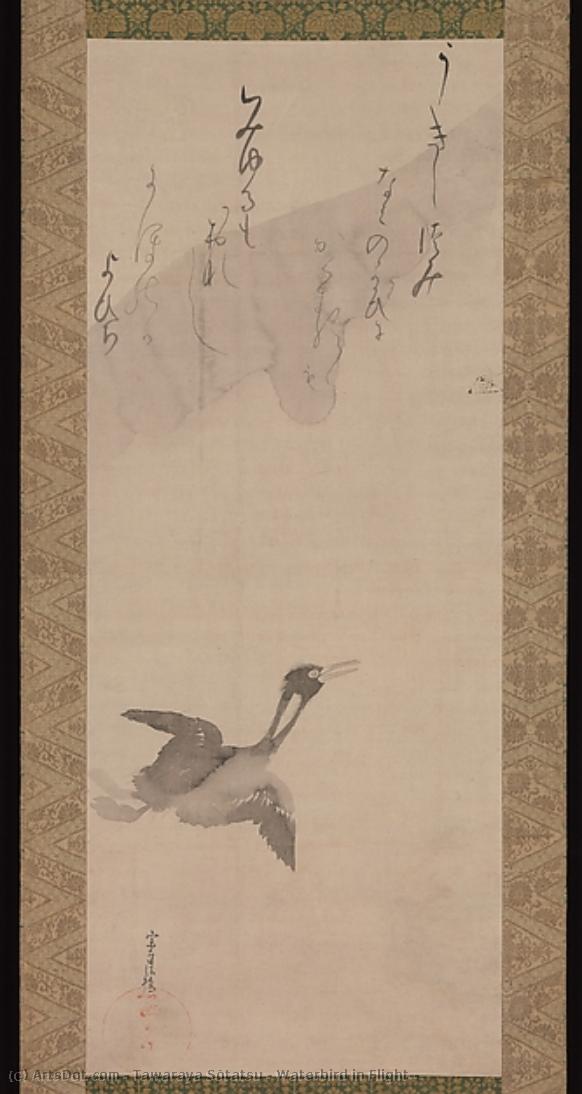
Waterbird in Flight
 1630
1630 90.0 x 36.0 cm
 Ver más
Adquiera una imagen digital de alta resolución y optimizada, muy superior a la vista previa en línea.
Cada archivo es preparado meticulosamente por nuestros especialistas internos mediante el uso de herramientas avanzadas y un experto retoque manual. Nos aseguramos de que cada imagen posea una claridad excepcional, una precisión cromática impecable y un detalle minucioso.
El archivo final se entrega por correo electrónico en un plazo de 72 horas, optimizado para su uso inmediato en entornos profesionales, editoriales y de impresión. Esta es la misma calidad en la que confían los estudios de diseño, las editoriales y las galerías de primer nivel.
Imagen Digital
Descarga un archivo de alta resolución para exhibición personal, impresión y proyectos creativos. ( Comprar impresión Comprar pintura hecha a mano)
Incluido en cada pedido de imágenes digitales
Entrega digital experta, garantizada.
Al elegir ArtsDot.com, no solo está adquiriendo una imagen; está recibiendo una obra de arte digital mejorada profesionalmente, elaborada con precisión y respaldada por una garantía de satisfacción. Esto es todo lo que incluye su pedido, automáticamente:

Entrega rápida por email
Recibirá su archivo de imagen digital en alta resolución por correo electrónico en un plazo de 72 horas tras realizar su pedido, listo para su uso inmediato.

Archivo digital optimizado por IA
Su obra de arte se optimiza profesionalmente mediante herramientas avanzadas de IA y edición manual, garantizando el máximo detalle, claridad y precisión cromática.

Reenvío gratuito de por vida
¿Has borrado o perdido tu archivo por error? No te preocupes: te lo volveremos a enviar en cualquier momento, sin coste adicional.

Sin gastos de importación, siempre
Disfrute de su obra de arte al instante sin aduanas, aranceles ni gastos de envío; las descargas digitales siempre están libres de impuestos.

Garantía de fidelidad de color
Garantizamos que su imagen digital refleje los colores originales con la mayor fidelidad posible, mediante el uso de herramientas profesionales y gestión del color.

Garantía de satisfacción de 60 días
Si no está satisfecho con su imagen digital, la revisaremos o le reembolsaremos el 100% en un plazo de 60 días, sin preguntas.

100% Garantía de devolución de dinero
¿No está satisfecho? Obtenga un reembolso completo dentro de los 60 días posteriores a la recepción de su archivo digital, sin necesidad de explicaciones.

Descuentos por pedidos grandes
Compra 3 imágenes, ahorra 10% - Compra 5, ahorra 15% - Compra 10+, ahorra 20%. Ideal para proyectos creativos, galerías y agencias.
Obras relacionadas









Biografía del artista
Tawaraya Sōtatsu: A Master of Illusion and Influence
Tawaraya Sōtatsu (俵屋 宗達, c. 1570 – c. 1640) stands as a cornerstone figure in the Rinpa school of Japanese painting—a movement that revolutionized aesthetics and profoundly impacted subsequent artistic endeavors. Despite the elusive nature of his life’s details, Sōtatsu's legacy endures through his breathtaking compositions, innovative techniques like tarashikomi, and above all, his monumental *byōbu* folding screens which continue to inspire awe and admiration centuries later. This article delves into Sōtatsu’s artistic journey, exploring his formative influences, groundbreaking achievements, and enduring significance within Japanese art history.Early Life and Artistic Training
Information regarding Sōtatsu's birthdate and place remains scant—scholars estimate he was born around 1570 in Nantou, Japan. Born into a family of craftsmen specializing in lacquerware, Sōtatsu’s artistic inclinations were nurtured from an early age. While precise details about his formal training are unavailable, it is believed that he honed his skills under the tutelage of prominent artists of the time, absorbing stylistic precepts prevalent within Kyoto's artistic milieu—a crucible for innovation and refinement during the Edo period. His family’s profession instilled in him a meticulous attention to detail and an understanding of material properties – qualities that would prove invaluable in his later endeavors as a painter and designer. The lack of definitive biographical data underscores the challenge of reconstructing Sōtatsu's artistic development amidst the turbulent backdrop of Tokugawa Japan, where official records often prioritized social status over individual achievement.Collaboration with Hon’ami Kōetsu: Shaping Rinpa Aesthetics
Sōtatsu’s artistic career gained considerable momentum through his partnership with Hon’ami Kōetsu (1558–1637), a fellow craftsman and visionary artist who championed radical experimentation within the Rinpa school. Together, they embarked on ambitious projects—primarily decorating calligraphic works by Kōetsu—that cemented their reputation as pioneers of a distinctive visual language characterized by bold color palettes, stylized forms, and masterful illusionistic techniques. This collaborative effort established Rinpa’s core aesthetic principles: prioritizing atmospheric perspective, capturing fleeting moments of beauty, and elevating craftsmanship to an art form itself. The duo's approach rejected the conventions of traditional Japanese painting, favoring instead a dynamic interplay between observation and imagination—a hallmark of Rinpa’s artistic ethos. Their shared dedication to pushing boundaries solidified Kōetsu’s position as Sōtatsu’s mentor and arguably shaped the very essence of Rinpa’s aesthetic vision.The Revolutionary Technique of Tarashikomi
Sōtatsu is credited with perfecting *tarashikomi* (層漆記), a technique that fundamentally altered the course of Japanese painting. This method involves applying a second layer of pigment onto an already dried background—a daring departure from established practices—resulting in remarkably delicate and luminous effects reminiscent of atmospheric haze or water ripples. The brilliance of this technique lies not merely in its visual impact but also in its conceptual underpinning: it embodies Rinpa’s belief that beauty resides in serendipitous accidents, mirroring the natural world's unpredictable grandeur. Sōtatsu’s mastery of tarashikomi elevated painting to new heights of expressive power and artistic sophistication—a legacy that continues to inspire artists today. This innovative approach distinguished Sōtatsu from his predecessors and established him as a leader among Rinpa’s most influential practitioners.Iconic Byōbu Screens: Embodiments of Rinpa Grandeur
Perhaps Sōtatsu’s most enduring achievement is his creation of monumental *byōbu* folding screens—elaborate panels adorned with breathtaking landscapes, floral motifs, and intricate decorative elements. These screens exemplify Rinpa’s ambition to transform ordinary spaces into immersive experiences—a testament to the school’s conviction that art should transcend mere representation and engage viewers on an emotional level. Among his most celebrated works are “Wind God and Thunder God” (風神雷神绘屏), designated as a National Treasure, and depictions of chapters from *The Tale of Genji*, showcasing Sōtatsu's unparalleled skill in capturing the essence of Japanese landscape painting and storytelling. The sheer scale and artistic virtuosity of these screens solidified Sōtatsu’s position as one of Japan’s greatest artists—a figure whose influence reverberates throughout subsequent generations of painters. Their enduring popularity speaks to the timeless appeal of Rinpa's aesthetic ideals: a harmonious blend of observation, imagination, and masterful craftsmanship. ### Legacy and Influence Beyond Rinpa Although Sōtatsu's own output was relatively modest compared to his contemporaries, his impact on Japanese art extended far beyond the confines of the Rinpa school. His innovative techniques—particularly tarashikomi—were adopted by artists across various stylistic traditions, demonstrating the pervasive influence of his artistic vision. Furthermore, Sōtatsu’s aesthetic principles—characterized by bold color palettes, stylized forms, and a preoccupation with atmospheric perspective—found resonance in Western art movements such as Art Deco, underscoring the universality of Rinpa's artistic ideals. Today, Sōtatsu remains one of Japan’s most recognizable painters—a testament to his enduring contribution to the history of visual culture and an inspiration for artists striving to capture beauty and wonder. His legacy continues to inspire admiration for its elegance and innovation, securing his place as a pivotal figure in Japanese art history.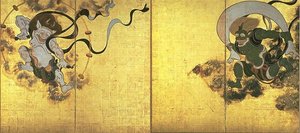
Breves datos
- Artistic Movement Or Style: Rinpa escuela
- Artists Who Influenced This Artist: ['Hon’ami Kōetsu']
- Date Of Birth: c. 1570
- Date Of Death: c. 1640
- Full Name: Tawaraya Sōtatsu
- Nationality: Japonés
- Notable Artworks:
- Wind God y Thunder God
- Sekiya capítulos de La Historia de Genji
- Place Of Birth: Nantou, Japón

