

 Ver en contexto
 Enviar
 Compartir
 Detalles

 Descargar
 Similares
 Radiografía
 Presentación de diapositivas
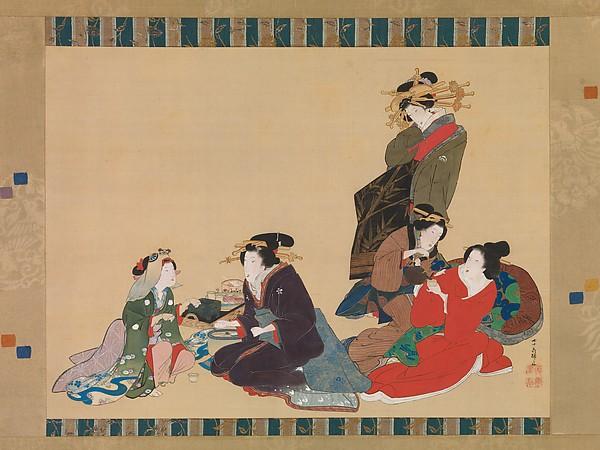
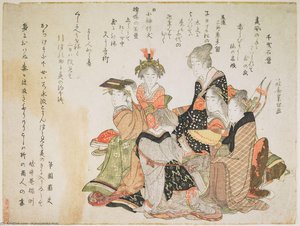
Courtesans at Leisure
 1844
1844 121.0 x 71.0 cm
 Ver más
Reproducción al óleo hecha a mano
Óleo sobre lienzo pintado a mano en el tamaño y marco de su elección, realizado por encargo por nuestros artistas. ( Comprar impresión Comprar imagen)




































Elija entre nuestros tamaños predefinidos que respetan las proporciones originales de la obra.

Puede ingresar sus propias dimensiones para adaptarse a un marco o espacio específico. Si el tamaño seleccionado no coincide con las proporciones de la imagen original, recortaremos la obra o extenderemos la pintura con elementos adicionales pintados a mano. Se le enviará una maqueta digital para su aprobación antes de comenzar la producción.
Tenga en cuenta que la vista previa en pantalla no refleja el recorte o la extensión reales. Solo la maqueta mostrará con precisión la composición final.
Si bien existen tamaños personalizados, recomendamos seleccionar una dimensión de la lista predefinida para preservar las proporciones originales.
Tras realizar el pedido, el equipo de ArtsDot.com enviará un correo electrónico al cliente para solicitar instrucciones y proporcionarle una vista previa del boceto.
Envío a todo el mundo () en 3-4 semanas en lugar de las 5 semanas estándar. (6 septiembre). Sin comprometer la calidad.

Envío exprés gratuito a todo el mundo

Lienzo de lino de alta calidad

Seguro de envío total

Garantía de reembolso de impuestos aduaneros

Garantía de fidelidad cromática exacta

Política de devolución de 100 días (solo por defectos)

Garantía de devolución del 100% del dinero

Descuento por cantidad
 La opción de vidrio solo está disponible en tamaños inferiores a 110 cm.

Courtesans at Leisure
Técnica de reproducción
Dimensiones de la reproducción
-


Precio total final
$ 263
Obras relacionadas


Biografía del artista
Teisai Hokuba: A Pioneer of Edo Period Landscape and Portraiture
Teisai Hokuba (1771-1844), a name perhaps less familiar than some of his contemporaries, stands as a remarkably influential figure in the history of Japanese art. Born Arisaka Gorohachi during the late Edo period, he rose from humble origins – initially a minor retainer – to become one of the most celebrated and innovative artists of his time, particularly renowned for his detailed landscapes and exquisitely rendered portraits. His career, spanning nearly seven decades, witnessed a fascinating evolution in artistic style, reflecting both traditional influences and a burgeoning desire for individual expression, ultimately shaping the trajectory of Ukiyo-e art.
Hokuba’s early training remains shrouded in some mystery, though it's widely believed he initially studied under Katsushika Hokusai, one of the most dominant figures in Edo artistic circles. This formative period instilled within him a deep appreciation for Hokusai’s dynamic brushwork and his masterful use of perspective – qualities that would later become hallmarks of Hokuba’s own distinctive style. However, unlike many of his pupils who diligently replicated Hokusai's techniques, Hokuba quickly developed his own unique voice, incorporating elements of the Kano school’s meticulous detail and a subtle, almost melancholic beauty into his work. This divergence established him as an independent artist with a recognizable aesthetic.
The Art of *Bijin-ga* and Edo Salon Culture
Hokuba's most enduring legacy lies in his prolific output of *bijin-ga*, or “pictures of beautiful women.” These paintings, often depicting courtesans from the pleasure quarters of Yoshiwara, were not merely decorative; they represented a significant engagement with the social and cultural realities of Edo society. Hokuba’s depictions weren't idealized fantasies but rather nuanced portraits that captured the elegance, intelligence, and subtle emotions of his subjects. He skillfully employed atmospheric perspective and delicate brushwork to convey both their physical beauty and their inner lives.
His work was frequently commissioned for *kyoka* poetry anthologies – small, privately published books containing short, witty poems accompanied by illustrations. This practice, known as *surimono*, fostered a vibrant salon culture among the merchant class and educated elite of Edo. Hokuba’s contributions to these collections were highly sought after, reflecting his reputation for artistic excellence and his ability to seamlessly integrate visual imagery with poetic expression. The subject matter often reflected seasonal themes – cherry blossoms, snow scenes, or depictions of everyday activities – further cementing his connection to the broader cultural landscape.
Technique and Style: A Synthesis of Tradition and Innovation
Hokuba’s artistic style is characterized by a remarkable synthesis of traditional techniques and innovative approaches. He skillfully employed *sumi-e*, or ink wash painting, to create atmospheric landscapes that exuded a sense of quiet contemplation. Yet, unlike the more austere styles of his predecessors, Hokuba infused these landscapes with vibrant colors – achieved through meticulous layering of pigments on paper – creating a luminous quality rarely seen in traditional Japanese art.
His portraits, too, demonstrated a remarkable command of technique. He utilized subtle gradations of tone and delicate brushwork to capture the nuances of his subjects’ expressions and personalities. Notably, he eschewed harsh outlines, relying instead on atmospheric perspective and carefully rendered details to define form and create a sense of depth. This approach, combined with his mastery of color, resulted in portraits that were both strikingly realistic and imbued with an undeniable emotional resonance.
Legacy and Historical Significance
Teisai Hokuba’s impact on the development of Japanese art is profound. He stands as a pivotal figure bridging the gap between traditional Kano painting and the emerging Ukiyo-e style, demonstrating a willingness to experiment while retaining a deep respect for established artistic conventions. His innovative use of color, his nuanced portrayals of human subjects, and his skillful integration of visual imagery with poetic expression set him apart from his contemporaries and paved the way for future generations of artists.
While often overshadowed by more famous Ukiyo-e masters like Hokusai and Hiroshige, Hokuba’s contributions deserve greater recognition. His work offers a valuable window into the social and cultural dynamics of Edo period Japan, revealing a world of beauty, intrigue, and subtle emotional complexities. His legacy continues to inspire artists today, reminding us of the enduring power of observation, innovation, and artistic expression.
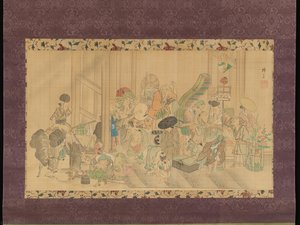
teisai hokuba
1771 - 1844
Datos clave
- Artistic Movement Or Style: Ukiyo-e, Edo period
- Artists Or Movements Influenced By This Artist: ['Hokusai']
- Artists Who Influenced This Artist: ['Katsushika Hokusai']
- Date Of Birth: 1771
- Date Of Death: 1844
- Full Name: Teisai Hokuba
- Nationality: Japanese
- Notable Artworks:
- Taking Shelter from the Rain
- Beauty on a Snowy Quay
- Zhuangzi
- Place Of Birth: Edo (Tokyo)