

 Ver en contexto
 Enviar
 Compartir
 Detalles

 Descargar
 Similares
 Radiografía
 Presentación de diapositivas
 Estadísticas
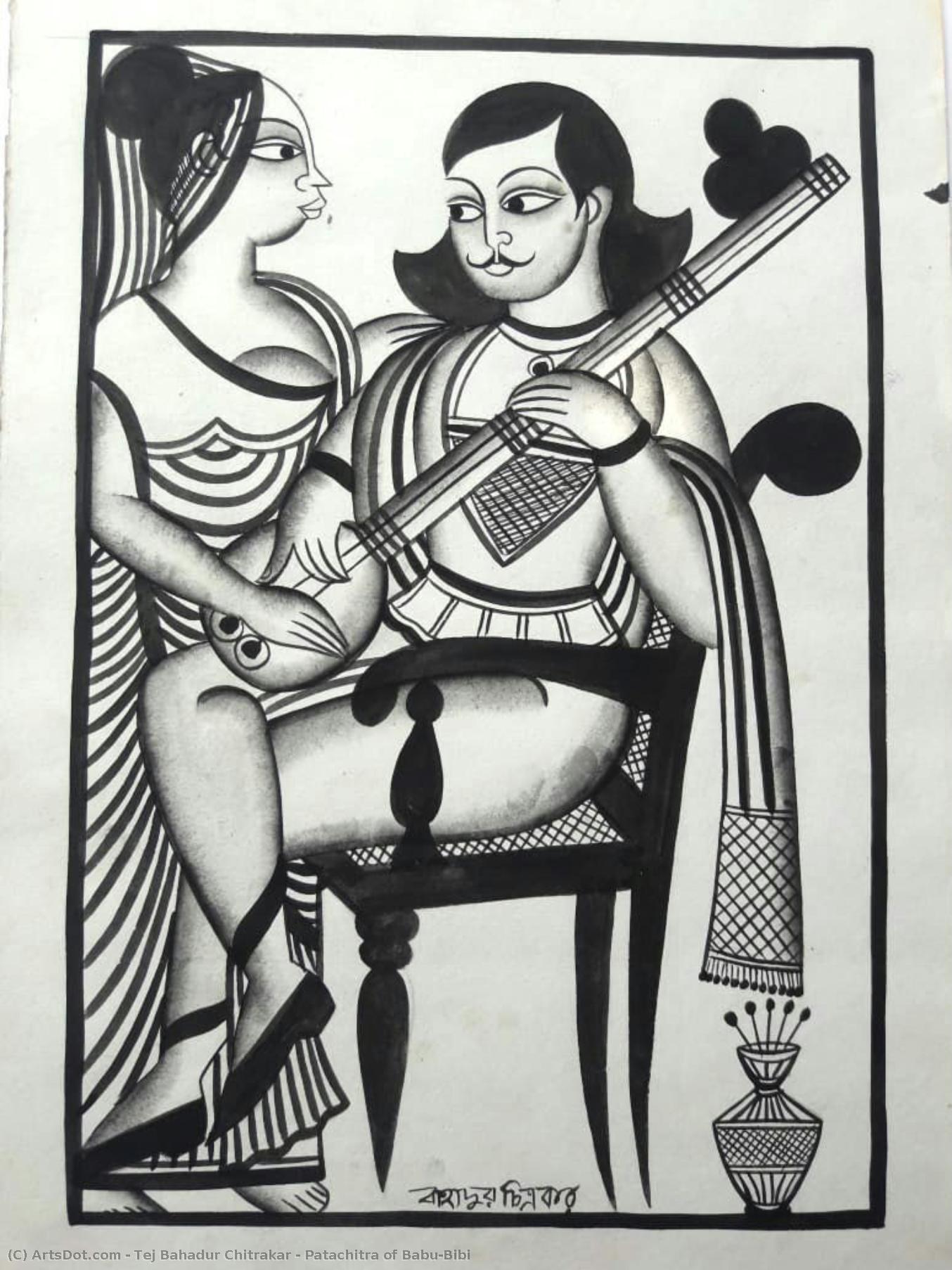
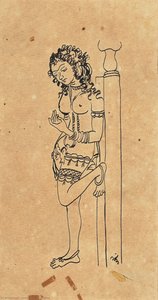
Patachitra of Babu-Bibi


 Ver más
Giclée / Impresión de arte
Impresiones giclée o en lienzo de calidad de museo con producción rápida y opciones de acabado flexibles. ( Comprar pintura hecha a mano Cambiar a imagen digital)




P118B $10

P118H $10

P118W $10

P438Z $10

P508JH $12

P508YH $12

P805H $10

P805Z $10

P919BZ $10

P919G $10

P919XJ $10

P959ZH $10

P968JZ $12

W106C $8

W218G $10

W218JH $8

W218Y $10

W307PJ $10

W316G $10

W316PJ $8

W316Y $10

W398PJ $8

W4111J $10

W500HY $15

W500JH $15

W692G $12

W849H $8

W940BG $15

W953PJ $8




Elija entre nuestros tamaños predefinidos que respetan las proporciones originales de la obra.

Puede introducir sus propias dimensiones para adaptarse a un marco o espacio específico. Si el tamaño seleccionado no coincide con las proporciones de la imagen original, recortaremos la obra de arte o extenderemos la imagen con un borde con efecto espejo o de color sólido. Se enviará una maqueta digital para su aprobación antes de que comience la producción.
Tenga en cuenta que la vista previa en pantalla no refleja el recorte o la extensión real. Solo la maqueta mostrará con precisión la composición final.
Aunque existen tamaños personalizados, recomendamos seleccionar una dimensión de la lista predefinida para preservar las proporciones originales.
Envío a todo el mundo () en 2 semanas en lugar de las 4/5 semanas estándar. (10 septiembre)

Envío exprés gratuito a todo el mundo

Lienzo de lino de alta calidad

Seguro de envío total

Garantía de reembolso de impuestos aduaneros

Garantía de fidelidad cromática exacta

Política de devolución de 100 días (solo por defectos)

Garantía de devolución del 100% del dinero

Descuento por cantidad
 La opción de vidrio solo está disponible en tamaños inferiores a 110 cm.

Patachitra of Babu-Bibi
Giclée / Impresión de arte
Dimensiones de la reproducción
-


Precio total final
$ 62
A Window Into Tradition: Exploring Tej Bahadur Chitrakar’s “Patachitra of Babu-Bibi”
The artwork "Patachitra of Babu-Bibi," created by Tej Bahadur Chitrakar in 1928, stands as a cornerstone of Nepali modern art—a testament to the transformative influence of Western artistic principles on indigenous traditions. More than just a depiction of two figures seated together, it embodies a profound engagement with Kalighat style painting, reflecting the burgeoning interest in capturing everyday life and spiritual contemplation within Nepal’s evolving cultural landscape. This piece isn't merely visually arresting; it whispers tales of Nepali heritage and artistic innovation.The Essence of Kalighat Style: Bold Lines and Simplified Forms
Chitrakar’s approach to “Patachitra of Babu-Bibi” firmly establishes itself within the distinctive aesthetic framework of Kalighat art, a movement that emerged in Calcutta during the early 20th century. Rejecting academic realism—a trend gaining traction elsewhere—Kalighat artists prioritized expressive line work and stylized representations over meticulous detail. Chitrakar skillfully adopted this technique, utilizing thick, assertive lines to delineate the contours of the human figures and architectural elements like the chair and vase. These bold outlines convey dynamism and immediacy, mirroring the spirit of spontaneous observation characteristic of Kalighat’s artistic ethos. The simplification of forms—circles, squares, and rectangles dominating the composition—further enhances this visual impact, conveying a sense of clarity and symbolic resonance.Symbolism Embedded in Detail: Narrative and Cultural Significance
Beyond its stylistic choices, “Patachitra of Babu-Bibi” is rich in symbolic elements that illuminate Nepali cultural values. The seated figures represent a common scene from daily life—a conversation between men—yet their posture exudes serenity and contemplation. The inclusion of the ornate chair and vase serves as decorative embellishment but also carries deeper significance, reflecting the importance of hospitality and refinement within Newar culture. Furthermore, the attire worn by the figures hints at social status and tradition, anchoring the artwork firmly in its historical context. The artist’s deliberate use of geometric shapes—particularly circles representing wholeness and squares symbolizing stability—underscores these thematic concerns.Technique: Ink and Cloth – A Legacy Preserved
The execution of “Patachitra of Babu-Bibi” exemplifies a masterful blend of traditional craftsmanship and artistic vision. Chitrakar employed ink as his primary medium, applying it with meticulous precision to cloth or paper—a technique rooted in centuries of Nepali painting heritage. The layering of lines creates texture and depth, subtly suggesting the passage of time and conveying an emotional resonance that transcends mere visual representation. Careful consideration was given to lighting—casting soft shadows that illuminate the forms—enhancing their sculptural quality and contributing to the artwork’s overall atmosphere. This painstaking process reflects a dedication to preserving artistic traditions while simultaneously embracing new stylistic approaches.A Timeless Reflection of Nepali Identity
“Patachitra of Babu-Bibi” remains an enduring symbol of Nepal's artistic awakening during the early 20th century—a captivating fusion of Western influences and indigenous aesthetics. Its bold lines, simplified forms, and symbolic richness continue to inspire artists and collectors alike, reminding us of the power of art to capture the essence of cultural heritage and convey profound emotional truths. It’s a piece that invites contemplation and celebrates the beauty inherent in capturing the spirit of everyday life within a framework of spiritual reflection—a legacy beautifully preserved by Tej Bahadur Chitrakar.Obras relacionadas


Biografía del artista
Tej Bahadur Chitrakar: Un pionero del arte nepalí moderno
Primeros años y antecedentes
Tej Bahadur Chitrakar (1898–1971) fue un artista nepalés que desempeñó un papel fundamental en el desarrollo del arte contemporáneo en Nepal a principios del siglo XX. Nacido en Lalitpur, Nepal, como el segundo hijo de Shivadas y Ashamati, provenía de una línea profundamente arraigada en la tradición artística. Su familia pertenecía al Chitrakar, una casta tradicionalmente encargada de crear pinturas religiosas desde el siglo XIV d.C. bajo los gobernantes Malla.
Educación y formación
El talento excepcional de Tej Bahadur era evidente desde temprana edad. En 1918, se convirtió en uno de los primeros artistas nepalíes en asistir al Government College of Fine Art en Calcuta (ahora Kolkata), India. Patrocinado por el Primer Ministro Chandra Shumsher, recibió formación formal y obtuvo un título en arte con distinción en retrato utilizando pinturas al óleo en 1927. Esta educación fue fundamental para moldear su visión artística e introducirlo en las técnicas occidentales.
Desarrollo artístico y estilo
Al regresar a Nepal en 1929, Chitrakar impulsó un cambio significativo en el panorama artístico nepalí. Se alejó del arte religioso estrictamente tradicional – que se adhería a descripciones textuales antiguas – hacia pinturas al óleo de estilo occidental moderno. Su obra representaba una fusión de estos dos mundos, combinando motivos y técnicas tradicionales con la estética contemporánea. Era particularmente conocido por sus retratos y obras Patachitra.
Logros y contribuciones principales
- Conexión entre tradiciones: Chitrakar integró con éxito los principios artísticos occidentales en el contexto nepalí, creando un estilo único que resonaba tanto con las sensibilidades tradicionales como con los gustos modernos.
- Educación artística: Se dedicó a la educación artística, enseñando en Durbar High School y más tarde convirtiéndose en director de Juddha Art School, nutriendo generaciones de artistas nepalíes.
- Promoción del arte nepalí: Chitrakar inició ‘Chitrakala Udhyog Sangh’ (ahora extinta) con el objetivo de promover y apoyar al arte y a los artistas nepalíes.
- Ampliación de los temas artísticos: Amplió el alcance de la pintura nepalí más allá de los temas puramente religiosos, explorando retratos, paisajes y temas sociales.
Influencias
El desarrollo artístico de Chitrakar fue influenciado significativamente por su formación formal en Calcuta, donde absorbió las técnicas occidentales en pintura al óleo y retrato. Sin embargo, su crianza dentro del Chitrakar y la rica tradición artística Newari también moldearon profundamente sus sensibilidades estéticas. Se inspiró en los estilos tradicionales de Patachitra mientras abrazaba las tendencias artísticas modernas.
Significado histórico
Tej Bahadur Chitrakar es reconocido como una figura clave en la historia del arte nepalí, acreditado por sentar las bases para el arte moderno nepalí. Su trabajo pionero allanó el camino para que las generaciones posteriores de artistas exploraran nuevos estilos y temas. Muchas de sus pinturas perdurables se conservan hoy en prestigiosas galerías de arte en todo el mundo, como testimonio de su legado artístico y contribución al patrimonio cultural nepalí. Sigue siendo una figura icónica para aquellos que buscan comprender la evolución del arte nepalí.
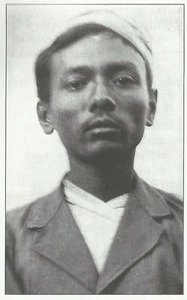
tej bahadur chitrakar
1898 - 1971 , Nepal
Datos clave
- Artistic Movement Or Style: Modern Nepali Art, Patachitra
- Artists Or Movements Influenced By This Artist: ['Western Painting']
- Artists Who Influenced This Artist: ['Chandra Shamsher Jang Bahadur Rana']
- Date Of Birth: 1898
- Full Name: Tej Bahadur Chitrakar
- Nationality: Nepalese
- Notable Artworks:
- Patachitra on Environment Conservation
- Tribute to My Forefather
- Place Of Birth: Lalitpur, Nepal
Artículos relacionados

Angelo Chiacchio: A Mid-Century American Illustration Master & the Rise of Commercial Art
Explore the captivating world of Angelo Chiacchio, a master of mid-century American illustration. Discover his evolution, signature style, and lasting impact on commercial art & design. Learn about his legacy at the Museum of American Illustration.
Edmund Dulac: A Master of Golden Age Illustration – Exploring Myth, Symbolism & Art Nouveau Legacy
Explore the captivating world of Edmund Dulac, a master of Golden Age illustration! Discover his enchanting fairy tales, Art Nouveau style, and lasting influence on art & design. Learn about *The Rubaiyat* and more.
La Estética Refinada de la Ilustración Victoriana: Narrativa y Técnica en el Arte del Siglo XIX
Descubra la estética refinada de la ilustración victoriana y el impacto revolucionario de los Prerrafaelitas. Análisis profundo de técnicas, narrativa y simbolismo en el arte del siglo XIX.
Kay Rasmus Nielsen: A Golden Age Illustrator's Enchanting Legacy of Symbolism & Narrative
Explore the captivating world of Kay Rasmus Nielsen, a celebrated Golden Age illustrator renowned for his Art Nouveau fairy tale art & Disney contributions. Discover his unique style, enduring legacy, and how to collect his enchanting works.
Raja Ravi Varma: Bridging Tradition & Modernity in 19th-Century Indian Art
Explore the life & art of Raja Ravi Varma, a pioneer who fused European techniques with Indian iconography. Discover his iconic paintings, lasting legacy, and influence on modern Indian art at ArtsDot.