

 Ver en contexto
 Enviar
 Compartir
 Detalles

 Descargar
 Similares
 Radiografía
 Presentación de diapositivas
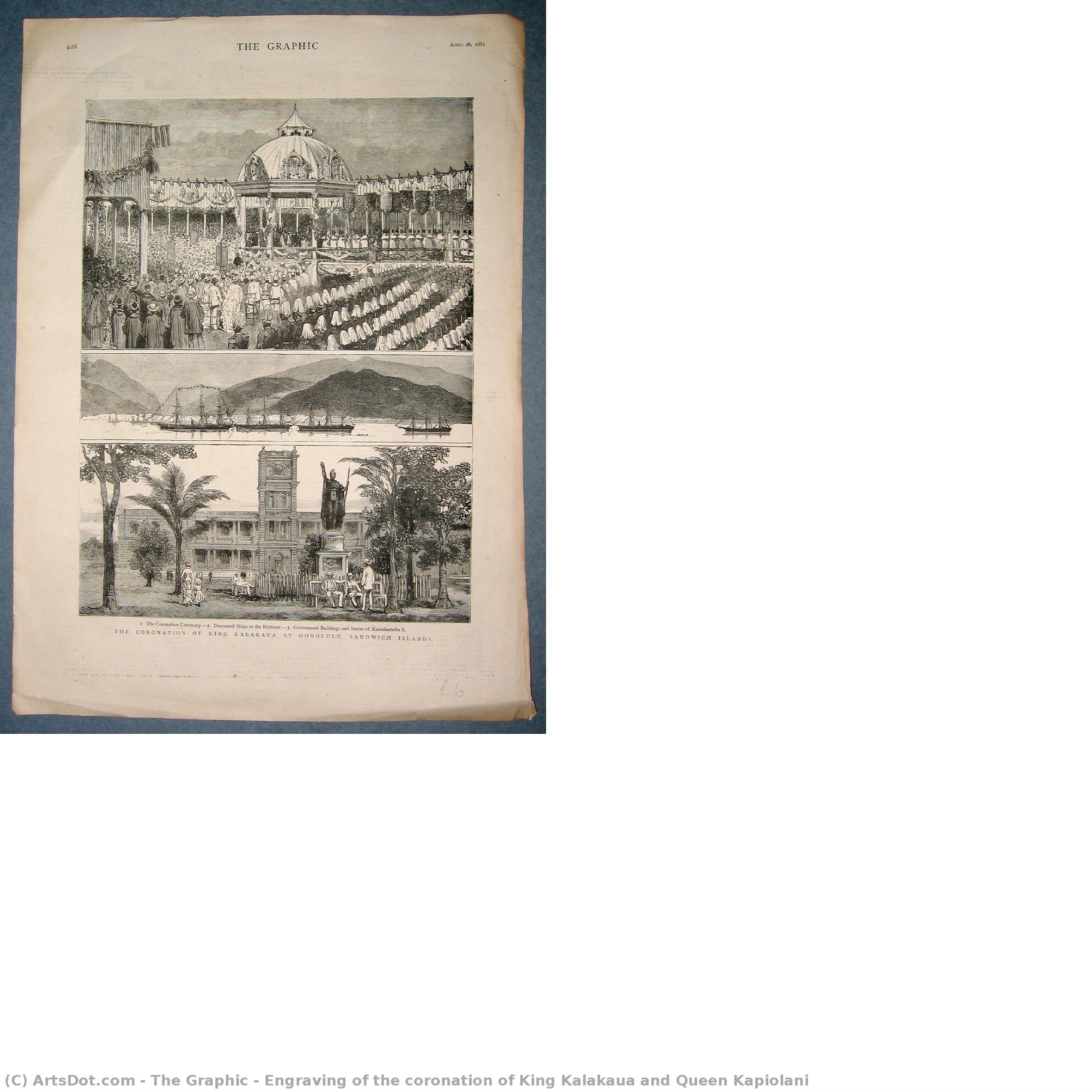
Engraving of the coronation of King Kalakaua and Queen Kapiolani


 Ver más
Adquiera una imagen digital de alta resolución y optimizada, muy superior a la vista previa en línea.
Cada archivo es preparado meticulosamente por nuestros especialistas internos mediante el uso de herramientas avanzadas y un experto retoque manual. Nos aseguramos de que cada imagen posea una claridad excepcional, una precisión cromática impecable y un detalle minucioso.
El archivo final se entrega por correo electrónico en un plazo de 72 horas, optimizado para su uso inmediato en entornos profesionales, editoriales y de impresión. Esta es la misma calidad en la que confían los estudios de diseño, las editoriales y las galerías de primer nivel.
Imagen Digital
Descarga un archivo de alta resolución para exhibición personal, impresión y proyectos creativos. ( Comprar impresión Comprar pintura hecha a mano)
Incluido en cada pedido de imágenes digitales
Entrega digital experta, garantizada.
Al elegir ArtsDot.com, no solo está adquiriendo una imagen; está recibiendo una obra de arte digital mejorada profesionalmente, elaborada con precisión y respaldada por una garantía de satisfacción. Esto es todo lo que incluye su pedido, automáticamente:

Entrega rápida por email
Recibirá su archivo de imagen digital en alta resolución por correo electrónico en un plazo de 72 horas tras realizar su pedido, listo para su uso inmediato.

Archivo digital optimizado por IA
Su obra de arte se optimiza profesionalmente mediante herramientas avanzadas de IA y edición manual, garantizando el máximo detalle, claridad y precisión cromática.

Reenvío gratuito de por vida
¿Has borrado o perdido tu archivo por error? No te preocupes: te lo volveremos a enviar en cualquier momento, sin coste adicional.

Sin gastos de importación, siempre
Disfrute de su obra de arte al instante sin aduanas, aranceles ni gastos de envío; las descargas digitales siempre están libres de impuestos.

Garantía de fidelidad de color
Garantizamos que su imagen digital refleje los colores originales con la mayor fidelidad posible, mediante el uso de herramientas profesionales y gestión del color.

Garantía de satisfacción de 60 días
Si no está satisfecho con su imagen digital, la revisaremos o le reembolsaremos el 100% en un plazo de 60 días, sin preguntas.

100% Garantía de devolución de dinero
¿No está satisfecho? Obtenga un reembolso completo dentro de los 60 días posteriores a la recepción de su archivo digital, sin necesidad de explicaciones.

Descuentos por pedidos grandes
Compra 3 imágenes, ahorra 10% - Compra 5, ahorra 15% - Compra 10+, ahorra 20%. Ideal para proyectos creativos, galerías y agencias.
Obras relacionadas

Biografía del artista
The Pioneering Vision of *The Graphic*
Founded in December 1869 by the artist and engraver William Luson Thomas, *The Graphic* emerged as a bold challenge to the established dominance of the *Illustrated London News*. More than just another illustrated newspaper, it was conceived as a platform prioritizing visual storytelling and artistic merit. Thomas, frustrated with what he perceived as the exploitative treatment of artists by his former employer, envisioned a publication where draughtsmen and engravers were valued contributors, not merely factory hands churning out images. This commitment to quality and creative freedom quickly distinguished *The Graphic* in a rapidly evolving media landscape. The paper wasn’t simply reporting news; it was interpreting it through the lens of skilled artistry, aiming for an authenticity that resonated with a growing readership across the British Empire and North America. From its inception, *The Graphic* sought to illuminate prevailing social issues—poverty, homelessness, public health—alongside coverage of royal occasions, national celebrations, and literary pursuits.A Commitment to Artistic Excellence
William Luson Thomas’s background profoundly shaped the character of *The Graphic*. A successful artist and wood-engraver himself, he understood the intricacies of the creative process and the importance of providing artists with autonomy. He reserved shares in the newspaper specifically for contributing artists, a radical move that fostered a sense of ownership and collaboration. Unlike the *Illustrated London News*, where subjects were often dictated from above, Thomas encouraged his artists to pursue their own interests, believing this would result in more compelling and insightful work. This approach attracted a remarkable roster of talent, including Hubert von Herkomer, who credited Thomas with “making him as an artist” by allowing him the freedom to choose his own subjects. The newspaper became known for its high-quality illustrations, capturing authentic scenes throughout London and beyond. It wasn’t merely about reproducing reality; it was about interpreting it with skill, sensitivity, and a keen eye for detail. The influence of *The Graphic* extended even to artists like Vincent van Gogh, who found inspiration in the socially conscious art featured within its pages during his time living in London.Reporting on an Empire and Beyond
Throughout its long run, *The Graphic* served as a visual chronicle of the Victorian and Edwardian eras. The newspaper’s coverage extended far beyond the borders of Britain, documenting major events across the vast British Empire—from conflicts like the Serbo-Turkish War (1876-78) and the Zulu War (1879-96) to scenes of everyday life in distant colonies. In an age before widespread photography, illustrators played a crucial role in bringing these stories to life, providing vivid depictions of landscapes, cultures, and conflicts that would otherwise have remained largely unknown to the British public. *The Graphic* didn’t shy away from difficult subjects; it tackled issues of poverty, social injustice, and political unrest with a degree of frankness that was unusual for its time. Royal occasions and national celebrations were also given prominent coverage, reinforcing a sense of imperial pride and collective identity. The paper aimed to be comprehensive in its scope, covering not only news but also literature, arts, sciences, fashion, sport, and music—a reflection of the diverse interests of its readership.From Weekly Rival to Sister Publication
The initial ambition of *The Graphic* was to directly compete with the *Illustrated London News*. However, over time, the relationship between the two publications evolved. In 1890, Thomas’s company, H. R. Baines & Co., began publishing *The Daily Graphic*, a separate newspaper that would later be revived by Kemsley Newspapers in 1946. Ultimately, *The Graphic* became one of the *Illustrated London News*'s sister publications, operating under the same ownership. Despite this shift in structure, it retained its distinctive character and continued to uphold its commitment to artistic excellence. The newspaper’s influence on the art world remained strong throughout its long run, inspiring generations of illustrators and artists. The legacy of *The Graphic* lies not only in its stunning visual imagery but also in its pioneering approach to journalism—an approach that valued creativity, authenticity, and a deep engagement with the social and political issues of the day.A Lasting Legacy
Though publication ceased in 1932, *The Graphic*’s impact continues to be felt today. Its extensive archive provides a valuable window into Victorian and Edwardian society, offering insights into everything from major historical events to everyday life. Art historians continue to study its pages, recognizing the mutual influences between *The Graphic* and the fine arts in Britain. The newspaper's emphasis on artists and artistry has made it a particularly fascinating subject of research, revealing the crucial role that illustration played in shaping public opinion and cultural perceptions. The Graphic*’s commitment to social conscience—its willingness to tackle difficult issues and give voice to marginalized communities—also remains relevant in contemporary society. The paper's vivid depictions of poverty, homelessness, and political unrest serve as a reminder of the enduring challenges facing humanity. Ultimately, *The Graphic* was more than just an illustrated newspaper; it was a cultural force that helped shape the visual landscape of its time—and continues to inspire artists and journalists today.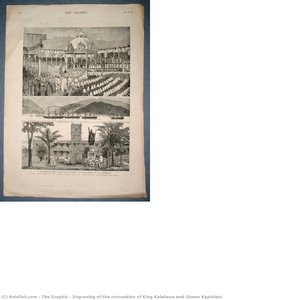
Breves datos
- Artistic Movement Or Style: Illustrated journalism
- Artists Or Movements Influenced By This Artist:
- Vincent van Gogh
- Hubert von Herkomer
- Artists Who Influenced This Artist:
- William Luson Thomas
- Lewis Samuel Thomas
- Date Of Death: Living
- Full Name: The Graphic
- Nationality: British

