

 Ver en contexto
 Enviar
 Compartir
 Detalles

 Descargar
 Similares
 Radiografía
 Presentación de diapositivas
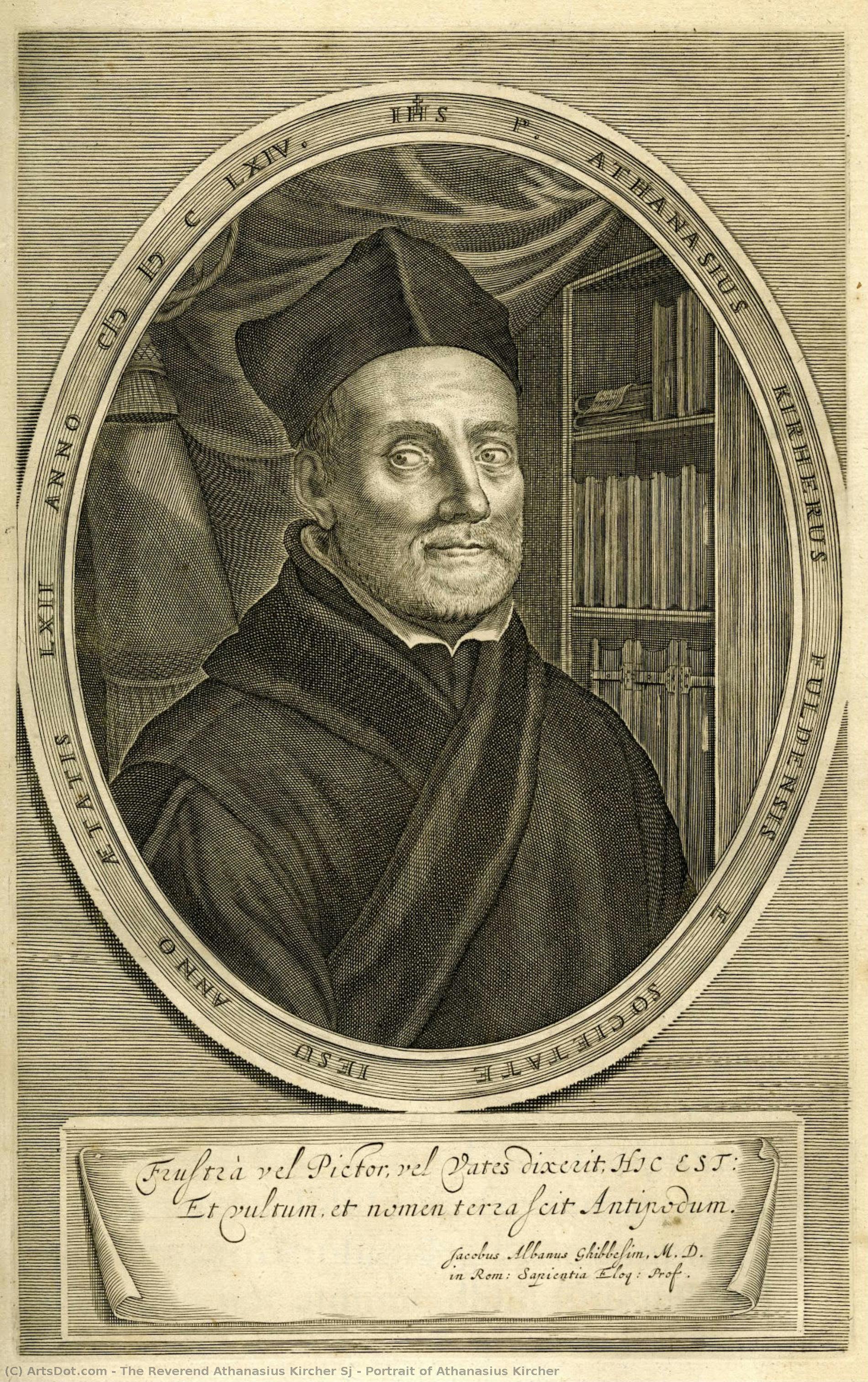
Portrait of Athanasius Kircher


 Ver más
Reproducción al óleo hecha a mano
Óleo sobre lienzo pintado a mano en el tamaño y marco de su elección, realizado por encargo por nuestros artistas. ( Comprar impresión Comprar imagen)




P118B $10

P118H $10

P118W $10

P438Z $10

P508JH $12

P508YH $12

P805H $10

P805Z $10

P919BZ $10

P919G $10

P919XJ $10

P959ZH $10

P968JZ $12

W106C $8

W218G $10

W218JH $8

W218Y $10

W307PJ $10

W316G $10

W316PJ $8

W316Y $10

W398PJ $8

W4111J $10

W500HY $15

W500JH $15

W692G $12

W849H $8

W940BG $15

W953PJ $8




Elija entre nuestros tamaños predefinidos que respetan las proporciones originales de la obra.

Puede ingresar sus propias dimensiones para adaptarse a un marco o espacio específico. Si el tamaño seleccionado no coincide con las proporciones de la imagen original, recortaremos la obra o extenderemos la pintura con elementos adicionales pintados a mano. Se le enviará una maqueta digital para su aprobación antes de comenzar la producción.
Tenga en cuenta que la vista previa en pantalla no refleja el recorte o la extensión reales. Solo la maqueta mostrará con precisión la composición final.
Si bien existen tamaños personalizados, recomendamos seleccionar una dimensión de la lista predefinida para preservar las proporciones originales.
Tras realizar el pedido, el equipo de ArtsDot.com enviará un correo electrónico al cliente para solicitar instrucciones y proporcionarle una vista previa del boceto.
Envío a todo el mundo () en 3-4 semanas en lugar de las 5 semanas estándar. (28 agosto). Sin comprometer la calidad.

Envío exprés gratuito a todo el mundo

Lienzo de lino de alta calidad

Seguro de envío total

Garantía de reembolso de impuestos aduaneros

Garantía de fidelidad cromática exacta

Política de devolución de 60 días (solo por defectos)

Garantía de devolución del 100% del dinero

Descuento por cantidad
 La opción de vidrio solo está disponible en tamaños inferiores a 110 cm.

Portrait of Athanasius Kircher
Técnica de reproducción
Dimensiones de la reproducción
-


Precio total final
$ 263
A Portrait of a Polymath – Athanasius Kircher and His World
The image before you is more than just a painted likeness; it’s a carefully constructed window into the mind of Athanasius Kircher, a figure who defied easy categorization. This portrait, dating back to 1678, captures him in his prime – a Jesuit scholar, philosopher, astronomer, geologist, and, perhaps most famously, an Egyptologist obsessed with unlocking the secrets of ancient civilizations. The painting itself is rendered in a style typical of Dutch portraiture of the late Baroque period: a restrained elegance, a focus on detail, and a subtle use of light to define form. Notice the meticulous rendering of his robes – the rich fabrics, the intricate folds – reflecting both his status as a learned man and his adherence to the formal attire expected of a priest within the Jesuit order. The dark background serves to draw attention to Kircher himself, emphasizing his intellectual presence and suggesting a contemplative nature.
The composition is deliberately balanced, mirroring the scholar’s own pursuit of harmony between seemingly disparate fields of knowledge. His gaze, direct and unwavering, invites the viewer into his world of observation and deduction. The inclusion of the bookshelf behind him isn't merely decorative; it speaks volumes about Kircher’s intellectual life – a testament to his voracious appetite for learning and his immersion in the vast repositories of ancient texts. It hints at the countless hours spent poring over manuscripts, deciphering cryptic symbols, and formulating his groundbreaking theories.
Decoding the Hieroglyphs: Symbolism and Scientific Inquiry
Kircher’s most enduring legacy lies in his ambitious attempts to understand Egyptian hieroglyphs. He believed that these ancient symbols held a key not only to understanding Egyptian culture but also to unlocking universal truths about the cosmos. The painting, therefore, can be interpreted as a visual representation of this intellectual quest – a symbolic embodiment of his dedication to deciphering the mysteries of the past. The inclusion of elements suggestive of astronomy and natural philosophy—subtle nods to his other areas of expertise—reinforces this idea. He wasn’t simply interested in translating words; he sought to connect ancient knowledge with contemporary scientific thought.
Furthermore, consider the portrait's context within Kircher’s broader work. His seminal text, *Mundus Subterraneus* (1665), a detailed account of his explorations and theories about subterranean worlds and hidden passages beneath Europe, reflects this same drive to uncover hidden knowledge. The painting, in its own way, mirrors the book's ambition – a desire to reveal what lies beneath the surface, both literally and figuratively.
A Master of Many Arts: Technique and Historical Context
This portrait was created by an anonymous artist working within the established conventions of Dutch portraiture. The use of oil paints allowed for a remarkable level of detail and tonal variation, capturing the textures of fabric and the nuances of Kircher’s face with impressive accuracy. Note the subtle shading that models his features, creating a sense of depth and realism. The painting's age is evident in the slightly darkened tones and the subtle signs of wear, offering a tangible connection to the 17th century.
Kircher’s life coincided with a period of intense intellectual ferment – the Scientific Revolution. He was deeply influenced by the discoveries being made in astronomy, mathematics, and natural philosophy, and his work reflects this spirit of inquiry. He represents a fascinating intersection of faith and reason, scholarship and speculation, tradition and innovation. The portrait serves as a powerful reminder of a time when knowledge was seen as an endless frontier, ripe for exploration and discovery.
Reproductions and the Legacy of Kircher
Today, reproductions of this remarkable portrait offer a unique opportunity to connect with the mind of one of history’s most intriguing polymaths. Whether displayed in a private study or a museum collection, it serves as a constant reminder of the boundless potential of human curiosity and the enduring power of intellectual pursuit. The image invites us to contemplate not only Kircher's life but also our own place within the vast tapestry of knowledge and discovery.
Obras relacionadas
Biografía del artista
Vida Temprana y Educación
- Nacimiento y Familia: Athanasius Kircher nació el 2 de mayo de 1602 en Geisa, Alemania, hijo de Johannes Kircher, consejero del príncipe-abad Balthasar de Fulda. Provenía de una familia con nueve hijos.
- Educación Jesuita: Desde 1614 hasta 1618, recibió su educación temprana en el Colegio Jesuita de Fulda. Luego ingresó al noviciado de la Compañía de Jesús en 1618.
- Ordenación y Primeras Enseñanzas: Kircher fue ordenado sacerdote en 1628. Comenzó a enseñar matemáticas y ética en la Universidad de Würzburg, demostrando una temprana competencia en diversas disciplinas como matemáticas, filosofía, hebreo y siríaco.
- Primeros Intereses: Incluso desde joven, mostró un gran interés por la geología y las invenciones mecánicas, presagiando sus posteriores búsquedas polimáticas. Una lesión en la pierna sufrida anteriormente en su vida experimentó supuestamente una curación milagrosa durante su noviciado.
Carrera e Investigaciones Académicas en el Colegio Romano
- Llegada a Roma: Después de una serie de asignaciones y viajes, incluidas posiciones previstas que fueron rescindidas, Kircher llegó a Roma en 1634. Sucedió a Christopher Clavius como matemático en el Colegio Romano.
- El Museo Kircheriano: Estableció un *wunderkammer*, o gabinete de curiosidades, conocido como el Museo Kircheriano en el Colegio Romano. Este museo se hizo famoso por su diversa colección de artefactos y especímenes recopilados de misiones jesuitas de todo el mundo.
- Extensa Correspondencia e Investigación: Kircher mantuvo una extensa correspondencia con científicos, académicos y misioneros en toda Europa y más allá. Confió en estos informes para realizar investigaciones en una amplia gama de campos sin necesidad de viajar extensamente él mismo.
- Intereses Polimáticos: Sus intereses académicos eran notablemente amplios, abarcando lingüística, egiptología, geología, paleontología, magnetismo, óptica, medicina y tecnología. Su objetivo era unificar todo el conocimiento en un sistema coherente.
Principales Contribuciones y Obras Clave
- Egiptología y Lingüística: Kircher realizó importantes intentos de descifrar jeroglíficos egipcios, aunque sus métodos fueron finalmente defectuosos. Identificó correctamente la conexión entre las lenguas egipcias antiguas y copta, un paso crucial en el desarrollo de la egiptología.
- Estudios Geológicos: Estudió volcanes y terremotos extensamente, viajando a lugares como Malta, Nápoles y Sicilia. Sus observaciones contribuyeron a las primeras comprensiones de los fenómenos geológicos.
- Microscopía y Medicina: Kircher fue uno de los primeros en observar microbios a través de un microscopio. Propuso que microorganismos infecciosos causaran enfermedades como la peste y sugirió medidas preventivas.
- Innovaciones Tecnológicas: Diseñó varias invenciones mecánicas, incluidos relojes magnéticos, autómatas y una forma temprana de megáfono. Si bien a menudo se le atribuye erróneamente la invención del farol mágico, estudió sus principios en su obra *Ars Magna Lucis et Umbrae*.
- Obras Publicadas: Kircher escribió alrededor de 40 obras importantes, incluyendo *Ars Magnesia* (sobre magnetismo), *Prodromus Coptus* (un intento de descifrar jeroglíficos) y *Mundus Subterraneus* (un tratado completo sobre el mundo subterráneo).
Legado e Importancia Histórica
- El “Último Hombre que lo Sabía Todo”: Kircher ha sido descrito como "el último hombre que lo sabía todo" debido a su vasta gama de conocimientos e intereses, representando una culminación de la polimatía renacentista.
- Influencia en el Pensamiento Científico: Si bien muchas de sus conclusiones específicas han sido superadas por los avances científicos posteriores, su trabajo estimuló la investigación y contribuyó al desarrollo de varios campos. Su recopilación y síntesis de información de todo el mundo fueron particularmente valiosas.
- Rehabilitación de la Reputación: Históricamente visto con cierto escepticismo debido a las imprecisiones en su investigación, la erudición reciente ha comenzado a reevaluar las contribuciones de Kircher, reconociendo el valor de su amplia curiosidad intelectual y su papel como difusor del conocimiento.
- Impacto en la Egiptología: A pesar de los errores en su descifrado jeroglífico, su trabajo sentó las bases para futuros avances en el campo. Su reconocimiento del vínculo entre las lenguas egipcia y copta fue un avance significativo.
- Fascinación Duradera: Athanasius Kircher sigue siendo una figura fascinante cuya vida y obra ejemplifican el espíritu intelectual del siglo XVII, cerrando la brecha entre el humanismo renacentista y la Revolución Científica.
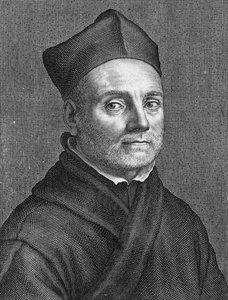
the reverend athanasius kircher sj
1602 - 1680 , Alemania
Datos clave
- Fecha De Fallecimiento: 27 de noviembre de 1680
- Fecha De Nacimiento: 2 de mayo de 1602
- Lugar De Nacimiento: Geisa, Alemania
- Movimiento Artístico: Polímata del Renacimiento
- Nacionalidad: Alemán
- Nombre Completo: Atanasio Kircher
- Obras Notables:
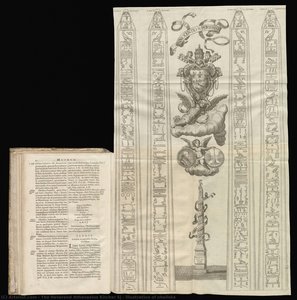
- Ilustración obeliscos
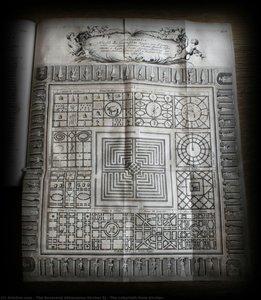
- El Laberinto Kircher
- Reloj de girasol
Artículos relacionados
Los 10 Grabados Legendarios que Transformaron la Historia del Arte | ArtsDot
Descubre los 10 grabados legendarios de Dürer, Rembrandt y Goya que revolucionaron el arte. Explora la historia, técnicas y belleza atemporal de estas obras maestras. Reproducciones de alta calidad en ArtsDot.com para decorar tu hogar con arte clásico.

Decoding Baroque Grandeur: A Guide to the Drama and Emotion of 17th-Century Art
Explore the breathtaking drama of 17th-century Baroque art. Our expert guide decodes the use of chiaroscuro, emotional intensity, and historical grandeur to help you appreciate and curate timeless masterpieces for your collection.
Engraving: A Historical Survey of Technique, Artistic Expression & Enduring Legacy
Explore the rich history of engraving with ArtsDot. Discover techniques, iconic artists like Dürer & Callot, collecting tips, and expert guidance for preserving your art investment. Learn about intaglio printing & more!

Baroque Classicism: Reconciling Drama & Order in 17th-Century Art
Explore the captivating world of Baroque Classicism! Discover its history, key artists like Caravaggio & Rubens, and defining characteristics. Expert insights & high-quality reproductions at ArtsDot.

The Dramatic Flourish: Exploring the Baroque Movement's Enduring Legacy in Art History
Explore the dramatic world of Baroque art! Discover iconic artists like Caravaggio & Rubens, defining techniques, and its lasting impact on art history. Expert insights for collectors & enthusiasts at ArtsDot.

