

 Ver en contexto
 Enviar
 Compartir
 Detalles

 Descargar
 Similares
 Radiografía
 Presentación de diapositivas
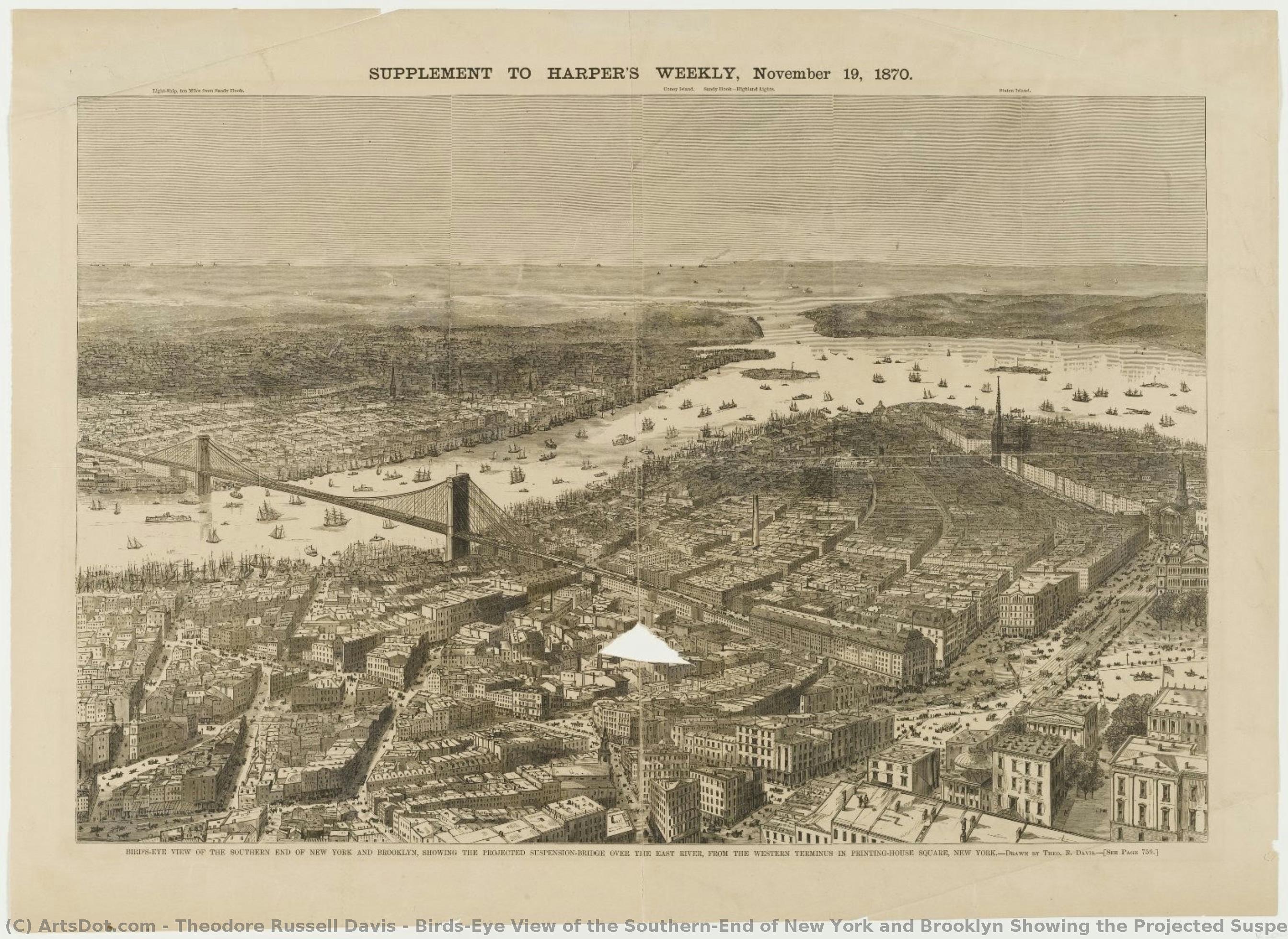
Birds-Eye View of the Southern-End of New York and Brooklyn Showing the Projected Suspension-Bridge Over the East River from the Western Terminus in Printing House Square, New York


 Ver más
Adquiera una imagen digital de alta resolución y optimizada, muy superior a la vista previa en línea.
Cada archivo es preparado meticulosamente por nuestros especialistas internos mediante el uso de herramientas avanzadas y un experto retoque manual. Nos aseguramos de que cada imagen posea una claridad excepcional, una precisión cromática impecable y un detalle minucioso.
El archivo final se entrega por correo electrónico en un plazo de 72 horas, optimizado para su uso inmediato en entornos profesionales, editoriales y de impresión. Esta es la misma calidad en la que confían los estudios de diseño, las editoriales y las galerías de primer nivel.
Imagen Digital
Descarga un archivo de alta resolución para exhibición personal, impresión y proyectos creativos. ( Comprar impresión Comprar pintura hecha a mano)
Incluido en cada pedido de imágenes digitales
Entrega digital experta, garantizada.
Al elegir ArtsDot.com, no solo está adquiriendo una imagen; está recibiendo una obra de arte digital mejorada profesionalmente, elaborada con precisión y respaldada por una garantía de satisfacción. Esto es todo lo que incluye su pedido, automáticamente:

Entrega rápida por email
Recibirá su archivo de imagen digital en alta resolución por correo electrónico en un plazo de 72 horas tras realizar su pedido, listo para su uso inmediato.

Archivo digital optimizado por IA
Su obra de arte se optimiza profesionalmente mediante herramientas avanzadas de IA y edición manual, garantizando el máximo detalle, claridad y precisión cromática.

Reenvío gratuito de por vida
¿Has borrado o perdido tu archivo por error? No te preocupes: te lo volveremos a enviar en cualquier momento, sin coste adicional.

Sin gastos de importación, siempre
Disfrute de su obra de arte al instante sin aduanas, aranceles ni gastos de envío; las descargas digitales siempre están libres de impuestos.

Garantía de fidelidad de color
Garantizamos que su imagen digital refleje los colores originales con la mayor fidelidad posible, mediante el uso de herramientas profesionales y gestión del color.

Garantía de satisfacción de 100 días
Si no está satisfecho con su imagen digital, la revisaremos o le reembolsaremos el 100% en un plazo de 100 días, sin preguntas.

100% Garantía de devolución de dinero
¿No está satisfecho? Obtenga un reembolso completo dentro de los 100 días posteriores a la recepción de su archivo digital, sin preguntas.

Descuentos por pedidos grandes
Compra 3 imágenes, ahorra 10% - Compra 5, ahorra 15% - Compra 10+, ahorra 20%. Ideal para proyectos creativos, galerías y agencias.
A Frozen Moment in Progress: Theodore Russell Davis’s “Birds-Eye View of New York”
Theodore Russell Davis's "Birds-Eye View of the Southern-End of New York and Brooklyn Showing the Projected Suspension-Bridge Over the East River from the Western Terminus in Printing House Square, New York," painted in 1870, isn’t merely a cityscape; it’s a meticulously captured slice of ambition and nascent modernity. More than just a depiction of a burgeoning metropolis, this black and white engraving offers a poignant glimpse into a pivotal moment – the very cusp of New York City's transformation from a largely low-rise collection of buildings to the towering skyline we recognize today. Davis’s work transcends simple documentation; it embodies the optimism and engineering marvel that defined the late 19th century, a time when the promise of rapid advancement seemed boundless.
The scene unfolds with remarkable detail, rendered in a style firmly rooted in the Beaux-Arts tradition – an aesthetic characterized by its emphasis on classical forms, precise lines, and a commitment to academic accuracy. Yet, Davis’s skill lies not just in replicating reality but in imbuing it with a sense of dynamism. The composition is carefully balanced, drawing the eye across the canvas from the densely packed buildings of Printing House Square – the heart of New York's publishing industry – towards the distant, almost ethereal outline of the Brooklyn Bridge. The artist’s use of shading and perspective creates an illusion of depth, making the viewer feel as though they are standing on a rooftop overlooking this vibrant urban landscape.
A City in Transition: The Context of 1870
To truly appreciate “Birds-Eye View,” one must understand the historical context surrounding its creation. New York City in 1870 was experiencing an unprecedented surge in population and economic growth, fueled by waves of immigration and industrial innovation. The city’s infrastructure was struggling to keep pace with this rapid expansion, leading to a chaotic mix of horse-drawn carriages, pedestrians, and burgeoning waterways. The construction of the Brooklyn Bridge, a monumental engineering feat spearheaded by John A. Roebling, represented a bold declaration of progress – a symbol of connectivity and technological prowess that would fundamentally alter the city’s spatial relationships.
Davis's decision to focus on this specific vantage point—Printing House Square—is significant. This area was the epicenter of New York’s publishing industry, home to numerous newspapers and printing firms. The engraving subtly reflects the importance of this sector, with the prominent buildings representing the heart of the city’s communication network. The inclusion of boats in the East River further emphasizes the vital role of waterways in facilitating trade and transportation – a crucial element of New York's economic vitality.
Symbolism and the Promise of the Future
Beyond its documentary value, “Birds-Eye View” is rich in symbolism. The projected suspension bridge itself represents more than just a physical structure; it embodies the spirit of innovation and the belief in limitless possibilities. The bridge’s elegant arc cuts diagonally across the composition, creating a visual pathway that connects the bustling city center with the distant shores of Brooklyn. This gesture suggests a future of seamless connectivity and expanded horizons – a vision of New York as a dynamic, interconnected metropolis.
Furthermore, the numerous figures depicted in the streets below—pedestrians, horse-drawn carriages, and street vendors—represent the vibrant pulse of urban life. Davis captures not just the physical landscape but also the social fabric of the city, conveying a sense of energy and activity that is both captivating and slightly overwhelming. The scene feels poised on the brink of something new, a moment of transition between the familiar and the unknown.
A Timeless Masterpiece: Reproduction and Legacy
Today, “Birds-Eye View” stands as a remarkable testament to Theodore Russell Davis’s artistic skill and his keen eye for capturing pivotal moments in American history. Hand-painted reproductions offer an exceptional opportunity to bring this iconic image into your home or office, allowing you to appreciate its intricate details and evocative atmosphere. Whether displayed as a statement piece in a contemporary interior or studied alongside historical documents, this engraving continues to resonate with viewers today, reminding us of New York City’s remarkable journey from a humble settlement to the global powerhouse it is known to be.
Obras relacionadas
Biografía del artista
Theodore Russell Davis: Testigo de la Historia a través de la Observación Detallada
Theodore Russell Davis (1840-1894) se erige como una figura extraordinaria en la historia del arte estadounidense, reconocido primordialmente por su capacidad inigualable para capturar momentos cruciales de la era de la Guerra Civil y sus secuelas inmediatas. Nacido en el seno de la prominente familia Brahmin de Boston —un linaje impregnado de tradición y rigor intelectual—, Davis poseía una fascinación innata por la representación visual desde una edad temprana. Su crianza le inculcó un profundo aprecio por el detalle meticuloso y la maestría artística, cualidades que se convertirían en los sellos distintivo de su obra. Esta base de disciplina le permitió abordar el lienzo no solo como un creador de belleza, sino como un cronista de la verdad.
Davis emprendió una formación artística formal, perfeccionando sus habilidades mediante el estudio diligente y la experimentación. Adoptó el estilo Beaux Arts predominante en su época, caracterizado por la precisión académica y los ideales clásicos. Esta influencia estilística es evidente en muchos de sus paisajes y representaciones arquitectónicas, demostrando un compromiso con el dominio de las técnicas establecidas. Sin embargo, el verdadero genio de Davis no residía simplemente en replicar las convenciones artísticas, sino en transformarlas en poderosos instrumentos para transmitir la verdad histórica. Su obra a menudo tendió un puente entre las bellas artes y la documentación periodística, proporcionando una ventana hacia una nación fracturada.
Un Legado de Observación Presencial
La fama de Davis descansa casi por completo sobre su extraordinaria serie de dibujos que documentan la Guerra Civil estadounidense. A diferencia de muchos artistas de su generación que idealizaban el conflicto o se centraban en narrativas heroicas, Davis abordó la guerra con la mirada de un científico: una dedicación a la observación precisa y al registro meticuloso. Viajó incansablemente junto a los ejércías de la Unión, esbozando escenas de campamentos, batallas y la vida cotidiana, produciendo imágenes notablemente detalladas y emocionalmente resonantes. Su trabajo sirve como una fuente primaria vital para los historiadores que buscan comprender la realidad visceral de la guerra en el siglo XIX.
Su obra maestra, “The Army of the Potomac – A Sharp Shooter on Picket Duty”, ejemplifica este enfoque a la perfección. Ejecutado con una precisión asombrosa, el dibujo captura no solo el entorno físico, sino también la tensión psicológica inherente a la experiencia del soldado. A través de su lente, podemos contemplar:
- El elemento humano: Los momentos silenciosos y a menudo agotadores de la vida de la infantería que suelen omitirse en las pinturas históricas más grandiosas.
- Precisión topográfica: Un paisaje plasmado con tal fidelidad que sirve como un mapa de los terrenos más disputados de la época.
- Tensión atmosférica: El uso de la luz y la sombra para transmitir la incertidumbre y el pavor del campo de batalla.
Significado Histórico e Impacto Artístico
La trascendencia de Theodore Russell Davis reside en su negativa a apartar la mirada de la verdad cruda y sin adornos de su era. Mientras que sus contemporáneos podrían haber buscado crear leyendas romantizadas del espíritu estadounidense, Davis buscó documentar la mecánica real de la historia. Su capacidad para combinar el rigor técnico de la tradición Beaux Arts con la urgente necesidad del reportaje bélico creó un nicho único en el arte estadounidense. Él no se limitó a pintar escenas; preservó momentos que se estaban desvaneciendo rápidamente en la niebla de la guerra.
Hoy en día, sus contribuciones son reconocidas como componentes esenciales del registro histórico de los Estados Unidos. Sus meticulosos bocetos y dibujos ofrecen una profunda sensación de presencia, permitiendo que los espectadores modernos se sitúen junto a los soldados de la década de 1860. Mediante su mano disciplinada y su ojo observador, Davis aseguró que las complejidades, las penurias y las tragedias silenciosas de la era de la Guerra Civil permanecieran grabadas en la memoria visual del mundo.

Theodore Russell Davis
1840 - 1894 , Estados Unidos
Breves datos
- Artistic Movement Or Style: Eyewitness art
- Date Of Birth: 1840
- Full Name: Theodore Russell Davis
- Nationality: Americano
- Notable Artworks:
- Army of the Potomac–A Sharp Shooter on Picket Duty
- Birds-Eye View of New York
- Place Of Birth: Boston, Estados Unidos