 Vista previa
 Compartir
 Compartir
 Ver detalles

 Descargar
 Ver similares
 Radiografía
 Presentación de diapositivas
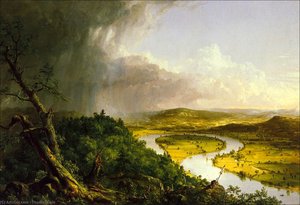
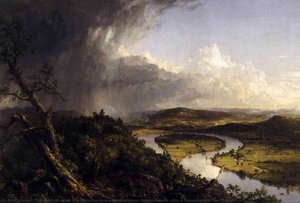
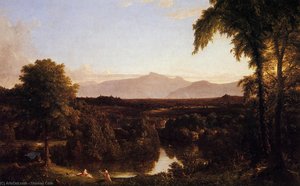
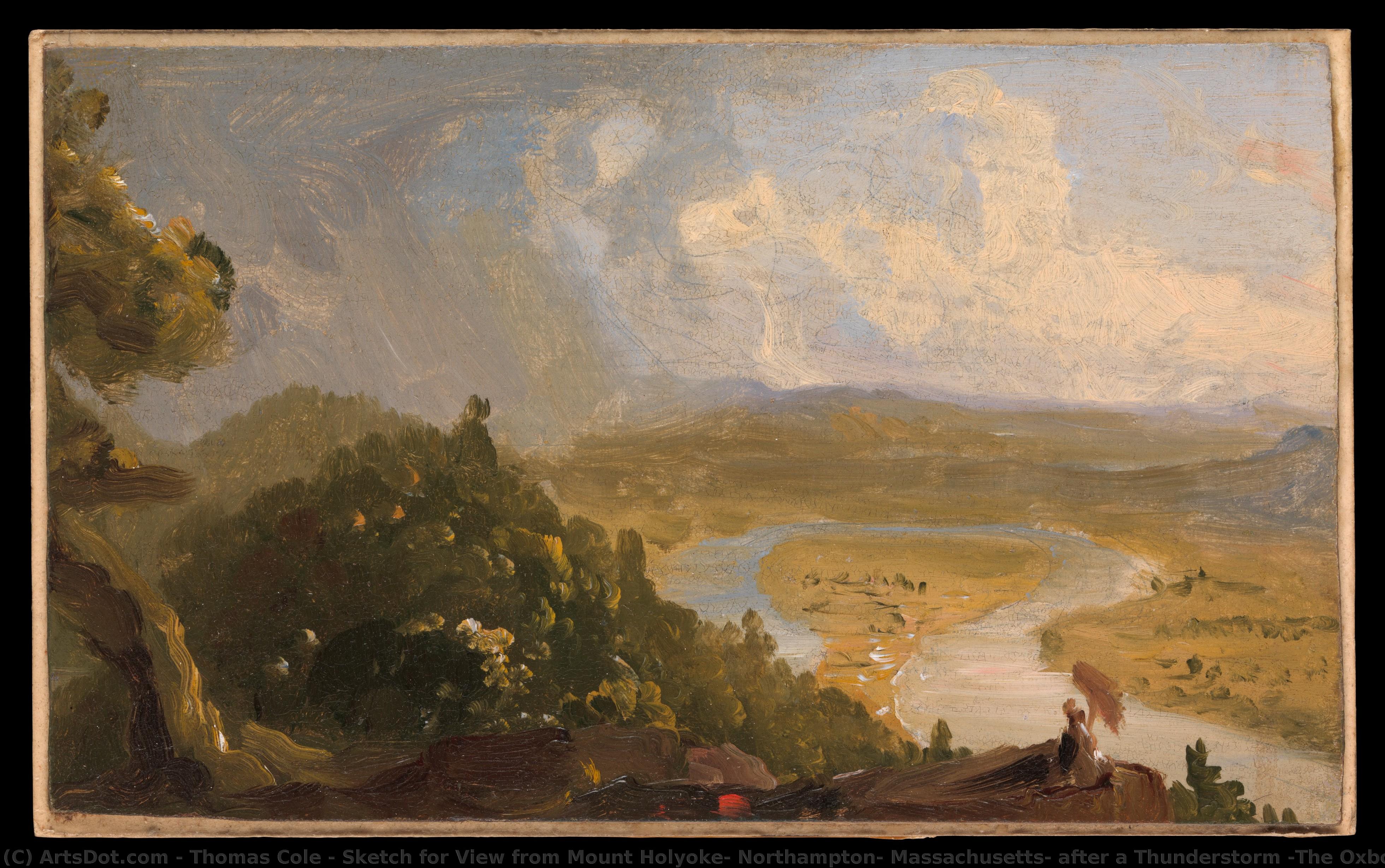
Sketch for View from Mount Holyoke, Northampton, Massachusetts, after a Thunderstorm (The Oxbow)


 Leer más
Reproducción al óleo hecha a mano
Óleo sobre lienzo pintado a mano en el tamaño y marco de su elección, realizado por encargo por nuestros artistas. ( Pedir impresión Comprar descarga)




































Elija entre nuestros tamaños predefinidos que respetan las proporciones originales de la obra.

Puede ingresar sus propias dimensiones para adaptarse a un marco o espacio específico. Si el tamaño seleccionado no coincide con las proporciones de la imagen original, recortaremos la obra o extenderemos la pintura con elementos adicionales pintados a mano. Se le enviará una maqueta digital para su aprobación antes de comenzar la producción.
Tenga en cuenta que la vista previa en pantalla no refleja el recorte o la extensión reales. Solo la maqueta mostrará con precisión la composición final.
Si bien existen tamaños personalizados, recomendamos seleccionar una dimensión de la lista predefinida para preservar las proporciones originales.
Tras realizar el pedido, el equipo de ArtsDot.com enviará un correo electrónico al cliente para solicitar instrucciones y proporcionarle una vista previa del boceto.
Envío a todo el mundo () en 3-4 semanas en lugar de las 5 semanas estándar. (19 agosto). Sin comprometer la calidad.

Envío exprés gratuito a todo el mundo

Lienzo de lino de alta calidad

Seguro de envío completo

Garantía de reembolso de aranceles aduaneros

Garantía de fidelidad cromática exacta

Política de devolución de 60 días (solo por defectos)

Garantía de devolución del 100% del dinero

Oferta por volumen
 La opción de vidrio solo está disponible en tamaños inferiores a 110 cm.

Sketch for View from Mount Holyoke, Northampton, Massachusetts, after a Thunderstorm (The Oxbow)
Técnica de reproducción
Tamaño de la reproducción
-


Precio total
$ 263
Descripción de la obra
The Oxbow: A Vision of Sublime Landscape
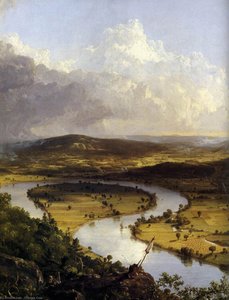
Thomas Cole’s “The Oxbow,” completed in 1836, stands as an emblem of the Romantic movement's fascination with untamed nature and its profound influence on American art. More than just a picturesque depiction of the Hudson River Valley after a thunderstorm, it embodies a philosophical quest for spiritual understanding within the grandeur of the natural world—a quest that cemented Cole’s legacy as the father of American landscape painting. The scene itself is deceptively simple: a serpentine river winds through a valley dominated by towering mountains capped with snow. Yet, Cole masterfully captures not merely what the eye sees but what the soul perceives – an experience he termed “sublime.” This concept, championed by Edmund Burke and Coleridge, posits that confronting overwhelming beauty can inspire terror mingled with awe, prompting contemplation of humanity’s place within the cosmos. The artist meticulously observed the landscape firsthand, sketching on location using pencil before transferring his impressions to oil paint in his studio. This dual approach—direct observation combined with artistic refinement—became a hallmark of Cole's method and mirrored the broader Romantic preoccupation with empirical study alongside imaginative interpretation. Cole’s technique is characterized by loose brushstrokes that prioritize atmospheric perspective over precise detail. Thick impasto – heavily textured paint – dominates the mountain peaks, conveying their solidity and imposing presence. Conversely, the river valley is rendered with softer strokes, capturing the misty haze characteristic of post-storm weather. The color palette leans towards muted tones—greens, browns, grays—reflecting the subdued hues of a landscape recovering from meteorological upheaval. However, Cole skillfully employs highlights to illuminate the clouds and accentuate the drama of the scene, creating a dynamic interplay between light and shadow that enhances the emotional impact. Historically, “The Oxbow” arrived at a pivotal moment in American cultural history. Following the War of 1812, the nation wrestled with questions of identity and purpose as it sought to define itself apart from European traditions. Cole’s painting tapped into this yearning for transcendence, presenting nature not merely as an object of aesthetic pleasure but as a conduit to spiritual enlightenment. It resonated powerfully with transcendentalist thinkers like Ralph Waldo Emerson and Henry David Thoreau, who saw in the landscape a reflection of God's presence and an invitation to moral contemplation. Symbolically, “The Oxbow” speaks volumes about Cole’s artistic vision. The oxbow—a crescent-shaped bend in the Hudson River—represents both the passage of time and the cyclical renewal of life. Its jagged edges symbolize the challenges faced by humanity, while its serene waters embody tranquility and spiritual harmony. Cole's deliberate composition directs the viewer's gaze upwards towards the heavens, reinforcing the painting’s overarching theme of divine majesty. Ultimately, “The Oxbow” transcends mere representation; it aspires to evoke emotion and inspire contemplation. Its enduring appeal lies in its ability to capture the sublime beauty of nature—a beauty that confronts us with our own insignificance yet simultaneously affirms our connection to something larger than ourselves. It remains a testament to Cole’s genius as an artist and a prophet of American Romanticism, continuing to captivate audiences today with its evocative atmosphere and profound philosophical implications.Obras relacionadas
Biografía del artista
Primeros años y carrera
Thomas Cole, un artista de origen británico-estadounidense, nació el 1 de febrero de 1801 en Bolton le Moors, Lancashire. En 1818, emigró con su familia a los Estados Unidos, estableciéndose en Steubenville, Ohio. A la edad de 22 años, Cole se mudó a Filadelfia y posteriormente, en 1825, a Catskill, Nueva York, donde vivió con su esposa e hijos hasta 1847.Estilo artístico e influencias
El trabajo de Cole se caracteriza por su representación romántica del paisaje salvaje americano. Fue en gran medida autodidacta como pintor, basándose en libros y estudiando la obra de otros artistas. En 1822, comenzó a trabajar como retratista y luego cambió su enfoque hacia el paisaje. Sus pinturas a menudo presentaban la Catskill Mountain House, las famosas Kaaterskill Falls y dos vistas de Cold Spring.Obras destacadas
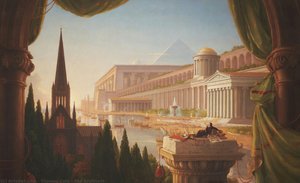
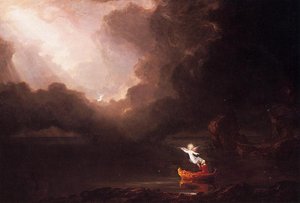
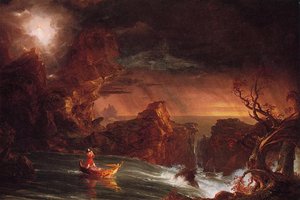
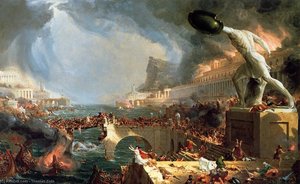
- El curso del imperio, una serie de cinco pinturas creadas por Cole entre 1833 y 1836, es notable por reflejar los sentimientos populares americanos de la época.
- Una vista desde el monte Etna desde Taormina (78x120 pulgadas de óleo sobre lienzo) muestra la fascinación de Cole por el volcán activo más alto de Europa.
- El Oxbow (1836), que presenta un paisaje sereno, es otro ejemplo de la maestría de Cole en la pintura de paisajes.
Legado e influencia
La influencia de Cole en el arte americano es profunda. Es considerado como el fundador de la Escuela del Río Hudson, un movimiento artístico estadounidense a mediados del siglo XIX que surgió en el valle del río Hudson de Nueva York. Su trabajo ha inspirado a generaciones de artistas, incluyendo a Asher B. Durand y Frederic Edwin Church. Lecturas recomendadas: * La Escuela del Río Hudson * Thomas Cole en Wikipedia Vea más obras de Thomas Cole: Frederic Edwin Church’s Schoodic Peninsula from Mount Desert at Sunrise (para comparar con el estilo de Cole) Winslow Homer's Canoes in Rapids, Saguenay River (ejemplo de otro pintor paisajista americano)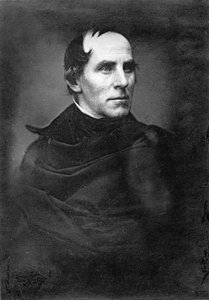
Thomas Cole
1801 - 1848 , Reino Unido
Datos clave
- Artistas Que Influyeron: ['Otros artistas (auto-didacta)']
- Estilo Artístico: Romanticismo, Hudson River School
- Fecha De Fallecimiento: 1848
- Fecha De Nacimiento: 1 de febrero de 1801
- Influenciado A:
- Asher B. Durand
- Frederic Edwin Church
- Lugar De Nacimiento: Bolton, Reino Unido
- Nacionalidad: Británico-estadounidense
- Nombre Completo: Thomas Cole
- Obras Notables:
- El Curso del Imperio
- Una Vista desde el Etna
- El Oxbow
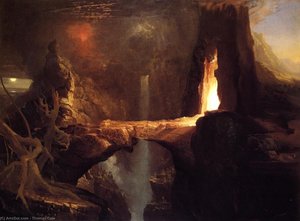
- Expulsión. Luna y Fogata
Artículos relacionados
Los 10 Maestros del Río Hudson: Obras que Definieron un Movimiento Artístico
Descubre los 10 lienzos más emblemáticos de la Escuela del Río Hudson. Explora las obras maestras de Thomas Cole, Church y Bierstadt que capturan la belleza del paisaje americano. Encuentra reproducciones de arte exclusivas en ArtsDot.com.

El Sublime Paisaje Americano: Explorando el Movimiento de la Escuela del Río Hudson
Descubre la Escuela del Río Hudson: un movimiento artístico clave en la historia de la pintura estadounidense. Explora su estética romántica, sus artistas más destacados y el concepto del sublime paisaje americano.

Robert Spencer: Luminism, Narrative & the American Landscape Tradition
Explore the captivating world of Luminism & the Hudson River School with our expert analysis. Discover the history, artists, and enduring beauty of 19th-century American landscape painting. Find museum-quality reproductions at ArtsDot.
Thomas Worthington Whittredge: Capturing the American Pastoral Ideal with Luminist Light
Explore the luminous landscapes of Thomas Worthington Whittredge, a key figure in the Hudson River School and master of Luminism. Discover his captivating paintings & legacy with ArtsDot.
Asher Brown Durand: Luminism, Landscape & the American Ideal – A Comprehensive Exploration
Explore the life & art of Asher Brown Durand, a founding member of the Hudson River School. Discover his masterful landscapes, Luminist techniques, and lasting impact on American painting. Learn about key works like 'Kindred Spirits' & collecting Durand today.