 Ver en contexto
 Enviar
 Compartir
 Detalles

 Descargar
 Similares
 Radiografía
 Presentación de diapositivas
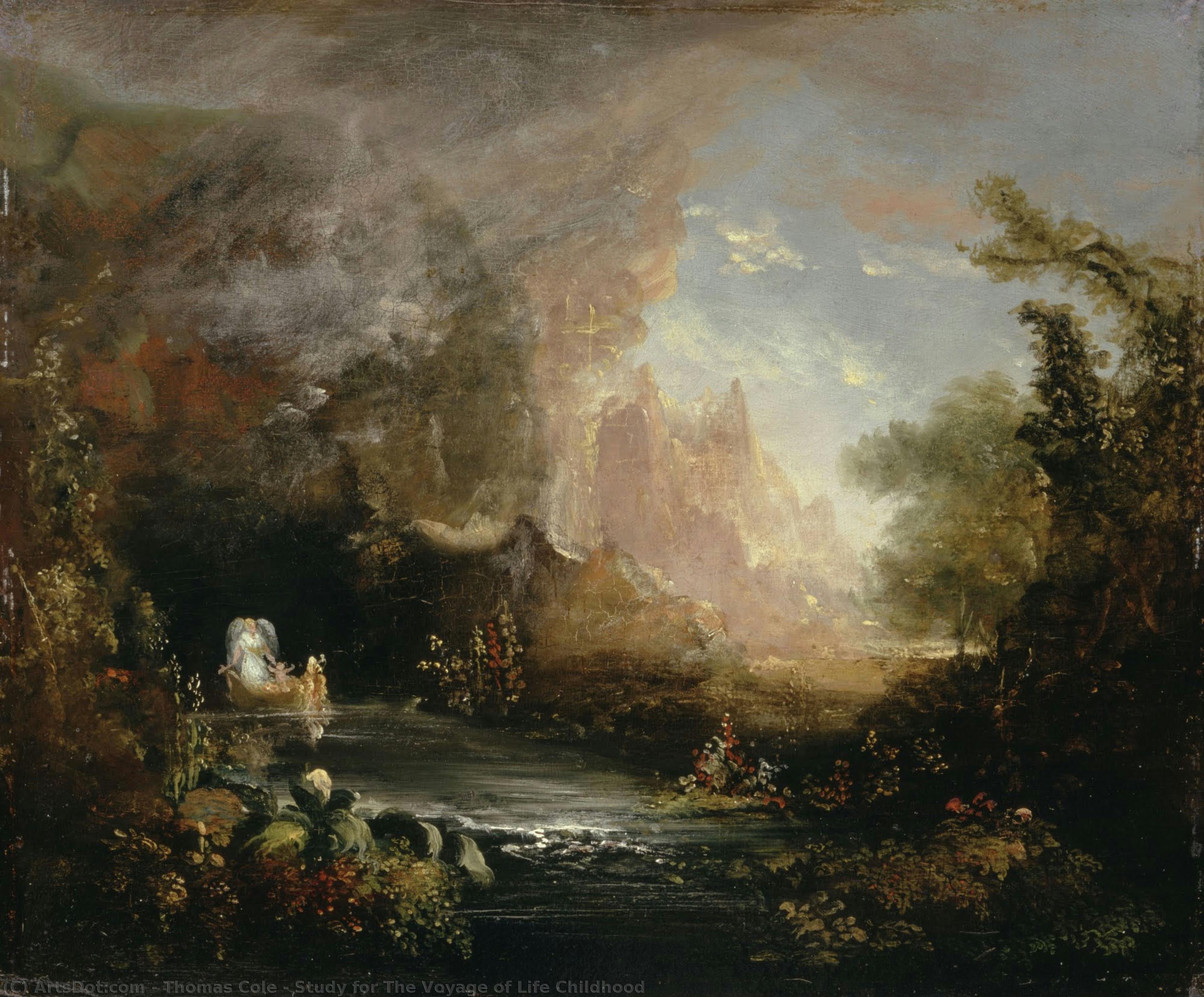
Study for The Voyage of Life Childhood


 Ver más
Reproducción al óleo hecha a mano
Óleo sobre lienzo pintado a mano en el tamaño y marco de su elección, realizado por encargo por nuestros artistas. ( Comprar impresión Comprar imagen)




P118B $10

P118H $10

P118W $10

P438Z $10

P508JH $12

P508YH $12

P805H $10

P805Z $10

P919BZ $10

P919G $10

P919XJ $10

P959ZH $10

P968JZ $12

W106C $8

W218G $10

W218JH $8

W218Y $10

W307PJ $10

W316G $10

W316PJ $8

W316Y $10

W398PJ $8

W4111J $10

W500HY $15

W500JH $15

W692G $12

W849H $8

W940BG $15

W953PJ $8




Elija entre nuestros tamaños predefinidos que respetan las proporciones originales de la obra.

Puede ingresar sus propias dimensiones para adaptarse a un marco o espacio específico. Si el tamaño seleccionado no coincide con las proporciones de la imagen original, recortaremos la obra o extenderemos la pintura con elementos adicionales pintados a mano. Se le enviará una maqueta digital para su aprobación antes de comenzar la producción.
Tenga en cuenta que la vista previa en pantalla no refleja el recorte o la extensión reales. Solo la maqueta mostrará con precisión la composición final.
Si bien existen tamaños personalizados, recomendamos seleccionar una dimensión de la lista predefinida para preservar las proporciones originales.
Tras realizar el pedido, el equipo de ArtsDot.com enviará un correo electrónico al cliente para solicitar instrucciones y proporcionarle una vista previa del boceto.
Envío a todo el mundo () en 3-4 semanas en lugar de las 5 semanas estándar. (2 septiembre). Sin comprometer la calidad.

Envío exprés gratuito a todo el mundo

Lienzo de lino de alta calidad

Seguro de envío total

Garantía de reembolso de impuestos aduaneros

Garantía de fidelidad cromática exacta

Política de devolución de 60 días (solo por defectos)

Garantía de devolución del 100% del dinero

Descuento por cantidad
 La opción de vidrio solo está disponible en tamaños inferiores a 110 cm.

Study for The Voyage of Life Childhood
Técnica de reproducción
Dimensiones de la reproducción
-


Precio total final
$ 263
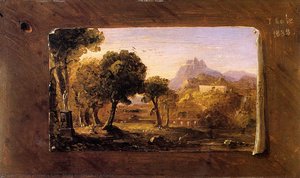
A Journey Through Time and the Human Spirit: Exploring Thomas Cole’s “Study for The Voyage of Life Childhood”
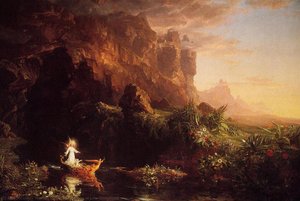
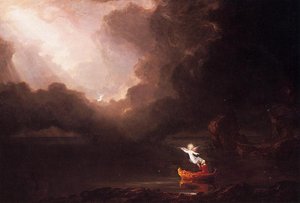
Thomas Cole's "Study for The Voyage of Life Childhood," a remarkably intimate oil sketch, offers a poignant glimpse into the genesis of one of America’s most celebrated landscape series. More than just a preparatory drawing, it embodies the artist’s profound philosophical engagement with themes of mortality, innocence, and the cyclical nature of existence – concepts central to his ambitious “Voyage of Life” project. The painting itself, part of a larger four-part narrative, depicts a young boy standing beside a gently flowing stream, surrounded by the quiet beauty of a nascent wilderness. Notice immediately the deliberate restraint in Cole’s brushwork; it's not a finished product, but rather a carefully considered exploration of composition and mood – a vital stage in bringing his grand vision to life.
Cole’s style here is distinctly Hudson River School, yet subtly differentiated. He eschews the overtly dramatic lighting favored by some contemporaries, opting instead for a softer, more contemplative illumination that emphasizes the scene's inherent serenity. The palette is muted and earthy – browns, greens, and blues—reflecting the natural world while simultaneously hinting at the mysteries of childhood and the passage of time. The boy’s posture, slightly turned towards the viewer, invites us into his world, fostering a sense of quiet contemplation and shared experience.
Symbolism and Allegory: Unpacking the Narrative
“Study for The Voyage of Life Childhood” is deeply rooted in allegorical thought. Cole conceived the entire series as a meditation on human existence, charting the stages from infancy to old age—a journey through life’s triumphs and tribulations. This particular sketch represents the initial stage: childhood, depicted as a source of innocence, potential, and connection with nature. The stream itself is a potent symbol – representing the flow of time and the continuous cycle of birth, growth, and decay. The boy's position beside it suggests a nascent understanding of this flow, a recognition that life’s journey begins here, in the quiet contemplation of the natural world.
Further reinforcing this symbolism is the inclusion of subtle details: the rocks surrounding the stream, reminiscent of the foundations upon which all things are built; the distant hills, representing the challenges and uncertainties that lie ahead. The angel, a barely perceptible presence, embodies guidance and protection—a reminder that even in the earliest stages of life, we are not alone on our journey.
Technique and Process: A Window into Cole’s Studio
Examining the sketch closely reveals Cole's meticulous approach to his work. The loose, expressive brushstrokes demonstrate a rapid exploration of composition—a crucial step in developing his larger paintings. Notice how he uses tonal variations to create depth and atmosphere, subtly suggesting the texture of the rocks and the movement of the water. The drawing is executed on a wood panel, a common medium for Cole’s landscapes, allowing him to achieve both durability and responsiveness to his artistic vision.
The sketch's intimacy offers a rare opportunity to witness the artist at work—to understand the iterative process by which he transformed initial ideas into fully realized masterpieces. It is a testament to Cole’s dedication to observation, his profound understanding of light and shadow, and his ability to imbue even the simplest scenes with layers of meaning.
A Legacy of Romantic Vision: Reproductions and Beyond
“Study for The Voyage of Life Childhood” stands as a cornerstone of American art history—a powerful expression of romantic ideals and a profound meditation on the human condition. Today, high-quality reproductions capture the essence of this remarkable sketch, allowing viewers to experience its beauty and symbolism firsthand. Whether adorning a study or gracing a grand salon, a reproduction of Cole’s “Study for The Voyage of Life Childhood” serves as a constant reminder of the enduring power of art to inspire contemplation, evoke emotion, and connect us to something larger than ourselves.
Obras relacionadas
Biografía del artista
Primeros años y carrera
Thomas Cole, un artista de origen británico-estadounidense, nació el 1 de febrero de 1801 en Bolton le Moors, Lancashire. En 1818, emigró con su familia a los Estados Unidos, estableciéndose en Steubenville, Ohio. A la edad de 22 años, Cole se mudó a Filadelfia y posteriormente, en 1825, a Catskill, Nueva York, donde vivió con su esposa e hijos hasta 1847.Estilo artístico e influencias
El trabajo de Cole se caracteriza por su representación romántica del paisaje salvaje americano. Fue en gran medida autodidacta como pintor, basándose en libros y estudiando la obra de otros artistas. En 1822, comenzó a trabajar como retratista y luego cambió su enfoque hacia el paisaje. Sus pinturas a menudo presentaban la Catskill Mountain House, las famosas Kaaterskill Falls y dos vistas de Cold Spring.Obras destacadas
- El curso del imperio, una serie de cinco pinturas creadas por Cole entre 1833 y 1836, es notable por reflejar los sentimientos populares americanos de la época.
- Una vista desde el monte Etna desde Taormina (78x120 pulgadas de óleo sobre lienzo) muestra la fascinación de Cole por el volcán activo más alto de Europa.
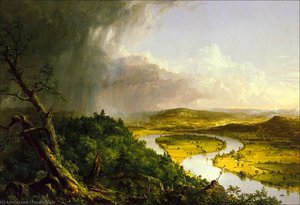
- El Oxbow (1836), que presenta un paisaje sereno, es otro ejemplo de la maestría de Cole en la pintura de paisajes.
Legado e influencia
La influencia de Cole en el arte americano es profunda. Es considerado como el fundador de la Escuela del Río Hudson, un movimiento artístico estadounidense a mediados del siglo XIX que surgió en el valle del río Hudson de Nueva York. Su trabajo ha inspirado a generaciones de artistas, incluyendo a Asher B. Durand y Frederic Edwin Church. Lecturas recomendadas: * La Escuela del Río Hudson * Thomas Cole en Wikipedia Vea más obras de Thomas Cole: Frederic Edwin Church’s Schoodic Peninsula from Mount Desert at Sunrise (para comparar con el estilo de Cole) Winslow Homer's Canoes in Rapids, Saguenay River (ejemplo de otro pintor paisajista americano)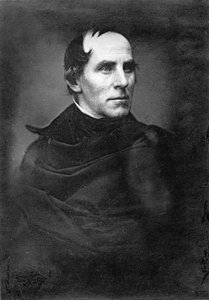
Thomas Cole
1801 - 1848 , Reino Unido
Datos clave
- Artistas Que Influyeron: ['Otros artistas (auto-didacta)']
- Estilo Artístico: Romanticismo, Hudson River School
- Fecha De Fallecimiento: 1848
- Fecha De Nacimiento: 1 de febrero de 1801
- Influenciado A:
- Asher B. Durand
- Frederic Edwin Church
- Lugar De Nacimiento: Bolton, Reino Unido
- Nacionalidad: Británico-estadounidense
- Nombre Completo: Thomas Cole
- Obras Notables:
- El Curso del Imperio
- Una Vista desde el Etna
- El Oxbow
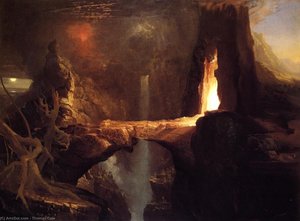
- Expulsión. Luna y Fogata
Artículos relacionados
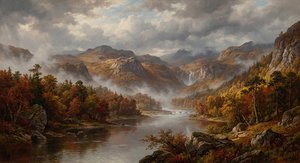
Los 10 Maestros del Río Hudson: Obras que Definieron un Movimiento Artístico
Descubre los 10 lienzos más emblemáticos de la Escuela del Río Hudson. Explora las obras maestras de Thomas Cole, Church y Bierstadt que capturan la belleza del paisaje americano. Encuentra reproducciones de arte exclusivas en ArtsDot.com.
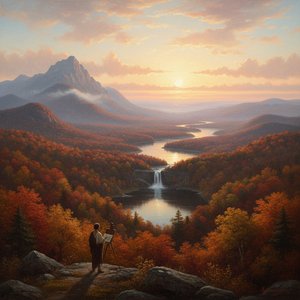
El Sublime Paisaje Americano: Explorando el Movimiento de la Escuela del Río Hudson
Descubre la Escuela del Río Hudson: un movimiento artístico clave en la historia de la pintura estadounidense. Explora su estética romántica, sus artistas más destacados y el concepto del sublime paisaje americano.
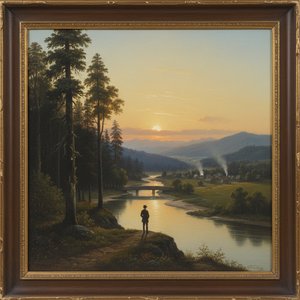
Robert Spencer: Luminism, Narrative & the American Landscape Tradition
Explore the captivating world of Luminism & the Hudson River School with our expert analysis. Discover the history, artists, and enduring beauty of 19th-century American landscape painting. Find museum-quality reproductions at ArtsDot.
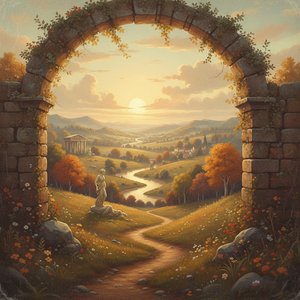
Echoes of Arcadia: Nostalgia & Transformation in Vintage Landscape Art
Explore the evocative world of vintage landscape art! Discover the history, artists & emotional power behind masterpieces from the Hudson River School & beyond. Expert insights for collectors & enthusiasts.
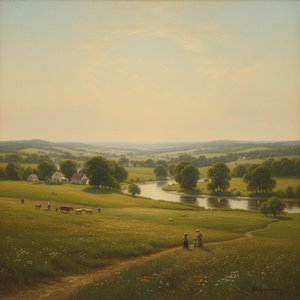
Thomas Worthington Whittredge: Capturing the American Pastoral Ideal with Luminist Light
Explore the luminous landscapes of Thomas Worthington Whittredge, a key figure in the Hudson River School and master of Luminism. Discover his captivating paintings & legacy with ArtsDot.