

 Ver en contexto
 Enviar
 Compartir
 Detalles

 Descargar
 Similares
 Radiografía
 Presentación de diapositivas
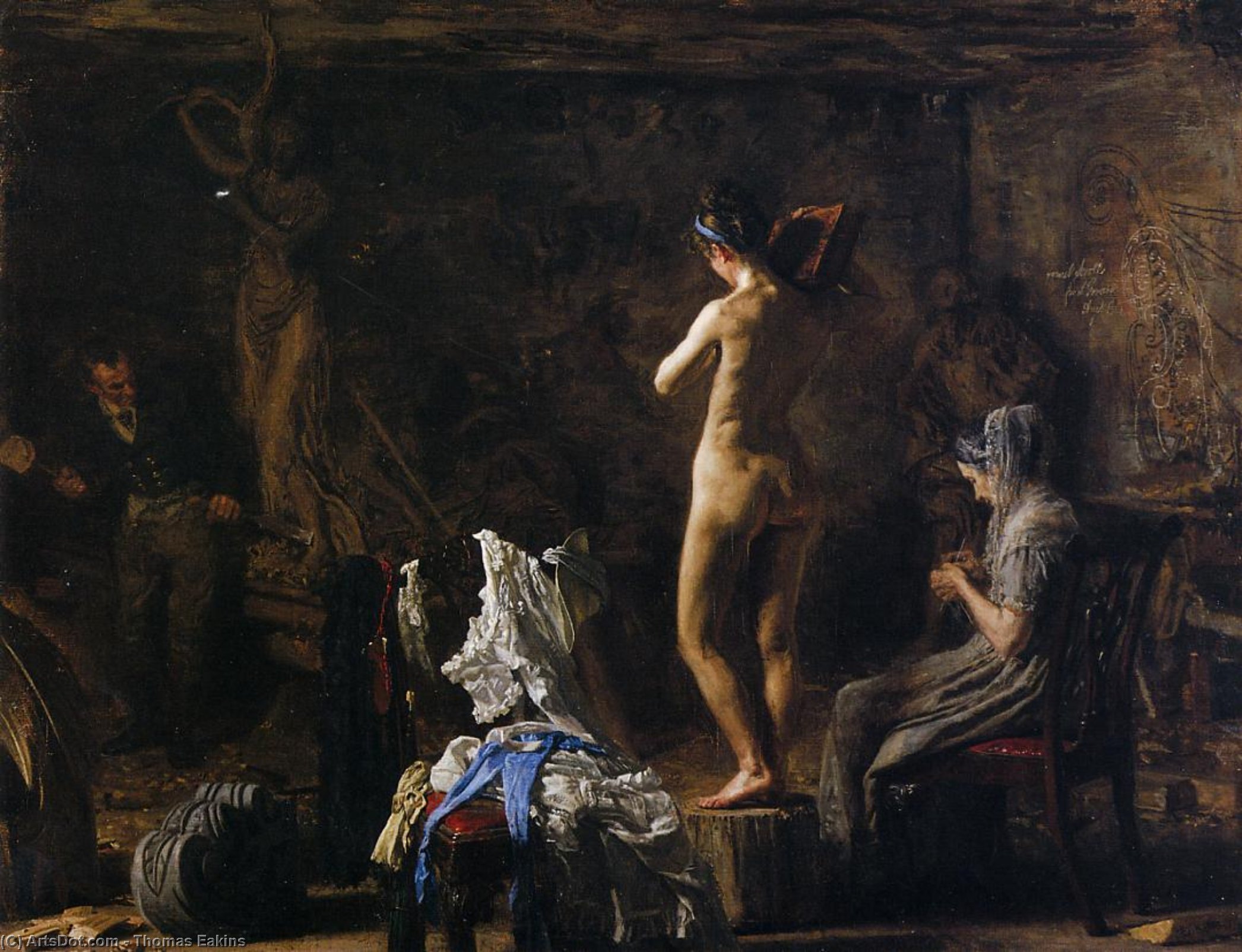
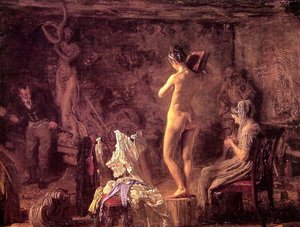
William Rush Carving His Allegorical Figure of the Schuykill River


 Ver más
Adquiera una imagen digital de alta resolución y optimizada, muy superior a la vista previa en línea.
Cada archivo es preparado meticulosamente por nuestros especialistas internos mediante el uso de herramientas avanzadas y un experto retoque manual. Nos aseguramos de que cada imagen posea una claridad excepcional, una precisión cromática impecable y un detalle minucioso.
El archivo final se entrega por correo electrónico en un plazo de 72 horas, optimizado para su uso inmediato en entornos profesionales, editoriales y de impresión. Esta es la misma calidad en la que confían los estudios de diseño, las editoriales y las galerías de primer nivel.
Imagen Digital
Descarga un archivo de alta resolución para exhibición personal, impresión y proyectos creativos. ( Comprar impresión Comprar pintura hecha a mano)
Incluido en cada pedido de imágenes digitales
Entrega digital experta, garantizada.
Al elegir ArtsDot.com, no solo está adquiriendo una imagen; está recibiendo una obra de arte digital mejorada profesionalmente, elaborada con precisión y respaldada por una garantía de satisfacción. Esto es todo lo que incluye su pedido, automáticamente:

Entrega rápida por email
Recibirá su archivo de imagen digital en alta resolución por correo electrónico en un plazo de 72 horas tras realizar su pedido, listo para su uso inmediato.

Archivo digital optimizado por IA
Su obra de arte se optimiza profesionalmente mediante herramientas avanzadas de IA y edición manual, garantizando el máximo detalle, claridad y precisión cromática.

Reenvío gratuito de por vida
¿Has borrado o perdido tu archivo por error? No te preocupes: te lo volveremos a enviar en cualquier momento, sin coste adicional.

Sin gastos de importación, siempre
Disfrute de su obra de arte al instante sin aduanas, aranceles ni gastos de envío; las descargas digitales siempre están libres de impuestos.

Garantía de fidelidad de color
Garantizamos que su imagen digital refleje los colores originales con la mayor fidelidad posible, mediante el uso de herramientas profesionales y gestión del color.

Garantía de satisfacción de 60 días
Si no está satisfecho con su imagen digital, la revisaremos o le reembolsaremos el 100% en un plazo de 60 días, sin preguntas.

100% Garantía de devolución de dinero
¿No está satisfecho? Obtenga un reembolso completo dentro de los 60 días posteriores a la recepción de su archivo digital, sin necesidad de explicaciones.

Descuentos por pedidos grandes
Compra 3 imágenes, ahorra 10% - Compra 5, ahorra 15% - Compra 10+, ahorra 20%. Ideal para proyectos creativos, galerías y agencias.
Descripción del coleccionable
A Study in Realism: Eakins’s Capturing of American Spirit
Thomas Eakins's "William Rush Carving His Allegorical Figure of the Schuylkill River" isn’t merely a depiction of an artist at work; it’s a meticulously crafted window into 19th-century Philadelphia, a city brimming with industry, intellectual fervor, and a burgeoning sense of American identity. Painted in 1876-77, this oil on canvas masterpiece transcends the simple act of sculpting to become a profound meditation on craft, observation, and the very essence of the American spirit. Eakins, renowned for his unflinching realism and his dedication to capturing the truth of human experience – often with a touch of provocative honesty – presents us with a scene both familiar and strikingly intimate.
The painting centers around William Rush, a prominent Philadelphia sculptor known for his monumental works adorning public spaces. Eakins doesn’t shy away from portraying Rush in the midst of his creative process, capturing him as he meticulously carves an allegorical figure representing the Schuylkill River – a vital artery supplying water to the city and symbolizing its lifeblood. The composition is remarkably balanced, drawing our eye immediately to Rush's focused expression and the intricate details of his work. Notice how Eakins masterfully employs chiaroscuro, using dramatic contrasts of light and shadow to sculpt the form of the sculpture itself and to highlight the figure of the sculptor, creating a powerful sense of depth and volume.
The Anatomy of Observation: Eakins’s Technique
Eakins's technical prowess is immediately apparent. He was obsessed with accuracy, demanding that his subjects be rendered with an almost scientific precision. This isn’t romanticized idealism; it’s a deliberate effort to dissect and understand the world around him. The painting showcases Eakins’s signature style: a meticulous attention to detail combined with a loose, expressive brushstroke. He doesn't simply paint what he sees; he paints *how* he sees it – capturing the texture of wood grain, the sheen of light on metal, and the subtle nuances of human expression. The use of color is restrained yet effective, allowing the forms and textures to dominate the scene.
Furthermore, Eakins’s choice of medium—oil on canvas—allowed him to build up layers of paint with incredible subtlety, creating a rich, tactile surface that invites close examination. He employed techniques borrowed from his studies in anatomy at Jefferson Medical College, applying principles of perspective and proportion with unwavering accuracy. The background figures, including a young woman observing the scene, are rendered with a similar level of detail, contributing to the overall sense of realism and immediacy.
Symbolism and Context: A Reflection of American Identity
Beyond its technical brilliance, "William Rush Carving His Allegorical Figure of the Schuylkill River" is deeply rooted in the cultural context of 19th-century America. The sculpture itself—representing the river—is a potent symbol of progress and prosperity, reflecting Philadelphia’s growing importance as a center of commerce and industry. Rush's work, like many American artists of his time, sought to establish a distinctly American artistic identity, moving away from European traditions and embracing themes relevant to their own society. The inclusion of the young woman observing Rush adds another layer of meaning, suggesting a dialogue between tradition and modernity, between established artistry and emerging female participation in the arts – a theme that was increasingly challenging societal norms.
Eakins’s decision to paint this scene in a studio setting—rather than on location—further underscores his commitment to capturing the essence of the subject rather than simply documenting its appearance. It's a deliberate act of artistic interpretation, inviting us to contemplate the process of creation and the relationship between artist, subject, and audience. The painting serves as a powerful reminder that art is not merely about representation; it’s about communication, observation, and ultimately, understanding.
Obras relacionadas

Biografía del artista
Una vida dedicada a capturar la realidad
Thomas Cowperthwait Eakins, pintor realista estadounidense, fotógrafo, escultor y educador en bellas artes, dejó una huella imborrable en el lienzo de la historia del arte americano. Nacido el 25 de julio de 1844 en Filadelfia, Pensilvania, su vida fue un testimonio de su inquebrantable dedicación a capturar la esencia de la realidad.Primeros años y educación
Los primeros años de Eakins estuvieron marcados por su agudo interés en el dibujo y las ciencias. Asistió a la escuela secundaria central y luego estudió en la Academia de Bellas Artes de Pensilvania, donde perfeccionó sus habilidades en dibujo y anatomía. Su tiempo en Europa, particularmente bajo la tutela de Jean-Léon Gérôme en París, influyó significativamente en su enfoque artístico.Una carrera definida por el realismo
La obra de Eakins se caracteriza por su implacable realismo, una característica que lo distinguía de sus contemporáneos. Sus retratos, que suman varios cientos, ofrecen una visión conmovedora del tejido intelectual y social de finales del siglo XIX y principios del XX en Filadelfia. Obras notables incluyen Max Schmitt en una Cesta de Remo Individual, que no solo muestra la maestría de Eakins para capturar el movimiento, sino también su profundo interés en la forma humana.Enseñanza y controversia
El período de Eakins como instructor en la Academia de Bellas Artes de Pensilvania se caracterizó tanto por la influencia como por la controversia. Su enfoque docente, que enfatizaba la importancia de estudiar la forma humana desde la vida, a menudo provocaba fricciones con sus colegas. Esto, junto con escándalos personales, truncó su éxito y dañó su reputación durante su vida.Legado
A pesar de los desafíos que enfrentó, Eakins es ahora celebrado como "el realista más fuerte y profundo en el arte estadounidense del siglo XIX y principios del XX". Su obra se puede encontrar en varios museos, incluido el Museo Metropolitano de Arte, que alberga varias de sus obras notables.- El campeón en una cesta de remo individual (Max Schmitt en una cesta de remo individual) - Una obra fundamental que muestra la temprana maestría de Eakins para capturar el movimiento.
- Thomas Eakins - Explore la extensa colección de obras de Eakins en ArtsDot, ofreciendo una inmersión profunda en su evolución artística y estilo.
- Wikipedia: Thomas Eakins - Profundice en la completa entrada de Wikipedia sobre Eakins, que detalla su vida, influencias y el impacto de su obra en la historia del arte americano.
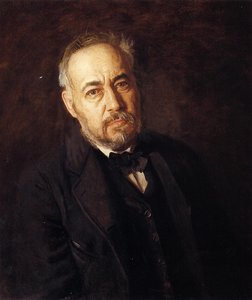
Thomas Eakins
1844 - 1916 , Estados Unidos de América
Breves datos
- Artistas Que Influyeron: ['Jean-Léon Gérôme']
- Fecha De Fallecimiento: 25 de junio de 1916
- Fecha De Nacimiento: 25 de julio de 1844
- Lugar De Nacimiento: Filadelfia, Estados Unidos
- Movimiento Artístico: Realismo estadounidense
- Nacionalidad: Estadounidense
- Nombre Completo: Thomas Cowperthwait Eakins
- Obras Notables:
- La Clínica Gross
- Max Schmitt en una cesta individual
- El Agnew Clinic

