 Ver en contexto
 Enviar
 Compartir
 Detalles

 Descargar
 Similares
 Radiografía
 Presentación de diapositivas
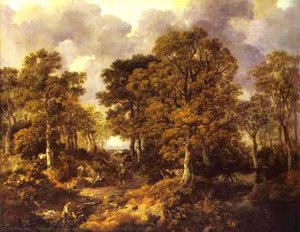
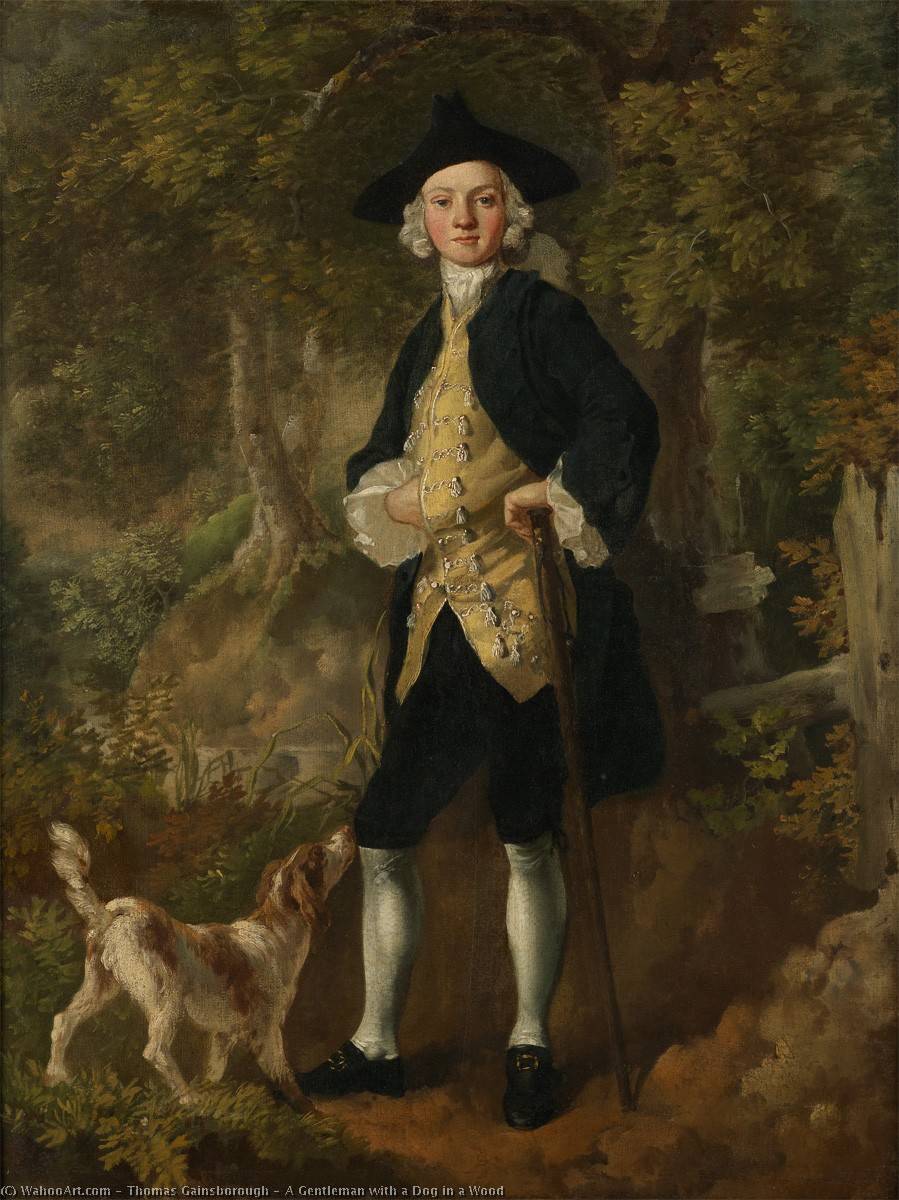
A Gentleman with a Dog in a Wood
 Acrílico sobre lienzo
- Arte de pared
- Romantic Landscape
 1746
1746 67.0 x 50.0 cm
 Casa de Gainsborough
 Ver más
Reproducción al óleo hecha a mano
Óleo sobre lienzo pintado a mano en el tamaño y marco de su elección, realizado por encargo por nuestros artistas. ( Comprar impresión Comprar imagen)




P118B $10

P118H $10

P118W $10

P438Z $10

P508JH $12

P508YH $12

P805H $10

P805Z $10

P919BZ $10

P919G $10

P919XJ $10

P959ZH $10

P968JZ $12

W106C $8

W218G $10

W218JH $8

W218Y $10

W307PJ $10

W316G $10

W316PJ $8

W316Y $10

W398PJ $8

W4111J $10

W500HY $15

W500JH $15

W692G $12

W849H $8

W940BG $15

W953PJ $8




Elija entre nuestros tamaños predefinidos que respetan las proporciones originales de la obra.

Puede ingresar sus propias dimensiones para adaptarse a un marco o espacio específico. Si el tamaño seleccionado no coincide con las proporciones de la imagen original, recortaremos la obra o extenderemos la pintura con elementos adicionales pintados a mano. Se le enviará una maqueta digital para su aprobación antes de comenzar la producción.
Tenga en cuenta que la vista previa en pantalla no refleja el recorte o la extensión reales. Solo la maqueta mostrará con precisión la composición final.
Si bien existen tamaños personalizados, recomendamos seleccionar una dimensión de la lista predefinida para preservar las proporciones originales.
Tras realizar el pedido, el equipo de ArtsDot.com enviará un correo electrónico al cliente para solicitar instrucciones y proporcionarle una vista previa del boceto.
Envío a todo el mundo () en 3-4 semanas en lugar de las 5 semanas estándar. (28 agosto). Sin comprometer la calidad.

Envío exprés gratuito a todo el mundo

Lienzo de lino de alta calidad

Seguro de envío total

Garantía de reembolso de impuestos aduaneros

Garantía de fidelidad cromática exacta

Política de devolución de 60 días (solo por defectos)

Garantía de devolución del 100% del dinero

Descuento por cantidad
 La opción de vidrio solo está disponible en tamaños inferiores a 110 cm.

A Gentleman with a Dog in a Wood
Técnica de reproducción
Dimensiones de la reproducción
-


Precio total final
$ 263
A Portrait of Dignified Grace: Exploring Thomas Gainsborough’s “A Gentleman with a Dog in a Wood”
The painting "A Gentleman with a Dog in a Wood," completed in 1746 by Thomas Gainsborough, stands as an emblem of Georgian England – a testament to refined taste and the burgeoning appreciation for natural beauty within aristocratic circles. More than just a depiction of two figures amidst foliage, it’s a carefully constructed tableau brimming with symbolic resonance and executed with masterful technique that continues to captivate audiences centuries later.Subject Matter & Composition
At its core, the artwork portrays Sir Thomas Lawrence, a prominent British diplomat and portrait painter, accompanied by his loyal Labrador retriever. Lawrence, dressed in meticulously crafted colonial attire – wig, waistcoat, frock coat – embodies the ideals of gentlemanly virtue: composure, intellect, and social responsibility. The dog, positioned prominently on Lawrence’s left side, isn't merely a companion animal; it serves as a deliberate visual device symbolizing loyalty, fidelity, and the connection between man and nature. Gainsborough skillfully employs pyramidal composition, anchoring Lawrence at the apex while grounding him in the expansive woodland backdrop. This arrangement directs the viewer’s gaze upwards, emphasizing Lawrence’s stature and conveying a sense of serenity and contemplation.Style & Technique: The Dawn of Romantic Landscape
Gainsborough's approach to painting distinguishes itself from its predecessors, marking an important step toward what would become known as Romantic landscape art. Unlike earlier Baroque depictions prioritizing grandeur and theatricality, Gainsborough prioritizes atmospheric perspective – subtly blurring distant trees and creating a hazy luminescence that imbues the scene with palpable emotion. He achieves this effect through meticulous layering of glazes—thin translucent washes of pigment applied over multiple coats—allowing for nuanced tonal gradations and capturing the ethereal quality of woodland light. The artist’s brushstrokes are loose and expressive, conveying movement and texture without sacrificing clarity or detail. This technique reflects Gainsborough's fascination with observing and recording the natural world with unprecedented accuracy and sensitivity.Historical Context & Societal Significance
“A Gentleman with a Dog” emerged during a period of significant social transformation in Britain. The Enlightenment championed reason and scientific inquiry, yet simultaneously fostered an interest in pastoral ideals – the contemplation of rural life as a refuge from urban corruption and sophistication. Gainsborough’s depiction aligns perfectly with these trends, reflecting the aristocratic fascination with cultivating landscapes that evoked feelings of tranquility and moral virtue. Lawrence's inclusion underscores the importance of social standing and patronage within the art world—demonstrating how artistic endeavors were inextricably linked to political influence and cultural prestige.Symbolism Beyond Appearance
Beyond its formal elements, the painting is laden with symbolic meaning. The dog’s unwavering gaze symbolizes loyalty and steadfastness – qualities valued in both man and animal. Lawrence's posture exudes confidence and dignity—representing the aristocratic ideal of self-assured virtue. Furthermore, the woodland setting itself embodies concepts of innocence, purity, and spiritual contemplation. Gainsborough skillfully utilizes color palettes dominated by muted greens and browns, reinforcing these themes and creating an atmosphere conducive to introspection.Emotional Impact & Legacy
“A Gentleman with a Dog” transcends mere visual representation; it communicates profound emotional resonance. The painting evokes feelings of peace, serenity, and admiration for the beauty of the natural world—capturing the spirit of Georgian England’s humanist sensibilities. Its enduring appeal lies in its ability to convey timeless virtues – loyalty, contemplation, and an appreciation for refined aesthetics. Today, reproductions of Gainsborough's masterpiece continue to inspire artists and collectors alike, cementing his place as one of Britain’s most beloved portraitists and a pivotal figure in the development of Romantic landscape painting.Obras relacionadas
Biografía del artista
Vida Temprana y Formación
Thomas Gainsborough, una figura destacada del arte británico del siglo XVIII, nació el 14 de mayo de 1727 en Sudbury, Suffolk. Como el hijo menor de John Gainsborough, un tejedor y fabricante de artículos de lana, la vida temprana de Thomas estuvo marcada por una pasión innata por el dibujo y la pintura. Ya a los diez años, había demostrado su destreza artística con autorretratos en miniatura y pequeños paisajes.
Carrera Artística: Retratos y Paisajes
La formación formal de Thomas en arte comenzó en 1740 bajo la tutela de Hubert Gravelot en Londres. Sin embargo, fue su asociación con William Hogarth lo que influyó significativamente en su estilo. El trabajo de Gainsborough se caracteriza por su paleta clara y sus pinceladas despreocupadas, lo que lo distinguía de sus contemporáneos.
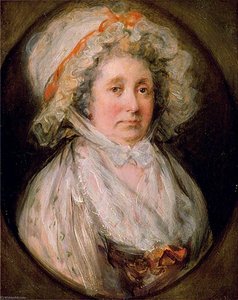
- Retrato de una dama en azul (ver en ArtsDot) muestra la maestría de Gainsborough en el retrato, con la expresión serena y los delicados rasgos del sujeto renderizados con un detalle notable.
- Johann Christian Bach (ver en ArtsDot) demuestra su habilidad para capturar la esencia de sus sujetos, como se ve en esta pieza al óleo sobre lienzo.
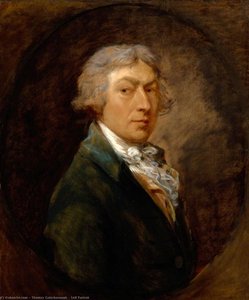
- Autorretrato (ver en ArtsDot) (Galería Roy Miles, Londres, Reino Unido), un testimonio de sus habilidades para el autorretrato.
- Mary, Condesa de Howe (ver en ArtsDot) (244 x 152 cm, óleo sobre lienzo), un ejemplo de su trabajo de retrato con una figura prominente.
Influencias y Desarrollo Artístico
Gainsborough se vio influenciado por varios artistas, incluyendo a Hubert Gravelot y William Hogarth. Sin embargo, desarrolló un estilo distintivo que combinaba elementos del arte británico e italiano. Su interés en el paisaje fue crucial para su desarrollo artístico, alejándose de la tradición puramente de retrato que dominaba la época.
Su rivalidad con Sir Joshua Reynolds, otro importante retratista británico, impulsó a Gainsborough a buscar la excelencia tanto en el retrato como en la pintura de paisajes. Esta competencia amistosa contribuyó al florecimiento del arte británico durante el siglo XVIII.
Legado e Importancia Histórica
El impacto de Thomas Gainsborough en el arte británico es innegable. Como miembro fundador de la Royal Academy, jugó un papel fundamental en la configuración de la institución. Su habilidad para capturar la personalidad y el carácter de sus retratados, combinada con su maestría en la pintura de paisajes, lo convirtió en uno de los artistas más importantes de su tiempo.
- Miembro Fundador de la Royal Academy: Su participación en la fundación de esta prestigiosa institución ayudó a establecer un estándar para el arte británico.
- Innovación en el Retrato: Gainsborough introdujo una nueva naturalidad y espontaneidad en sus retratos, alejándose de las poses rígidas y formales que eran comunes en la época.
- Pintor de Paisajes Pionero: Su enfoque en los paisajes, con su representación de la luz y el ambiente, sentó las bases para futuros artistas como John Constable.
Artistas Influenciados
El legado artístico de Gainsborough continúa inspirando a artistas hasta el día de hoy.
- Imitador de Thomas Gainsborough RA, 1727–1788, británico - un copista o seguidor de las obras del famoso artista británico Thomas Gainsborough.
- William Heath Wilson - conocido por sus exquisitos retratos e bodegones, un maestro de la técnica del óleo sobre lienzo.
El legado de Thomas Gainsborough perdura, consolidando su lugar en los anales de la historia del arte británico.
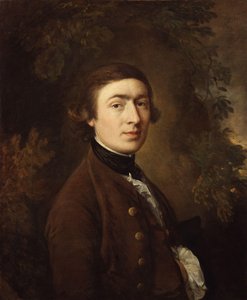
Thomas Gainsborough
1727 - 1788 , Reino Unido
Datos clave
- Artistas Influenciados: ['William Heath Wilson']
- Artistas Que Influyeron:
- Hubert Gravelot
- William Hogarth
- Estilo Artístico: Rococó, retrato y paisaje
- Fecha De Nacimiento: 14 de mayo de 1727
- Lugar De Nacimiento: Sudbury, Reino Unido
- Nacionalidad: Británico
- Nombre Completo: Thomas Gainsborough
- Obras Notables:
- Retrato de una dama en azul
- Johann Christian Bach
- Autorretrato con su esposa
- Mary, condesa de Howe
- Gainsborough Dupont
Artículos relacionados

John Constable: Las 25 Obras Maestras del Paisaje Inglés | ArtsDot
Descubre las 25 obras maestras de John Constable, el pintor romántico inglés que capturó la belleza del paisaje. Explora su técnica, historia y significado en ArtsDot.com. Reproducciones de arte de alta calidad para tu hogar.

Paisajes Románticos: 10 Obras Maestras que Definieron un Movimiento Artístico
Descubre los 10 paisajes románticos más influyentes de artistas como Caspar David Friedrich y Turner. Explora la belleza, el simbolismo y las técnicas del movimiento romántico. Reproducciones de arte exclusivas en ArtsDot.com.
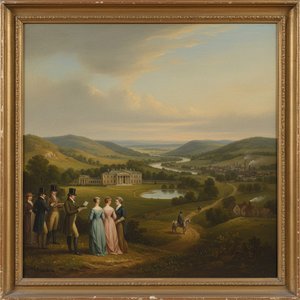
Thomas Barker of Bath: Landscape Painting & Societal Reflection in Early 19th-Century England
Explore the life & work of Thomas Barker of Bath, a key figure in 19th-century English Romanticism. Discover his Parisian success, iconic paintings like 'The Bride of Death', and lasting artistic legacy. Learn more at ArtsDot.

Evocations of Place: A Historical Journey Through Landscape Art
Explore the rich history of landscape art with ArtsDot. Discover renowned artists, movements like Impressionism & Romanticism, and expert guidance for collecting timeless pieces. Find your perfect serene escape today!
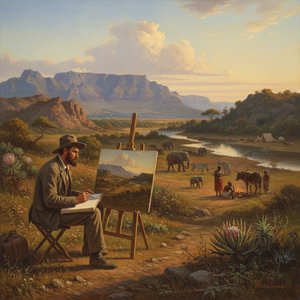
Thomas Baines: Pioneering Landscape Art & Visual Documentation of 19th-Century Southern Africa
Explore the life & art of Thomas Baines, a pioneering British explorer and artist who documented 19th-century Southern Africa & Australia. Discover his stunning landscapes, war paintings, and invaluable cartographic contributions.