 Ver en contexto
 Enviar
 Compartir
 Detalles

 Descargar
 Similares
 Radiografía
 Presentación de diapositivas
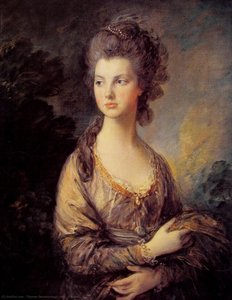
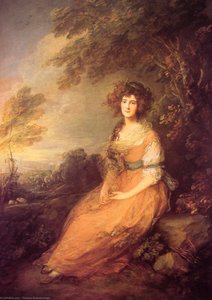
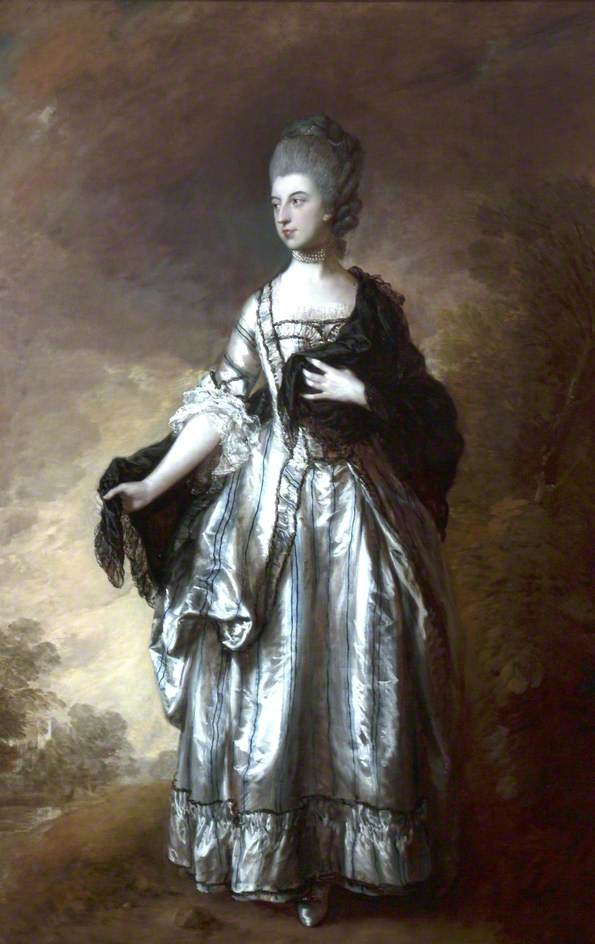
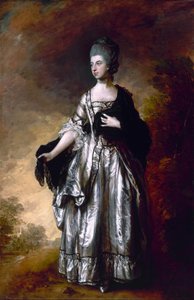
Isabella (1748–1819), Viscountess Molyneux, 1st Countess of Sefton
 Oil On Canvas
- WallArt
- Rococo Portrait
 1769
1769 236.0 x 155.0 cm
 Galería de Arte Walker
 Ver más
Giclée / Impresión de arte
Impresiones giclée o en lienzo de calidad de museo con producción rápida y opciones de acabado flexibles. ( Comprar pintura hecha a mano Comprar imagen)




P118B $10

P118H $10

P118W $10

P438Z $10

P508JH $12

P508YH $12

P805H $10

P805Z $10

P919BZ $10

P919G $10

P919XJ $10

P959ZH $10

P968JZ $12

W106C $8

W218G $10

W218JH $8

W218Y $10

W307PJ $10

W316G $10

W316PJ $8

W316Y $10

W398PJ $8

W4111J $10

W500HY $15

W500JH $15

W692G $12

W849H $8

W940BG $15

W953PJ $8




Elija entre nuestros tamaños predefinidos que respetan las proporciones originales de la obra.

Puede introducir sus propias dimensiones para adaptarse a un marco o espacio específico. Si el tamaño seleccionado no coincide con las proporciones de la imagen original, recortaremos la obra de arte o extenderemos la imagen con un borde con efecto espejo o de color sólido. Se enviará una maqueta digital para su aprobación antes de que comience la producción.
Tenga en cuenta que la vista previa en pantalla no refleja el recorte o la extensión real. Solo la maqueta mostrará con precisión la composición final.
Aunque existen tamaños personalizados, recomendamos seleccionar una dimensión de la lista predefinida para preservar las proporciones originales.
Envío a todo el mundo () en 2 semanas en lugar de las 4/5 semanas estándar. (24 agosto)

Envío exprés gratuito a todo el mundo

Lienzo de lino de alta calidad

Seguro de envío total

Garantía de reembolso de impuestos aduaneros

Garantía de fidelidad cromática exacta

Política de devolución de 60 días (solo por defectos)

Garantía de devolución del 100% del dinero

Descuento por cantidad
 La opción de vidrio solo está disponible en tamaños inferiores a 110 cm.

Isabella (1748–1819), Viscountess Molyneux, 1st Countess of Sefton
Giclée / Impresión de arte
Dimensiones de la reproducción
-


Precio total final
$ 62
Descripción de la pieza
The Enigmatic Grace of Isabella Stanhope
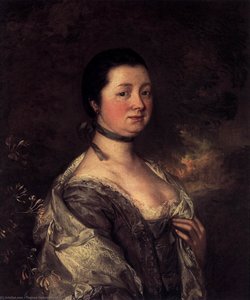
Thomas Gainsborough’s “Isabella (1748–1819), Viscountess Molyneux, 1st Countess of Sefton” is more than a mere portrait; it's a carefully constructed tableau of elegance, restraint, and subtle emotion. Painted in 1769, the canvas captures a young woman poised on the cusp of her social life, radiating an understated confidence that belies the complexities of her position within Georgian society. The painting’s enduring appeal lies not just in its technical brilliance but also in the way it invites us to contemplate the inner world of a woman navigating the constraints and expectations of her time.
Gainsborough masterfully employs his signature loose brushwork and atmospheric lighting, creating a sense of depth and movement. The muted palette—primarily creams, blues, and browns—evokes a feeling of quiet sophistication. Notice how he uses light to sculpt Isabella’s form, highlighting the delicate curve of her neck and the subtle sheen of her silk gown. The background, rendered in soft greens and browns, suggests a glimpse of the English countryside – a deliberate choice that subtly connects Isabella to the land and reinforces her status as a landed noblewoman.
A Portrait of Propriety and Power
Isabella Stanhope’s life was one of considerable privilege, yet also fraught with social maneuvering. As the second daughter of the 2nd Earl of Harrington, she possessed a significant fortune and a strategic position within the intricate web of Georgian society. The portrait itself is a testament to this power – not through overt display, but through an air of dignified composure. Her posture is impeccable, her gaze direct yet reserved, conveying both self-awareness and a carefully cultivated sense of detachment.
The gown, with its striped silk and lace detailing, reflects the fashionable styles of the late 1760s – a period marked by increasing emphasis on luxury and ornamentation. However, Gainsborough resists the urge to overwhelm the viewer with excessive embellishment. Instead, he focuses on the quality of the fabric and the subtle elegance of the cut, suggesting that Isabella’s wealth is not flaunted but subtly integrated into her appearance.
Symbolism in Detail
Beyond the broad strokes of portraiture, Gainsborough imbues the painting with a wealth of symbolic detail. The gloves she holds, partially concealed, represent both her social standing and her role as a woman expected to manage household affairs – a subtle nod to the domestic responsibilities that defined her life. Her pearl necklace, a symbol of marital status and wealth, is presented with understated elegance. Even the placement of her hands—one resting gracefully on her lap, the other holding her gloves—communicates a sense of control and poise.
The dirt ground beneath her feet, an unusual detail for a formal portrait, subtly anchors Isabella to the earth, reminding us that even within the confines of aristocratic society, she was still connected to the land and its rhythms. It’s a grounding element that prevents the image from becoming overly idealized or detached.
A Legacy of Artistic Merit
"Isabella (1748–1819), Viscountess Molyneux, 1st Countess of Sefton" remains a captivating work of art, admired for its technical skill and emotional resonance. It’s a portrait that invites us to look beyond the surface beauty and consider the complexities of a woman's life within the context of Georgian England. Reproductions capture much of this nuance, offering a window into a bygone era and a testament to Gainsborough’s enduring artistic vision. Its placement in the Walker Art Gallery in Liverpool ensures its continued accessibility for generations to come.
- Artist: Thomas Gainsborough
- Date: 1769
- Medium: Oil on Canvas
- Dimensions: 236 x 155 cm
- Location: Walker Art Gallery, Liverpool, United Kingdom
Obras relacionadas
Biografía del artista
Vida Temprana y Formación
Thomas Gainsborough, una figura destacada del arte británico del siglo XVIII, nació el 14 de mayo de 1727 en Sudbury, Suffolk. Como el hijo menor de John Gainsborough, un tejedor y fabricante de artículos de lana, la vida temprana de Thomas estuvo marcada por una pasión innata por el dibujo y la pintura. Ya a los diez años, había demostrado su destreza artística con autorretratos en miniatura y pequeños paisajes.
Carrera Artística: Retratos y Paisajes
La formación formal de Thomas en arte comenzó en 1740 bajo la tutela de Hubert Gravelot en Londres. Sin embargo, fue su asociación con William Hogarth lo que influyó significativamente en su estilo. El trabajo de Gainsborough se caracteriza por su paleta clara y sus pinceladas despreocupadas, lo que lo distinguía de sus contemporáneos.
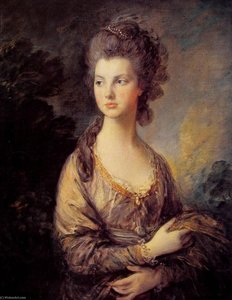
- Retrato de una dama en azul (ver en ArtsDot) muestra la maestría de Gainsborough en el retrato, con la expresión serena y los delicados rasgos del sujeto renderizados con un detalle notable.
- Johann Christian Bach (ver en ArtsDot) demuestra su habilidad para capturar la esencia de sus sujetos, como se ve en esta pieza al óleo sobre lienzo.
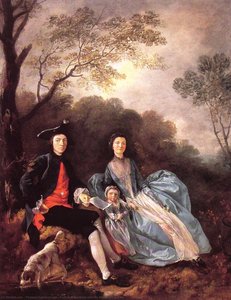
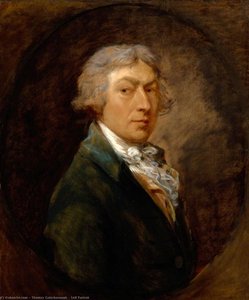
- Autorretrato (ver en ArtsDot) (Galería Roy Miles, Londres, Reino Unido), un testimonio de sus habilidades para el autorretrato.
- Mary, Condesa de Howe (ver en ArtsDot) (244 x 152 cm, óleo sobre lienzo), un ejemplo de su trabajo de retrato con una figura prominente.
Influencias y Desarrollo Artístico
Gainsborough se vio influenciado por varios artistas, incluyendo a Hubert Gravelot y William Hogarth. Sin embargo, desarrolló un estilo distintivo que combinaba elementos del arte británico e italiano. Su interés en el paisaje fue crucial para su desarrollo artístico, alejándose de la tradición puramente de retrato que dominaba la época.
Su rivalidad con Sir Joshua Reynolds, otro importante retratista británico, impulsó a Gainsborough a buscar la excelencia tanto en el retrato como en la pintura de paisajes. Esta competencia amistosa contribuyó al florecimiento del arte británico durante el siglo XVIII.
Legado e Importancia Histórica
El impacto de Thomas Gainsborough en el arte británico es innegable. Como miembro fundador de la Royal Academy, jugó un papel fundamental en la configuración de la institución. Su habilidad para capturar la personalidad y el carácter de sus retratados, combinada con su maestría en la pintura de paisajes, lo convirtió en uno de los artistas más importantes de su tiempo.
- Miembro Fundador de la Royal Academy: Su participación en la fundación de esta prestigiosa institución ayudó a establecer un estándar para el arte británico.
- Innovación en el Retrato: Gainsborough introdujo una nueva naturalidad y espontaneidad en sus retratos, alejándose de las poses rígidas y formales que eran comunes en la época.
- Pintor de Paisajes Pionero: Su enfoque en los paisajes, con su representación de la luz y el ambiente, sentó las bases para futuros artistas como John Constable.
Artistas Influenciados
El legado artístico de Gainsborough continúa inspirando a artistas hasta el día de hoy.
- Imitador de Thomas Gainsborough RA, 1727–1788, británico - un copista o seguidor de las obras del famoso artista británico Thomas Gainsborough.
- William Heath Wilson - conocido por sus exquisitos retratos e bodegones, un maestro de la técnica del óleo sobre lienzo.
El legado de Thomas Gainsborough perdura, consolidando su lugar en los anales de la historia del arte británico.
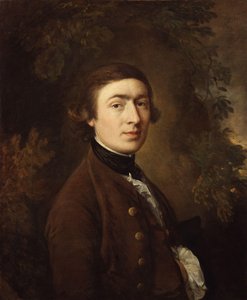
Thomas Gainsborough
1727 - 1788 , Reino Unido
Datos clave
- Artistas Influenciados: ['William Heath Wilson']
- Artistas Que Influyeron:
- Hubert Gravelot
- William Hogarth
- Estilo Artístico: Rococó, retrato y paisaje
- Fecha De Nacimiento: 14 de mayo de 1727
- Lugar De Nacimiento: Sudbury, Reino Unido
- Nacionalidad: Británico
- Nombre Completo: Thomas Gainsborough
- Obras Notables:
- Retrato de una dama en azul
- Johann Christian Bach
- Autorretrato con su esposa
- Mary, condesa de Howe
- Gainsborough Dupont
Artículos relacionados
Los 10 Cuadros Más Famosos en Tonos Gainsborough: Arte Clásico para tu Hogar
Descubre los 10 cuadros más emblemáticos en tonos Gainsborough. Explora la historia, el arte y la técnica de maestros como Thomas Gainsborough. Encuentra reproducciones de alta calidad para transformar tu hogar. ¡Inspírate en ArtsDot.com!
Sarah Churchill, Countess of Essex: A Patron's Influence on 18th-Century Art & Identity
Explore the fascinating world of Sarah Churchill, Countess of Essex, a pivotal figure in 18th-century art patronage. Discover her influence on Rococo aesthetics and portraiture, and learn about commissioning artworks as a statement of power & identity.