 Vista previa
 Compartir
 Compartir
 Ver detalles

 Descargar
 Ver similares
 Radiografía
 Presentación de diapositivas
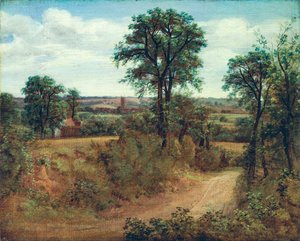
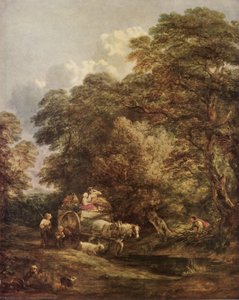
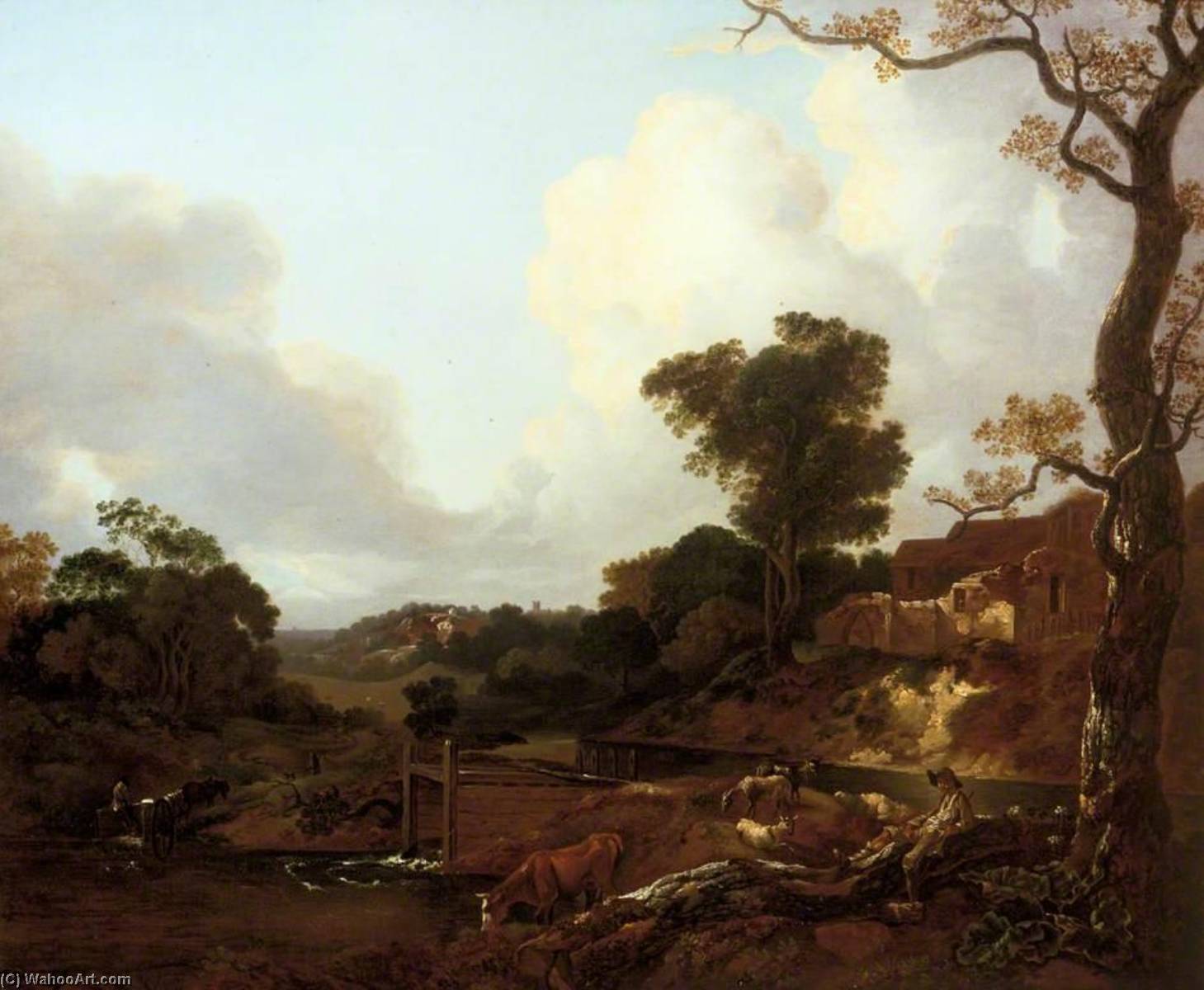
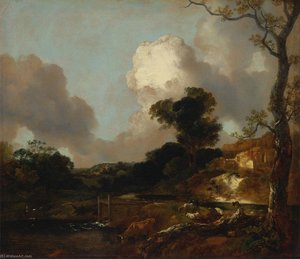
Landscape with a Peasant Reclining by a Weir


 Leer más
Reproducción al óleo hecha a mano
Óleo sobre lienzo pintado a mano en el tamaño y marco de su elección, realizado por encargo por nuestros artistas. ( Pedir impresión Comprar descarga)




P118B $10

P118H $10

P118W $10

P438Z $10

P508JH $12

P508YH $12

P805H $10

P805Z $10

P919BZ $10

P919G $10

P919XJ $10

P959ZH $10

P968JZ $12

W106C $8

W218G $10

W218JH $8

W218Y $10

W307PJ $10

W316G $10

W316PJ $8

W316Y $10

W398PJ $8

W4111J $10

W500HY $15

W500JH $15

W692G $12

W849H $8

W940BG $15

W953PJ $8




Elija entre nuestros tamaños predefinidos que respetan las proporciones originales de la obra.

Puede ingresar sus propias dimensiones para adaptarse a un marco o espacio específico. Si el tamaño seleccionado no coincide con las proporciones de la imagen original, recortaremos la obra o extenderemos la pintura con elementos adicionales pintados a mano. Se le enviará una maqueta digital para su aprobación antes de comenzar la producción.
Tenga en cuenta que la vista previa en pantalla no refleja el recorte o la extensión reales. Solo la maqueta mostrará con precisión la composición final.
Si bien existen tamaños personalizados, recomendamos seleccionar una dimensión de la lista predefinida para preservar las proporciones originales.
Tras realizar el pedido, el equipo de ArtsDot.com enviará un correo electrónico al cliente para solicitar instrucciones y proporcionarle una vista previa del boceto.
Envío a todo el mundo () en 3-4 semanas en lugar de las 5 semanas estándar. (21 agosto). Sin comprometer la calidad.

Envío exprés gratuito a todo el mundo

Lienzo de lino de alta calidad

Seguro de envío completo

Garantía de reembolso de aranceles aduaneros

Garantía de fidelidad cromática exacta

Política de devolución de 60 días (solo por defectos)

Garantía de devolución del 100% del dinero

Oferta por volumen
 La opción de vidrio solo está disponible en tamaños inferiores a 110 cm.

Landscape with a Peasant Reclining by a Weir
Técnica de reproducción
Tamaño de la reproducción
-


Precio total
$ 263
Descripción de la obra
A Moment of Rural Tranquility: Unveiling Gainsborough’s “Landscape with a Peasant Reclining by a Weir”
Thomas Gainsborough's "Landscape with a Peasant Reclining by a Weir," painted in 1754 and now residing at Gainsborough’s House in Suffolk, isn’t merely a depiction of a pastoral scene; it’s a carefully constructed meditation on the relationship between humanity and nature. The painting immediately draws the eye to the imposing oak tree dominating the right side of the canvas – a symbol of strength, longevity, and perhaps even the weight of history. Its branches, reaching skyward like grasping fingers, create a dynamic counterpoint to the stillness of the reclining figure in the foreground. This isn’t a romanticized, idealized vision of rural life; Gainsborough imbues the scene with a subtle sense of melancholy, hinting at the fleeting nature of beauty and the quiet dignity of everyday existence.
The central figure, a peasant reclined by a weir (a small dam or embankment), is rendered with remarkable sensitivity. He’s not presented as a subject for grand narrative, but rather as an integral part of the landscape itself. His posture suggests weariness and contentment simultaneously – a quiet acceptance of his place within this natural world. The simplicity of his attire—likely homespun wool—underscores his connection to the land and reinforces the painting's theme of rustic harmony. Gainsborough’s masterful use of light is crucial here; it’s diffused and warm, bathing the scene in a golden glow that evokes a sense of timelessness and serenity.
The Brushstroke and Technique: A Signature Style
Examining Gainsborough's technique reveals much about his artistic philosophy. He employed a loose, expressive brushstroke—a hallmark of his style—that prioritizes capturing the essence of light and atmosphere over meticulous detail. Notice how he builds up layers of color with rapid, confident strokes, creating a shimmering effect that mimics the play of sunlight on water and foliage. This technique, known as “broken colour,” was revolutionary for its time, allowing him to achieve remarkable luminosity and depth. The painting’s palette is predominantly earthy—ochres, greens, browns—but punctuated by subtle blues in the sky and reflections in the stream, adding visual interest and a sense of realism.
- Broken Colour: Gainsborough's signature technique of layering small strokes of color to create luminous effects.
- Loose Brushwork: A deliberate rejection of rigid detail, prioritizing capturing atmosphere and feeling.
- Earthy Palette: Dominated by natural tones reflecting the Suffolk countryside.
Historical Context and Artistic Influences
“Landscape with a Peasant Reclining by a Weir” emerged during a pivotal moment in British art history. Following the influence of artists like Claude Lorrain, Gainsborough sought to move beyond the rigid formality of court portraiture and embrace a more democratic and accessible style. The painting reflects the growing interest in depicting the English countryside—a subject that had previously been largely ignored by established artists. It’s important to note Gainsborough's debt to earlier landscape painters like Richard Wilson, whose work he admired greatly. However, Gainsborough infused his landscapes with a distinctly personal vision, capturing not just the beauty of the natural world but also its inherent dignity and quiet wisdom.
Symbolism and Emotional Resonance
Beyond its surface depiction, the painting is rich in symbolic meaning. The oak tree can be interpreted as representing both earthly strength and spiritual connection—a reminder of the enduring power of nature. The reclining peasant embodies a sense of humility and contentment, suggesting that true happiness lies not in material wealth or social status but in living in harmony with one’s surroundings. The painting's overall mood is one of peaceful contemplation – an invitation to pause, reflect, and appreciate the simple beauty of the natural world. It evokes a feeling of nostalgia for a bygone era, a time when life was simpler and more closely connected to the rhythms of nature. The image resonates with viewers today as a poignant reminder of our own relationship with the environment and the importance of finding moments of tranquility in an increasingly hectic world.
Obras relacionadas

Biografía del artista
Vida Temprana y Formación
Thomas Gainsborough, una figura destacada del arte británico del siglo XVIII, nació el 14 de mayo de 1727 en Sudbury, Suffolk. Como el hijo menor de John Gainsborough, un tejedor y fabricante de artículos de lana, la vida temprana de Thomas estuvo marcada por una pasión innata por el dibujo y la pintura. Ya a los diez años, había demostrado su destreza artística con autorretratos en miniatura y pequeños paisajes.
Carrera Artística: Retratos y Paisajes
La formación formal de Thomas en arte comenzó en 1740 bajo la tutela de Hubert Gravelot en Londres. Sin embargo, fue su asociación con William Hogarth lo que influyó significativamente en su estilo. El trabajo de Gainsborough se caracteriza por su paleta clara y sus pinceladas despreocupadas, lo que lo distinguía de sus contemporáneos.
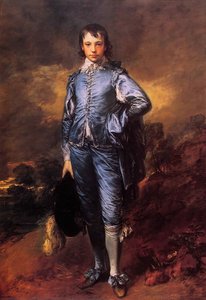
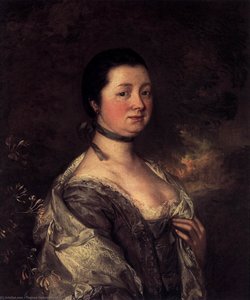
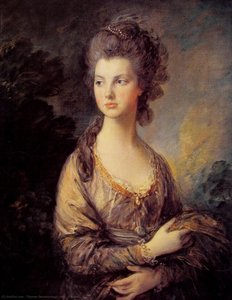
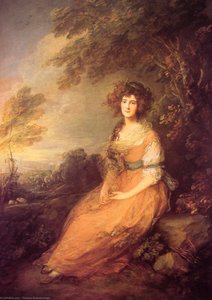
- Retrato de una dama en azul (ver en ArtsDot) muestra la maestría de Gainsborough en el retrato, con la expresión serena y los delicados rasgos del sujeto renderizados con un detalle notable.
- Johann Christian Bach (ver en ArtsDot) demuestra su habilidad para capturar la esencia de sus sujetos, como se ve en esta pieza al óleo sobre lienzo.
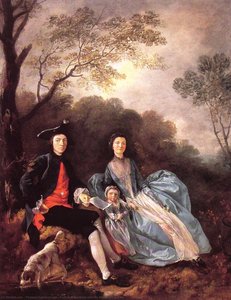
- Autorretrato (ver en ArtsDot) (Galería Roy Miles, Londres, Reino Unido), un testimonio de sus habilidades para el autorretrato.
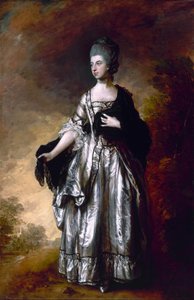
- Mary, Condesa de Howe (ver en ArtsDot) (244 x 152 cm, óleo sobre lienzo), un ejemplo de su trabajo de retrato con una figura prominente.
Influencias y Desarrollo Artístico
Gainsborough se vio influenciado por varios artistas, incluyendo a Hubert Gravelot y William Hogarth. Sin embargo, desarrolló un estilo distintivo que combinaba elementos del arte británico e italiano. Su interés en el paisaje fue crucial para su desarrollo artístico, alejándose de la tradición puramente de retrato que dominaba la época.
Su rivalidad con Sir Joshua Reynolds, otro importante retratista británico, impulsó a Gainsborough a buscar la excelencia tanto en el retrato como en la pintura de paisajes. Esta competencia amistosa contribuyó al florecimiento del arte británico durante el siglo XVIII.
Legado e Importancia Histórica
El impacto de Thomas Gainsborough en el arte británico es innegable. Como miembro fundador de la Royal Academy, jugó un papel fundamental en la configuración de la institución. Su habilidad para capturar la personalidad y el carácter de sus retratados, combinada con su maestría en la pintura de paisajes, lo convirtió en uno de los artistas más importantes de su tiempo.
- Miembro Fundador de la Royal Academy: Su participación en la fundación de esta prestigiosa institución ayudó a establecer un estándar para el arte británico.
- Innovación en el Retrato: Gainsborough introdujo una nueva naturalidad y espontaneidad en sus retratos, alejándose de las poses rígidas y formales que eran comunes en la época.
- Pintor de Paisajes Pionero: Su enfoque en los paisajes, con su representación de la luz y el ambiente, sentó las bases para futuros artistas como John Constable.
Artistas Influenciados
El legado artístico de Gainsborough continúa inspirando a artistas hasta el día de hoy.
- Imitador de Thomas Gainsborough RA, 1727–1788, británico - un copista o seguidor de las obras del famoso artista británico Thomas Gainsborough.
- William Heath Wilson - conocido por sus exquisitos retratos e bodegones, un maestro de la técnica del óleo sobre lienzo.
El legado de Thomas Gainsborough perdura, consolidando su lugar en los anales de la historia del arte británico.
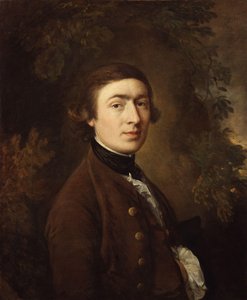
Thomas Gainsborough
1727 - 1788 , Reino Unido
Datos clave
- Artistas Influenciados: ['William Heath Wilson']
- Artistas Que Influyeron:
- Hubert Gravelot
- William Hogarth
- Estilo Artístico: Rococó, retrato y paisaje
- Fecha De Nacimiento: 14 de mayo de 1727
- Lugar De Nacimiento: Sudbury, Reino Unido
- Nacionalidad: Británico
- Nombre Completo: Thomas Gainsborough
- Obras Notables:
- Retrato de una dama en azul
- Johann Christian Bach
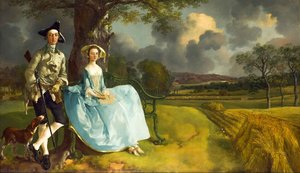
- Autorretrato con su esposa
- Mary, condesa de Howe
- Gainsborough Dupont
Artículos relacionados

John Constable: Las 25 Obras Maestras del Paisaje Inglés | ArtsDot
Descubre las 25 obras maestras de John Constable, el pintor romántico inglés que capturó la belleza del paisaje. Explora su técnica, historia y significado en ArtsDot.com. Reproducciones de arte de alta calidad para tu hogar.
Cultivating Visions: A Historical Journey Through Rural Landscapes in Art
Explore the rich history of rural landscape painting with ArtsDot. Discover Impressionist masterpieces, key artists & movements. Find your perfect serene artwork and bring nature's beauty home.
Julian Alden Weir: A Quiet Master of American Impressionism & Rural Life
Discover Julian Alden Weir, a leading American Impressionist painter celebrated for his serene landscapes & depictions of rural life. Explore his artistic evolution, influence on 'The Ten', and legacy at Weir Farm.

Paisajes Románticos: 10 Obras Maestras que Definieron un Movimiento Artístico
Descubre los 10 paisajes románticos más influyentes de artistas como Caspar David Friedrich y Turner. Explora la belleza, el simbolismo y las técnicas del movimiento romántico. Reproducciones de arte exclusivas en ArtsDot.com.

Evocations of Place: A Historical Journey Through Landscape Art
Explore the rich history of landscape art with ArtsDot. Discover renowned artists, movements like Impressionism & Romanticism, and expert guidance for collecting timeless pieces. Find your perfect serene escape today!