 Ver en contexto
 Enviar
 Compartir
 Detalles

 Descargar
 Similares
 Radiografía
 Presentación de diapositivas
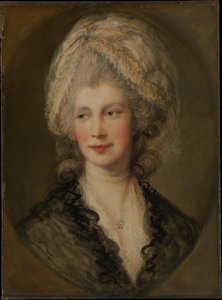
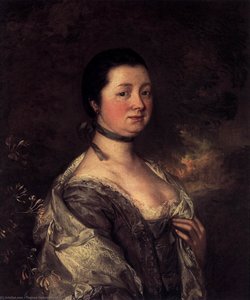
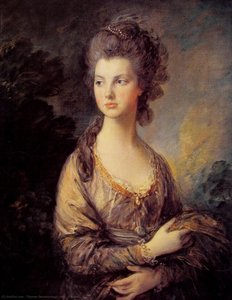
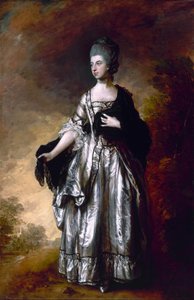
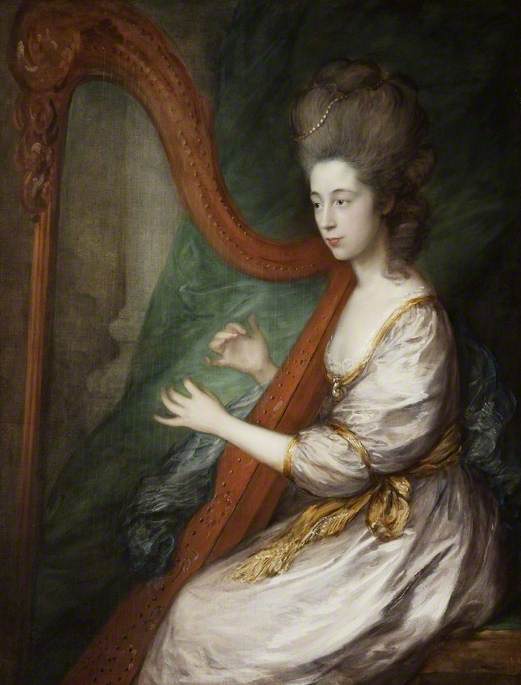
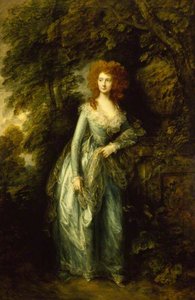
Louisa, Lady Clarges (1760–1809)
 Oil On Canvas
- WallArt
- Romanticism
 19th Century
 126.0 x 101.0 cm
 Victoria Art Gallery
 Ver más
Reproducción al óleo hecha a mano
Óleo sobre lienzo pintado a mano en el tamaño y marco de su elección, realizado por encargo por nuestros artistas. ( Comprar impresión Comprar imagen)




P118B $10

P118H $10

P118W $10

P438Z $10

P508JH $12

P508YH $12

P805H $10

P805Z $10

P919BZ $10

P919G $10

P919XJ $10

P959ZH $10

P968JZ $12

W106C $8

W218G $10

W218JH $8

W218Y $10

W307PJ $10

W316G $10

W316PJ $8

W316Y $10

W398PJ $8

W4111J $10

W500HY $15

W500JH $15

W692G $12

W849H $8

W940BG $15

W953PJ $8




Elija entre nuestros tamaños predefinidos que respetan las proporciones originales de la obra.

Puede ingresar sus propias dimensiones para adaptarse a un marco o espacio específico. Si el tamaño seleccionado no coincide con las proporciones de la imagen original, recortaremos la obra o extenderemos la pintura con elementos adicionales pintados a mano. Se le enviará una maqueta digital para su aprobación antes de comenzar la producción.
Tenga en cuenta que la vista previa en pantalla no refleja el recorte o la extensión reales. Solo la maqueta mostrará con precisión la composición final.
Si bien existen tamaños personalizados, recomendamos seleccionar una dimensión de la lista predefinida para preservar las proporciones originales.
Tras realizar el pedido, el equipo de ArtsDot.com enviará un correo electrónico al cliente para solicitar instrucciones y proporcionarle una vista previa del boceto.
Envío a todo el mundo () en 3-4 semanas en lugar de las 5 semanas estándar. (24 agosto). Sin comprometer la calidad.

Envío exprés gratuito a todo el mundo

Lienzo de lino de alta calidad

Seguro de envío total

Garantía de reembolso de impuestos aduaneros

Garantía de fidelidad cromática exacta

Política de devolución de 60 días (solo por defectos)

Garantía de devolución del 100% del dinero

Descuento por cantidad
 La opción de vidrio solo está disponible en tamaños inferiores a 110 cm.

Louisa, Lady Clarges (1760–1809)
Técnica de reproducción
Dimensiones de la reproducción
-


Precio total final
$ 263
Descripción de la obra
A Portrait of Refined Grace: Thomas Gainsborough’s Louisa, Lady Clarges
Thomas Gainsborough's “Louisa, Lady Clarges” (1760–1809) is more than a simple depiction of a fashionable woman; it’s a meticulously crafted window into the social and artistic sensibilities of 18th-century Britain. Painted during Gainsborough’s most productive period, this portrait exemplifies his mastery of naturalism and his ability to capture not just physical likeness but also the inner character of his subjects. The canvas itself, measuring 126 x 101 cm, invites a close examination of its details – from the delicate folds of Louisa's gown to the subtle play of light on her face.
Subject and Composition: A Study in Domestic Elegance
- The Figure of Louisa Clarges: The central subject, Louisa, is presented with a poised elegance that speaks volumes about her status. Her long hair, styled in the fashionable manner of the time, frames a face marked by intelligence and composure. The white dress, a symbol of wealth and refinement, is rendered with remarkable attention to texture, suggesting the luxurious fabrics favored by the aristocracy.
- The Harp and Ribbon: Holding a red ribbon and a harp close to her chest, Louisa embodies the ideals of feminine grace and musicality prevalent in Georgian society. The harp itself was often associated with nobility and refinement, further elevating the subject’s position.
- Contextual Figures: The inclusion of two additional figures – one on the left and another on the right – adds a layer of narrative complexity to the scene. These companions likely represent family members or close associates, enriching the portrait's social context and suggesting a domestic setting.
Technique and Style: Gainsborough’s Naturalist Vision
Gainsborough’s technique is characterized by his loose brushwork and masterful use of light and shadow – hallmarks of his naturalistic style. He employs broken color to create a sense of depth and atmosphere, particularly evident in the green curtain that serves as the backdrop. The subtle gradations of tone contribute to the portrait's realism, while simultaneously imbuing it with an ethereal quality. The artist’s attention to detail is remarkable, from the delicate rendering of Louisa’s jewelry to the precise depiction of her clothing. This meticulous approach reflects Gainsborough’s commitment to capturing not just a likeness but also the essence of his subject.
Symbolism and Historical Context: A Reflection of Georgian Society
"Louisa, Lady Clarges" offers a fascinating glimpse into the social customs and values of 18th-century England. Portraits like this were not merely decorative; they served as important documents, conveying information about an individual’s wealth, status, and connections. The inclusion of musical instruments, such as the harp, was a common motif in portraits of women from affluent families, signifying their education and refinement. Gainsborough's work reflects the growing interest in naturalism within British art during this period, moving away from the more formal and idealized styles that had dominated earlier generations.
Emotional Impact and Artistic Legacy
The painting’s enduring appeal lies not only in its technical brilliance but also in its ability to evoke a sense of quiet dignity and grace. Louisa, Lady Clarges, appears both approachable and distant, inviting the viewer to contemplate her life and circumstances. Gainsborough's portrait remains a testament to his artistic skill and his profound understanding of human character – a timeless representation of elegance and refinement that continues to captivate audiences today.
Obras relacionadas
Biografía del artista
Vida Temprana y Formación
Thomas Gainsborough, una figura destacada del arte británico del siglo XVIII, nació el 14 de mayo de 1727 en Sudbury, Suffolk. Como el hijo menor de John Gainsborough, un tejedor y fabricante de artículos de lana, la vida temprana de Thomas estuvo marcada por una pasión innata por el dibujo y la pintura. Ya a los diez años, había demostrado su destreza artística con autorretratos en miniatura y pequeños paisajes.
Carrera Artística: Retratos y Paisajes
La formación formal de Thomas en arte comenzó en 1740 bajo la tutela de Hubert Gravelot en Londres. Sin embargo, fue su asociación con William Hogarth lo que influyó significativamente en su estilo. El trabajo de Gainsborough se caracteriza por su paleta clara y sus pinceladas despreocupadas, lo que lo distinguía de sus contemporáneos.
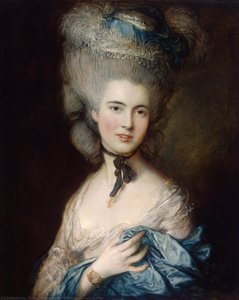
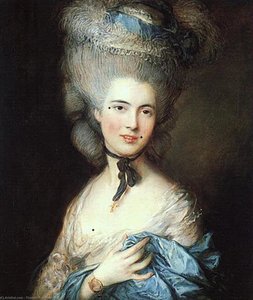
- Retrato de una dama en azul (ver en ArtsDot) muestra la maestría de Gainsborough en el retrato, con la expresión serena y los delicados rasgos del sujeto renderizados con un detalle notable.
- Johann Christian Bach (ver en ArtsDot) demuestra su habilidad para capturar la esencia de sus sujetos, como se ve en esta pieza al óleo sobre lienzo.
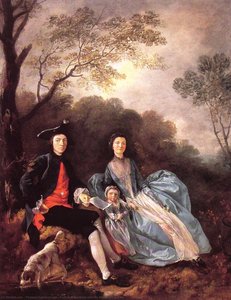
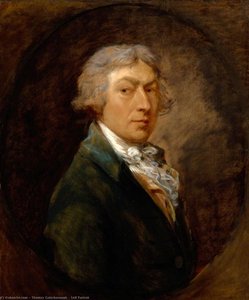
- Autorretrato (ver en ArtsDot) (Galería Roy Miles, Londres, Reino Unido), un testimonio de sus habilidades para el autorretrato.
- Mary, Condesa de Howe (ver en ArtsDot) (244 x 152 cm, óleo sobre lienzo), un ejemplo de su trabajo de retrato con una figura prominente.
Influencias y Desarrollo Artístico
Gainsborough se vio influenciado por varios artistas, incluyendo a Hubert Gravelot y William Hogarth. Sin embargo, desarrolló un estilo distintivo que combinaba elementos del arte británico e italiano. Su interés en el paisaje fue crucial para su desarrollo artístico, alejándose de la tradición puramente de retrato que dominaba la época.
Su rivalidad con Sir Joshua Reynolds, otro importante retratista británico, impulsó a Gainsborough a buscar la excelencia tanto en el retrato como en la pintura de paisajes. Esta competencia amistosa contribuyó al florecimiento del arte británico durante el siglo XVIII.
Legado e Importancia Histórica
El impacto de Thomas Gainsborough en el arte británico es innegable. Como miembro fundador de la Royal Academy, jugó un papel fundamental en la configuración de la institución. Su habilidad para capturar la personalidad y el carácter de sus retratados, combinada con su maestría en la pintura de paisajes, lo convirtió en uno de los artistas más importantes de su tiempo.
- Miembro Fundador de la Royal Academy: Su participación en la fundación de esta prestigiosa institución ayudó a establecer un estándar para el arte británico.
- Innovación en el Retrato: Gainsborough introdujo una nueva naturalidad y espontaneidad en sus retratos, alejándose de las poses rígidas y formales que eran comunes en la época.
- Pintor de Paisajes Pionero: Su enfoque en los paisajes, con su representación de la luz y el ambiente, sentó las bases para futuros artistas como John Constable.
Artistas Influenciados
El legado artístico de Gainsborough continúa inspirando a artistas hasta el día de hoy.
- Imitador de Thomas Gainsborough RA, 1727–1788, británico - un copista o seguidor de las obras del famoso artista británico Thomas Gainsborough.
- William Heath Wilson - conocido por sus exquisitos retratos e bodegones, un maestro de la técnica del óleo sobre lienzo.
El legado de Thomas Gainsborough perdura, consolidando su lugar en los anales de la historia del arte británico.
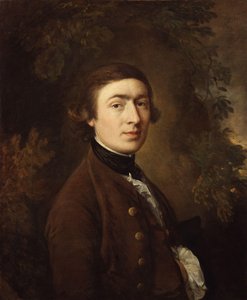
Thomas Gainsborough
1727 - 1788 , Reino Unido
Datos clave
- Artistas Influenciados: ['William Heath Wilson']
- Artistas Que Influyeron:
- Hubert Gravelot
- William Hogarth
- Estilo Artístico: Rococó, retrato y paisaje
- Fecha De Nacimiento: 14 de mayo de 1727
- Lugar De Nacimiento: Sudbury, Reino Unido
- Nacionalidad: Británico
- Nombre Completo: Thomas Gainsborough
- Obras Notables:
- Retrato de una dama en azul
- Johann Christian Bach
- Autorretrato con su esposa
- Mary, condesa de Howe
- Gainsborough Dupont
Artículos relacionados

Giclée Prints: Archival Quality & Aesthetic Nuances for the Discerning Collector
Explore the world of giclée prints with ArtsDot. Learn about archival quality, aesthetic nuances & investment potential. Expert guidance for discerning art collectors seeking museum-quality reproductions and lasting value.

The Enduring Legacy of Fine Art Prints: Technique, History & Aesthetic Impact
Explore the rich history & techniques of fine art prints. Discover investment potential, assess authenticity, and learn how to preserve your collection with expert guidance. Trusted insights for discerning collectors.

Crimson Threads of Narrative: Exploring Symbolism & Representation in Artworks Featuring the Red Dress
Explore the rich symbolism of the red dress in art history! From ancient power displays to iconic portraits like Cézanne’s 'Madame Cezanne', discover the cultural and artistic significance behind this captivating color. Expert analysis & insights.

Echoes of Time: Exploring the Enduring Appeal & Historical Context of Vintage Art Prints
Explore the captivating world of vintage art prints! Discover their history, collecting tips & enduring appeal. Expert insights on chromolithography and building a legacy collection with ArtsDot.
The Enduring Legacy of Printmaking: Techniques, Themes & Artistic Innovation Across Centuries
Explore the rich history of printmaking with ArtsDot. Discover techniques from intaglio to lithography, learn about collecting valuable prints & find museum-quality reproductions. Expert insights for art enthusiasts and collectors.