 Ver en contexto
 Enviar
 Compartir
 Detalles

 Descargar
 Similares
 Radiografía
 Presentación de diapositivas
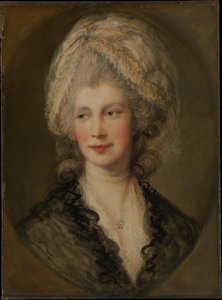
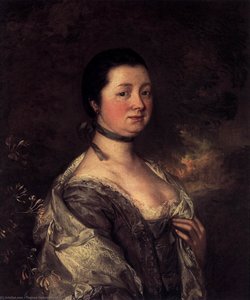
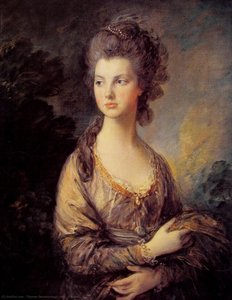
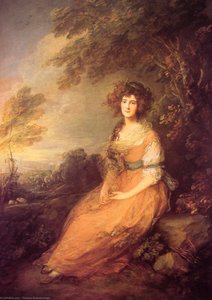
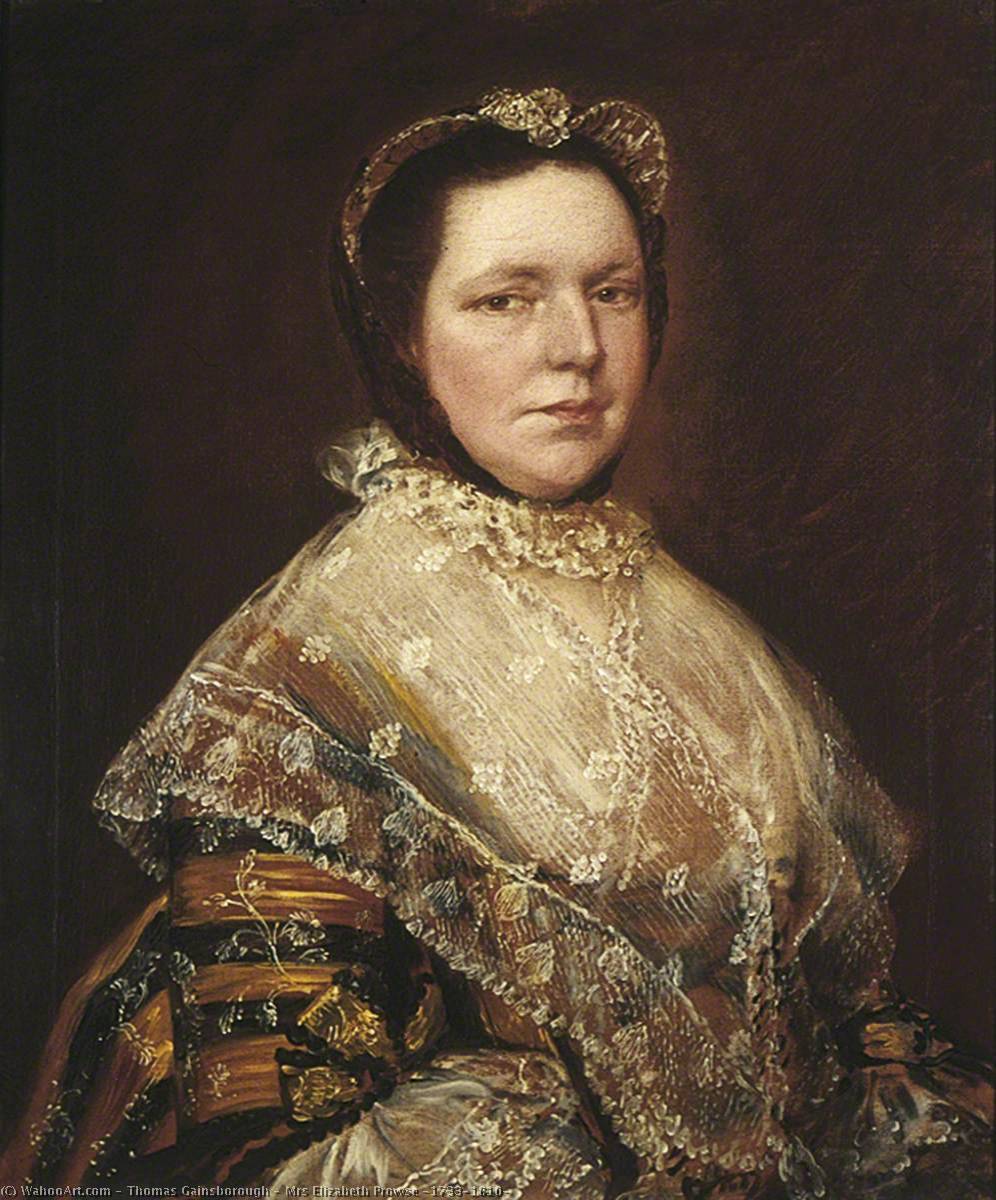
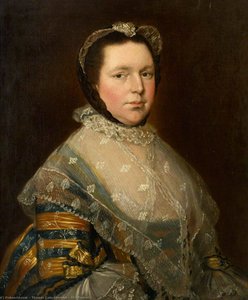
Mrs Elizabeth Prowse (1733–1810)
 Oil On Canvas
- WallArt
- 18th-century British landscape
 75.0 x 62.0 cm
 Temple Newsam House
 Ver más
Reproducción al óleo hecha a mano
Óleo sobre lienzo pintado a mano en el tamaño y marco de su elección, realizado por encargo por nuestros artistas. ( Comprar impresión Comprar imagen)




P118B $10

P118H $10

P118W $10

P438Z $10

P508JH $12

P508YH $12

P805H $10

P805Z $10

P919BZ $10

P919G $10

P919XJ $10

P959ZH $10

P968JZ $12

W106C $8

W218G $10

W218JH $8

W218Y $10

W307PJ $10

W316G $10

W316PJ $8

W316Y $10

W398PJ $8

W4111J $10

W500HY $15

W500JH $15

W692G $12

W849H $8

W940BG $15

W953PJ $8




Elija entre nuestros tamaños predefinidos que respetan las proporciones originales de la obra.

Puede ingresar sus propias dimensiones para adaptarse a un marco o espacio específico. Si el tamaño seleccionado no coincide con las proporciones de la imagen original, recortaremos la obra o extenderemos la pintura con elementos adicionales pintados a mano. Se le enviará una maqueta digital para su aprobación antes de comenzar la producción.
Tenga en cuenta que la vista previa en pantalla no refleja el recorte o la extensión reales. Solo la maqueta mostrará con precisión la composición final.
Si bien existen tamaños personalizados, recomendamos seleccionar una dimensión de la lista predefinida para preservar las proporciones originales.
Tras realizar el pedido, el equipo de ArtsDot.com enviará un correo electrónico al cliente para solicitar instrucciones y proporcionarle una vista previa del boceto.
Envío a todo el mundo () en 3-4 semanas en lugar de las 5 semanas estándar. (6 septiembre). Sin comprometer la calidad.

Envío exprés gratuito a todo el mundo

Lienzo de lino de alta calidad

Seguro de envío total

Garantía de reembolso de impuestos aduaneros

Garantía de fidelidad cromática exacta

Política de devolución de 100 días (solo por defectos)

Garantía de devolución del 100% del dinero

Descuento por cantidad
 La opción de vidrio solo está disponible en tamaños inferiores a 110 cm.

Mrs Elizabeth Prowse (1733–1810)
Técnica de reproducción
Dimensiones de la reproducción
-


Precio total final
$ 263
The Enigmatic Grace of Mrs. Elizabeth Prowse
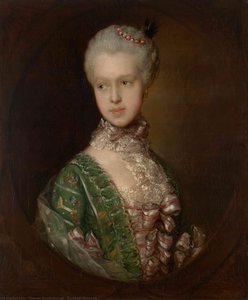
Thomas Gainsborough’s “Mrs. Elizabeth Prowse (1733–1810)” is not merely a portrait; it's a carefully constructed tableau of restrained dignity and subtle melancholy, a window into the social fabric of 18th-century England. Painted in 1774, during his most prolific period in Bath, this oil on canvas offers a glimpse beyond the superficial glamour of Georgian society, revealing a quiet strength beneath a veneer of composure. The subject herself remains somewhat elusive – historical records suggest Elizabeth Prowse was a woman of considerable wealth and social standing, though Gainsborough’s depiction deliberately obscures specific details, inviting viewers to project their own interpretations onto her serene countenance.
Gainsborough's signature style is immediately apparent: the loose, expressive brushstrokes create an atmosphere of immediacy and intimacy. He eschews the rigid formality favored by many of his contemporaries, opting instead for a more naturalistic approach that captures not just Elizabeth’s likeness but also her inner state. The lighting, masterfully diffused, casts soft shadows across her face, highlighting the delicate curve of her jawline and the subtle sadness in her eyes. Note the way he employs color – muted browns, creams, and blues dominate the palette, contributing to a sense of understated elegance and quiet contemplation.
A Study in Restraint and Symbolism
The composition is remarkably restrained, emphasizing Elizabeth’s stillness and self-possession. She sits upright, her hands folded neatly in her lap, a lace collar framing her face – a detail that speaks volumes about the social conventions of the time. The background is deliberately indistinct, blurring into a hazy landscape that suggests both distance and enclosure. This lack of specific detail forces the viewer to focus entirely on Elizabeth herself, amplifying the sense of intimacy within the portrait.
Several symbolic elements subtly enrich the painting’s meaning. The lace collar, while indicative of her social status, also hints at vulnerability – a delicate fabric easily torn by hardship. Her gaze, direct yet not confrontational, suggests a woman who has endured challenges without revealing them. Some art historians have interpreted the muted color palette as reflecting a sense of melancholy or unspoken sorrow, aligning with the prevailing mood of the era and perhaps hinting at Elizabeth’s personal circumstances.
Contextualizing a Masterpiece
“Mrs. Elizabeth Prowse” was painted during a period of significant social and political change in England. The Georgian era witnessed both unprecedented economic growth and widespread poverty, creating a complex and often contradictory society. Gainsborough’s portraits reflect this duality, capturing the wealth and privilege of the elite while simultaneously offering glimpses into their anxieties and vulnerabilities. His decision to portray Elizabeth with such quiet dignity speaks to his understanding of the complexities of human experience – the ability to maintain composure in the face of adversity.
The painting’s enduring appeal lies not only in its technical brilliance but also in its capacity to evoke a profound emotional response. “Mrs. Elizabeth Prowse” is more than just a portrait; it's a meditation on beauty, resilience, and the subtle nuances of human emotion – a timeless masterpiece that continues to captivate viewers centuries after its creation.
Obras relacionadas
Biografía del artista
Vida Temprana y Formación
Thomas Gainsborough, una figura destacada del arte británico del siglo XVIII, nació el 14 de mayo de 1727 en Sudbury, Suffolk. Como el hijo menor de John Gainsborough, un tejedor y fabricante de artículos de lana, la vida temprana de Thomas estuvo marcada por una pasión innata por el dibujo y la pintura. Ya a los diez años, había demostrado su destreza artística con autorretratos en miniatura y pequeños paisajes.
Carrera Artística: Retratos y Paisajes
La formación formal de Thomas en arte comenzó en 1740 bajo la tutela de Hubert Gravelot en Londres. Sin embargo, fue su asociación con William Hogarth lo que influyó significativamente en su estilo. El trabajo de Gainsborough se caracteriza por su paleta clara y sus pinceladas despreocupadas, lo que lo distinguía de sus contemporáneos.
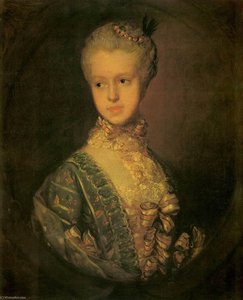
- Retrato de una dama en azul (ver en ArtsDot) muestra la maestría de Gainsborough en el retrato, con la expresión serena y los delicados rasgos del sujeto renderizados con un detalle notable.
- Johann Christian Bach (ver en ArtsDot) demuestra su habilidad para capturar la esencia de sus sujetos, como se ve en esta pieza al óleo sobre lienzo.
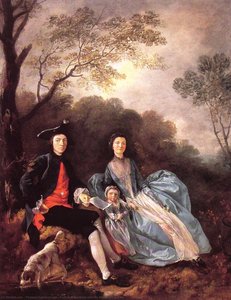
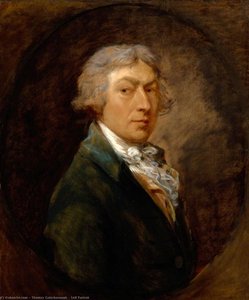
- Autorretrato (ver en ArtsDot) (Galería Roy Miles, Londres, Reino Unido), un testimonio de sus habilidades para el autorretrato.
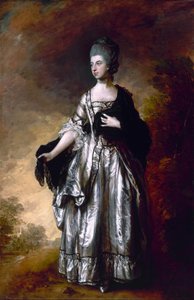
- Mary, Condesa de Howe (ver en ArtsDot) (244 x 152 cm, óleo sobre lienzo), un ejemplo de su trabajo de retrato con una figura prominente.
Influencias y Desarrollo Artístico
Gainsborough se vio influenciado por varios artistas, incluyendo a Hubert Gravelot y William Hogarth. Sin embargo, desarrolló un estilo distintivo que combinaba elementos del arte británico e italiano. Su interés en el paisaje fue crucial para su desarrollo artístico, alejándose de la tradición puramente de retrato que dominaba la época.
Su rivalidad con Sir Joshua Reynolds, otro importante retratista británico, impulsó a Gainsborough a buscar la excelencia tanto en el retrato como en la pintura de paisajes. Esta competencia amistosa contribuyó al florecimiento del arte británico durante el siglo XVIII.
Legado e Importancia Histórica
El impacto de Thomas Gainsborough en el arte británico es innegable. Como miembro fundador de la Royal Academy, jugó un papel fundamental en la configuración de la institución. Su habilidad para capturar la personalidad y el carácter de sus retratados, combinada con su maestría en la pintura de paisajes, lo convirtió en uno de los artistas más importantes de su tiempo.
- Miembro Fundador de la Royal Academy: Su participación en la fundación de esta prestigiosa institución ayudó a establecer un estándar para el arte británico.
- Innovación en el Retrato: Gainsborough introdujo una nueva naturalidad y espontaneidad en sus retratos, alejándose de las poses rígidas y formales que eran comunes en la época.
- Pintor de Paisajes Pionero: Su enfoque en los paisajes, con su representación de la luz y el ambiente, sentó las bases para futuros artistas como John Constable.
Artistas Influenciados
El legado artístico de Gainsborough continúa inspirando a artistas hasta el día de hoy.
- Imitador de Thomas Gainsborough RA, 1727–1788, británico - un copista o seguidor de las obras del famoso artista británico Thomas Gainsborough.
- William Heath Wilson - conocido por sus exquisitos retratos e bodegones, un maestro de la técnica del óleo sobre lienzo.
El legado de Thomas Gainsborough perdura, consolidando su lugar en los anales de la historia del arte británico.
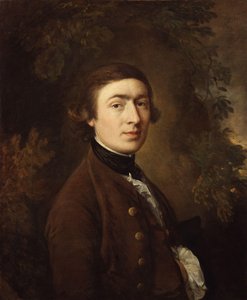
Thomas Gainsborough
1727 - 1788 , Reino Unido
Datos clave
- Artistas Influenciados: ['William Heath Wilson']
- Artistas Que Influyeron:
- Hubert Gravelot
- William Hogarth
- Estilo Artístico: Rococó, retrato y paisaje
- Fecha De Nacimiento: 14 de mayo de 1727
- Lugar De Nacimiento: Sudbury, Reino Unido
- Nacionalidad: Británico
- Nombre Completo: Thomas Gainsborough
- Obras Notables:
- Retrato de una dama en azul
- Johann Christian Bach
- Autorretrato con su esposa
- Mary, condesa de Howe
- Gainsborough Dupont
Artículos relacionados

El Óleo sobre Lienzo: Historia, Técnica y la Persistencia de un Medio Artístico Atemporal
Descubre la historia y técnica del óleo sobre lienzo. Explora reproducciones fieles hechas a mano, personalización artística y consejos de expertos con ArtsDot. ¡Colecciona arte con confianza!

The Enduring Legacy of Oil on Canvas: Technique, History & Aesthetic Impact
Explore the rich history & techniques of oil painting – from Renaissance masters to Impressionism. Discover pigments, layering methods, and why this timeless medium endures. Expert insights for artists & art enthusiasts.

The Enduring Power of Painting: A Historical & Contemporary Exploration of Form and Emotion
Explore the rich history & enduring techniques of oil painting with ArtsDot. Discover masterpieces, learn about art collecting, and find authentic handmade reproductions crafted by skilled artists.
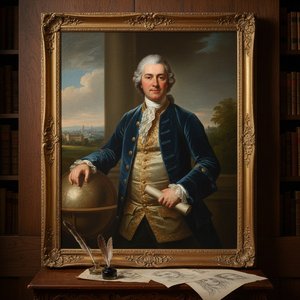
Thomas Hudson: A Study in 18th-Century Portraiture & British Artistic Identity
Explore the life & work of Thomas Hudson, a leading 18th-century British portraitist. Discover his mastery of the 'Grand Manner,' influential style, and lasting impact on British art. Learn about his notable portraits like Judge William Noel & Alexander Van Aken.

El Legado Duradero del Óleo sobre Lienzo: Técnica, Historia y Práctica Contemporánea
Descubre la historia y técnica del óleo sobre lienzo. Explora reproducciones fieles hechas a mano, personalización artística y consejos de expertos con .