 Ver en contexto
 Enviar
 Compartir
 Detalles

 Descargar
 Similares
 Radiografía
 Presentación de diapositivas
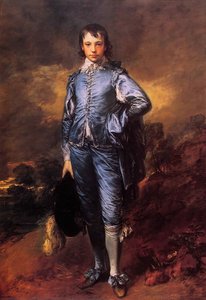
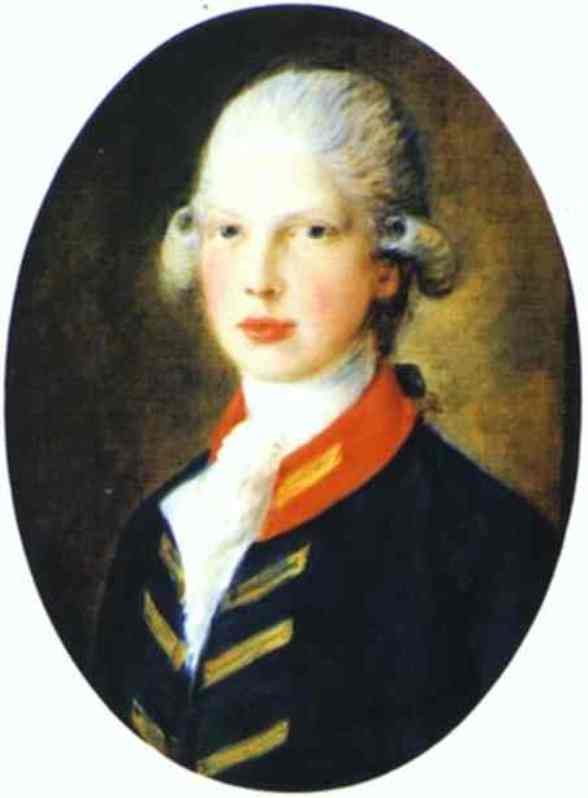
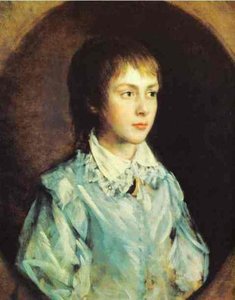
Portrait of Prince Edward, Later Duke of Kent


 Ver más
Giclée / Impresión de arte
Impresiones giclée o en lienzo de calidad de museo con producción rápida y opciones de acabado flexibles. ( Comprar pintura hecha a mano Comprar imagen)




P118B $10

P118H $10

P118W $10

P438Z $10

P508JH $12

P508YH $12

P805H $10

P805Z $10

P919BZ $10

P919G $10

P919XJ $10

P959ZH $10

P968JZ $12

W106C $8

W218G $10

W218JH $8

W218Y $10

W307PJ $10

W316G $10

W316PJ $8

W316Y $10

W398PJ $8

W4111J $10

W500HY $15

W500JH $15

W692G $12

W849H $8

W940BG $15

W953PJ $8




Elija entre nuestros tamaños predefinidos que respetan las proporciones originales de la obra.

Puede introducir sus propias dimensiones para adaptarse a un marco o espacio específico. Si el tamaño seleccionado no coincide con las proporciones de la imagen original, recortaremos la obra de arte o extenderemos la imagen con un borde con efecto espejo o de color sólido. Se enviará una maqueta digital para su aprobación antes de que comience la producción.
Tenga en cuenta que la vista previa en pantalla no refleja el recorte o la extensión real. Solo la maqueta mostrará con precisión la composición final.
Aunque existen tamaños personalizados, recomendamos seleccionar una dimensión de la lista predefinida para preservar las proporciones originales.
Envío a todo el mundo () en 2 semanas en lugar de las 4/5 semanas estándar. (4 septiembre)

Envío exprés gratuito a todo el mundo

Lienzo de lino de alta calidad

Seguro de envío total

Garantía de reembolso de impuestos aduaneros

Garantía de fidelidad cromática exacta

Política de devolución de 60 días (solo por defectos)

Garantía de devolución del 100% del dinero

Descuento por cantidad
 La opción de vidrio solo está disponible en tamaños inferiores a 110 cm.

Portrait of Prince Edward, Later Duke of Kent
Giclée / Impresión de arte
Dimensiones de la reproducción
-


Precio total final
$ 62
The Regal Presence of Prince Edward: Gainsborough’s Masterpiece
Thomas Gainsborough's "Portrait of Prince Edward, Later Duke of Kent," painted in 1782, is more than just a likeness; it’s a carefully constructed tableau of youthful nobility, imbued with the artist’s signature blend of observation and subtle theatricality. This captivating portrait, currently residing within the Royal Collection at Hampton Court Palace, offers a rare glimpse into the life of a young heir to the British throne – a figure poised between childhood innocence and the weighty responsibilities that awaited him.
Gainsborough’s approach is distinctly Rococo, yet tempered with a burgeoning Romantic sensibility. The composition itself is deceptively simple: Prince Edward, barely fifteen years old, sits in a relaxed posture, his gaze direct and engaging. He wears a sumptuous crimson coat adorned with intricate gold embroidery – a deliberate display of wealth and status, indicative of his future role as Duke of Kent and Strathearn. A delicate white sash encircles his neck, further emphasizing his aristocratic bearing. The background is deliberately muted, allowing the Prince’s figure to command immediate attention, while subtle hints of landscape peek through, grounding him in the familiar comforts of his upbringing.
A Study in Light and Texture
Gainsborough's mastery lies not just in capturing a likeness but in rendering texture and light with breathtaking skill. He employs loose, expressive brushstrokes – a hallmark of his style – to create a sense of immediacy and vitality. Notice the way he captures the sheen of the velvet fabric, the delicate folds of the coat, and the subtle highlights on Edward’s face. The artist utilizes broken color—small dabs of paint rather than smooth blends—to build up form and depth, creating an illusion of three-dimensionality that is remarkably convincing. This technique, combined with his masterful use of light, gives the portrait a luminous quality, imbuing it with a sense of warmth and serenity.
The painting’s palette is restrained yet sophisticated, dominated by rich reds, deep blues, and subtle greens. Gainsborough's careful attention to detail extends beyond mere color; he meticulously renders every aspect of the Prince’s attire, from the intricate embroidery on his coat to the sheen of his boots. This level of precision reflects not only his artistic skill but also his keen observational abilities – a testament to his ability to capture the essence of his subject with remarkable accuracy.
Symbolism and Historical Context
Beyond its aesthetic qualities, “Portrait of Prince Edward” is rich in symbolic meaning. The youthful appearance of the Prince speaks to the hopes and aspirations of the British monarchy—a desire for a stable succession and a continuation of the line of kings. The portrait was commissioned during a period of significant political and social change, as Britain navigated its colonial empire and grappled with internal tensions. Edward’s position as heir to the throne made him a focal point of national attention, and Gainsborough skillfully captured this sense of importance through his carefully crafted composition.
Furthermore, the portrait reflects the prevailing attitudes towards royalty at the time. While acknowledging the Prince's elevated status, Gainsborough avoids overtly flattering or idealized depictions. Instead, he presents Edward as a young man—a thoughtful and dignified individual with a quiet strength. This approach aligns with the emerging Romantic ideals of portraying subjects with honesty and realism, rather than resorting to conventional courtly conventions.
A Timeless Portrait for the Home
Today, “Portrait of Prince Edward” remains a captivating work of art—a testament to Gainsborough’s genius and a poignant reminder of a pivotal moment in British history. High-quality reproductions offer an accessible way to bring this masterpiece into your home or office, allowing you to appreciate its beauty and historical significance for years to come. Whether displayed as a statement piece or a subtle accent, this portrait embodies the elegance, grace, and enduring appeal of one of Britain’s greatest artists.
Obras relacionadas
Biografía del artista
Vida Temprana y Formación
Thomas Gainsborough, una figura destacada del arte británico del siglo XVIII, nació el 14 de mayo de 1727 en Sudbury, Suffolk. Como el hijo menor de John Gainsborough, un tejedor y fabricante de artículos de lana, la vida temprana de Thomas estuvo marcada por una pasión innata por el dibujo y la pintura. Ya a los diez años, había demostrado su destreza artística con autorretratos en miniatura y pequeños paisajes.
Carrera Artística: Retratos y Paisajes
La formación formal de Thomas en arte comenzó en 1740 bajo la tutela de Hubert Gravelot en Londres. Sin embargo, fue su asociación con William Hogarth lo que influyó significativamente en su estilo. El trabajo de Gainsborough se caracteriza por su paleta clara y sus pinceladas despreocupadas, lo que lo distinguía de sus contemporáneos.
- Retrato de una dama en azul (ver en ArtsDot) muestra la maestría de Gainsborough en el retrato, con la expresión serena y los delicados rasgos del sujeto renderizados con un detalle notable.
- Johann Christian Bach (ver en ArtsDot) demuestra su habilidad para capturar la esencia de sus sujetos, como se ve en esta pieza al óleo sobre lienzo.
- Autorretrato (ver en ArtsDot) (Galería Roy Miles, Londres, Reino Unido), un testimonio de sus habilidades para el autorretrato.
- Mary, Condesa de Howe (ver en ArtsDot) (244 x 152 cm, óleo sobre lienzo), un ejemplo de su trabajo de retrato con una figura prominente.
Influencias y Desarrollo Artístico
Gainsborough se vio influenciado por varios artistas, incluyendo a Hubert Gravelot y William Hogarth. Sin embargo, desarrolló un estilo distintivo que combinaba elementos del arte británico e italiano. Su interés en el paisaje fue crucial para su desarrollo artístico, alejándose de la tradición puramente de retrato que dominaba la época.
Su rivalidad con Sir Joshua Reynolds, otro importante retratista británico, impulsó a Gainsborough a buscar la excelencia tanto en el retrato como en la pintura de paisajes. Esta competencia amistosa contribuyó al florecimiento del arte británico durante el siglo XVIII.
Legado e Importancia Histórica
El impacto de Thomas Gainsborough en el arte británico es innegable. Como miembro fundador de la Royal Academy, jugó un papel fundamental en la configuración de la institución. Su habilidad para capturar la personalidad y el carácter de sus retratados, combinada con su maestría en la pintura de paisajes, lo convirtió en uno de los artistas más importantes de su tiempo.
- Miembro Fundador de la Royal Academy: Su participación en la fundación de esta prestigiosa institución ayudó a establecer un estándar para el arte británico.
- Innovación en el Retrato: Gainsborough introdujo una nueva naturalidad y espontaneidad en sus retratos, alejándose de las poses rígidas y formales que eran comunes en la época.
- Pintor de Paisajes Pionero: Su enfoque en los paisajes, con su representación de la luz y el ambiente, sentó las bases para futuros artistas como John Constable.
Artistas Influenciados
El legado artístico de Gainsborough continúa inspirando a artistas hasta el día de hoy.
- Imitador de Thomas Gainsborough RA, 1727–1788, británico - un copista o seguidor de las obras del famoso artista británico Thomas Gainsborough.
- William Heath Wilson - conocido por sus exquisitos retratos e bodegones, un maestro de la técnica del óleo sobre lienzo.
El legado de Thomas Gainsborough perdura, consolidando su lugar en los anales de la historia del arte británico.
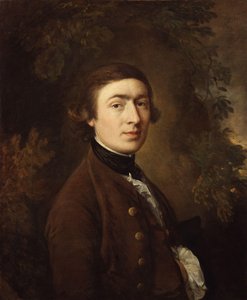
Thomas Gainsborough
1727 - 1788 , Reino Unido
Datos clave
- Artistas Influenciados: ['William Heath Wilson']
- Artistas Que Influyeron:
- Hubert Gravelot
- William Hogarth
- Estilo Artístico: Rococó, retrato y paisaje
- Fecha De Nacimiento: 14 de mayo de 1727
- Lugar De Nacimiento: Sudbury, Reino Unido
- Nacionalidad: Británico
- Nombre Completo: Thomas Gainsborough
- Obras Notables:
- Retrato de una dama en azul
- Johann Christian Bach
- Autorretrato con su esposa
- Mary, condesa de Howe
- Gainsborough Dupont
Artículos relacionados
Edward Hopper: Las 25 Obras Maestras que Definen la Soledad Moderna | ArtsDot
Descubre las 25 obras maestras de Edward Hopper, el pintor de la soledad moderna. Explora su realismo americano, luz y sombra, e icónicas escenas urbanas. Reproducciones de arte en ArtsDot.com para decorar tu hogar con estilo.
Edward Wilkins Waite: A Victorian Vision of Surrey's Serene Landscapes & Artistic Legacy
Explore the serene landscapes of Edward Wilkins Waite (1854-1924), a prolific Victorian painter celebrated for his depictions of Surrey's countryside. Discover his artistic influences, career highlights & collecting guide.
Edward Seago: A Life Painted in Light – Nostalgia & the British Landscape Tradition
Explore the life & art of Edward Seago, a celebrated British Impressionist painter known for evocative landscapes & seascapes. Discover his captivating works and find high-quality reproductions at ArtsDot.
Edward Lear: A Life Beyond Nonsense – Landscape, Illustration & the Poetics of Isolation
Explore the life of Edward Lear beyond his nonsense poems. Discover his stunning landscape paintings, travel illustrations & the poignant themes of isolation in this expert art history analysis.
Sir Edward Poynter: Aestheticism, Archaeology & Victorian Identity
Explore the captivating world of Sir Edward Poynter, a leading figure of Aestheticism & Victorian art. Discover his archaeological narratives, iconic paintings like 'Day Dream Fine,' and lasting influence on British art history.