 Ver en contexto
 Enviar
 Compartir
 Detalles

 Descargar
 Similares
 Radiografía
 Presentación de diapositivas
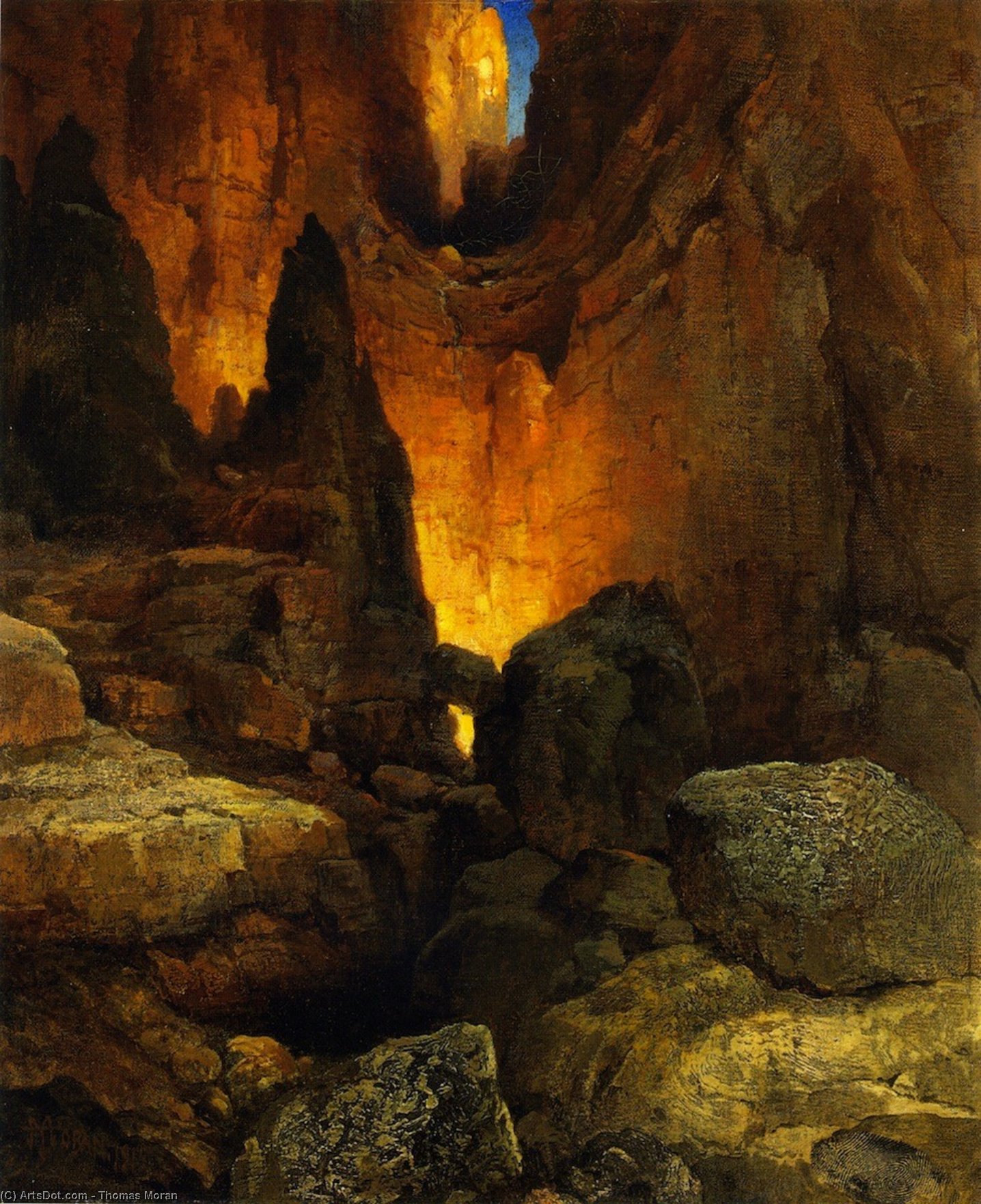
A Side Canyon, Grand Canyon of Arizona


 Ver más
Reproducción al óleo hecha a mano
Óleo sobre lienzo pintado a mano en el tamaño y marco de su elección, realizado por encargo por nuestros artistas. ( Comprar impresión Comprar imagen)




P118B $10

P118H $10

P118W $10

P438Z $10

P508JH $12

P508YH $12

P805H $10

P805Z $10

P919BZ $10

P919G $10

P919XJ $10

P959ZH $10

P968JZ $12

W106C $8

W218G $10

W218JH $8

W218Y $10

W307PJ $10

W316G $10

W316PJ $8

W316Y $10

W398PJ $8

W4111J $10

W500HY $15

W500JH $15

W692G $12

W849H $8

W940BG $15

W953PJ $8




Elija entre nuestros tamaños predefinidos que respetan las proporciones originales de la obra.

Puede ingresar sus propias dimensiones para adaptarse a un marco o espacio específico. Si el tamaño seleccionado no coincide con las proporciones de la imagen original, recortaremos la obra o extenderemos la pintura con elementos adicionales pintados a mano. Se le enviará una maqueta digital para su aprobación antes de comenzar la producción.
Tenga en cuenta que la vista previa en pantalla no refleja el recorte o la extensión reales. Solo la maqueta mostrará con precisión la composición final.
Si bien existen tamaños personalizados, recomendamos seleccionar una dimensión de la lista predefinida para preservar las proporciones originales.
Tras realizar el pedido, el equipo de ArtsDot.com enviará un correo electrónico al cliente para solicitar instrucciones y proporcionarle una vista previa del boceto.
Envío a todo el mundo () en 3-4 semanas en lugar de las 5 semanas estándar. (27 agosto). Sin comprometer la calidad.

Envío exprés gratuito a todo el mundo

Lienzo de lino de alta calidad

Seguro de envío total

Garantía de reembolso de impuestos aduaneros

Garantía de fidelidad cromática exacta

Política de devolución de 60 días (solo por defectos)

Garantía de devolución del 100% del dinero

Descuento por cantidad
 La opción de vidrio solo está disponible en tamaños inferiores a 110 cm.

A Side Canyon, Grand Canyon of Arizona
Técnica de reproducción
Dimensiones de la reproducción
-


Precio total final
$ 263
Descripción de la obra
The Majesty Captured: A Side Canyon in Arizona
To gaze upon Thomas Moran's depiction of A Side Canyon, Grand Canyon of Arizona, is to be transported across the vast expanse of time and geography. This painting is not merely a record of rock and water; it is an elegy to the enduring power of nature, rendered with the sublime skill characteristic of the American West masters. When Moran painted this scene in 1915, he was channeling more than just light on stone; he was capturing the very breath of the continent—a breathtaking confluence of geological time and vibrant life.
The composition immediately draws the eye into a monumental vista. In the foreground, the massive rock formation anchors the scene, lending an immediate sense of scale and permanence. Below, the river snakes through the valley floor, a ribbon of liquid movement contrasting sharply with the immutability of the canyon walls. The inclusion of small figures scattered throughout the landscape is a masterful touch; they serve not only to provide depth but also to evoke the human relationship with such overwhelming grandeur—a sense of awe mixed with humble exploration.
A Synthesis of Romanticism and Realism
Moran’s artistic vision, which blended the emotional fervor of Romanticism with the meticulous observation of Realism, is perfectly on display here. His technique allowed him to achieve a depth that feels almost palpable. Observe how the artist utilized warm colors—ochres, deep siennas, and hazy blues—to build an atmosphere thick with both drama and serene warmth. The play of light and shadow across the canyon walls is particularly noteworthy; it suggests a specific moment in time, perhaps late afternoon, when the sun angles just so to carve out dramatic planes of contrast. This careful handling of chiaroscuro elevates the painting from mere landscape documentation to high art.
For those considering owning a reproduction of this work, understanding Moran’s technique is key. The original oil on canvas speaks to an era when American wilderness was being codified for posterity, and Moran was its foremost chronicler. His ability to render intricate details in the vegetation while maintaining the sweeping scope of the panorama is what makes this piece so compelling.
Symbolism of the American Frontier
Beyond the visual splendor, the painting carries deep symbolic weight. The Grand Canyon itself has long served as a metaphor for eternity and human insignificance against the backdrop of geological time. The river, perpetually flowing, symbolizes the relentless passage of life and history, while the towering rock formations represent endurance and the monumental forces that shape existence. Moran’s work often resonated with an American yearning—a desire to connect with something primal, untamed, and eternal. It speaks to a spirit of discovery, even if the landscape itself has been known for centuries.
Bringing the Wilderness Home
For the collector or designer, this piece offers more than just decoration; it offers an experience. Reproducing such a monumental work allows one to bring the untamed majesty of the American West into the controlled intimacy of a modern space. The emotional impact is immediate: a feeling of quiet contemplation, vastness, and profound connection to the natural world. It serves as a visual anchor, transforming any room into a place that feels both grandly epic and deeply peaceful. Owning this reproduction means owning a piece of American artistic history, allowing you to contemplate Moran’s masterful vision day after day.
Obras relacionadas
Biografía del artista
**Primeros años y carrera**
Thomas Moran, un renombrado pintor y grabador estadounidense, nació el 12 de febrero de 1837 en Bolton, Inglaterra. Su familia se mudó más tarde a los Estados Unidos, estableciéndose en Nueva York, donde Moran eventualmente encontró su voz artística. Siendo hermano menor del artista marino Edward Moran, Thomas compartió un estudio con él, marcando el comienzo de su viaje artístico.**Estilo artístico e influencias**
El trabajo de Moran estuvo fuertemente influenciado por el artista británico J. M. W. Turner, cuyo uso del color y la elección de paisajes inspiraron a Moran a explorar temas similares en su propio trabajo. Esto es evidente en sus pinturas, que a menudo presentaban las montañas rocosas y el oeste americano. Su estilo, caracterizado por meticulosos detalles y una mezcla de realismo y romanticismo, le valió un lugar destacado dentro del movimiento Hudson River School.**Obras notables y logros**
- El Gran Cañón del Yellowstone (1872): Esta monumental pintura fue comprada por el gobierno por $10,000, marcando el primer reconocimiento significativo de Moran como artista.
- Parque Nacional Yellowstone: Los bocetos y pinturas de Moran jugaron un papel crucial en el establecimiento de Yellowstone como el primer parque nacional en 1872.
**Legado e impacto**
Las contribuciones de Moran a la pintura del paisaje americano son innegables. Su trabajo no solo reflejó la belleza del oeste americano, sino que también inspiró a una nueva generación de artistas. Hoy en día, sus pinturas se pueden encontrar en varios museos, incluido el Smithsonian American Art Museum, un testimonio de su legado duradero.- Ver las obras de arte de Thomas Moran en ArtsDot.com
- Más sobre Thomas Moran en Wikipedia
- Explore el movimiento artístico del Hudson River School en ArtsDot.com
Fechas clave:
- 12 de febrero de 1837: Nació en Bolton, Inglaterra
- 25 de agosto de 1926: Falleció en Santa Bárbara, California
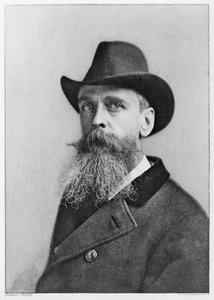
Thomas Moran
1837 - 1926 , Reino Unido
Datos clave
- Artistas Que Influyeron: ['J.M.W. Turner']
- Fecha De Fallecimiento: 25 de agosto de 1926
- Fecha De Nacimiento: 12 de febrero de 1837
- Influenciado A Artistas: ['Nueva generación de artistas']
- Lugar De Nacimiento: Bolton, Reino Unido
- Movimiento Artístico: Escuela del Río Hudson
- Nacionalidad: Británico-estadounidense
- Nombre Completo: Thomas Moran
- Obras Notables:
- Gran Cañón del Yellowstone
- Parque Nacional Yellowstone
Artículos relacionados

Paisajes Románticos: 10 Obras Maestras que Definieron un Movimiento Artístico
Descubre los 10 paisajes románticos más influyentes de artistas como Caspar David Friedrich y Turner. Explora la belleza, el simbolismo y las técnicas del movimiento romántico. Reproducciones de arte exclusivas en ArtsDot.com.

John Constable: Las 25 Obras Maestras del Paisaje Inglés | ArtsDot
Descubre las 25 obras maestras de John Constable, el pintor romántico inglés que capturó la belleza del paisaje. Explora su técnica, historia y significado en ArtsDot.com. Reproducciones de arte de alta calidad para tu hogar.

Evocations of Place: A Historical Journey Through Landscape Art
Explore the rich history of landscape art with ArtsDot. Discover renowned artists, movements like Impressionism & Romanticism, and expert guidance for collecting timeless pieces. Find your perfect serene escape today!
Thomas Hill: Luminosity, Landscape & the American Pastoral Ideal
Explore the luminous landscapes of Thomas Hill, a pivotal figure in the Hudson River School & Luminism movements. Discover his artistic journey, philosophical depth, and enduring legacy with ArtsDot.
Thomas Barker of Bath: Landscape Painting & Societal Reflection in Early 19th-Century England
Explore the life & work of Thomas Barker of Bath, a key figure in 19th-century English Romanticism. Discover his Parisian success, iconic paintings like 'The Bride of Death', and lasting artistic legacy. Learn more at ArtsDot.