 Vista previa
 Compartir
 Compartir
 Ver detalles

 Descargar
 Ver similares
 Radiografía
 Presentación de diapositivas
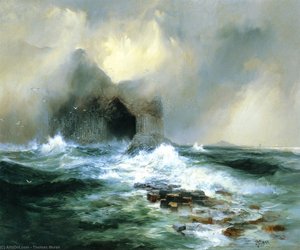
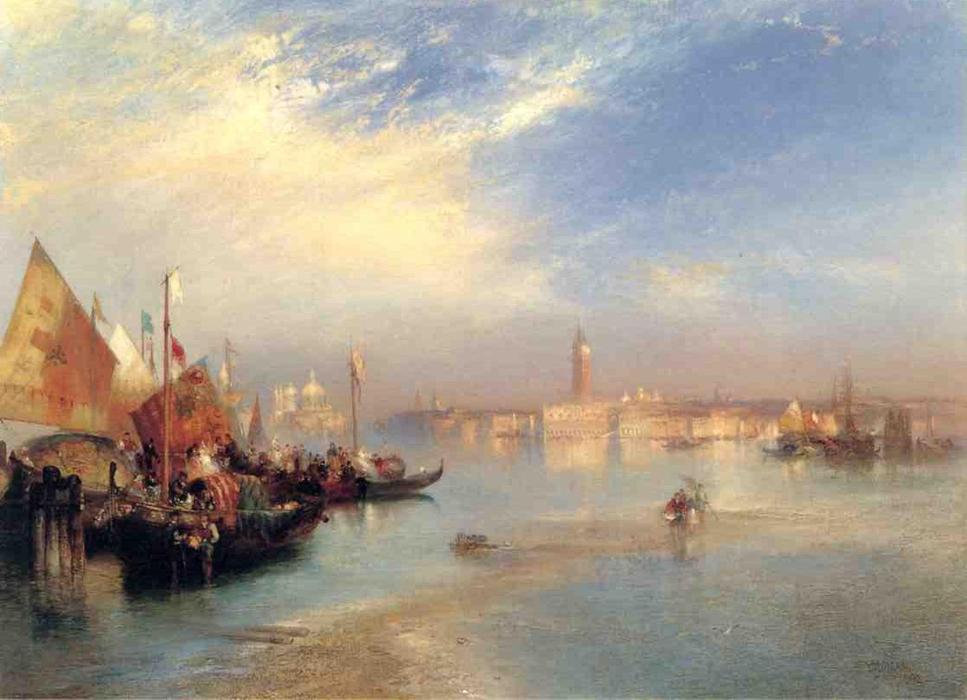
The Fishermans Wedding Party


 Leer más
Reproducción al óleo hecha a mano
Óleo sobre lienzo pintado a mano en el tamaño y marco de su elección, realizado por encargo por nuestros artistas. ( Pedir impresión Comprar descarga)




P118B $10

P118H $10

P118W $10

P438Z $10

P508JH $12

P508YH $12

P805H $10

P805Z $10

P919BZ $10

P919G $10

P919XJ $10

P959ZH $10

P968JZ $12

W106C $8

W218G $10

W218JH $8

W218Y $10

W307PJ $10

W316G $10

W316PJ $8

W316Y $10

W398PJ $8

W4111J $10

W500HY $15

W500JH $15

W692G $12

W849H $8

W940BG $15

W953PJ $8




Elija entre nuestros tamaños predefinidos que respetan las proporciones originales de la obra.

Puede ingresar sus propias dimensiones para adaptarse a un marco o espacio específico. Si el tamaño seleccionado no coincide con las proporciones de la imagen original, recortaremos la obra o extenderemos la pintura con elementos adicionales pintados a mano. Se le enviará una maqueta digital para su aprobación antes de comenzar la producción.
Tenga en cuenta que la vista previa en pantalla no refleja el recorte o la extensión reales. Solo la maqueta mostrará con precisión la composición final.
Si bien existen tamaños personalizados, recomendamos seleccionar una dimensión de la lista predefinida para preservar las proporciones originales.
Tras realizar el pedido, el equipo de ArtsDot.com enviará un correo electrónico al cliente para solicitar instrucciones y proporcionarle una vista previa del boceto.
Envío a todo el mundo () en 3-4 semanas en lugar de las 5 semanas estándar. (21 agosto). Sin comprometer la calidad.

Envío exprés gratuito a todo el mundo

Lienzo de lino de alta calidad

Seguro de envío completo

Garantía de reembolso de aranceles aduaneros

Garantía de fidelidad cromática exacta

Política de devolución de 60 días (solo por defectos)

Garantía de devolución del 100% del dinero

Oferta por volumen
 La opción de vidrio solo está disponible en tamaños inferiores a 110 cm.

The Fishermans Wedding Party
Técnica de reproducción
Tamaño de la reproducción
-


Precio total
$ 263
Descripción de la obra
A Moment of Joy on the Water – The Essence of Thomas Moran
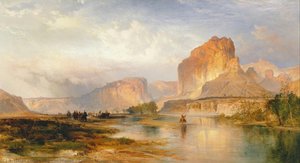
Thomas Moran's “The Fisherman’s Wedding Party,” painted in 1892, isn’t merely a depiction of a lakeside celebration; it’s a vibrant distillation of the American West’s spirit—a testament to its rugged beauty and the enduring allure of community. More than just a picturesque scene, this oil painting captures a fleeting moment of unbridled joy, radiating warmth and connection against the backdrop of the majestic Rocky Mountains. Moran, a pioneer in capturing the vastness and drama of the American landscape, masterfully employs his signature style to transport the viewer directly into the heart of this lively gathering.
The painting unfolds with an almost palpable sense of movement. Boats, laden with revelers, jostle for space on the water’s surface, their colorful sails billowing in the breeze. The figures themselves are rendered with a remarkable degree of detail – faces alight with laughter, hands raised in toasts, and bodies swaying to the rhythm of celebration. Moran's skill lies not just in accurately portraying these individuals but in conveying the underlying energy of the event—the shared joy, the camaraderie, and the feeling of being part of something special.
The Hudson River School’s Romantic Vision
Moran belonged to the esteemed Hudson River School, a group of American artists who sought to elevate landscape painting to an art form. Unlike their European counterparts, who often focused on grand historical scenes or mythological narratives, the Hudson River School turned its gaze inward, exploring the beauty and power of the natural world within America’s own borders. Moran, deeply influenced by J.M.W. Turner's expressive use of light and color, translated this influence into his own distinctive style—characterized by luminous washes, atmospheric perspective, and a profound sense of scale.
“The Fisherman’s Wedding Party” exemplifies this approach perfectly. Moran doesn’t simply record the scene; he imbues it with an emotional resonance through his masterful manipulation of color and light. The warm hues of the sunset bleed across the sky, casting a golden glow on the boats and figures below. The water shimmers with reflected light, creating a sense of depth and movement that draws the viewer into the heart of the painting. The careful layering of paint—a hallmark of Moran’s technique—builds up texture and dimension, giving the scene a tangible quality.
A Glimpse into Victorian America
To fully appreciate “The Fisherman’s Wedding Party,” it's helpful to consider its historical context. Painted in 1892, during the height of the American Industrial Revolution, this painting represents a yearning for simpler times—a return to rural values and a celebration of community life. The scene evokes a sense of nostalgia for a bygone era, when families gathered together to celebrate milestones and share in the joys of life. The inclusion of the clock on the wall subtly references the passage of time, reminding us that these moments are fleeting but precious.
Furthermore, the painting reflects the growing fascination with the American West during this period. As westward expansion continued, artists like Moran played a crucial role in shaping public perception of the region—transforming it from a wild and untamed frontier into a romanticized landscape of majestic beauty. The presence of the boats and fishing activity also speaks to the importance of resourcefulness and connection with nature that were central values for many Americans at the time.
Symbolism and Emotional Resonance
Beyond its picturesque qualities, “The Fisherman’s Wedding Party” is rich in symbolism. The wedding itself represents new beginnings, hope, and the promise of a shared future. The boats symbolize movement, connection, and the journey of life. Even the birds soaring overhead—a detail often overlooked—add to the sense of freedom and joy. Moran's ability to imbue such seemingly simple elements with profound meaning is what elevates this painting beyond mere representation.
Ultimately, “The Fisherman’s Wedding Party” is a celebration of life, community, and the enduring beauty of the American West. It invites us to pause, reflect, and appreciate the moments that bring us together—a timeless message rendered with exquisite skill and heartfelt emotion by one of America's greatest landscape painters.
Obras relacionadas
Biografía del artista
**Primeros años y carrera**
Thomas Moran, un renombrado pintor y grabador estadounidense, nació el 12 de febrero de 1837 en Bolton, Inglaterra. Su familia se mudó más tarde a los Estados Unidos, estableciéndose en Nueva York, donde Moran eventualmente encontró su voz artística. Siendo hermano menor del artista marino Edward Moran, Thomas compartió un estudio con él, marcando el comienzo de su viaje artístico.**Estilo artístico e influencias**
El trabajo de Moran estuvo fuertemente influenciado por el artista británico J. M. W. Turner, cuyo uso del color y la elección de paisajes inspiraron a Moran a explorar temas similares en su propio trabajo. Esto es evidente en sus pinturas, que a menudo presentaban las montañas rocosas y el oeste americano. Su estilo, caracterizado por meticulosos detalles y una mezcla de realismo y romanticismo, le valió un lugar destacado dentro del movimiento Hudson River School.**Obras notables y logros**
- El Gran Cañón del Yellowstone (1872): Esta monumental pintura fue comprada por el gobierno por $10,000, marcando el primer reconocimiento significativo de Moran como artista.
- Parque Nacional Yellowstone: Los bocetos y pinturas de Moran jugaron un papel crucial en el establecimiento de Yellowstone como el primer parque nacional en 1872.
**Legado e impacto**
Las contribuciones de Moran a la pintura del paisaje americano son innegables. Su trabajo no solo reflejó la belleza del oeste americano, sino que también inspiró a una nueva generación de artistas. Hoy en día, sus pinturas se pueden encontrar en varios museos, incluido el Smithsonian American Art Museum, un testimonio de su legado duradero.- Ver las obras de arte de Thomas Moran en ArtsDot.com
- Más sobre Thomas Moran en Wikipedia
- Explore el movimiento artístico del Hudson River School en ArtsDot.com
Fechas clave:
- 12 de febrero de 1837: Nació en Bolton, Inglaterra
- 25 de agosto de 1926: Falleció en Santa Bárbara, California
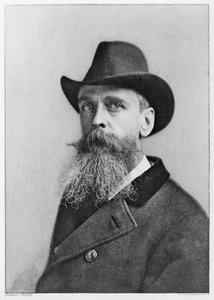
Thomas Moran
1837 - 1926 , Reino Unido
Datos clave
- Artistas Que Influyeron: ['J.M.W. Turner']
- Fecha De Fallecimiento: 25 de agosto de 1926
- Fecha De Nacimiento: 12 de febrero de 1837
- Influenciado A Artistas: ['Nueva generación de artistas']
- Lugar De Nacimiento: Bolton, Reino Unido
- Movimiento Artístico: Escuela del Río Hudson
- Nacionalidad: Británico-estadounidense
- Nombre Completo: Thomas Moran
- Obras Notables:
- Gran Cañón del Yellowstone
- Parque Nacional Yellowstone
Artículos relacionados
Eterna tu Amor: Pinturas Personalizadas para Bodas Inolvidables y un Legado Artístico
Crea un recuerdo eterno con una pintura de boda personalizada. te ofrece artistas expertos y obras únicas para celebrar tu amor. ¡Regalos inolvidables!
¿Recuerdos de Boda que no Aburren: Eleva tu Decoración con Arte Personalizado?
Eleva tu boda con arte personalizado. Descubre inspiración, tendencias y consejos expertos para una decoración nupcial inolvidable. te ayuda a crear recuerdos únicos.
Grant Wood & American Regionalism: Identity, Myth & the Rural Landscape
Explore the world of Grant Wood & American Regionalism with ArtsDot. Discover the symbolism behind 'American Gothic', recurring themes, and the movement's lasting impact on art history. High-quality reproductions available.
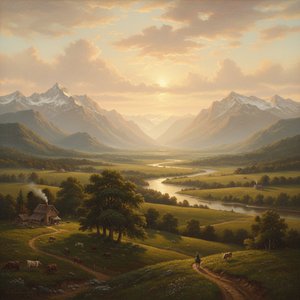
Thomas Hill: Luminosity, Landscape & the American Pastoral Ideal
Explore the luminous landscapes of Thomas Hill, a pivotal figure in the Hudson River School & Luminism movements. Discover his artistic journey, philosophical depth, and enduring legacy with ArtsDot.

Amor en Lienzo: 7 Estilos Románticos para tu Retrato de Boda Perfecto
Encuentra el retrato de boda perfecto que capture tu amor eterno. Explora estilos únicos y encarga una obra maestra personalizada con . ¡Regalos inolvidables!