 Ver en contexto
 Enviar
 Compartir
 Detalles

 Descargar
 Similares
 Radiografía
 Presentación de diapositivas
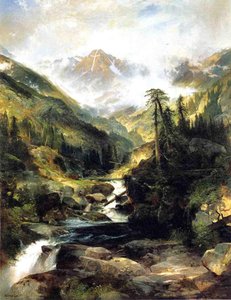
The Mosquito Trail, Rocky Mountains of Colorado


 Ver más
Giclée / Impresión de arte
Impresiones giclée o en lienzo de calidad de museo con producción rápida y opciones de acabado flexibles. ( Comprar pintura hecha a mano Comprar imagen)




P118B $10

P118H $10

P118W $10

P438Z $10

P508JH $12

P508YH $12

P805H $10

P805Z $10

P919BZ $10

P919G $10

P919XJ $10

P959ZH $10

P968JZ $12

W106C $8

W218G $10

W218JH $8

W218Y $10

W307PJ $10

W316G $10

W316PJ $8

W316Y $10

W398PJ $8

W4111J $10

W500HY $15

W500JH $15

W692G $12

W849H $8

W940BG $15

W953PJ $8




Elija entre nuestros tamaños predefinidos que respetan las proporciones originales de la obra.

Puede introducir sus propias dimensiones para adaptarse a un marco o espacio específico. Si el tamaño seleccionado no coincide con las proporciones de la imagen original, recortaremos la obra de arte o extenderemos la imagen con un borde con efecto espejo o de color sólido. Se enviará una maqueta digital para su aprobación antes de que comience la producción.
Tenga en cuenta que la vista previa en pantalla no refleja el recorte o la extensión real. Solo la maqueta mostrará con precisión la composición final.
Aunque existen tamaños personalizados, recomendamos seleccionar una dimensión de la lista predefinida para preservar las proporciones originales.
Envío a todo el mundo () en 2 semanas en lugar de las 4/5 semanas estándar. (27 agosto)

Envío exprés gratuito a todo el mundo

Lienzo de lino de alta calidad

Seguro de envío total

Garantía de reembolso de impuestos aduaneros

Garantía de fidelidad cromática exacta

Política de devolución de 60 días (solo por defectos)

Garantía de devolución del 100% del dinero

Descuento por cantidad
 La opción de vidrio solo está disponible en tamaños inferiores a 110 cm.

The Mosquito Trail, Rocky Mountains of Colorado
Giclée / Impresión de arte
Dimensiones de la reproducción
-


Precio total final
$ 62
A Vista of Majesty: Thomas Moran’s “The Mosquito Trail”
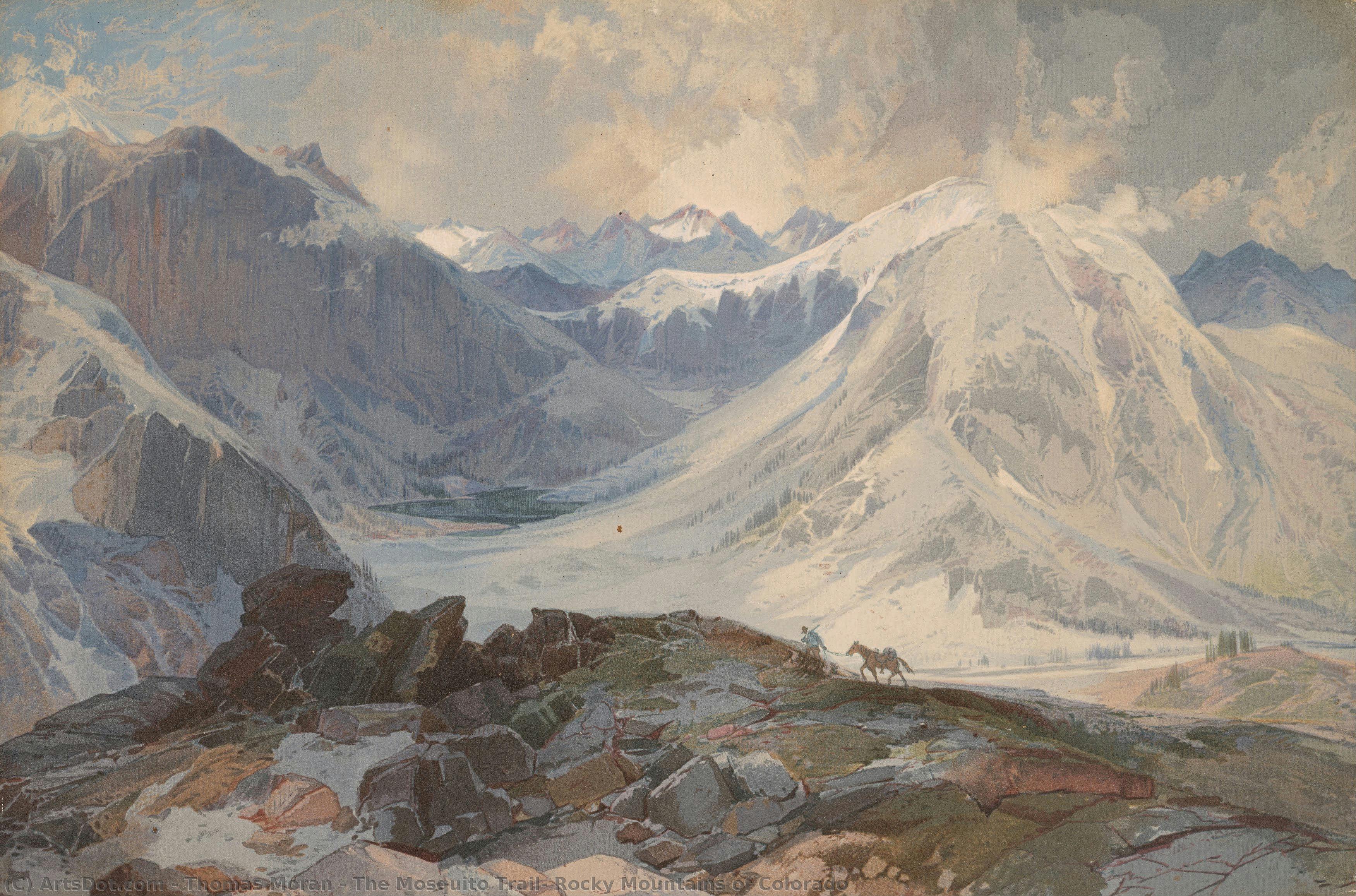
Thomas Moran's "The Mosquito Trail, Rocky Mountains of Colorado," painted in 1875, isn’t merely a landscape; it’s an immersive experience. This monumental work, rendered in oil on canvas, captures the raw, untamed spirit of the American West during a pivotal era of exploration and westward expansion. More than just a depiction of mountains and snow, it's a testament to the power of nature and the burgeoning fascination with the unexplored territories of North America – a feeling keenly felt by Moran himself, having emigrated from England seeking opportunity in this very landscape.
Moran’s artistic journey was deeply intertwined with the scientific expeditions that were charting the American West. He joined Ferdinand Vandeever Hayden's Geological Survey in 1871, tasked with documenting the extraordinary beauty and geological wonders of Yellowstone National Park – a region then largely unknown to the wider world. This expedition profoundly shaped Moran’s artistic vision, moving him beyond simple representation towards an evocative portrayal of the West’s grandeur. The painting itself is a direct result of this experience, capturing the scale and drama he witnessed firsthand.
A Symphony of Color and Light
The color palette immediately establishes a mood of serene majesty. Dominated by cool grays, blues, and whites – mirroring the vast expanse of the snow-covered peaks and the overcast sky – the painting avoids overt warmth, instead conveying a sense of quiet contemplation. Subtle hints of light reflect off the snowfields and rocky outcrops, creating delicate highlights that prevent the scene from feeling bleak. Moran masterfully employs atmospheric perspective; distant mountains fade into a hazy blue, diminishing in size and detail to emphasize their immense scale and the vastness of the landscape. This technique, borrowed from the Romantic painters like J.M.W. Turner, creates an illusion of depth that draws the viewer’s eye into the heart of the Rocky Mountains.
Moran's brushwork is both meticulous and expressive. He utilizes a combination of hard, precise lines to define the jagged edges of the mountains and the texture of the rocks, juxtaposed with softer, blended strokes for the clouds and distant peaks. This dynamic interplay creates a sense of movement within the scene – the wind whipping through the snow, the clouds shifting across the sky. The artist’s layering technique is evident in the subtle gradations of color, building up depth and atmosphere with each carefully applied brushstroke.
The Horses as Symbols of Human Presence
Scattered throughout the midground are several horses – a deliberate inclusion that speaks to the human element within this wild landscape. These animals aren’t simply added for visual interest; they represent the burgeoning frontier spirit, the drive to explore and tame the West. They also subtly acknowledge the impact of westward expansion on the natural world, suggesting a complex relationship between humanity and the untamed wilderness.
The title itself, “The Mosquito Trail,” hints at both the arduous journey required to traverse this terrain and the persistent challenges faced by those who ventured into these remote regions. It’s a reminder that even in such breathtaking beauty, survival demanded resilience and respect for the environment.
A Legacy of American Landscape Painting
"The Mosquito Trail" stands as a quintessential example of the American landscape painting movement known as the Hudson River School. Influenced by Romanticism's emphasis on emotion and nature’s sublime power, Moran’s work captures the awe-inspiring beauty of the American West while simultaneously conveying a sense of its inherent wildness. His meticulous attention to detail, masterful use of color and light, and evocative composition have cemented his place as one of the most celebrated artists of the 19th century – a painter who not only documented the landscape but also captured its very soul.
Obras relacionadas
Biografía del artista
**Primeros años y carrera**
Thomas Moran, un renombrado pintor y grabador estadounidense, nació el 12 de febrero de 1837 en Bolton, Inglaterra. Su familia se mudó más tarde a los Estados Unidos, estableciéndose en Nueva York, donde Moran eventualmente encontró su voz artística. Siendo hermano menor del artista marino Edward Moran, Thomas compartió un estudio con él, marcando el comienzo de su viaje artístico.**Estilo artístico e influencias**
El trabajo de Moran estuvo fuertemente influenciado por el artista británico J. M. W. Turner, cuyo uso del color y la elección de paisajes inspiraron a Moran a explorar temas similares en su propio trabajo. Esto es evidente en sus pinturas, que a menudo presentaban las montañas rocosas y el oeste americano. Su estilo, caracterizado por meticulosos detalles y una mezcla de realismo y romanticismo, le valió un lugar destacado dentro del movimiento Hudson River School.**Obras notables y logros**
- El Gran Cañón del Yellowstone (1872): Esta monumental pintura fue comprada por el gobierno por $10,000, marcando el primer reconocimiento significativo de Moran como artista.
- Parque Nacional Yellowstone: Los bocetos y pinturas de Moran jugaron un papel crucial en el establecimiento de Yellowstone como el primer parque nacional en 1872.
**Legado e impacto**
Las contribuciones de Moran a la pintura del paisaje americano son innegables. Su trabajo no solo reflejó la belleza del oeste americano, sino que también inspiró a una nueva generación de artistas. Hoy en día, sus pinturas se pueden encontrar en varios museos, incluido el Smithsonian American Art Museum, un testimonio de su legado duradero.- Ver las obras de arte de Thomas Moran en ArtsDot.com
- Más sobre Thomas Moran en Wikipedia
- Explore el movimiento artístico del Hudson River School en ArtsDot.com
Fechas clave:
- 12 de febrero de 1837: Nació en Bolton, Inglaterra
- 25 de agosto de 1926: Falleció en Santa Bárbara, California
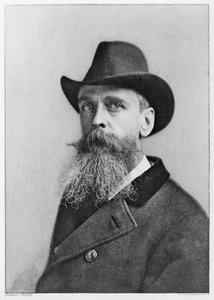
Thomas Moran
1837 - 1926 , Reino Unido
Datos clave
- Artistas Que Influyeron: ['J.M.W. Turner']
- Fecha De Fallecimiento: 25 de agosto de 1926
- Fecha De Nacimiento: 12 de febrero de 1837
- Influenciado A Artistas: ['Nueva generación de artistas']
- Lugar De Nacimiento: Bolton, Reino Unido
- Movimiento Artístico: Escuela del Río Hudson
- Nacionalidad: Británico-estadounidense
- Nombre Completo: Thomas Moran
- Obras Notables:
- Gran Cañón del Yellowstone
- Parque Nacional Yellowstone
Artículos relacionados
Grant Wood & American Regionalism: Identity, Myth & the Rural Landscape
Explore the world of Grant Wood & American Regionalism with ArtsDot. Discover the symbolism behind 'American Gothic', recurring themes, and the movement's lasting impact on art history. High-quality reproductions available.
Thomas Hill: Luminosity, Landscape & the American Pastoral Ideal
Explore the luminous landscapes of Thomas Hill, a pivotal figure in the Hudson River School & Luminism movements. Discover his artistic journey, philosophical depth, and enduring legacy with ArtsDot.

Evocations of Place: A Historical Journey Through Landscape Art
Explore the rich history of landscape art with ArtsDot. Discover renowned artists, movements like Impressionism & Romanticism, and expert guidance for collecting timeless pieces. Find your perfect serene escape today!
Albert Bierstadt: Luminosity, Landscape & the American Ideal
Explore the breathtaking landscapes of Albert Bierstadt, master of the American West & a leading figure in the Hudson River School. Discover his luminous style and iconic paintings – a timeless investment for art lovers.
Asher Brown Durand: Luminism, Landscape & the American Ideal – A Comprehensive Exploration
Explore the life & art of Asher Brown Durand, a founding member of the Hudson River School. Discover his masterful landscapes, Luminist techniques, and lasting impact on American painting. Learn about key works like 'Kindred Spirits' & collecting Durand today.