 Ver en contexto
 Enviar
 Compartir
 Detalles

 Descargar
 Similares
 Radiografía
 Presentación de diapositivas
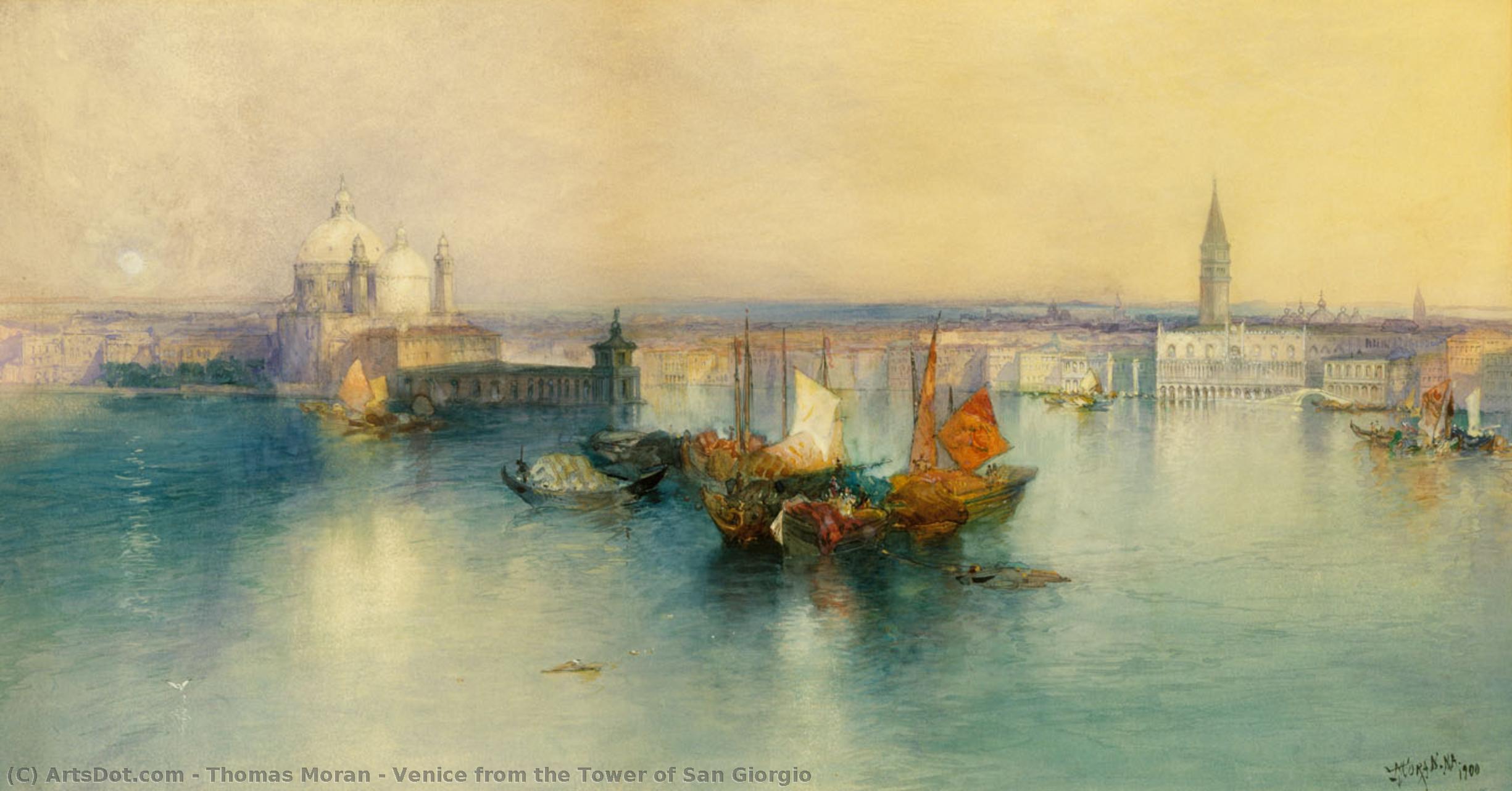
Venice from the Tower of San Giorgio
 Watercolor
- WallArt
- Romanticism
 1900
1900 42.0 x 74.0 cm
 Museo Smithsonian de Arte Americano
 Ver más
Reproducción al óleo hecha a mano
Óleo sobre lienzo pintado a mano en el tamaño y marco de su elección, realizado por encargo por nuestros artistas. ( Comprar impresión Comprar imagen)




P118B $10

P118H $10

P118W $10

P438Z $10

P508JH $12

P508YH $12

P805H $10

P805Z $10

P919BZ $10

P919G $10

P919XJ $10

P959ZH $10

P968JZ $12

W106C $8

W218G $10

W218JH $8

W218Y $10

W307PJ $10

W316G $10

W316PJ $8

W316Y $10

W398PJ $8

W4111J $10

W500HY $15

W500JH $15

W692G $12

W849H $8

W940BG $15

W953PJ $8




Elija entre nuestros tamaños predefinidos que respetan las proporciones originales de la obra.

Puede ingresar sus propias dimensiones para adaptarse a un marco o espacio específico. Si el tamaño seleccionado no coincide con las proporciones de la imagen original, recortaremos la obra o extenderemos la pintura con elementos adicionales pintados a mano. Se le enviará una maqueta digital para su aprobación antes de comenzar la producción.
Tenga en cuenta que la vista previa en pantalla no refleja el recorte o la extensión reales. Solo la maqueta mostrará con precisión la composición final.
Si bien existen tamaños personalizados, recomendamos seleccionar una dimensión de la lista predefinida para preservar las proporciones originales.
Tras realizar el pedido, el equipo de ArtsDot.com enviará un correo electrónico al cliente para solicitar instrucciones y proporcionarle una vista previa del boceto.
Envío a todo el mundo () en 3-4 semanas en lugar de las 5 semanas estándar. (24 agosto). Sin comprometer la calidad.

Envío exprés gratuito a todo el mundo

Lienzo de lino de alta calidad

Seguro de envío total

Garantía de reembolso de impuestos aduaneros

Garantía de fidelidad cromática exacta

Política de devolución de 60 días (solo por defectos)

Garantía de devolución del 100% del dinero

Descuento por cantidad
 La opción de vidrio solo está disponible en tamaños inferiores a 110 cm.

Venice from the Tower of San Giorgio
Técnica de reproducción
Dimensiones de la reproducción
-


Precio total final
$ 263
Descripción de la obra
Venice from the Tower of San Giorgio: A Masterpiece of Romantic Light
Thomas Moran’s “Venice from the Tower of San Giorgio,” painted in 1900, isn't merely a depiction of a city; it’s an immersion into a fleeting moment of ethereal beauty. This watercolor on paperboard captures the heart of Venice – its shimmering canals, the majestic silhouette of the Doge’s Palace, and the iconic campanile of San Giorgio Maggiore rising above the lagoon – all bathed in the soft, diffused light of twilight. More than just a landscape painting, it's a testament to Moran’s ability to evoke atmosphere and emotion through color and composition, firmly establishing him as a pivotal figure within the American Hudson River School.
Moran, born in Bolton, England, brought with him an early fascination for the sea – a theme that subtly permeates his work, even when depicting seemingly landlocked vistas. His family’s emigration to America instilled a deep appreciation for the vastness of nature and the dramatic interplay of light and shadow. This journey profoundly shaped his artistic vision, influencing his choice of subjects and his meticulous attention to detail. The painting reflects this early influence, demonstrating a sensitivity to the nuances of natural light that would become a hallmark of his style.
The Romantic Vision: Palladio’s Influence and the Pursuit of Light
The composition itself is deeply rooted in the principles of Romanticism, a movement that prioritized emotion, imagination, and the sublime. Moran clearly drew inspiration from J.M.W. Turner, whose masterful use of light and color profoundly impacted his own approach to landscape painting. Like Turner, Moran sought not simply to represent reality but to capture its essence – the feeling of being present in a particular place at a specific moment. The tower of San Giorgio Maggiore acts as a crucial compositional element, drawing the eye into the scene and anchoring the viewer within the vastness of the Venetian lagoon.
Notably, the painting’s genesis is intertwined with the architectural legacy of Andrea Palladio. Moran was commissioned to create this view specifically for Jay Cooke, a prominent financier who was instrumental in establishing Yellowstone National Park. Cooke, captivated by Palladio's designs, envisioned a similar harmony between architecture and nature, and he tasked Moran with capturing this ideal on canvas. The painting’s careful balance of man-made structures – the tower, the palace – and the natural world reflects this broader ambition.
Technique and Palette: A Symphony of Color
Moran's technique is characterized by a remarkable control over watercolor—a medium he expertly manipulated to achieve both delicate detail and broad washes of color. The painting’s luminosity stems from his masterful use of layering, glazing, and scumbling – techniques that build up the image gradually, creating a sense of depth and atmosphere. The palette is predominantly cool, dominated by blues, violets, and greens, reflecting the twilight hour. However, strategically placed highlights—particularly in the reflections on the water and the details of the buildings—add warmth and vibrancy to the scene.
Observe how Moran captures the subtle shifts in color as the light fades. The distant buildings are rendered in softer hues, while those closer to the viewer retain more detail and intensity. This careful gradation creates a convincing illusion of depth and distance, drawing the eye into the heart of the painting. The brushstrokes themselves are loose and expressive, contributing to the overall sense of movement and dynamism.
Symbolism and Emotional Resonance
Beyond its technical brilliance, “Venice from the Tower of San Giorgio” resonates with a profound sense of nostalgia and longing. The twilight setting evokes a feeling of melancholy beauty—a recognition of the fleeting nature of time and the impermanence of all things. Venice itself has long been associated with romance, mystery, and artistic inspiration, and Moran’s painting captures this spirit perfectly.
The inclusion of the tower of San Giorgio Maggiore is particularly significant. The tower, a symbol of faith and resilience, stands as a beacon in the darkening sky, offering a sense of stability and continuity amidst the ever-changing flow of the lagoon. Ultimately, Moran’s masterpiece invites us to contemplate the beauty of the natural world, the enduring legacy of architectural genius, and the profound emotional power of art.
Obras relacionadas


Biografía del artista
**Primeros años y carrera**
Thomas Moran, un renombrado pintor y grabador estadounidense, nació el 12 de febrero de 1837 en Bolton, Inglaterra. Su familia se mudó más tarde a los Estados Unidos, estableciéndose en Nueva York, donde Moran eventualmente encontró su voz artística. Siendo hermano menor del artista marino Edward Moran, Thomas compartió un estudio con él, marcando el comienzo de su viaje artístico.**Estilo artístico e influencias**
El trabajo de Moran estuvo fuertemente influenciado por el artista británico J. M. W. Turner, cuyo uso del color y la elección de paisajes inspiraron a Moran a explorar temas similares en su propio trabajo. Esto es evidente en sus pinturas, que a menudo presentaban las montañas rocosas y el oeste americano. Su estilo, caracterizado por meticulosos detalles y una mezcla de realismo y romanticismo, le valió un lugar destacado dentro del movimiento Hudson River School.**Obras notables y logros**
- El Gran Cañón del Yellowstone (1872): Esta monumental pintura fue comprada por el gobierno por $10,000, marcando el primer reconocimiento significativo de Moran como artista.
- Parque Nacional Yellowstone: Los bocetos y pinturas de Moran jugaron un papel crucial en el establecimiento de Yellowstone como el primer parque nacional en 1872.
**Legado e impacto**
Las contribuciones de Moran a la pintura del paisaje americano son innegables. Su trabajo no solo reflejó la belleza del oeste americano, sino que también inspiró a una nueva generación de artistas. Hoy en día, sus pinturas se pueden encontrar en varios museos, incluido el Smithsonian American Art Museum, un testimonio de su legado duradero.- Ver las obras de arte de Thomas Moran en ArtsDot.com
- Más sobre Thomas Moran en Wikipedia
- Explore el movimiento artístico del Hudson River School en ArtsDot.com
Fechas clave:
- 12 de febrero de 1837: Nació en Bolton, Inglaterra
- 25 de agosto de 1926: Falleció en Santa Bárbara, California

Thomas Moran
1837 - 1926 , Reino Unido
Datos clave
- Artistas Que Influyeron: ['J.M.W. Turner']
- Fecha De Fallecimiento: 25 de agosto de 1926
- Fecha De Nacimiento: 12 de febrero de 1837
- Influenciado A Artistas: ['Nueva generación de artistas']
- Lugar De Nacimiento: Bolton, Reino Unido
- Movimiento Artístico: Escuela del Río Hudson
- Nacionalidad: Británico-estadounidense
- Nombre Completo: Thomas Moran
- Obras Notables:
- Gran Cañón del Yellowstone
- Parque Nacional Yellowstone
Artículos relacionados

Acuarelas Legendarias: 10 Obras Maestras que Transformaron el Arte | ArtsDot
Descubre 10 acuarelas legendarias de Turner, Monet y Sargent que revolucionaron el arte. Explora la historia, técnica y belleza de estas obras maestras impresionistas y románticas. Reproducciones de museo en ArtsDot.com.

Ephemeral Visions: Exploring the Artistic Legacy & Contemporary Practice of Watercolor Painting
Explore the captivating world of watercolor painting! Discover its rich history, essential techniques, influential artists & collecting tips. A comprehensive guide for art enthusiasts from ArtsDot.

Visiones Efímeras: Historia y Resonancia Emocional de la Pintura Acuarela
Descubre la fascinante historia de la acuarela, desde sus orígenes hasta su expresión contemporánea. Explora técnicas, artistas clave como Paul Klee y encuentra reproducciones de alta calidad en ArtsDot.

Ephemeral Visions: Exploring the Artistic Legacy & Nuances of Watercolor Painting
Explore the captivating world of watercolor painting! Discover its rich history, essential techniques, influential artists & collecting tips from art experts. A comprehensive guide for enthusiasts.

Ephemeral Echoes: Exploring the Aesthetic & Historical Significance of Vintage Watercolor Painting
Explore the captivating world of vintage watercolor painting! Discover its rich history, techniques, influential artists & collecting tips. Expert insights for enthusiasts and collectors at ArtsDot.