

 Vista previa
 Compartir
 Compartir
 Ver detalles

 Descargar
 Ver similares
 Radiografía
 Presentación de diapositivas
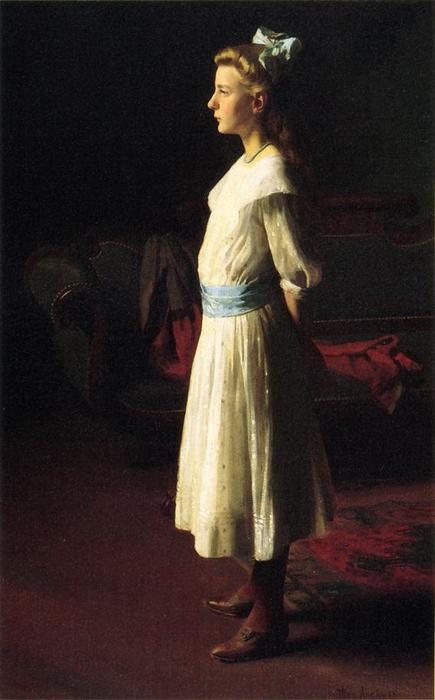
Portrait of Margaret Perot


 Leer más
Reproducción al óleo hecha a mano
Óleo sobre lienzo pintado a mano en el tamaño y marco de su elección, realizado por encargo por nuestros artistas. ( Pedir impresión Comprar descarga)




P118B $10

P118H $10

P118W $10

P438Z $10

P508JH $12

P508YH $12

P805H $10

P805Z $10

P919BZ $10

P919G $10

P919XJ $10

P959ZH $10

P968JZ $12

W106C $8

W218G $10

W218JH $8

W218Y $10

W307PJ $10

W316G $10

W316PJ $8

W316Y $10

W398PJ $8

W4111J $10

W500HY $15

W500JH $15

W692G $12

W849H $8

W940BG $15

W953PJ $8




Elija entre nuestros tamaños predefinidos que respetan las proporciones originales de la obra.

Puede ingresar sus propias dimensiones para adaptarse a un marco o espacio específico. Si el tamaño seleccionado no coincide con las proporciones de la imagen original, recortaremos la obra o extenderemos la pintura con elementos adicionales pintados a mano. Se le enviará una maqueta digital para su aprobación antes de comenzar la producción.
Tenga en cuenta que la vista previa en pantalla no refleja el recorte o la extensión reales. Solo la maqueta mostrará con precisión la composición final.
Si bien existen tamaños personalizados, recomendamos seleccionar una dimensión de la lista predefinida para preservar las proporciones originales.
Tras realizar el pedido, el equipo de ArtsDot.com enviará un correo electrónico al cliente para solicitar instrucciones y proporcionarle una vista previa del boceto.
Envío a todo el mundo () en 3-4 semanas en lugar de las 5 semanas estándar. (21 agosto). Sin comprometer la calidad.

Envío exprés gratuito a todo el mundo

Lienzo de lino de alta calidad

Seguro de envío completo

Garantía de reembolso de aranceles aduaneros

Garantía de fidelidad cromática exacta

Política de devolución de 60 días (solo por defectos)

Garantía de devolución del 100% del dinero

Oferta por volumen
 La opción de vidrio solo está disponible en tamaños inferiores a 110 cm.

Portrait of Margaret Perot
Técnica de reproducción
Tamaño de la reproducción
-


Precio total
$ 263
Descripción de la obra
A Moment Frozen in Time: The Portrait of Margaret Perot
Thomas Pollock Anshutz’s “Portrait of Margaret Perot,” painted in 1908, isn't merely a likeness; it’s a carefully constructed tableau of understated elegance and quiet contemplation. More than a century after its creation, the painting retains an arresting immediacy, inviting us into a private moment within a bygone era. It’s a work that speaks volumes through restraint – a testament to Anshutz’s mastery of capturing not just appearance, but also the subtle nuances of human character.
The subject, Margaret Perot, is presented in a three-quarter profile view, her gaze directed subtly towards the viewer's right. She stands within what appears to be a modestly furnished interior, perhaps a parlor or drawing room, draped with fabrics that hint at wealth and refinement. The composition immediately establishes a sense of formality, yet it’s tempered by an undeniable warmth – a feeling derived from Perot’s direct, yet not overly assertive, eye contact. The dark background serves as a powerful counterpoint to her figure, isolating her and drawing our attention entirely to her presence.
Realism Rooted in Observation: Anshutz's Technique
Anshutz was deeply influenced by Thomas Eakins, his mentor at the Pennsylvania Academy of Fine Arts, and this influence is evident in the meticulous detail and naturalistic approach of “Portrait of Margaret Perot.” The artist’s technique is characterized by a deliberate layering of oil paints, creating a rich surface texture that captures the subtle variations in light and shadow. Notice how he skillfully renders the folds of her dress, not with sharp outlines but with soft gradations of tone – an indication of his careful observation of form and fabric. The brushstrokes are generally smooth and blended, contributing to a sense of realism without sacrificing visual appeal.
The color palette is remarkably restrained, dominated by muted earth tones—creams, browns, and blues—that evoke a sense of timelessness. The ribbon adorning her hair adds a touch of delicate color, while the subtle blue in her dress hints at a connection to the outside world. Anshutz’s use of light is particularly effective; it's diffused and soft, illuminating Perot’s face and upper body without creating harsh contrasts. This creates an atmosphere of intimacy and invites us to linger on her expression.
Symbolism and Emotional Resonance
Beyond its technical merits, “Portrait of Margaret Perot” is imbued with a quiet sense of symbolism. The dark background could be interpreted as representing mystery or solitude, while the subject’s contemplative gaze suggests introspection and perhaps even a touch of reserved dignity. The pose itself—formal yet relaxed—conveys an air of self-possession and inner strength. It's not a portrait designed to dazzle with extravagance; rather, it aims to capture something deeper – the essence of a woman navigating her place in society.
Considering the historical context—1908, a period of significant social change and industrialization—the painting offers a poignant glimpse into the lives of the upper class. It’s a reminder that even within seemingly stable environments, there existed layers of complexity and unspoken emotions. The portrait speaks to the enduring power of art to capture not just appearances, but also the spirit of an age.
A Legacy of Realism: Anshutz's Place in Art History
Thomas Pollock Anshutz remains a significant figure in American art history, celebrated for his unflinching realism and his ability to portray everyday life with remarkable honesty. His work, exemplified by “Portrait of Margaret Perot,” reflects a shift away from idealized representations towards a more direct engagement with the world around him. Reproductions of this captivating portrait offer an accessible way to appreciate Anshutz’s artistic vision and experience the enduring appeal of his masterful technique.
Obras relacionadas
Biografía del artista
Primeros Años y Educación
- Nacido: Newport News, Estados Unidos de América (1851)
- Fallecido: 1912
- Anshutz recibió instrucción artística temprana en la Academia Nacional de Diseño a principios de la década de 1870 bajo la tutela de Lemuel Wilmarth.
- En 1875, se mudó a Filadelfia y estudió con Thomas Eakins en el Philadelphia Sketch Club, una influencia fundamental en su desarrollo artístico.
Influencias Artísticas Clave y Desarrollo
- Thomas Eakins: Un mentor significativo, el enfoque realista de Eakins moldeó profundamente el estilo de Anshutz, enfatizando la observación y representando la vida cotidiana con honestidad implacable.
- Movimiento Realista: Anshutz fue una figura clave en el movimiento realista estadounidense, rechazando las representaciones idealizadas para favorecer la representación de los sujetos tal como aparecían en la realidad.
- Fotografía: La incorporación de la fotografía por parte de Eakins a su enseñanza y práctica artística influyó en Anshutz para utilizar estudios fotográficos para sus pinturas.
- Viajes Europeos: Un viaje de luna de miel a París en 1892, donde asistió a clases en la Académie Julian, lo expuso a las tendencias artísticas europeas pero reforzó su compromiso con el realismo.
Obras Principales y Estilo Artístico
- Ironworkers' Noontime (1880): Considerada la obra más famosa de Anshutz, esta pintura representa a trabajadores industriales durante un descanso, ofreciendo una representación sombría de la vida fabril. Actualmente se encuentra en la colección de los Museos de Bellas Artes de San Francisco.
- Serie de Fotografías Desnudas con Eakins: Anshutz participó en los estudios fotográficos de modelos desnudos de Eakins, demostrando su disposición a explorar prácticas artísticas no convencionales.
- Paisajes de Holly Beach: Durante las vacaciones en Holly Beach, Nueva Jersey, Anshutz experimentó con acuarelas y una paleta más brillante, creando paisajes que mostraban un cambio hacia técnicas impresionistas.
- Retratista: Anshutz logró un éxito considerable como retratista, ganando numerosos premios por sus realistas representaciones de individuos.
- Estilo: Su estilo se caracteriza por el naturalismo, la meticulosa observación y un enfoque en representar las realidades de la vida cotidiana, a menudo con comentario social.
Carrera Docente y La Escuela Darby
- Academia de Bellas Artes de Pensilvania: Anshutz ocupó varios puestos de enseñanza en la Academia de Bellas Artes de Pensilvania, sucediendo finalmente a Eakins como demostrador jefe.
- La Escuela Darby (1898): Co-fundada con Hugh Breckenridge, La Escuela Darby fue una escuela de arte de verano que enfatizaba la pintura al aire libre y fomentaba la experimentación artística. Entre sus notables estudiantes se encontraban George Luks, Charles Demuth, John Sloan, Charles Sheeler, Everett Shinn, John Marin, William Glackens y Robert Henri.
- Filosofía Docente: Anshutz era conocido por su estilo de enseñanza accesible pero sarcástico, animando a los estudiantes a observar de cerca y desarrollar sus propias voces artísticas.
Significado Histórico
- Pionero del Realismo Estadounidense: Anshutz jugó un papel crucial en el establecimiento y la promoción del movimiento realista en el arte estadounidense.
- Influencia en Artistas Posteriores: Su enseñanza en la Academia de Bellas Artes de Pensilvania y La Escuela Darby influyó significativamente en generaciones de artistas estadounidenses, moldeando el desarrollo del arte moderno estadounidense.
- Comentario Social a Través del Arte: La obra de Anshutz a menudo abordaba temas sociales, como la industrialización y las condiciones laborales, contribuyendo a un panorama artístico más crítico y socialmente consciente.
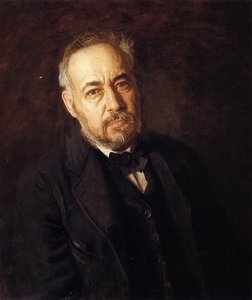
Thomas Pollock Anshutz
1851 - 1912 , Estados Unidos de América
Datos clave
- Artistas Influenciados: ['Darby School artists']
- Artistas Que Influyeron: ['Thomas Eakins']
- Fecha De Fallecimiento: 1912
- Fecha De Nacimiento: 1851
- Lugar De Nacimiento: Newport News, EE. UU.
- Movimiento Artístico: Realismo
- Nacionalidad: Estadounidense
- Nombre Completo: Thomas Pollock Anshutz
- Obras Notables:
- Ironworkers' Noontime
- Boys with a Boat
- Lumber Boat
- St. Cloud near Paris
Artículos relacionados
Romantic Realism's Finest: 10 Masterpieces for Your Home | ArtsDot
Explore 10 defining masterpieces of Romantic Realism! Discover Courbet, Millet & Daumier's powerful paintings—capturing emotion and social realities. Find museum-quality reproductions for your home at ArtsDot.com.
Thomas Pollock Anshutz: Capturing American Life with Realism & Reform
Explore the life & work of Thomas Pollock Anshutz, a key figure in American Realism. Discover his powerful paintings, influence on art education, and commitment to portraying everyday life with honesty and social awareness.
Realismo en el Arte: 10 Obras Maestras para Decorar con Autenticidad
Descubre 10 obras maestras del realismo, desde Courbet a Vermeer. Explora la historia, técnica y significado de estos icónicos cuadros. Encuentra reproducciones de arte de museo en ArtsDot.com y decora con autenticidad.

Realismo Contemporáneo: 10 Obras Maestras que Transformaron el Arte |
Descubre 10 obras maestras del Realismo Contemporáneo que revolucionaron el arte. Explora la historia, técnica y emociones de artistas como Lucian Freud y Gerhard Richter. Reproducciones de alta calidad en .

Ecos de la Sociedad: El Legado Duradero del Realismo Social en el Arte
Descubre el fascinante mundo del Realismo Social. Explora sus orígenes, artistas clave y su impacto duradero en la historia del arte. ¡Encuentra reproducciones de alta calidad en ArtsDot!

