

 Ver en contexto
 Enviar
 Compartir
 Detalles

 Descargar
 Similares
 Radiografía
 Presentación de diapositivas
 Stats
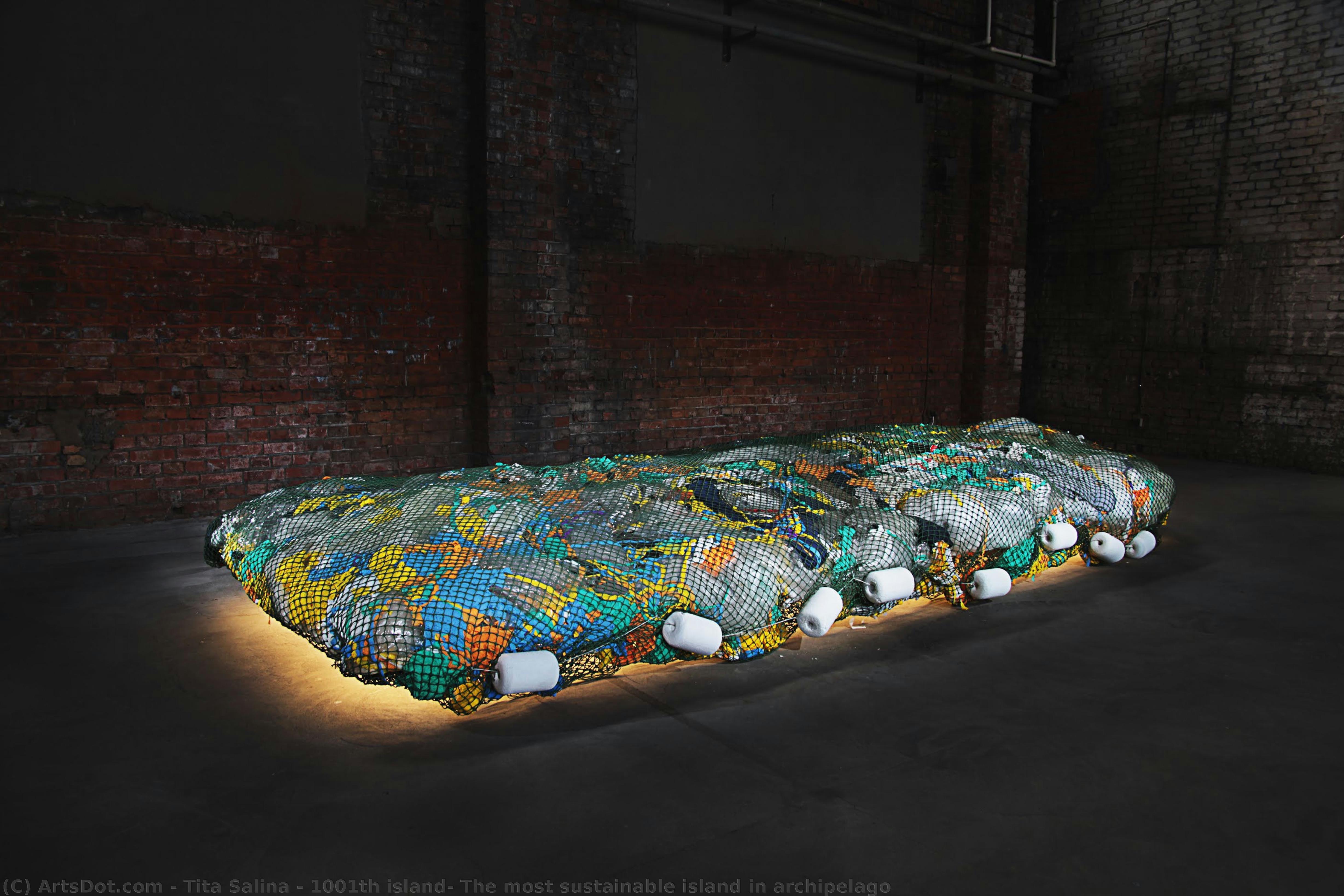
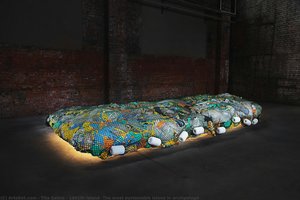
Stats1001th island: The most sustainable island in archipelago


 Ver más
Giclée / Impresión de arte
Impresiones giclée o en lienzo de calidad de museo con producción rápida y opciones de acabado flexibles. ( Comprar pintura hecha a mano Switch to Digital Image)




































Elija entre nuestros tamaños predefinidos que respetan las proporciones originales de la obra.

Puede introducir sus propias dimensiones para adaptarse a un marco o espacio específico. Si el tamaño seleccionado no coincide con las proporciones de la imagen original, recortaremos la obra de arte o extenderemos la imagen con un borde con efecto espejo o de color sólido. Se enviará una maqueta digital para su aprobación antes de que comience la producción.
Tenga en cuenta que la vista previa en pantalla no refleja el recorte o la extensión real. Solo la maqueta mostrará con precisión la composición final.
Aunque existen tamaños personalizados, recomendamos seleccionar una dimensión de la lista predefinida para preservar las proporciones originales.
Envío a todo el mundo () en 2 semanas en lugar de las 4/5 semanas estándar. (8 septiembre)

Envío exprés gratuito a todo el mundo

Lienzo de lino de alta calidad

Seguro de envío total

Garantía de reembolso de impuestos aduaneros

Garantía de fidelidad cromática exacta

Política de devolución de 100 días (solo por defectos)

Garantía de devolución del 100% del dinero

Descuento por cantidad
 La opción de vidrio solo está disponible en tamaños inferiores a 110 cm.

1001th island: The most sustainable island in archipelago
Giclée / Impresión de arte
Dimensiones de la reproducción
-


Precio total final
$ 62
Obras relacionadas





Biografía del artista
Tita Salina: A Voice from the Archipelago
Tita Salina’s artistic journey is inextricably linked to her homeland, Indonesia – a nation of breathtaking beauty and profound challenges. Born in Sumatra in 1973, she emerged as an artist deeply attuned to the complex realities of her environment, particularly the escalating pressures on its coastal communities and ecosystems. Her work isn't merely observation; it’s a deliberate intervention, a call for awareness woven into striking visual narratives. Salina’s practice is fundamentally rooted in collaboration, often working alongside local fishermen and residents whose lives are intimately connected to the issues she explores – from plastic pollution and rising sea levels to governmental development projects and the displacement of traditional ways of life.
Early Influences and Artistic Development
Salina’s artistic foundation was laid at the Jakarta Institute of Art, where she studied graphic design. This background proved invaluable, providing her with a strong understanding of visual communication and composition – skills that she now employs to create powerfully resonant works. However, it was through her engagement with the burgeoning contemporary art scene in Indonesia, particularly during the late 1990s and early 2000s, that Salina began to forge her distinctive artistic voice. Early explorations involved documentary photography and video installations documenting social issues within Jakarta’s sprawling urban landscape. These initial projects established a commitment to addressing critical concerns through creative means, laying the groundwork for her later, more ambitious interventions.
The ‘Flame of the Pacific’ and Collaborative Storytelling
A pivotal moment in Salina's career arrived with the formation of “The Flame of the Pacific,” a collaborative project initiated with fellow artist Irwan Ahmett. This initiative, launched in 2018, represents a fundamental shift in her approach – moving beyond individual artistic statements to engage directly with communities facing significant challenges across the Indonesian archipelago. The core principle of ‘The Flame of the Pacific’ is to create platforms for dialogue and action, using art as a catalyst for social change. Their work frequently involves travelling to remote coastal villages, documenting local histories, and developing collaborative projects that address pressing issues such as environmental degradation, political corruption, and economic inequality. A key element of this approach is the use of participatory processes, ensuring that the voices and perspectives of marginalized communities are central to the creative process.
‘1001st Island: The Most Sustainable Island in Archipelago’ – A Statement on Waste and Displacement
Perhaps Salina's most widely recognized work is ‘1001st Island: The Most Sustainable Island in Archipelago,’ created for the 60th Venice Biennale in 2024. This striking installation, comprised of a massive island constructed entirely from plastic waste collected from Jakarta Bay, serves as both a poignant critique and an unsettling meditation on Indonesia’s environmental crisis. The island's creation involved collaboration with local fishermen, highlighting their direct experience with the devastating effects of pollution and rising sea levels. The deliberate exaggeration – labeling the island “the most sustainable” – underscores the absurdity of the situation while simultaneously drawing attention to the urgent need for systemic change. Accompanying this physical manifestation was a video documenting the process, further amplifying the work’s message of environmental responsibility and social justice. The piece is not simply an aesthetic statement; it's a powerful act of resistance against unsustainable practices and the displacement of communities threatened by climate change.
Legacy and Continuing Relevance
Tita Salina’s work transcends mere artistic expression; it functions as a vital form of social commentary, prompting critical reflection on Indonesia's complex socio-political landscape. Her commitment to collaborative storytelling, coupled with her willingness to confront difficult issues head-on, has established her as a leading voice within contemporary Indonesian art. Her ongoing projects through ‘The Flame of the Pacific’ continue to amplify marginalized voices and advocate for sustainable solutions. As Indonesia grapples with the challenges of rapid urbanization, environmental degradation, and political instability, Tita Salina's work remains profoundly relevant, serving as a potent reminder of the urgent need for creative engagement and social responsibility.
tita salina
Indonesia
Datos clave
- Artistic Movement Or Style: Contemporary art
- Full Name: Tita Salina
- Nationality: Indonesian
- Notable Artworks:
- 1001th island: The most sustainable island in archipelago
- Garuda Berkepala Naga (The Dragon-headed Garuda)
- Place Of Birth: Jakarta, Indonesia