

 Ver en contexto
 Enviar
 Compartir
 Detalles

 Descargar
 Similares
 Radiografía
 Presentación de diapositivas
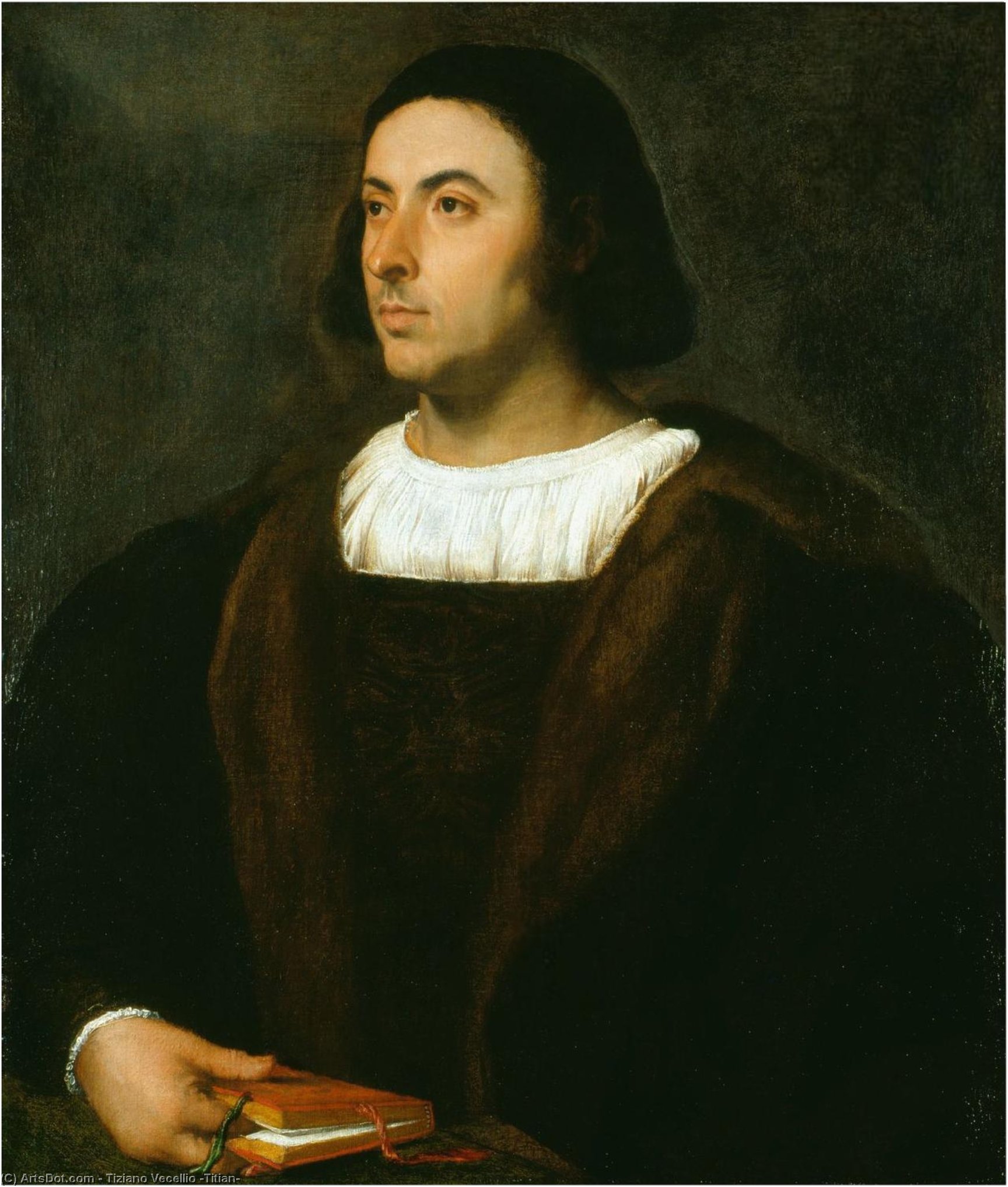
Portrait of Jacopo Sannazaro


 Ver más
Adquiera una imagen digital de alta resolución y optimizada, muy superior a la vista previa en línea.
Cada archivo es preparado meticulosamente por nuestros especialistas internos mediante el uso de herramientas avanzadas y un experto retoque manual. Nos aseguramos de que cada imagen posea una claridad excepcional, una precisión cromática impecable y un detalle minucioso.
El archivo final se entrega por correo electrónico en un plazo de 72 horas, optimizado para su uso inmediato en entornos profesionales, editoriales y de impresión. Esta es la misma calidad en la que confían los estudios de diseño, las editoriales y las galerías de primer nivel.
Imagen Digital
Descarga un archivo de alta resolución para exhibición personal, impresión y proyectos creativos. ( Comprar impresión Comprar pintura hecha a mano)
Incluido en cada pedido de imágenes digitales
Entrega digital experta, garantizada.
Al elegir ArtsDot.com, no solo está adquiriendo una imagen; está recibiendo una obra de arte digital mejorada profesionalmente, elaborada con precisión y respaldada por una garantía de satisfacción. Esto es todo lo que incluye su pedido, automáticamente:

Entrega rápida por email
Recibirá su archivo de imagen digital en alta resolución por correo electrónico en un plazo de 72 horas tras realizar su pedido, listo para su uso inmediato.

Archivo digital optimizado por IA
Su obra de arte se optimiza profesionalmente mediante herramientas avanzadas de IA y edición manual, garantizando el máximo detalle, claridad y precisión cromática.

Reenvío gratuito de por vida
¿Has borrado o perdido tu archivo por error? No te preocupes: te lo volveremos a enviar en cualquier momento, sin coste adicional.

Sin gastos de importación, siempre
Disfrute de su obra de arte al instante sin aduanas, aranceles ni gastos de envío; las descargas digitales siempre están libres de impuestos.

Garantía de fidelidad de color
Garantizamos que su imagen digital refleje los colores originales con la mayor fidelidad posible, mediante el uso de herramientas profesionales y gestión del color.

Garantía de satisfacción de 60 días
Si no está satisfecho con su imagen digital, la revisaremos o le reembolsaremos el 100% en un plazo de 60 días, sin preguntas.

100% Garantía de devolución de dinero
¿No está satisfecho? Obtenga un reembolso completo dentro de los 60 días posteriores a la recepción de su archivo digital, sin necesidad de explicaciones.

Descuentos por pedidos grandes
Compra 3 imágenes, ahorra 10% - Compra 5, ahorra 15% - Compra 10+, ahorra 20%. Ideal para proyectos creativos, galerías y agencias.
Descripción del coleccionable
A Window Into Renaissance Thought: Exploring Titian’s Portrait of Jacopo Sannazaro
The Venetian painter Titian Vecellio's "Portrait of Jacopo Sannazaro," completed in 1518, transcends mere representation; it embodies the very spirit of High Renaissance humanism and offers a captivating glimpse into the intellectual landscape of its time. More than just capturing a likeness, Titian meticulously crafted an image that speaks volumes about erudition, contemplation, and the humanist ideals championed by artists like Leonardo da Vinci and Michelangelo.Subject Matter and Context
The portrait depicts Jacopo Sannazaro (1465-1527), a Neapolitan poet and humanist scholar—a figure whose intellectual pursuits mirrored those of the era’s leading thinkers. Sannazaro's pose is deliberately understated, conveying an air of profound thoughtfulness as he gazes forward with unwavering concentration. He wears a dark robe adorned with a white collar, signifying both formality and scholarly distinction – attire typical for men engaged in serious intellectual endeavors. The inclusion of a book held delicately in his left hand serves as a potent symbol of Sannazaro’s dedication to learning and the humanist belief that reason and observation were paramount to understanding the human condition. Painted during a period marked by burgeoning Renaissance scholarship, this portrait reflects the broader cultural preoccupation with classical ideals and philosophical inquiry.Artistic Style and Technique: Mastering Light and Shadow
Titian's masterful technique exemplifies the hallmarks of High Renaissance art. He skillfully employs chiaroscuro—the dramatic interplay between light and dark—to sculpt Sannazaro’s face and hands, creating a palpable sense of depth and dimensionality. Visible brushstrokes contribute to the texture of the robe and background, imbuing the painting with an immediacy that transcends time. Unlike earlier artistic conventions prioritizing idealized beauty, Titian prioritized realism, striving to portray Sannazaro as he truly appeared—a man wrestling with complex ideas and emotions. The artist’s palette leans heavily toward muted tones, dominated by browns and blacks, which heighten the impact of subtle highlights illuminating Sannazaro's face and collar.Symbolism Beyond Appearance
The portrait is laden with symbolic significance. The book represents not merely knowledge but also virtue—a cornerstone of humanist philosophy. Sannazaro’s gaze directs outward, suggesting a preoccupation with broader intellectual concerns and perhaps even spiritual contemplation. Furthermore, the dark robe symbolizes humility and seriousness, reinforcing Sannazaro's status as a man devoted to scholarly pursuits. The overall composition is carefully balanced, emphasizing Sannazaro’s central presence while subtly conveying his inner life—a testament to Titian’s ability to communicate profound ideas through visual imagery.Emotional Resonance and Legacy
“Portrait of Jacopo Sannazaro” continues to resonate with viewers today because it captures the essence of human intellect and contemplative reflection. It invites us to consider the importance of introspection and the pursuit of knowledge—values that remain central to Western culture. As a meticulously crafted oil painting reproduction, this artwork allows collectors and interior designers alike to experience the beauty and power of Titian’s vision firsthand, preserving its original integrity while introducing it to new audiences eager for inspiration. Explore more reproductions at /en/art/show/art-8xz399-en/Obras relacionadas

Biografía del artista
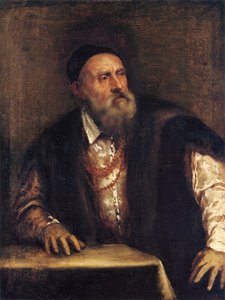
Tiziano Vecellio: The Venetian Titan
Tiziano Vecellio, universally known as Titian, stands as a monumental figure of the Italian Renaissance—perhaps its most celebrated colorist and a master who redefined the possibilities of oil painting. Born around 1490 in Pieve di Cadore, nestled amidst the dramatic landscapes of the Venetian Alps, his journey from humble beginnings to international acclaim is a testament to prodigious talent and an unwavering dedication to artistic innovation. The exact date of Titian’s birth remains elusive, debated by scholars, but contemporary sources and his early stylistic development converge on estimates between 1488 and 1490.
His father, Gregorio Vecellio, was a military man—a profession that instilled in young Tiziano a disciplined spirit and an appreciation for observation. Lucia, his mother, nurtured him with affection and fostered his artistic inclinations. Recognizing their sons’ potential, the family arranged for Tiziano and Francesco to apprentice with Sebastiano Zuccato, a mosaicist—a decision that would irrevocably alter the course of art history. This formative experience exposed them to the meticulous craftsmanship required for creating intricate decorative panels, shaping their aesthetic sensibilities from an early age.
Titian’s artistic training continued under Giovanni Bellini, who was then Venice’s most prominent painter and a revered teacher. Bellini’s workshop fostered a tradition of Venetian painting characterized by lyrical beauty and subtle tonal harmonies—influences that would permeate Titian’s oeuvre throughout his life. Notably, he collaborated closely with Giorgione—a fellow Venetian artist whose groundbreaking style championed atmospheric perspective and psychological depth.
A Master's Early Style: Giorgione's Influence
The partnership between Titian and Giorgione proved pivotal in shaping Titian’s artistic vision. Their collaboration on the exterior frescoes for the Fondaco dei Tedeschi—a bustling trading post frequented by German merchants—established a stylistic precedent that would endure for decades. The paintings showcased a remarkable sensitivity to light and color, reflecting Giorgione’s pioneering exploration of atmospheric perspective—a technique that aimed to convey the illusion of depth and realism.
Titian’s early works embody this Giorgionesque aesthetic—characterized by hazy landscapes, muted palettes, and an emphasis on capturing mood rather than precise detail. Paintings like *A Man with a Quilted Sleeve* exemplify his burgeoning talent for portraiture, skillfully portraying not only the physical likeness of his subjects but also their inner character—a hallmark of Venetian Renaissance painting.
Expanding Horizons: Bellini's Legacy and Artistic Maturity
Following Giorgione’s untimely death in 1510, Titian continued his artistic development under Giovanni Bellini’s guidance—though Bellini himself was gradually withdrawing from active painting. This period witnessed a gradual shift toward bolder compositions and more assertive color palettes—reflecting Titian’s growing confidence as an independent artist.
His monumental altarpiece for Santa Maria Gloriosa dei Frari—commissioned in 1518—marked a watershed moment in Venetian painting history. The ambitious undertaking demanded mastery of technique, compositional innovation, and chromatic brilliance—qualities that Titian possessed in abundance. This masterpiece cemented his reputation as Venice’s foremost painter and established him as a pioneer of monumental fresco painting.
The Venetian School's Dominance
Titian’s influence extended far beyond his own lifetime, shaping the artistic landscape of Europe for centuries to come. He became a cornerstone of the Venetian school—a movement that championed coloristic realism and psychological depth—inspiring artists across generations. From Rubens and Rembrandt to Delacroix and Monet, Titian’s techniques—particularly his innovative layering of pigments and his masterful manipulation of light—became models for aspiring painters.
His legacy endures not only in the masterpieces he created but also in the enduring fascination with color and emotion that characterizes Venetian art. Tiziano Vecellio—Titian—remains an unparalleled figure in the history of painting, a testament to artistic genius and an embodiment of the Renaissance spirit.
Tiziano
1490 - 1576 , Italia
Breves datos
- Artistic Movement Or Style: Renacimiento Veneciano
- Artists Or Movements Influenced By This Artist:
- Rubens
- Delacroix
- Artists Who Influenced This Artist:
- Giovanni Bellini
- Giorgione
- Date Of Birth: c. 1490
- Date Of Death: 1576
- Full Name: Tiziano Vecellio
- Nationality: Italiano
- Notable Artworks:
- La Schiavona
- Venus de Urbino
- Place Of Birth: Pieve di Cadore, Italia

