 Ver en contexto
 Enviar
 Compartir
 Detalles

 Descargar
 Similares
 Radiografía
 Presentación de diapositivas
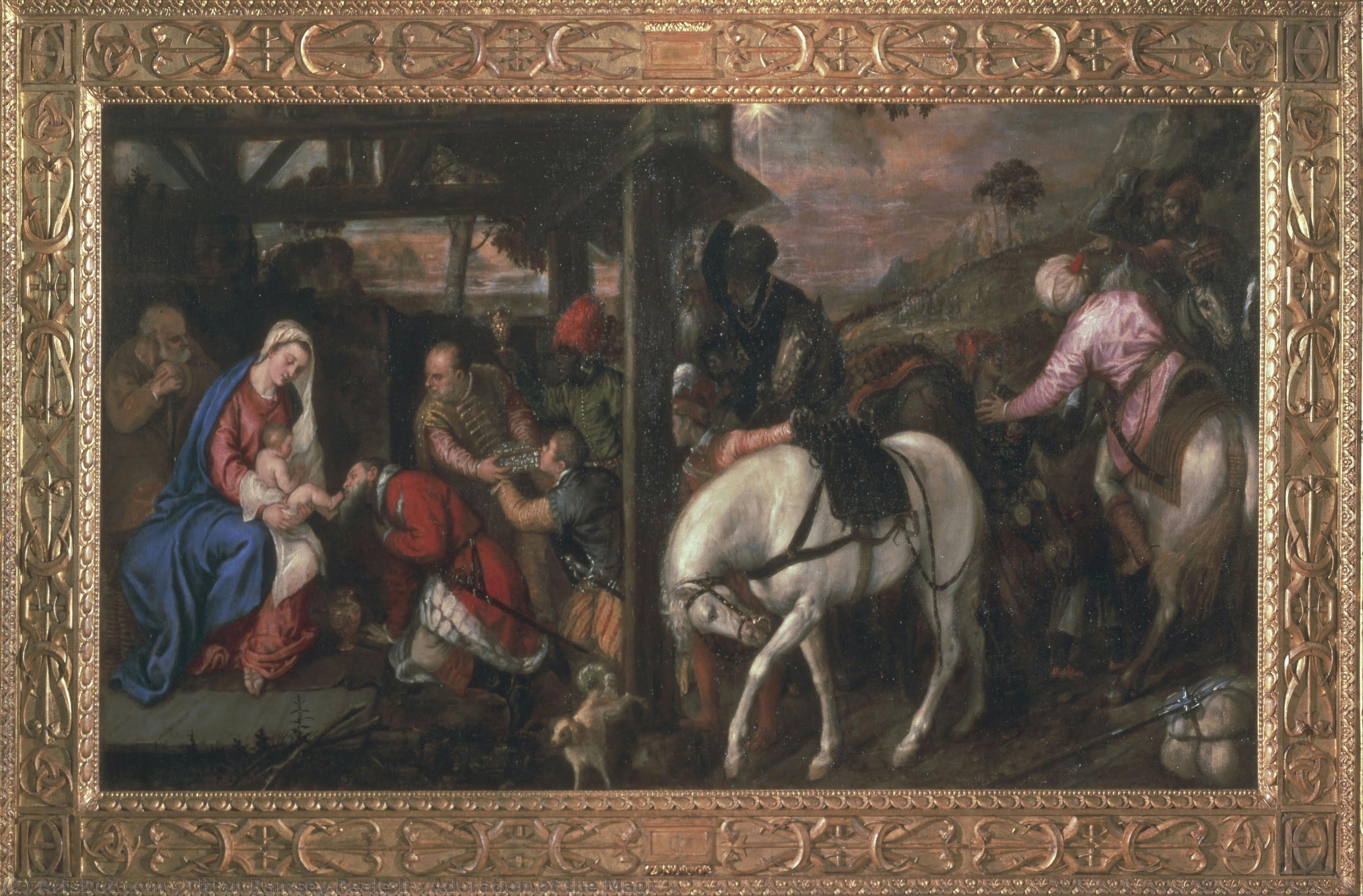
Adoration of the Magi
 Oil On Canvas
- WallArt
- High Renaissance
 1559
1559 223.0 x 120.0 cm
 Ver más
Reproducción al óleo hecha a mano
Óleo sobre lienzo pintado a mano en el tamaño y marco de su elección, realizado por encargo por nuestros artistas. ( Comprar impresión Comprar imagen)




P118B $10

P118H $10

P118W $10

P438Z $10

P508JH $12

P508YH $12

P805H $10

P805Z $10

P919BZ $10

P919G $10

P919XJ $10

P959ZH $10

P968JZ $12

W106C $8

W218G $10

W218JH $8

W218Y $10

W307PJ $10

W316G $10

W316PJ $8

W316Y $10

W398PJ $8

W4111J $10

W500HY $15

W500JH $15

W692G $12

W849H $8

W940BG $15

W953PJ $8




Elija entre nuestros tamaños predefinidos que respetan las proporciones originales de la obra.

Puede ingresar sus propias dimensiones para adaptarse a un marco o espacio específico. Si el tamaño seleccionado no coincide con las proporciones de la imagen original, recortaremos la obra o extenderemos la pintura con elementos adicionales pintados a mano. Se le enviará una maqueta digital para su aprobación antes de comenzar la producción.
Tenga en cuenta que la vista previa en pantalla no refleja el recorte o la extensión reales. Solo la maqueta mostrará con precisión la composición final.
Si bien existen tamaños personalizados, recomendamos seleccionar una dimensión de la lista predefinida para preservar las proporciones originales.
Tras realizar el pedido, el equipo de ArtsDot.com enviará un correo electrónico al cliente para solicitar instrucciones y proporcionarle una vista previa del boceto.
Envío a todo el mundo () en 3-4 semanas en lugar de las 5 semanas estándar. (25 agosto). Sin comprometer la calidad.

Envío exprés gratuito a todo el mundo

Lienzo de lino de alta calidad

Seguro de envío total

Garantía de reembolso de impuestos aduaneros

Garantía de fidelidad cromática exacta

Política de devolución de 60 días (solo por defectos)

Garantía de devolución del 100% del dinero

Descuento por cantidad
 La opción de vidrio solo está disponible en tamaños inferiores a 110 cm.

Adoration of the Magi
Técnica de reproducción
Dimensiones de la reproducción
-


Precio total final
$ 263
Descripción de la obra
A Vision of Celestial Reverence: The Adoration of the Magi
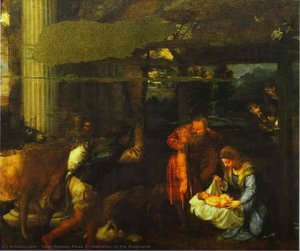
Titian Ramsay Peale II’s “Adoration of the Magi” isn't merely a painting; it’s a meticulously crafted window into a world where Renaissance ideals converge with a profound sense of spiritual wonder. Completed around 1560, this monumental work transcends its biblical subject matter to become a testament to the artist’s extraordinary skill and his deep engagement with the artistic traditions of Venice – a city he would later call home. The scene unfolds within a richly detailed interior, bathed in an ethereal light that seems to emanate from the heavens themselves. At the heart of this tableau stands Mary, Joseph, and the infant Jesus, surrounded by the awe-struck figures of the Magi, each rendered with breathtaking realism and imbued with distinct personalities.
Peale’s masterful technique is immediately apparent. He employs a complex layering of oil paint, building up textures and values to create an astonishing sense of depth and volume. The fabrics – the opulent robes of the Magi, the humble garments of Mary and Joseph – are rendered with meticulous attention to detail, showcasing the artist's deep understanding of material properties. Notice particularly the shimmering gold leaf used to highlight the gifts presented to the Christ Child; a deliberate nod to the lavishness associated with royalty and divinity. The composition is carefully balanced, guiding the viewer’s eye through the scene from the central figures towards the periphery, creating a dynamic yet harmonious arrangement.
Echoes of Titian and Venetian Grandeur
The painting's genesis lies firmly within the artistic lineage of Venice, a city renowned for its vibrant color palettes, dramatic lighting, and masterful depictions of religious subjects. Peale’s work bears unmistakable similarities to the paintings of Titian, particularly in his use of warm, saturated colors and his ability to capture the emotional intensity of the scene. However, Peale subtly diverges from his Venetian influences, injecting a distinctly Northern European sensibility into his approach – a characteristic that reflects his own upbringing within the artistic circles of Philadelphia. The influence of Charles Willson Peale’s legacy is also palpable; as the son of a prominent portraitist and museum founder, Titian Ramsay Peale II inherited a deep appreciation for observation, documentation, and the representation of human figures.
Furthermore, the painting's composition draws upon established iconography. The Magi, traditionally identified as Gaspar, Melchior, and Balthazar – representing the East, Europe, and Africa respectively – are depicted in their regal attire, presenting gifts of gold, frankincense, and myrrh. This imagery aligns with the biblical narrative but also carries symbolic weight, signifying the universal recognition of Christ’s divinity. The inclusion of a dog at the bottom left corner adds an element of earthly realism to the scene, grounding the divine encounter in the everyday world.
Symbolism and Emotional Resonance
Beyond its technical brilliance, “Adoration of the Magi” is rich in symbolic meaning. The painting speaks to themes of humility, reverence, and the arrival of salvation. Mary’s serene expression and Joseph’s protective stance convey a sense of profound faith and devotion. The Magi's gestures of adoration underscore the universality of Christ’s birth – a moment that transcends cultural boundaries and unites humanity in recognition of its divine savior. The painting evokes a powerful emotional response, inviting viewers to contemplate the miracle of Christmas and the enduring power of belief.
Titian Ramsay Peale II's "Adoration of the Magi" is more than just a beautiful artwork; it’s a window into a bygone era—a testament to the artistic legacy of Venice, the influence of Charles Willson Peale, and the enduring power of faith. Its meticulous detail, vibrant colors, and profound symbolism continue to captivate audiences today, solidifying its place as a masterpiece of Renaissance art.
Obras relacionadas
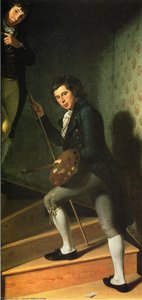
Biografía del artista
**vida temprana y comienzos artísticos**
titian ramsey peale ii, un nombre que resuena a través de los anales de la historia del arte, pero envuelto en una aura de misterio. Nacido en 1799, la vida temprana de Peale II estuvo marcada por una pasión incesante por las artes, lo que eventualmente lo llevó a convertirse en un pintor competente.**contribuciones artísticas y estilo**
La obra de Peale II, caracterizada por su estilo de la **renacimiento alta**, exhibe su dominio del óleo sobre tabla y lienzo. Obras notables incluyen:- retablo con cuatro santos (125 x 72 cm, óleo sobre tabla), un testimonio de su devoción al arte sacro.
- adoración de los pastores (palacio Pitti, Florencia, Italia, renacimiento alta, óleo sobre tabla), que refleja su capacidad para capturar momentos conmovedores.
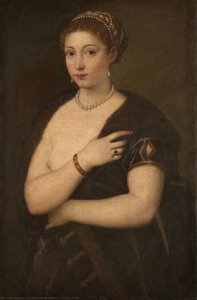
- la belleza (89 x 76 cm, palacio Pitti, Florencia, Italia, renacimiento alta, óleo sobre lienzo), un retrato que irradia elegancia y refinamiento.
**influencias y legado**
Aunque su vida no está tan bien documentada como la de algunos de sus contemporáneos, la obra de Peale II está indudablemente influenciada por el **renacimiento alto italiano**, con toques de colorismo veneciano. Su legado, aunque no fue ampliamente reconocido en su tiempo, ha sido redescubierto y apreciado a través del prisma de la crítica artística moderna.**dónde encontrar las obras de Peale II**
Para aquellos interesados en profundizar en el *oeuvre* de Peale II, titian ramsey peale ii: retablo con cuatro santos se puede encontrar en ArtsDot, junto con otras obras notables. La Galería Uffizi (Florencia, Italia) y el Palacio Pitti (Florencia, Italia) también presentan sus obras, ofreciendo una visión del mundo del artista.**conclusión**
Titian Ramsey Peale II, una figura enigmática en el mundo del arte, deja un rastro de obras maestras que continúan intrigando e inspirando. A través de ArtsDot y otros recursos, su obra es ahora más accesible que nunca, invitando a una nueva generación de entusiastas del arte a descubrir y apreciar sus contribuciones al **renacimiento alto**.- explore más obras de Peale II en ArtsDot.
- aprenda sobre otros artistas influyentes como giulio clovio, conocido por sus manuscritos iluminados.
- descubra la Sociedad de Arte Fino (Reino Unido, una institución líder en la promoción del patrimonio artístico, en ArtsDot.
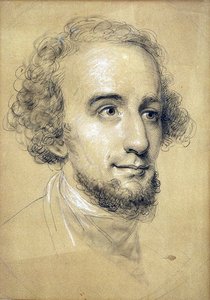
Titian Ramsay Peale II
1799 - 1885 , Estados Unidos
Datos clave
- Artistas Que Influyeron En Este Artista: ['Tiziano (Venecia)']
- Movimiento Artístico O Estilo: Alto Renacimiento
- Nacionalidad: Estadounidense
- Nombre Completo: Titian Ramsay Peale II
- Obras Notables:
- Altar Shrine con Cuatro Santos
- Adoración de los Pastores
- La Belleza
Artículos relacionados

Titian Ramsay Peale II: A Legacy of Botanical Precision & Artistic Innovation
Explore the life & art of Titian Ramsay Peale II, a master of botanical precision and wildlife painting. Discover his legacy bridging art & natural history at ArtsDot.

The Dramatic Flourish: Exploring the Baroque Movement's Enduring Legacy in Art History
Explore the dramatic world of Baroque art! Discover iconic artists like Caravaggio & Rubens, defining techniques, and its lasting impact on art history. Expert insights for collectors & enthusiasts at ArtsDot.

Drama Barroca: Llevando la Grandeza y la Emoción a los Interiores Contemporáneos
Descubre cómo el drama y la grandeza del arte barroco pueden transformar tus interiores. Guía experta, inspiración y reproducciones de alta calidad en .

Barroco Sublime: 10 Obras Maestras que Definieron una Época |
Descubre las 10 obras maestras del Barroco que marcaron una época. Caravaggio, Bernini y Velázquez cobran vida en . Reproducciones de arte de calidad museo para decorar tu hogar con elegancia. ¡Explora la colección online!
Charles Willson Peale: Portraiture, Enlightenment Ideals & Shaping American Identity
Explore the life & art of Charles Willson Peale – Revolutionary portraitist, scientist, and founder of America’s first museum. Discover his iconic paintings of Washington & the Enlightenment ideals that shaped a nation.