 Ver en contexto
 Enviar
 Compartir
 Detalles

 Descargar
 Similares
 Radiografía
 Presentación de diapositivas
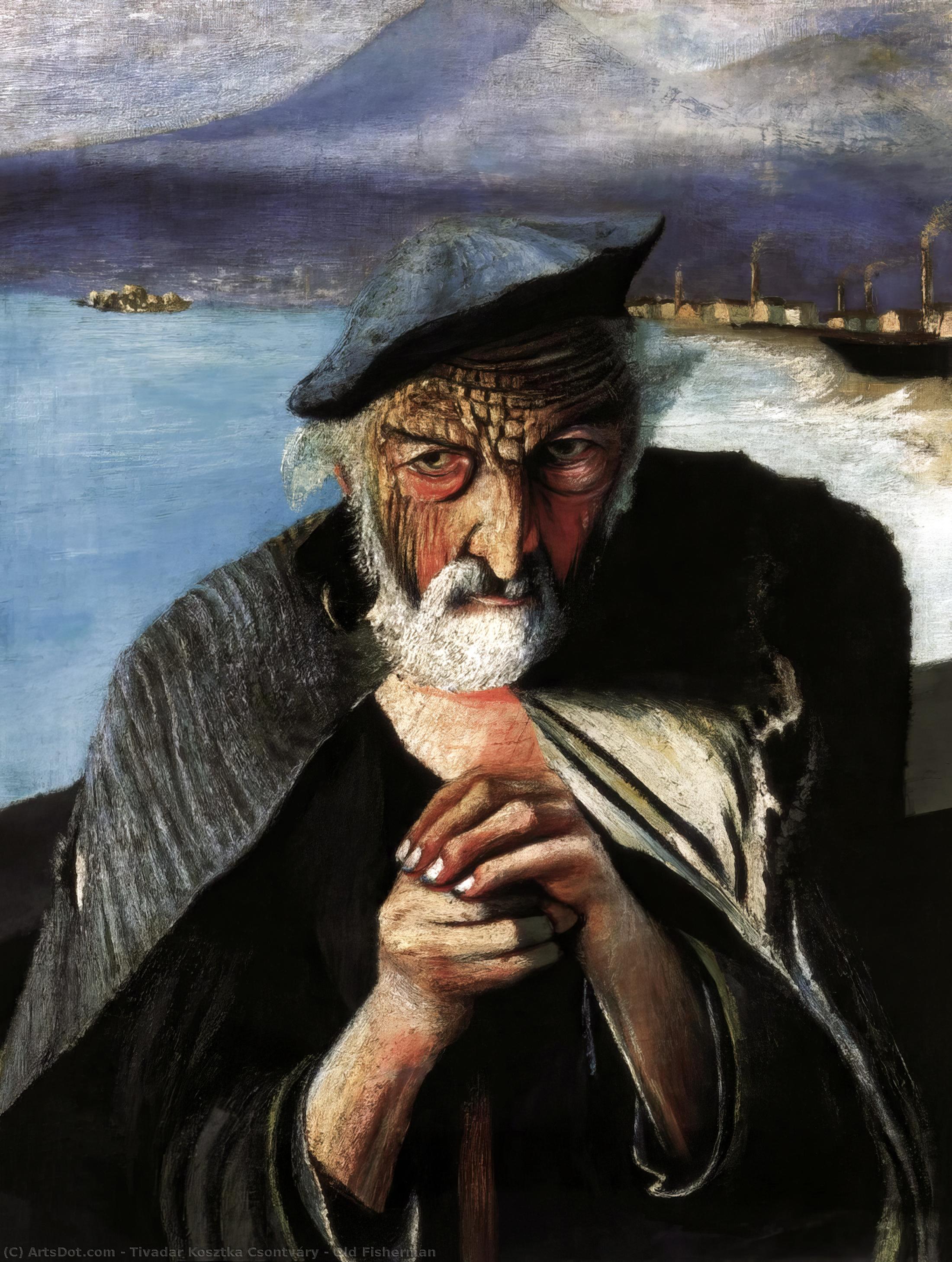
Old Fisherman
 Oil On Canvas
- WallArt
- Late 19th Century Realism
 1900
1900- 19th Century
 60.0 x 45.0 cm
 Museo Herman Ottó
 Ver más
Giclée / Impresión de arte
Impresiones giclée o en lienzo de calidad de museo con producción rápida y opciones de acabado flexibles. ( Comprar pintura hecha a mano Comprar imagen)




P118B $10

P118H $10

P118W $10

P438Z $10

P508JH $12

P508YH $12

P805H $10

P805Z $10

P919BZ $10

P919G $10

P919XJ $10

P959ZH $10

P968JZ $12

W106C $8

W218G $10

W218JH $8

W218Y $10

W307PJ $10

W316G $10

W316PJ $8

W316Y $10

W398PJ $8

W4111J $10

W500HY $15

W500JH $15

W692G $12

W849H $8

W940BG $15

W953PJ $8




Elija entre nuestros tamaños predefinidos que respetan las proporciones originales de la obra.

Puede introducir sus propias dimensiones para adaptarse a un marco o espacio específico. Si el tamaño seleccionado no coincide con las proporciones de la imagen original, recortaremos la obra de arte o extenderemos la imagen con un borde con efecto espejo o de color sólido. Se enviará una maqueta digital para su aprobación antes de que comience la producción.
Tenga en cuenta que la vista previa en pantalla no refleja el recorte o la extensión real. Solo la maqueta mostrará con precisión la composición final.
Aunque existen tamaños personalizados, recomendamos seleccionar una dimensión de la lista predefinida para preservar las proporciones originales.
Envío a todo el mundo () en 2 semanas en lugar de las 4/5 semanas estándar. (24 agosto)

Envío exprés gratuito a todo el mundo

Lienzo de lino de alta calidad

Seguro de envío total

Garantía de reembolso de impuestos aduaneros

Garantía de fidelidad cromática exacta

Política de devolución de 60 días (solo por defectos)

Garantía de devolución del 100% del dinero

Descuento por cantidad
 La opción de vidrio solo está disponible en tamaños inferiores a 110 cm.

Old Fisherman
Giclée / Impresión de arte
Dimensiones de la reproducción
-


Precio total final
$ 62
Descripción de la pieza
A Portrait of Solitude: Tivadar Csontváry’s ‘Old Fisherman’
Tivadar Csontváry Kosztka's “Old Fisherman,” painted in 1900, is more than a simple depiction of a weathered man and the sea; it’s a profound meditation on time, resilience, and the enduring connection between humanity and nature. Measuring 60 x 45 cm, this oil-on-canvas work embodies the late 19th-century realist style with subtle yet significant impressionistic touches, hallmarks of Csontváry's distinctive approach to capturing atmosphere and emotion. The painting’s power lies not just in its subject matter – a solitary fisherman contemplating his life against a dramatic coastal backdrop – but in the masterful execution of technique and the deeply layered symbolism embedded within.
A Masterclass in Texture and Light
Csontváry's technical skill is immediately apparent. The application of oil paint is deliberately rough, employing thick impasto strokes, particularly evident in the fisherman’s beard and the folds of his worn clothing. This technique isn’t merely decorative; it actively contributes to the painting’s emotional impact. The visible brushstrokes create a palpable sense of texture – the coarse grain of the fisherman's face, the weathered surface of the boats, the turbulent yet softened appearance of the water. The diffused lighting, suggestive of an overcast day, further enhances this tactile quality, inviting the viewer to almost feel the chill of the sea air. The artist’s deliberate rejection of smooth blending in favor of expressive brushwork aligns with the burgeoning interest in capturing fleeting moments and subjective experience that characterized the transition from academic realism to modern art.
Symbolism Woven into the Landscape
The composition itself is rich in symbolic meaning. The fisherman, positioned centrally and facing directly at the viewer, establishes an immediate connection – a silent dialogue across time and space. His contemplative gaze suggests introspection, wisdom gleaned from years spent battling the elements, and perhaps a quiet melancholy. The distant mountains, rendered with atmospheric perspective—a technique where objects appear fainter and bluer as they recede into the distance—symbolize both the vastness of nature and the limitations of human endeavor. The boats, small and vulnerable against the immense backdrop, represent the precariousness of life and livelihood dependent on the sea’s capricious moods. The muted color palette – blues, grays, browns, and whites – reinforces this sense of solemnity and timelessness.
Historical Context and Artistic Influence
Painted in 1900, “Old Fisherman” reflects the broader artistic currents of the late 19th century. Csontváry was a key figure in the Hungarian realist movement, influenced by artists like Gustave Courbet and Jean-François Millet, who sought to depict everyday life with unflinching honesty. However, unlike some of his contemporaries, Csontváry wasn’t solely focused on social realism; he possessed a deep sensitivity to landscape and atmosphere, often incorporating elements of Romanticism into his work. His exploration of the Hungarian countryside and its people—particularly those engaged in manual labor—earned him both critical acclaim and public affection. His ability to capture not just the physical appearance but also the spirit of his subjects cemented his place as one of Hungary’s most beloved artists.
A Timeless Reflection
“Old Fisherman” transcends its historical context, offering a timeless reflection on themes of solitude, resilience, and the human relationship with nature. It's a painting that invites contemplation, prompting viewers to consider their own place in the world and the enduring power of simple, honest lives. A hand-painted reproduction of this evocative artwork would be a stunning addition to any collection, bringing a touch of Hungarian artistic heritage and profound emotional resonance into your home or office.
Obras relacionadas


Biografía del artista
Tivadar Csontváry Kosztka, the Painter of Lights
Tivadar Csontváry Kosztka remains a captivating enigma in the landscape of Hungarian art—a painter whose life was as dramatic and unconventional as the canvases he produced. Born Mihály Tivadar Kosztka on July 5th, 1853, in Kisszeben (modern-day Sabinov, Slovakia), his origins were steeped in a fascinating confluence of cultures. His father, Dr. László Kosztka, was a physician and pharmacist, his mother Franciszka Hajczelmajer of Darócz (now Šarišské Dravce, Slovakia); his ancestors on his father’s side were Poles who settled in Hungary. This early immersion in diverse linguistic and cultural currents arguably contributed to the unique perspective that would later define his artistic vision—a vision both intensely personal and universally resonant. For many years, he dutifully followed in his father’s footsteps, practicing pharmacy until his twenties. However, a life-altering experience at the age of twenty-seven irrevocably altered his course. On October 13th, 1880, while immersed in his work, Csontváry claimed to receive a divine calling: a voice declared him destined to become “the greatest painter of the world, greater than Raphael.” This moment became the cornerstone of his artistic ambition, propelling him onto an extraordinary and often solitary path.From Apothecary to Artistic Pilgrim
The mystical vision irrevocably altered Csontváry’s trajectory. He abandoned his profession of pharmacist and embarked upon a period of intense preparation—fueled by unwavering self-belief and a relentless pursuit of artistic mastery. Initially rebuffed by traditional art schools, he persevered, traveling extensively throughout Europe—Rome, Paris, Munich—studying the masters and honing his skills. He financed these journeys by continuing to work as an apothecary, sacrificing personal comfort for the sake of his artistic calling. From 1890 onwards, his travels expanded beyond Europe, taking him to North Africa and the Middle East—to Dalmatia, Italy, Greece, Lebanon, Palestine, Egypt, and Syria. These lands became a profound source of inspiration, imbuing his canvases with exotic landscapes, dramatic light, and a sense of spiritual yearning. He wasn’t merely documenting what he saw; he was interpreting it through the lens of his own intensely personal vision—a vision often tinged with melancholy and a deep reverence for nature's power. The sheer scale of his ambition is reflected in the monumental size of many of his works, demanding attention and enveloping the viewer in their immersive landscapes.The ‘Sunway’ and a Unique Artistic Voice
Csontváry’s artistic style defies easy categorization. While often associated with Post-Impressionism and Expressionism, he remained largely self-taught, forging his own path. His paintings are characterized by their monumental scale—many stretch several meters in width and height—and a bold use of color and composition. He developed what he termed the “sunway” (*napút*)—an approach that emphasized the transformative power of light and its ability to reveal hidden truths. This wasn’t merely about depicting sunlight; it was about capturing the very essence of illumination, both physical and spiritual. His landscapes are often imbued with a sense of awe-inspiring grandeur, while his depictions of Middle Eastern scenes possess a haunting beauty and an undercurrent of melancholy. Works like *The Lonely Cedar* (1907) and *Pilgrimage to the Cedars in Lebanon* (1907) exemplify this approach—towering trees silhouetted against dramatic skies, evoking feelings of solitude, reverence, and the sublime. Other notable paintings include *Springtime in Mostar* (1903), capturing a romantic vision of the historic town, and *The Wailing Wall in Jerusalem* (1904), a poignant depiction of faith and remembrance. He sought to capture not just the appearance of things, but their underlying spiritual essence—a quality that sets his work apart from many of his contemporaries.Major Achievements and Recognition Delayed
Csontváry’s artistic journey was marked by both triumphs and tribulations. Despite facing rejection from established art institutions and enduring considerable financial hardship during his later years, he persevered with unwavering determination. He traveled extensively throughout Europe—Rome, Paris, Munich—studying the masters and honing his skills. His fascination with light and color—a cornerstone of his distinctive style—inspired him to create some of Hungary’s most iconic landscapes. The monumental *Rendezvous* (1902), depicting a couple embracing under moonlight, exemplifies this artistic vision—a painting that captures both beauty and mystery simultaneously. It achieved considerable acclaim among critics and collectors alike. His unwavering belief in his artistic calling—fueled by the prophetic voice he heard at age twenty-seven—served as an inspiration to him throughout his life. However, Csontváry’s work remained largely unrecognized during his lifetime, a tragic irony considering its enduring significance today.A Legacy Enduring Through Time
Csontváry’s story is not merely that of an artist; it's a testament to the power of belief, the pursuit of beauty, and the enduring legacy of a visionary who dared to paint his own truth. His canvases remain portals into a world where light itself becomes a spiritual force—a world waiting to be rediscovered by each new generation of art lovers. He died in Budapest on June 20th, 1919, largely unappreciated by the Hungarian art establishment, but today Tivadar Csontváry Kosztka is celebrated as Hungary’s greatest painter—a figure whose work continues to captivate and inspire audiences across cultures and generations. His paintings are held in prestigious collections such as the Hungarian National Gallery in Budapest and the Csontváry Museum in Pécs, ensuring that his legacy will endure for centuries to come.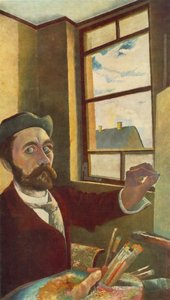
Tivadar Csontváry Kosztka
1853 - 1919 , Eslovaquia
Datos clave
- Artistic Movement Or Style: Post-Impressionismo, Expresionismo
- Artists Or Movements Influenced By This Artist: ['Sunway']
- Artists Who Influenced This Artist: ['Rafael']
- Date Of Birth: 5 julio 1853
- Date Of Death: 20 junio 1919
- Full Name: Tivadar Csontváry Kosztka
- Nationality: Húngaro
- Notable Artworks:
- El Encuentro de los Amantes
- La Cascada en Mostar
- El Muro Lamentoso
- Place Of Birth: Sabinov, Eslovaquia
Artículos relacionados
El Legado Duradero de la Pintura al Óleo Hecha a Mano: Valor Estético, Longevidad y Resonancia Emocional
Descubra el legado de la pintura al óleo hecha a mano. Reproducciones fieles por artistas expertos, asesoramiento profesional y una inversión artística duradera con ArtsDot.com.
Reproducción Artística: Explorando Medios para la Preservación y Diseminación del Patrimonio Visual
Descubre reproducciones de arte excepcionales hechas por artistas expertos. Lienzos personalizados y réplicas fieles con garantía de calidad museo. ¡Preserva el patrimonio visual!
Del Boceto Inicial a la Obra Duradera: Una Exploración Exhaustiva del Proceso de Reproducción de Pintura al Óleo
Descubre el arte de la reproducción al óleo artesanal con ArtsDot. Reproducciones fieles hechas a mano por expertos, personalización y asesoramiento profesional para galerías y hogares. ¡Invierte en belleza duradera!

El Siglo XIX en el Arte: 10 Obras Maestras para Decorar con Historia y Estilo
Descubre 10 obras maestras del siglo XIX: Monet, Goya y más. Explora el impresionismo, realismo y romanticismo que definieron una época. Encuentra reproducciones de arte exclusivas para decorar tu hogar con estilo en ArtsDot.com.
Convierta su NFT en una obra maestra: Venda reproducciones de óleo artesanal y reciba ingresos inmediatos
Descubre cómo convertir tus NFTs en ingresos reales con reproducciones de óleo artesanal de ArtsDot. Expertos en calidad y autenticidad, garantizamos entrega segura y satisfacción total. Transforma tu colección hoy.