

 Enviar
 Compartir
 Detalles

 Descargar
 Similares
 Presentación de diapositivas
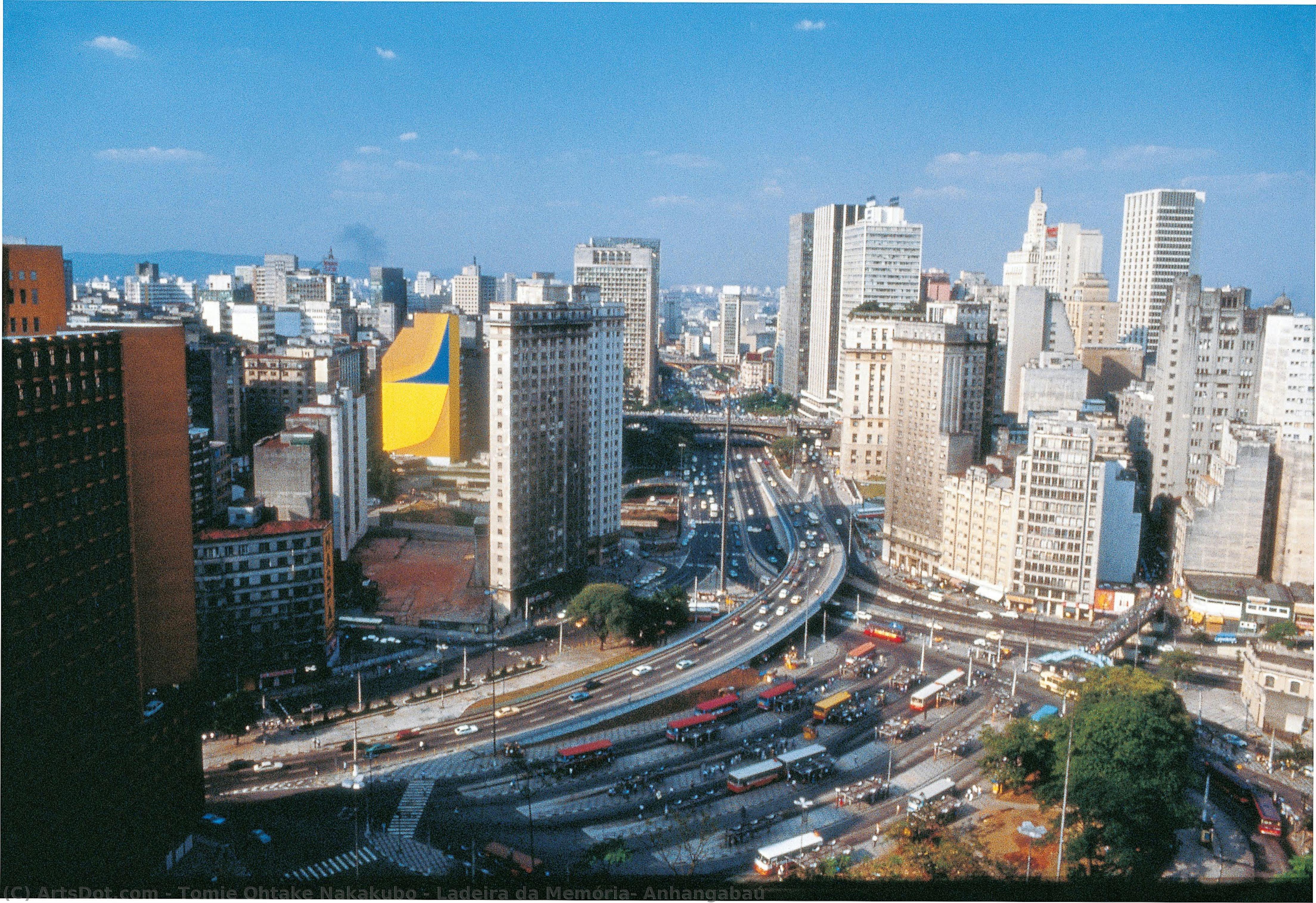
Ladeira da Memória, Anhangabaú


 Ver más
Reproducción al óleo hecha a mano
Óleo sobre lienzo pintado a mano en el tamaño y marco de su elección, realizado por encargo por nuestros artistas. ( Comprar impresión Comprar imagen)




































Elija entre nuestros tamaños predefinidos que respetan las proporciones originales de la obra.

Puede ingresar sus propias dimensiones para adaptarse a un marco o espacio específico. Si el tamaño seleccionado no coincide con las proporciones de la imagen original, recortaremos la obra o extenderemos la pintura con elementos adicionales pintados a mano. Se le enviará una maqueta digital para su aprobación antes de comenzar la producción.
Tenga en cuenta que la vista previa en pantalla no refleja el recorte o la extensión reales. Solo la maqueta mostrará con precisión la composición final.
Si bien existen tamaños personalizados, recomendamos seleccionar una dimensión de la lista predefinida para preservar las proporciones originales.
Tras realizar el pedido, el equipo de ArtsDot.com enviará un correo electrónico al cliente para solicitar instrucciones y proporcionarle una vista previa del boceto.
Envío a todo el mundo () en 3-4 semanas en lugar de las 5 semanas estándar. (26 agosto). Sin comprometer la calidad.

Envío exprés gratuito a todo el mundo

Lienzo de lino de alta calidad

Seguro de envío total

Garantía de reembolso de impuestos aduaneros

Garantía de fidelidad cromática exacta

Política de devolución de 60 días (solo por defectos)

Garantía de devolución del 100% del dinero

Descuento por cantidad
 La opción de vidrio solo está disponible en tamaños inferiores a 110 cm.

Ladeira da Memória, Anhangabaú
Técnica de reproducción
Dimensiones de la reproducción
-


Precio total final
$ 263
Descripción de la obra
A Window into Urban Pulse: Ladeira da Memória, Anhangabaú
In the captured essence of Ladeira da Memória, Anhangabaú, we are transported to the rhythmic, breathing heart of a metropolis in 1984. This evocative black and white photograph serves as more than just a visual record; it is a temporal bridge that connects the viewer to a bygone era of urban movement. The composition presents a sprawling cityscape where the architecture of progress looms large in the background, framing a street teeming with the kinetic energy of daily life. Through the lens of time, we witness a choreographed chaos of cars, trucks, and buses navigating the thoroughfares, interspersed with the steady, purposeful flow of pedestrians along the sidewalks. It is a scene that captures the very soul of urban existence—the constant, unceasing motion that defines the modern human experience.
The stylistic choice of monochrome photography elevates this piece from a mere documentary snapshot to a profound study of light, shadow, and texture. Without the distraction of color, the eye is drawn to the structural interplay between the towering silhouettes of the buildings and the intricate patterns created by the movement on the ground. The high contrast inherent in such a medium lends a dramatic weight to the scene, emphasizing the grit and grandeur of the city simultaneously. For the discerning collector or interior designer, this work offers a sophisticated layer of depth; its grayscale palette provides a timeless elegance that integrates seamlessly into contemporary minimalist settings or classic, moody gallery-style decors.
Beyond its technical mastery, the photograph carries a heavy sense of nostalgia and historical weight. Created during a period of significant urban evolution, the image documents a specific moment in the life of the Anhangabaú district, preserving the textures of a world before the digital saturation of the modern age. There is a poignant symbolism in the title itself—Ladeira da Memória (Slope of Memory)—which suggests that these streets are not merely conduits for traffic, but vessels for collective history. The bustling crowds and heavy machinery represent the relentless march of time, yet the stillness of the photograph allows us to pause and reflect on the fleeting nature of these moments.
For those seeking to adorn a space with art that provokes thought and conversation, this reproduction offers an unparalleled emotional impact. It evokes feelings of wanderlust, urban curiosity, and a deep respect for the architectural legacies of our cities. Whether placed in a professional studio, a high-end residential lounge, or a curated office space, Ladeira da Memória, Anhangabaú acts as a powerful focal point, inviting onlookers to lose themselves in its layers of movement and memory, finding beauty in the organized frenzy of the urban landscape.
Obras relacionadas

Biografía del artista
Early Life and Career
Tomie Ohtake Nakakubo, a luminary of Japanese Brazilian art, was born on November 21, 1913, in Kyoto, Japan. Her life took an extraordinary turn when she embarked on a journey to Brazil in 1936 at the age of twenty-three—a pilgrimage intended for her brother—but fate intervened, preventing her return home due to the escalating tensions surrounding World War II. This pivotal moment irrevocably altered the trajectory of her artistic path and ultimately cemented her place as one of Brazil’s foremost visual artists. Her formative years were marked by an encounter with Keisuke Sugano's studio in 1951, a connection that proved instrumental in shaping her artistic sensibilities. It was here that she honed her craft and began to explore the nascent realm of informal abstractionism—a movement poised to redefine Brazilian art’s landscape. Her debut exhibition arrived in 1957 at the Salão Nacional de Arte Moderna, establishing her presence within the burgeoning avant-garde scene. Subsequently, she graced the São Paulo Biennale stage in 1961, showcasing her evolving artistic vision alongside fellow innovators. Notably, her participation in the prints section of the Venice Biennale in 1972 and the Tokyo Biennale in 1978 solidified her reputation as a globally recognized artist.Artistic Journey
The genesis of Tomie Ohtake’s artistic vocation unfolded in São Paulo after her relocation from Japan. Guided by Sugano's mentorship, she immersed herself in figurative painting, absorbing influences from Impressionism and establishing herself as a cornerstone of Brazilian geometric abstraction. Her groundbreaking approach—characterized by bold primary colors and meticulously crafted geometric frames—immediately distinguished her work from prevailing trends. The impetus for this stylistic shift stemmed from a profound reaction to the pervasive rationalism dominating contemporary Brazilian artistic discourse. A defining moment arrived in 1988 when she undertook a daring experiment: blind painting. Stripped of visual cues, Ohtake deliberately obscured her eyes during sessions—a deliberate act designed to liberate her creative process from external constraints and championing an alternative path toward artistic expression. This courageous endeavor underscored her unwavering commitment to challenging conventional notions of perception and fostering innovation within the Brazilian art community.Notable Achievements
Tomie Ohtake’s legacy extends far beyond her studio practice, encompassing a profound engagement with public space sculpture—a vocation that yielded dozens of monumental artworks scattered throughout São Paulo. Her dedication to civic art earned her recognition through prestigious honors bestowed upon her for commemorating Japanese immigration in 1988 and cultural merit in 2006. These accolades served as testament to her enduring contribution to Brazilian culture and artistic heritage. Her artwork has garnered acclaim from esteemed institutions worldwide, including The Metropolitan Museum of Art, San Francisco Museum of Modern Art, and Tate—a testament to the universality of her artistic vision and its resonance across cultural boundaries. Explore Tomie Ohtake’s captivating creations on ArtsDot. Discover more about informal abstractionism in Brazil through ArtsDot's mixed subjects. Learn about the evolution of western art with wahoo art timeline.Family and Legacy
Tomie Ohtake was married to Ushio Ohtake, an agronomist, and together they nurtured a family comprising architects Rui Ohtake and Ricardo Ohtake—individuals who embody her artistic spirit and continue to champion innovation in their respective fields. Her passing on February 12, 2015, at the venerable age of 101 marked the end of an extraordinary life dedicated to art and familial devotion—leaving behind a legacy that will endure for generations to come.Collections and Exhibitions
Tomie Ohtake’s oeuvre has captivated collectors and curators alike, securing prominent positions within major museums across continents. Her paintings—particularly “Aché Laboratory” and “Embarkment at José Menino Beach”—represent seminal works of Brazilian art history. These pieces exemplify her masterful command of color and form, reflecting the profound influence of Japanese aesthetics on her artistic idiom.
Tomie Ohtake
1913 - 2015 , Japón
Datos clave
- Artistic Movement Or Style: Informal Abstractionismo
- Artists Or Movements Influenced By This Artist: ['Arte brasileño']
- Artists Who Influenced This Artist: ['Keisuke Sugano']
- Date Of Birth: November 21, 1913
- Date Of Death: February 12, 2015
- Full Name: Tomie Ohtake Nakakubo
- Nationality: Japonesa Brasileña
- Notable Artworks:
- Aché Laboratory
- Embarkment at José Menino Beach
- Place Of Birth: Kyoto, Japón
Artículos relacionados

Blanco Sublime: Los 10 Cuadros Más Famosos Dominados por la Luz y el Color
Descubre los 10 cuadros blancos más emblemáticos de la historia del arte. Explora Monet, Van Gogh y Klimt, y su magistral uso de la luz y el color. Encuentra reproducciones de alta calidad e inspírate para tu decoración en .

Las 10 Pinturas Más Famosas Dominadas por el Negro | Arte y Decoración
Descubre las 10 pinturas más impactantes dominadas por el negro. Explora obras maestras de Rembrandt, Goya y Rothko, su historia y significado. Encuentra reproducciones de arte exclusivas para transformar tu hogar en .

Monochrome Visions: Exploring the Aesthetic & Historical Significance of Black & White Photography
Explore the rich history & artistic power of black and white photography. From early techniques to iconic masters like Ansel Adams, discover why monochrome continues to captivate art lovers today. Expert insights for collectors.
Concrete Narratives: Exploring Urban Life in Modern & Contemporary Art
Explore the evolution of cityscape painting with ArtsDot. Discover key artists from Realism to contemporary movements & invest in timeless urban visions. Expert guidance, museum-quality reproductions.
Más Allá del Graffiti: Evolución e Impacto Cultural del Arte Callejero para Coleccionistas
Descubre la evolución del arte urbano y su impacto en el coleccionismo. Análisis de artistas clave, técnicas innovadoras e inversión en obras de street art. Guía experta para coleccionistas.

