

 Ver en contexto
 Enviar
 Compartir
 Detalles

 Descargar
 Similares
 Radiografía
 Presentación de diapositivas
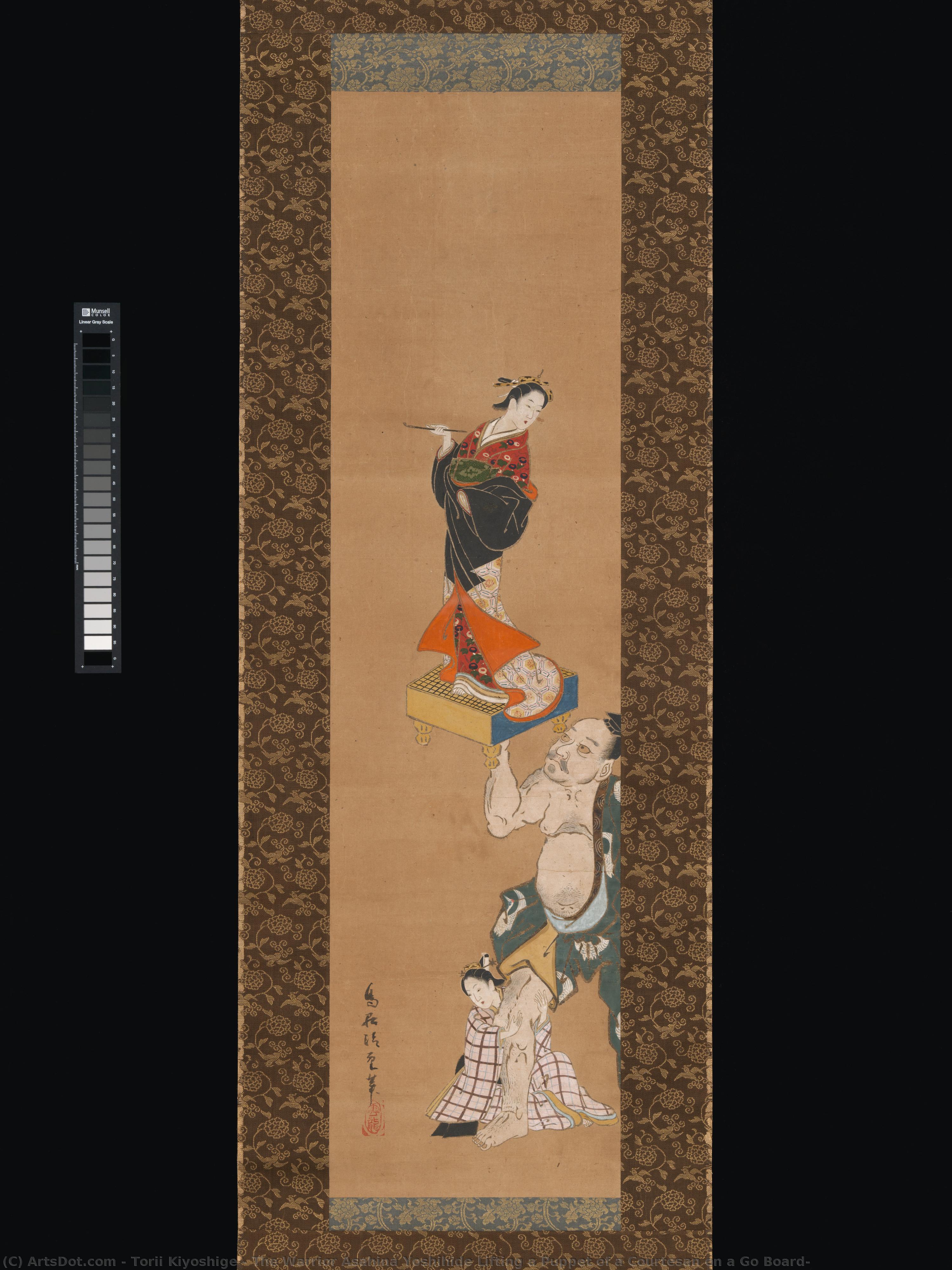
The Warrior Asahina Yoshihide Lifting a Puppet of a Courtesan on a Go Board
 701
701 76.0cm x 20.0cm
 Ver más
Giclée / Impresión de arte
Impresiones giclée o en lienzo de calidad de museo con producción rápida y opciones de acabado flexibles. ( Comprar pintura hecha a mano Comprar imagen)




































Elija entre nuestros tamaños predefinidos que respetan las proporciones originales de la obra.

Puede introducir sus propias dimensiones para adaptarse a un marco o espacio específico. Si el tamaño seleccionado no coincide con las proporciones de la imagen original, recortaremos la obra de arte o extenderemos la imagen con un borde con efecto espejo o de color sólido. Se enviará una maqueta digital para su aprobación antes de que comience la producción.
Tenga en cuenta que la vista previa en pantalla no refleja el recorte o la extensión real. Solo la maqueta mostrará con precisión la composición final.
Aunque existen tamaños personalizados, recomendamos seleccionar una dimensión de la lista predefinida para preservar las proporciones originales.
Envío a todo el mundo () en 2 semanas en lugar de las 4/5 semanas estándar. (27 agosto)

Envío exprés gratuito a todo el mundo

Lienzo de lino de alta calidad

Seguro de envío total

Garantía de reembolso de impuestos aduaneros

Garantía de fidelidad cromática exacta

Política de devolución de 60 días (solo por defectos)

Garantía de devolución del 100% del dinero

Descuento por cantidad
 La opción de vidrio solo está disponible en tamaños inferiores a 110 cm.

The Warrior Asahina Yoshihide Lifting a Puppet of a Courtesan on a Go Board
Giclée / Impresión de arte
Dimensiones de la reproducción
-


Precio total final
$ 62
Descripción de la pieza
Obras relacionadas










Biografía del artista
Torii Kiyoshige: A Pioneer of Ukiyo-e Drama and Color
Torii Kiyoshige (鳥居清重), born in Tokyo around 1716, was a pivotal figure in the flourishing Edo Period art scene, specifically within the Torii School—a collective of artists renowned for their masterful depictions of theatrical performances. Despite scarce biographical details, his legacy rests firmly on his contribution to Ukiyo-e, the “pictures of floating world,” a genre that captivated audiences with its vibrant colors and dynamic compositions. Kiyoshige’s work stands apart from contemporaries like Kiyonaga II and Kiyomasu II due to its depth and dynamism—characteristics indicative of a profound understanding of theatrical conventions and an exceptional command of artistic technique.Early Life and Artistic Training
Information regarding Kiyoshige's formative years remains elusive, mirroring the common predicament faced by many artists of his era. However, scholarly consensus suggests he honed his skills during Edo’s golden age—a period marked by unprecedented economic prosperity and cultural innovation. He was deeply influenced by the Torii School’s ethos, prioritizing meticulous observation and capturing the essence of theatrical experience. This dedication to realism combined with an innate talent for color palettes would become hallmarks of his distinctive style. The Torii School championed a rigorous approach to artistic practice, emphasizing detailed studies of human anatomy and expressive gesture—elements that profoundly shaped Kiyoshige's oeuvre.A Master of Dramatic Color Palette
Kiyoshige’s artistic signature is undeniably defined by his bold use of color—a characteristic that distinguishes him from many other Ukiyo-e artists of the time. He skillfully employed hues to convey emotion and atmosphere, mirroring the theatrical stage itself. His prints frequently featured dramatic contrasts between light and dark, enhancing visual impact and amplifying the narrative power of each scene. This masterful manipulation of color wasn’t merely decorative; it served as a crucial element in communicating the psychological complexities inherent within his subjects—primarily actors portraying iconic roles from Kabuki theater. Artists like Hishikawa Moronobu had established precedents for dramatic lighting and expressive coloration, inspiring Kiyoshige to push boundaries and explore new artistic possibilities.Notable Works and Artistic Style
Among Kiyoshige’s celebrated creations is “Ichikawa Yaozö I as Soga-no-Gorö,” sold at Christie’s New York in 2012 for $1,500.00—a testament to his ability to encapsulate the dramatic tension of a Kabuki performance. His prints meticulously rendered costumes, facial expressions, and gestures, capturing subtle nuances that conveyed character motivations and emotional states. Furthermore, Kiyoshige’s exploration of theatrical themes extended beyond mere representation; he sought to evoke the spirit of the theater itself—a feat achieved through masterful brushwork and color harmonies. He was particularly adept at portraying actors in moments of heightened emotion, utilizing expressive lines and vibrant colors to convey psychological depth. Like Kiyonaga II, Kiyoshige embraced Baroque influences, incorporating grandeur and theatrical illusion into his compositions—a stylistic choice that elevated Ukiyo-e beyond mere visual spectacle.Influence and Legacy
Kiyoshige’s influence resonated throughout the Torii School and beyond, shaping the trajectory of Ukiyo-e art. He established himself as one of the foremost practitioners of this influential artistic movement, securing his place in Japanese art history. His prints remain invaluable resources for understanding Edo Period culture and theatrical conventions, cementing his contribution to Japanese artistic heritage. The Torii School’s emphasis on realism and dramatic color palettes solidified Kiyoshige's position as one of the most respected artists of his time—a legacy that continues to inspire artists today.
Torii Kiyoshige
Japón
Datos clave
- Artistic Movement Or Style: Ukiyo-e School
- Artists Who Influenced This Artist:
- Torii Kiyonaga
- Komatsuya Hyakki
- Date Of Birth: Tokyo, Japón
- Full Name: Torii Kiyoshige
- Nationality: Japonés
- Notable Artworks:
- Ichikawa Yaozö I as Soga-no-gorö
- The Actor Sawamura Sojuro II
- The Actor Sawamura Sojuro I as Soga no Juro
- Minamoto no Yoritomo Hiding in a Tree
- Yoshiwara: Mount Fuji on the Left (Yoshiwara, hidari Fuji)
- Place Of Birth: Tokio

