

 Ver en contexto
 Enviar
 Compartir
 Detalles

 Descargar
 Similares
 Radiografía
 Presentación de diapositivas
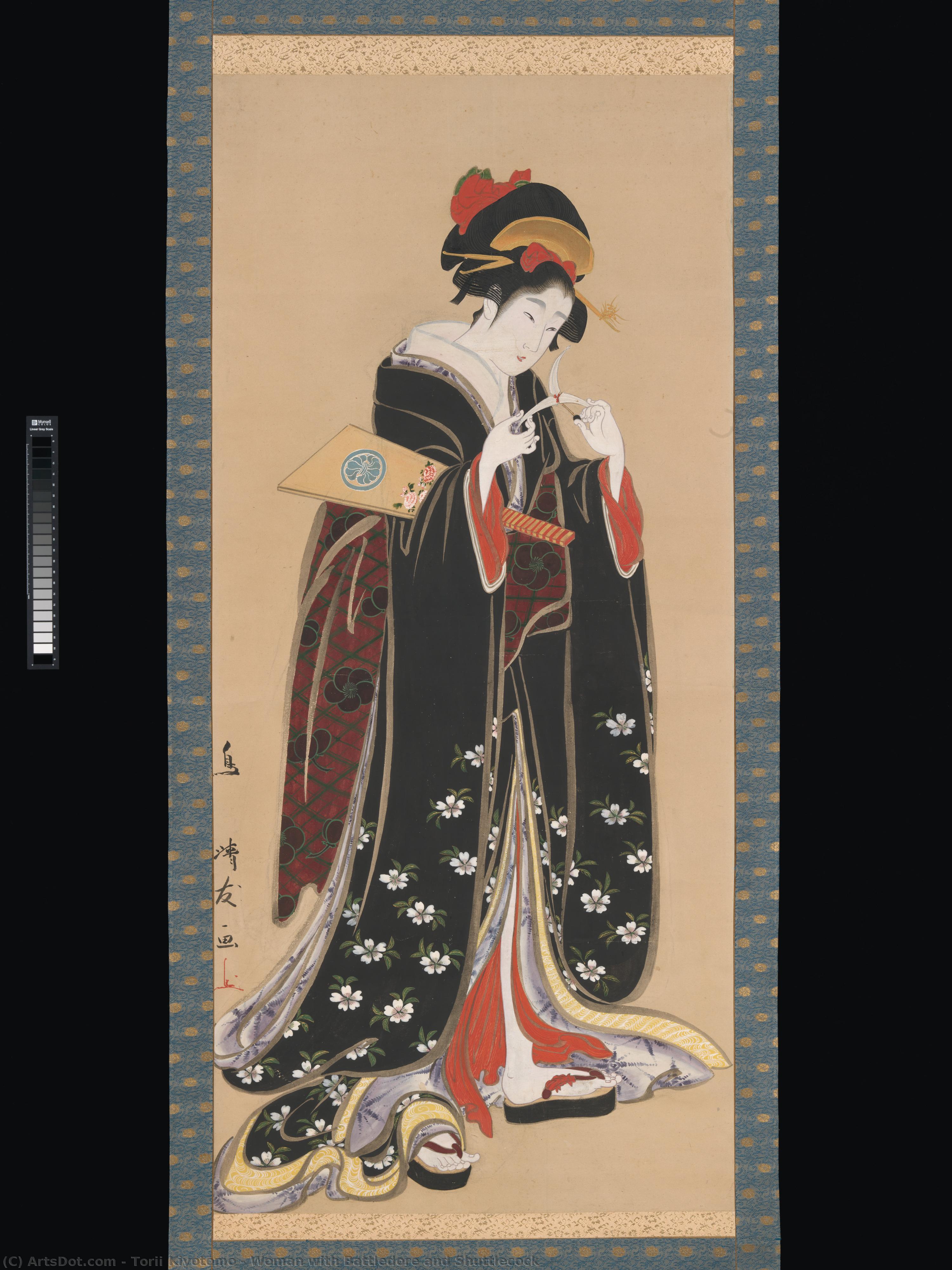
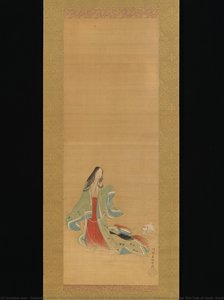
Woman with Battledore and Shuttlecock


 Ver más
Reproducción al óleo hecha a mano
Óleo sobre lienzo pintado a mano en el tamaño y marco de su elección, realizado por encargo por nuestros artistas. ( Comprar impresión Comprar imagen)




































Elija entre nuestros tamaños predefinidos que respetan las proporciones originales de la obra.

Puede ingresar sus propias dimensiones para adaptarse a un marco o espacio específico. Si el tamaño seleccionado no coincide con las proporciones de la imagen original, recortaremos la obra o extenderemos la pintura con elementos adicionales pintados a mano. Se le enviará una maqueta digital para su aprobación antes de comenzar la producción.
Tenga en cuenta que la vista previa en pantalla no refleja el recorte o la extensión reales. Solo la maqueta mostrará con precisión la composición final.
Si bien existen tamaños personalizados, recomendamos seleccionar una dimensión de la lista predefinida para preservar las proporciones originales.
Tras realizar el pedido, el equipo de ArtsDot.com enviará un correo electrónico al cliente para solicitar instrucciones y proporcionarle una vista previa del boceto.
Envío a todo el mundo () en 3-4 semanas en lugar de las 5 semanas estándar. (6 septiembre). Sin comprometer la calidad.

Envío exprés gratuito a todo el mundo

Lienzo de lino de alta calidad

Seguro de envío total

Garantía de reembolso de impuestos aduaneros

Garantía de fidelidad cromática exacta

Política de devolución de 100 días (solo por defectos)

Garantía de devolución del 100% del dinero

Descuento por cantidad
 La opción de vidrio solo está disponible en tamaños inferiores a 110 cm.

Woman with Battledore and Shuttlecock
Técnica de reproducción
Dimensiones de la reproducción
-


Precio total final
$ 263
Obras relacionadas
Biografía del artista
Early Life and Career
Torii Kiyotomo, born in Tokyo around 1640, emerged from Osaka’s vibrant artistic milieu as a pivotal figure in the history of Japanese art. He wasn't merely a painter; he was also an actor who bravely navigated the challenges of adapting to Edo-period theatrical conventions. This dual profession profoundly shaped his perspective and fueled his dedication to capturing the essence of Kabuki – a tradition that would become inextricably linked with his artistic legacy. Moving to Edo in 1687 alongside his son Shōbei, Kiyotomo established himself near the bustling entertainment district, where he honed his craft primarily as a billboard designer for Kabuki theaters. Despite initial struggles on stage—a common fate for Osaka actors attempting to find their footing in Edo’s evolving artistic landscape—he swiftly recognized the immense potential of visual storytelling and devoted himself wholeheartedly to the art of printmaking.Artistic Contributions: The Torii School
Kiyotomo's genius lay not just in individual paintings but in establishing the Torii School, a movement that would redefine ukiyo-e aesthetics and solidify its dominance for decades to come. Unlike many artists of his time who pursued diverse artistic endeavors, Kiyotomo focused exclusively on Kabuki advertisements—a decision that proved remarkably astute. This specialization allowed him to develop a distinctive style characterized by meticulous detail, vibrant colors, and an unparalleled understanding of theatrical composition. The Torii School’s influence extended far beyond its immediate output; it served as a beacon for subsequent generations of artists, particularly those specializing in Kabuki prints, shaping the visual language of the Edo period. Artists like Hasegawa Eishun and Torii Kiyonobu I directly benefited from Kiyotomo's pioneering techniques and stylistic innovations.Notable Works and Their Significance
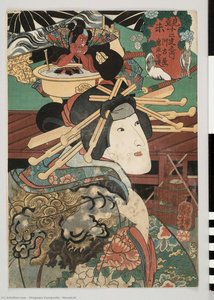
Kiyotomo’s artistic output is remarkably sparse—only a handful of paintings survive to this day—making each piece an invaluable testament to his skill and vision. However, “Woman with Battledore and Shuttlecock,” housed in the Kimbell Art Museum, stands as arguably his most celebrated work. This painting exemplifies Kiyotomo’s mastery of capturing fleeting moments of beauty and conveying subtle emotions through masterful brushwork. The subject—a woman engaged in Hanetsuki, a traditional Japanese game of badminton—embodies the carefree spirit of ukiyo-e and reflects Kiyotomo's keen observation of daily life. Similarly, “The Warrior Asahina Yoshihide Lifting a Puppet of a Courtesan on a Go Board,” though not definitively attributed to Kiyotomo himself, exemplifies the Torii School’s stylistic influence. Now residing in Kitakyushu Municipal Museum of Art’s collection, this artwork showcases Kiyotomo's ability to fuse theatrical drama with visual artistry—a hallmark of his artistic approach.Legacy and Influence
Torii Kiyotomo’s contribution to ukiyo-e art transcends mere stylistic innovation; it represents a fundamental shift in how Japanese artists approached representation. His unwavering dedication to Kabuki prints profoundly impacted the trajectory of the movement, establishing a precedent for prioritizing theatrical themes and techniques. The enduring legacy of Kiyotomo's school can be seen in the works of countless artists who followed him—artists like Hiroshige and Utamaro—who embraced his stylistic principles and expanded upon them with remarkable creativity. Ultimately, Torii Kiyotomo’s artistic vision cemented ukiyo-e as one of Japan’s most iconic art forms, ensuring its place in the annals of global art history.
Torii Kiyotomo
1640 - 1702 , Japón
Datos clave
- Artistic Movement Or Style: Ukiyo-e
- Artists Who Influenced This Artist:
- Hasegawa Eishun
- Torii Kiyonobu I
- Date Of Birth: 1640
- Date Of Death: 1702
- Full Name: Torii Kiyotomo
- Nationality: Japonés
- Notable Artworks:
- Woman with Battledore and Shuttlecock
- The Warrior Asahina Yoshihide Lifting a Puppet of a Courtesan on a Go Board
- Place Of Birth: Tokyo, Japón
Artículos relacionados

Katsushika Hokusai: Las 25 Obras Maestras del Ukiyo-e que Transformaron el Arte Japonés | ArtsDot
Descubre las 25 obras maestras de Katsushika Hokusai, el genio del ukiyo-e. Explora 'La Gran Ola', paisajes japoneses y su impacto en el arte moderno. Reproducciones de alta calidad para tu hogar en ArtsDot.com.
Floating World: The Captivating Art and Legacy of Japanese Ukiyo-e
Explore the profound beauty of Japanese Ukiyo-e. Discover the history, masters like Hokusai, and the enduring legacy of the 'Floating World' through an expert art-historical lens.
Suzuki Harunobu: Pioneering Ukiyo-e & the Refinement of Edo Period Printmaking
Discover the revolutionary world of Suzuki Harunobu, a pioneer of ukiyo-e printmaking. Explore his exquisite nishiki-e techniques, diverse subjects & lasting impact on Japanese art history. Learn more at ArtsDot.
Ukiyo-e: Un Viaje al Corazón del Mundo Flotante Japonés y su Legado Artístico
Descubre el fascinante mundo del Ukiyo-e, el arte japonés del Período Edo. Explora las técnicas de grabado, los maestros Hokusai y Hiroshige, y su legado perdurable. ¡Un viaje cultural inolvidable!
Serenity on Canvas: A Guide to the Timeless Beauty of Japanese Landscape Painting
Discover the serene beauty of Japanese landscape painting. From Hokusai's iconic woodblock prints to meditative sumi-e ink washes, explore a visual journey through the 'floating world' and learn how to bring this timeless Zen aesthetic into your modern home decor.