

 Ver en contexto
 Enviar
 Compartir
 Detalles

 Descargar
 Similares
 Radiografía
 Presentación de diapositivas
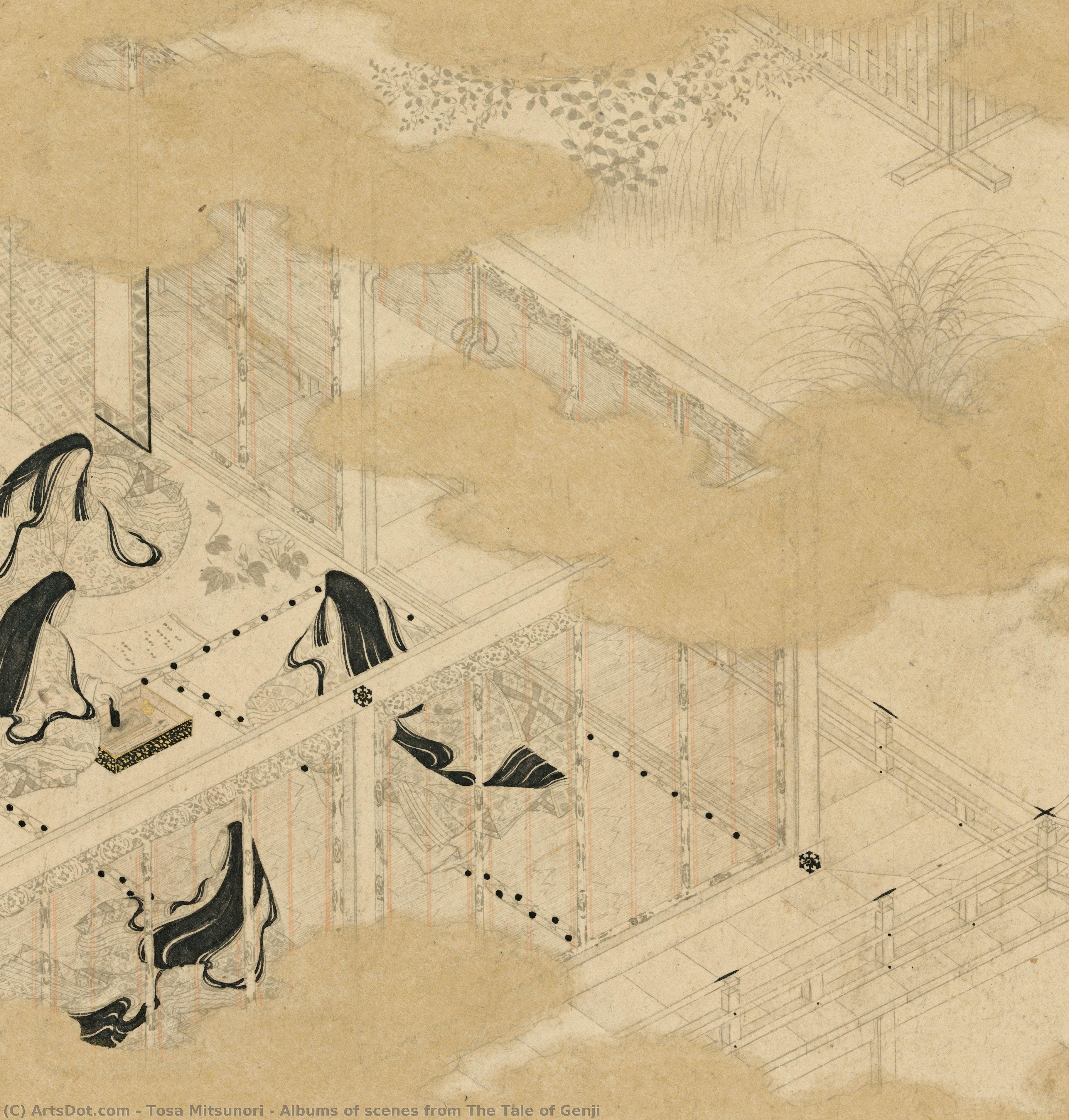
Albums of scenes from The Tale of Genji
 601
601 18.0cm x 16.0cm
 Ver más
Adquiera una imagen digital de alta resolución y optimizada, muy superior a la vista previa en línea.
Cada archivo es preparado meticulosamente por nuestros especialistas internos mediante el uso de herramientas avanzadas y un experto retoque manual. Nos aseguramos de que cada imagen posea una claridad excepcional, una precisión cromática impecable y un detalle minucioso.
El archivo final se entrega por correo electrónico en un plazo de 72 horas, optimizado para su uso inmediato en entornos profesionales, editoriales y de impresión. Esta es la misma calidad en la que confían los estudios de diseño, las editoriales y las galerías de primer nivel.
Imagen Digital
Descarga un archivo de alta resolución para exhibición personal, impresión y proyectos creativos. ( Comprar impresión Comprar pintura hecha a mano)
Incluido en cada pedido de imágenes digitales
Entrega digital experta, garantizada.
Al elegir ArtsDot.com, no solo está adquiriendo una imagen; está recibiendo una obra de arte digital mejorada profesionalmente, elaborada con precisión y respaldada por una garantía de satisfacción. Esto es todo lo que incluye su pedido, automáticamente:

Entrega rápida por email
Recibirá su archivo de imagen digital en alta resolución por correo electrónico en un plazo de 72 horas tras realizar su pedido, listo para su uso inmediato.

Archivo digital optimizado por IA
Su obra de arte se optimiza profesionalmente mediante herramientas avanzadas de IA y edición manual, garantizando el máximo detalle, claridad y precisión cromática.

Reenvío gratuito de por vida
¿Has borrado o perdido tu archivo por error? No te preocupes: te lo volveremos a enviar en cualquier momento, sin coste adicional.

Sin gastos de importación, siempre
Disfrute de su obra de arte al instante sin aduanas, aranceles ni gastos de envío; las descargas digitales siempre están libres de impuestos.

Garantía de fidelidad de color
Garantizamos que su imagen digital refleje los colores originales con la mayor fidelidad posible, mediante el uso de herramientas profesionales y gestión del color.

Garantía de satisfacción de 100 días
Si no está satisfecho con su imagen digital, la revisaremos o le reembolsaremos el 100% en un plazo de 100 días, sin preguntas.

100% Garantía de devolución de dinero
¿No está satisfecho? Obtenga un reembolso completo dentro de los 100 días posteriores a la recepción de su archivo digital, sin necesidad de explicaciones.

Descuentos por pedidos grandes
Compra 3 imágenes, ahorra 10% - Compra 5, ahorra 15% - Compra 10+, ahorra 20%. Ideal para proyectos creativos, galerías y agencias.
Obras relacionadas



Biografía del artista
Tosa Mitsunori and Tosa Mitsuoki: Guardians of Tradition in Edo Painting
Tosa Mitsunori (土佐光則, January 16, 1583 – March 1, 1638) stands as a pivotal figure in Japanese art history—specifically within the Tosa school of painting during the Azuchi–Momoyama period and its continuation into the early Edo era. Born in Sakai, Osaka Prefecture, he was the son of another celebrated artist, Tosa Mitsuyoshi, establishing him firmly within a lineage dedicated to preserving and innovating upon classical aesthetics.
The Tosa school distinguished itself from its contemporaries by prioritizing Yamato-e—paintings rooted in ancient Japanese traditions rather than those heavily influenced by Chinese art. Mitsunori’s artistic vision centered on capturing the essence of nature, particularly chrysanthemums and quail birds, with meticulous detail and subtle color palettes. His work served as a cornerstone for his son, Tosa Mitsuoki (土佐光則, November 21, 1617 – November 14, 1691), who continued the school’s legacy in Kyoto after relocating from Sakai around 1634.
Early Life and Artistic Training
Mitsunori's formative years were steeped in artistic erudition. Growing up within a family renowned for its mastery of handscroll painting—a tradition emphasizing slow, deliberate brushwork and profound contemplation—he absorbed the foundational techniques that would define his own artistic practice. Exposure to influential artistic circles fostered an understanding of Zen Buddhist philosophy’s impact on Japanese aesthetics, shaping his belief in capturing inner harmony through visual representation.
The Tosa School’s Aesthetic Principles
At its core, the Tosa school championed refined brushwork—characterized by delicate lines and subtle tonal variations—careful compositional balance, and restrained color schemes. These elements reflected Zen Buddhism's emphasis on simplicity and transcendence, mirroring the ideal of achieving enlightenment through observation of the natural world. Artists within the school sought to distill beauty into its purest form, prioritizing harmony over ostentation.
Notable Works: Chrysanthemums and Beyond
Mitsunori’s artistic output yielded several remarkable pieces that exemplify Yamato-e style. Among his most celebrated creations are ceremonial fans adorned with gold leaf—a technique symbolizing imperial authority and spiritual illumination—and intricate depictions of chrysanthemums and quail birds. These paintings demonstrate Mitsunori's unparalleled skill in capturing the ephemeral beauty of nature, utilizing subtle color harmonies to evoke feelings of serenity and longevity.
Tosa Mitsuoki: Continuing the Legacy
Mitsuoki’s artistic endeavors solidified the Tosa school’s reputation as a bastion of elegance and subtlety. He skillfully blended traditional methods with influences from the Kano school—a dynamic interplay that ensured the school remained relevant during the Edo period (1603–1867). Mitsuoki's son, Mitsunari, continued his father’s work, upholding the school’s traditions for decades.
Mitsunori secured a position at Kyoto Imperial Palace, marking a significant achievement and bolstering the Tosa school’s prestige. He incorporated elements from the Kano school’s approach to color and perspective—a strategic decision that broadened the school’s artistic scope. Mitsuoki's successors maintained Mitsuoki’s stylistic innovations, ensuring the Tosa school endured into the 18th century despite facing challenges from rival schools.
Among Mitsunori’s surviving masterpieces is “The Legend of the Taimea Mandala” (當麻曼荼羅図), a scroll executed in a conservative style that nevertheless embodies the core tenets of Tosa painting—precision, harmony, and an unwavering devotion to capturing the beauty of nature. This work exemplifies the enduring spirit of the Tosa school, securing its place as one of Japan’s most revered artistic traditions.
Furthermore, Mitsuoki's contribution to “The Tale of Genji” albums cemented his place in literary history alongside Murasaki Shikibu. His illustrations captured the spirit of the novel’s contemplative themes and refined aesthetic sensibilities.
Sources: Wikipedia, Daruma Museum Gallery Blog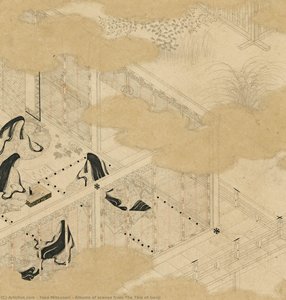
Tosa Mitsunori
1583 - 1638 , Japón
Breves datos
- Artistic Movement Or Style: Escuela Tosa
- Artists Or Movements Influenced By This Artist: ['Escuela Kano']
- Artists Who Influenced This Artist: ['Li Anzhong']
- Date Of Birth: 1583
- Date Of Death: 1638
- Full Name: Tosa Mitsunori
- Nationality: Japonés
- Notable Artworks: ['Leyenda del Mandala de Taimea']
- Place Of Birth: Sakai, Japón