

 Ver en contexto
 Enviar
 Compartir
 Detalles

 Descargar
 Similares
 Radiografía
 Presentación de diapositivas
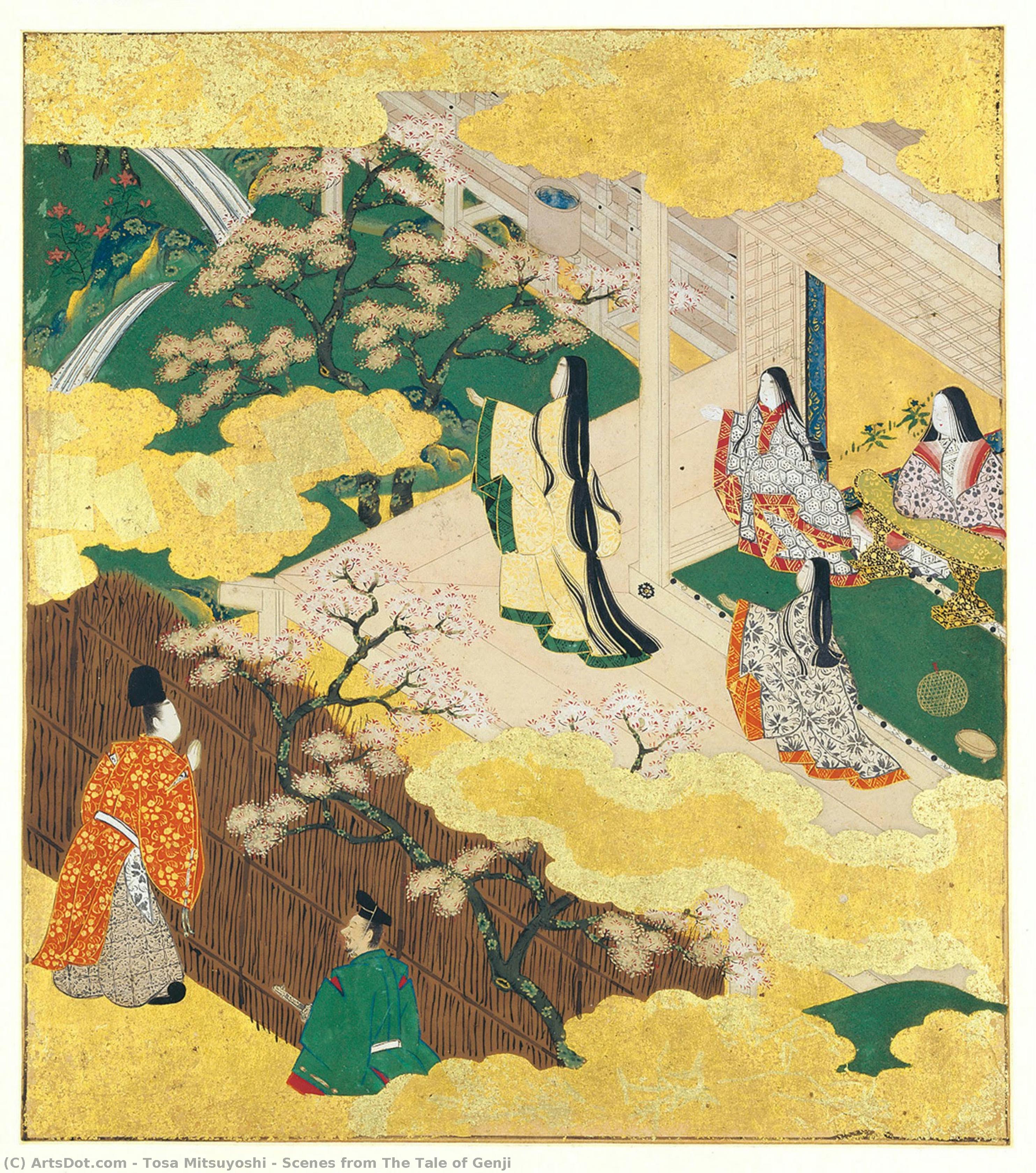
Scenes from The Tale of Genji
 Ver más
Giclée / Impresión de arte
Impresiones giclée o en lienzo de calidad de museo con producción rápida y opciones de acabado flexibles. ( Comprar pintura hecha a mano Comprar imagen)




































Elija entre nuestros tamaños predefinidos que respetan las proporciones originales de la obra.

Puede introducir sus propias dimensiones para adaptarse a un marco o espacio específico. Si el tamaño seleccionado no coincide con las proporciones de la imagen original, recortaremos la obra de arte o extenderemos la imagen con un borde con efecto espejo o de color sólido. Se enviará una maqueta digital para su aprobación antes de que comience la producción.
Tenga en cuenta que la vista previa en pantalla no refleja el recorte o la extensión real. Solo la maqueta mostrará con precisión la composición final.
Aunque existen tamaños personalizados, recomendamos seleccionar una dimensión de la lista predefinida para preservar las proporciones originales.
Envío a todo el mundo () en 2 semanas en lugar de las 4/5 semanas estándar. (25 agosto)

Envío exprés gratuito a todo el mundo

Lienzo de lino de alta calidad

Seguro de envío total

Garantía de reembolso de impuestos aduaneros

Garantía de fidelidad cromática exacta

Política de devolución de 60 días (solo por defectos)

Garantía de devolución del 100% del dinero

Descuento por cantidad
 La opción de vidrio solo está disponible en tamaños inferiores a 110 cm.

Scenes from The Tale of Genji
Giclée / Impresión de arte
Dimensiones de la reproducción
-


Precio total final
$ 62
Descripción de la pieza
Obras relacionadas

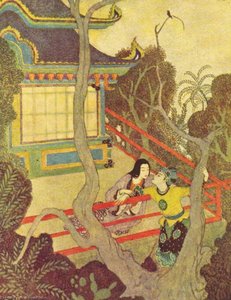


Biografía del artista
Tosa Mitsuyoshi: A Master of the Muromachi and Momoyama Eras
Tosa Mitsuyoshi, born in Kyoto in 1539 and passing away in 1613, stands as a pivotal figure in Japanese art history. His legacy is inextricably linked to the Tosa school, an artistic lineage that flourished for centuries, deeply influencing the development of painting during the Muromachi (1333-1573) and Momoyama (1573-1615) periods. Initially succeeding the Tosa school’s leadership, he skillfully navigated the evolving landscape of Kyoto's artistic circles, ultimately establishing a studio that would become renowned for its exquisite handscrolls – *emaki* – and its masterful integration of traditional Japanese aesthetics with the subtle elegance of Chinese art. His career represents a fascinating confluence of patronage, innovation, and a deep understanding of both cultural traditions.Artistic Style and Techniques: A Delicate Balance
Tosa Mitsuyoshi’s artistic style is immediately recognizable by its refined grace and meticulous detail. He was a master of *yamato-e*, a distinctive Japanese painting style characterized by its harmonious composition, luminous colors, simplified lines, and often incorporating geometric patterns. Unlike the bolder styles prevalent in other schools, Tosa's work possesses an almost ethereal quality, achieved through his delicate brushwork and masterful use of color. Gold leaf played a crucial role in his compositions, adding layers of richness and luminosity – a technique inherited from Chinese painting traditions but adapted with a uniquely Japanese sensibility. His illustrations for *The Tale of Genji*, particularly the celebrated “Oak Tree” (*Kashiwagi no Mori*), exemplify this perfectly: scenes unfold with an understated elegance, capturing both the narrative’s emotional depth and the beauty of the natural world. The use of perspective is subtle yet effective, creating a sense of depth and atmosphere that draws the viewer into the scene.Key Works and Notable Commissions
Tosa Mitsuyoshi's oeuvre comprises numerous significant works, each reflecting his artistic skill and understanding of subject matter. Among his most celebrated pieces are “The Oak Tree” (gold leaf, 24.7cm x 20.8cm), a stunning example of his mastery of gold application and composition; "Butterflies" (gold leaf, 165.1cm x 367.7cm), showcasing the scale and ambition of his larger-format works; and “The Drinking Festival of the Eight Immortals” (*Hachiman no Sake Matsuri* – paper, 131.1cm x 60.1cm). These pieces, along with numerous *emaki* illustrating episodes from classic literature like *The Tale of Genji*, demonstrate his versatility and ability to capture both narrative detail and atmospheric beauty. Notably, he was commissioned by the Imperial Court to create a monumental screen (*daijo-e byobu*) for Emperor Sakuramachi in 1738, a testament to his standing within the artistic elite.The Tosa School’s Legacy and Influence
Tosa Mitsuyoshi's influence extends far beyond his individual creations. He was instrumental in revitalizing the Tosa school after a period of relative decline, establishing it as one of the most prestigious artistic lineages within the Imperial Court. His success paved the way for subsequent generations of Tosa artists, including his son, Tosa Mitsunari, and grandson, Tosa Mitsuoki, who continued to uphold the school’s traditions and refine its techniques. The Tosa school's emphasis on elegance, detail, and a harmonious blend of Japanese and Chinese artistic influences profoundly impacted the development of *Nanga* (ink painting) art in Japan. Furthermore, his work served as an inspiration for later generations of artists, demonstrating the enduring power of traditional Japanese aesthetics.Historical Context and Significance
Tosa Mitsuyoshi’s career unfolded during a period of significant political and cultural change in Japan. The Muromachi and Momoyama periods were marked by shifting alliances between powerful warlords, the rise of the merchant class, and increasing contact with China. The Tosa school's success was inextricably linked to its ability to cater to the tastes of both the Imperial Court and wealthy patrons, adapting its style and subject matter to meet evolving demands. His move from Kyoto to Sakai and his subsequent return to Kyoto reflect these shifting dynamics, demonstrating a strategic approach to maintaining his position within the artistic landscape. Tosa Mitsuyoshi’s legacy endures as a symbol of artistic excellence, cultural synthesis, and the enduring power of tradition in Japanese art. His works are now treasured possessions in museums and private collections worldwide, offering a glimpse into a remarkable era of Japanese artistic achievement.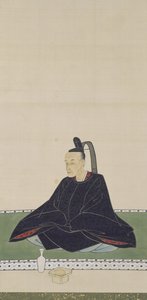
Tosa Mitsuyoshi
1539 - 1613 , Japón
Datos clave
- Artistic Movement Or Style: Nanga, Tosa School
- Artists Or Movements Influenced By This Artist: ['Kanō School']
- Artists Who Influenced This Artist: ['Arte chino']
- Date Of Birth: 1539
- Date Of Death: 1613
- Full Name: Tosa Mitsuyoshi
- Nationality: Japonesa
- Notable Artworks:
- Árbol (Oro)
- Mariposas (Oro)
- Fiesta de los Ocho Inmortales
- Place Of Birth: Kyoto, Japón

