Menú
Ver en contextoVer en contexto Vista previa en RAVista previa en RA Comprar impresión Comprar impresiónComprar pintura hecha a mano Comprar pintura hecha a mano EnviarEnviar
DetallesDetalles Añadir a favoritos Añadir a favoritos DescargarDescargar SimilaresSimilares RadiografíaRadiografía Presentación de diapositivasPresentación de diapositivas

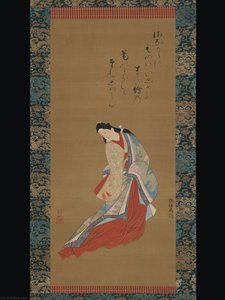
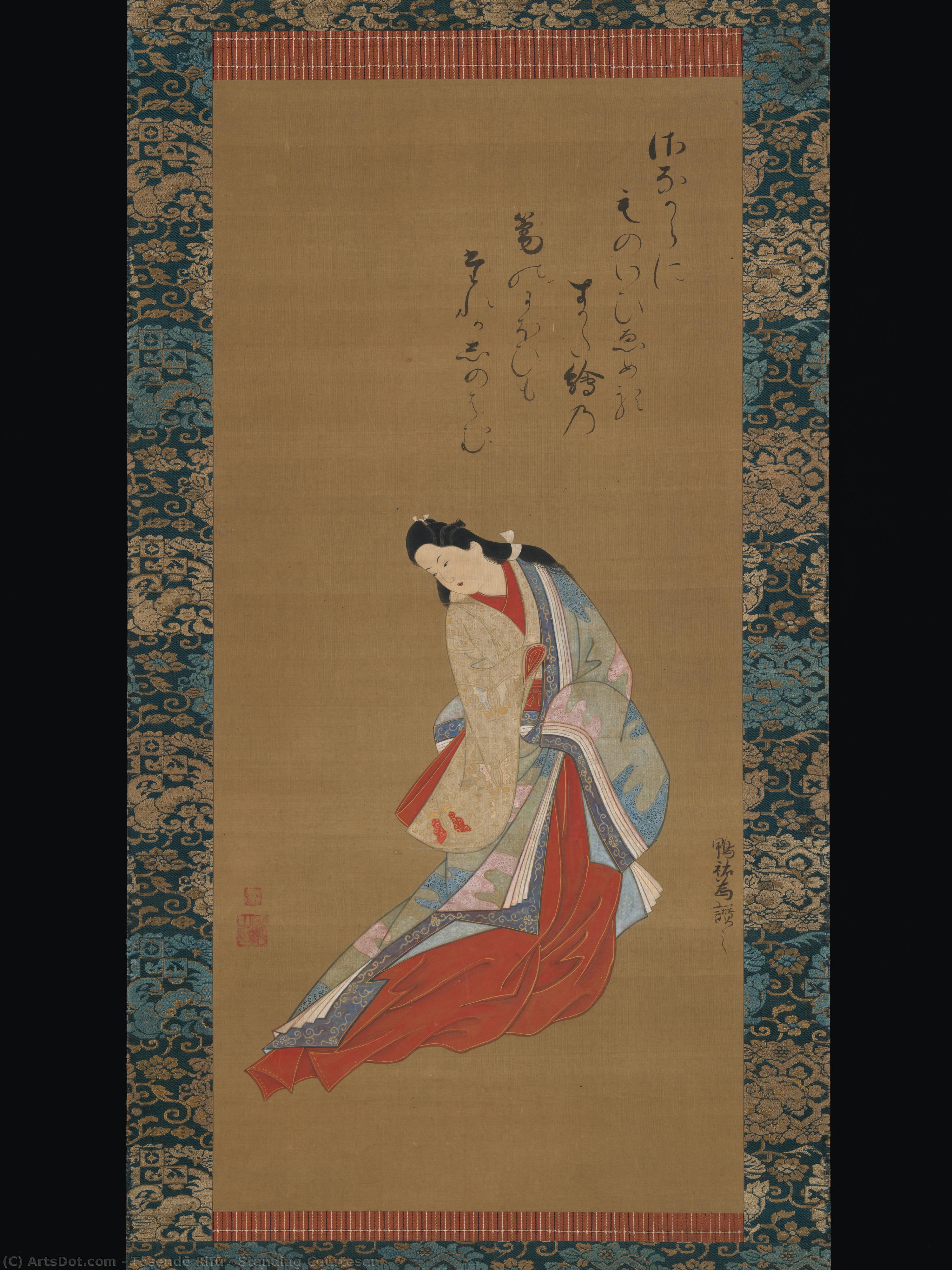
Standing Courtesan

  • Fecha de creación1720
  • Dimensiones71.0 x 33.0 cm

Discover tōsendō rifū, a renowned Edo period Japanese artist known for vibrant bijinga prints featuring beautiful women with bold lines and bright colors. Explore his influence in the Torii and Kaigetsudō schools.

Adquiera una imagen digital de alta resolución y optimizada, muy superior a la vista previa en línea.

Cada archivo es preparado meticulosamente por nuestros especialistas internos mediante el uso de herramientas avanzadas y un experto retoque manual. Nos aseguramos de que cada imagen posea una claridad excepcional, una precisión cromática impecable y un detalle minucioso.

El archivo final se entrega por correo electrónico en un plazo de 72 horas, optimizado para su uso inmediato en entornos profesionales, editoriales y de impresión. Esta es la misma calidad en la que confían los estudios de diseño, las editoriales y las galerías de primer nivel.

Imagen Digital

Descarga un archivo de alta resolución para exhibición personal, impresión y proyectos creativos. (Comprar impresión Comprar impresiónComprar pintura hecha a mano Comprar pintura hecha a mano)

Precio total

$ 24,00

Incluido en cada pedido de imágenes digitales

Entrega digital experta, garantizada.

Al elegir ArtsDot.com, no solo está adquiriendo una imagen; está recibiendo una obra de arte digital mejorada profesionalmente, elaborada con precisión y respaldada por una garantía de satisfacción. Esto es todo lo que incluye su pedido, automáticamente:

shipping_icon
Entrega rápida por email

Recibirá su archivo de imagen digital en alta resolución por correo electrónico en un plazo de 72 horas tras realizar su pedido, listo para su uso inmediato.

canvas_icon
Archivo digital optimizado por IA

Su obra de arte se optimiza profesionalmente mediante herramientas avanzadas de IA y edición manual, garantizando el máximo detalle, claridad y precisión cromática.

insurance_icon
Reenvío gratuito de por vida

¿Has borrado o perdido tu archivo por error? No te preocupes: te lo volveremos a enviar en cualquier momento, sin coste adicional.

tax_icon
Sin gastos de importación, siempre

Disfrute de su obra de arte al instante sin aduanas, aranceles ni gastos de envío; las descargas digitales siempre están libres de impuestos.

color_icon
Garantía de fidelidad de color

Garantizamos que su imagen digital refleje los colores originales con la mayor fidelidad posible, mediante el uso de herramientas profesionales y gestión del color.

return_icon
Garantía de satisfacción de 100 días

Si no está satisfecho con su imagen digital, la revisaremos o le reembolsaremos el 100% en un plazo de 100 días, sin preguntas.

guarantee_icon
100% Garantía de devolución de dinero

¿No está satisfecho? Obtenga un reembolso completo dentro de los 100 días posteriores a la recepción de su archivo digital, sin necesidad de explicaciones.

discount_icon
Descuentos por pedidos grandes

Compra 3 imágenes, ahorra 10% - Compra 5, ahorra 15% - Compra 10+, ahorra 20%. Ideal para proyectos creativos, galerías y agencias.


The artist has captured the elegant appearance of a woman, probably a high-ranked courtesan, in elegant robes and long, flowing hair tied with paper ribbons. Tōsendō Rifu was among the specialist ukiyo-e painters who emerged from the Kaigetsudō studio and emulated its style of rendering beauties of the pleasure quarter. The painting has an inscription, added after the painting was created, by Kamo no Suketame, a Shinto priest and noted poet of a generation or two after the artist was active. His gentle, curvilinear calligraphy reflects the influence of the prevalent Reizei courtly style of the Edo period. It was a common practice for owners of paintings to ask prominent literati of their day to inscribe a painting in a distinctive hand in order to add another level of enjoyment to the work. Here the inscription reads: Sanagara nimono ii emeru sugata-e no fude no nioi mo tare ka shinobamu The flavor and fragranceof the brush that createdthis portrait, seeming so real, as if she can speak and smile,makes me long to know her.—Poem by Kamo no Suketame (Trans. John T. Carpenter)

Biografía del artista

The Enigmatic World of Tōsendō Rifū: A Master of Edo Period Bijinga

Tōsendō Rifū remains a somewhat elusive figure in the annals of Japanese art history, yet his contributions to the vibrant world of *bijinga* – images of beautiful women – during the Edo period (1615–1868) are undeniable. Active primarily in Tokyo, though biographical details remain scarce, Rifū flourished within a specific artistic milieu characterized by both technical skill and a keen understanding of popular culture. He wasn’t merely depicting faces; he was capturing an ideal, a fleeting moment of beauty that resonated with the sensibilities of his time. His work emerged from the Kaigetsudō school, known for its prints featuring women adorned in strikingly colorful and complex kimono patterns. While these designs might initially appear as fashion plates, it's more likely that artists like Rifū prioritized showcasing the grace and allure of the women themselves, offering glimpses into a world largely inaccessible to many – the *ukiyo*, or “floating world,” of Edo’s pleasure districts.

Kaigetsudō Roots and Artistic Development

Rifū's association with the Kaigetsudō school is central to understanding his artistic style. This studio, while not necessarily a formal academy, fostered a distinctive approach to *bijinga*. The prints emanating from Kaigetsudō were celebrated for their bold lines and vibrant color palettes, a departure from some of the more subdued tones found in other schools. Rifū absorbed these techniques but infused them with his own sensibility. He possessed a remarkable ability to capture not just physical likeness but also an inner quality – a sense of poise, intelligence, or even melancholy – within his subjects. His lines are often thick and decisive, lending a strength and presence to the figures, while the bright colors serve to accentuate their beauty and draw the viewer’s eye. The influence of the Torii school is also apparent in Rifū's work; both schools shared an interest in portraying contemporary women with a degree of realism and attention to detail. However, Rifū distinguished himself through his nuanced characterizations and refined compositions.

Themes and Techniques: Capturing the Essence of Beauty

Rifū’s paintings typically depict courtesans or women engaged in everyday activities, often presented as single figures or small groups. He excelled at capturing the elegance of their attire – the elaborate hairstyles, the luxurious fabrics, and the delicate accessories that signified status and taste. But beyond mere representation, Rifū sought to convey a sense of atmosphere and emotion. His backgrounds are frequently simple and understated, allowing the focus to remain firmly on the figure itself. The use of color is particularly noteworthy; he employed bold combinations and striking contrasts to create visually arresting images. A key element in his work is the attention to detail in the depiction of kimono patterns. These intricate designs weren’t simply decorative flourishes but served as a means of highlighting the women's beauty and sophistication. The *Standing Courtesan*, for example, exemplifies this approach – the woman’s robes are rendered with meticulous care, while her expression conveys a sense of quiet dignity.

Decline and Legacy: A Brief But Impactful Career

Despite his talent, Rifū's career was relatively short-lived. He faced banishment to ōshima in 1714, an event that abruptly curtailed his artistic production. The reasons for this exile remain unclear, but it undoubtedly marked a turning point in his life and work. Following his banishment, the style of Tōsendō Rifū and his direct disciples experienced a noticeable decline. While imitators attempted to replicate his techniques, they often lacked the same level of nuance and sensitivity. Nevertheless, Rifū’s influence continued to be felt within the *bijinga* tradition. His work served as an inspiration for later generations of artists, who sought to capture the beauty and allure of Edo period women in their own distinctive styles. Today, his paintings are highly prized by collectors and scholars alike, offering a rare glimpse into a fascinating era of Japanese art history. He is remembered not just as a skilled technician but as an artist who possessed a unique ability to capture the essence of feminine grace and beauty.