

 Ver en contexto
 Enviar
 Compartir
 Detalles

 Descargar
 Similares
 Radiografía
 Presentación de diapositivas
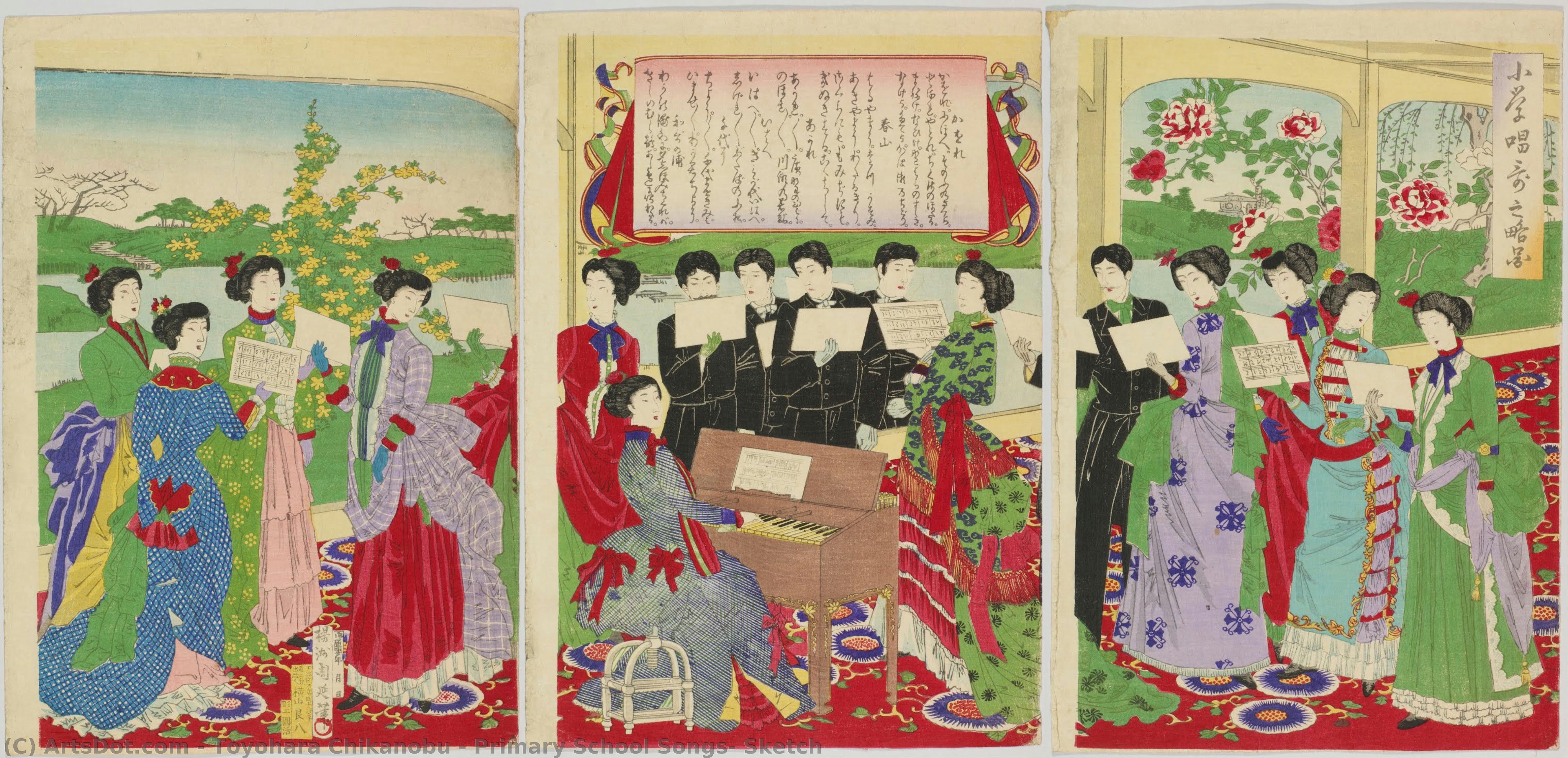
Primary School Songs, Sketch


 Ver más
Reproducción al óleo hecha a mano
Óleo sobre lienzo pintado a mano en el tamaño y marco de su elección, realizado por encargo por nuestros artistas. ( Comprar impresión Comprar imagen)




































Elija entre nuestros tamaños predefinidos que respetan las proporciones originales de la obra.

Puede ingresar sus propias dimensiones para adaptarse a un marco o espacio específico. Si el tamaño seleccionado no coincide con las proporciones de la imagen original, recortaremos la obra o extenderemos la pintura con elementos adicionales pintados a mano. Se le enviará una maqueta digital para su aprobación antes de comenzar la producción.
Tenga en cuenta que la vista previa en pantalla no refleja el recorte o la extensión reales. Solo la maqueta mostrará con precisión la composición final.
Si bien existen tamaños personalizados, recomendamos seleccionar una dimensión de la lista predefinida para preservar las proporciones originales.
Tras realizar el pedido, el equipo de ArtsDot.com enviará un correo electrónico al cliente para solicitar instrucciones y proporcionarle una vista previa del boceto.
Envío a todo el mundo () en 3-4 semanas en lugar de las 5 semanas estándar. (29 agosto). Sin comprometer la calidad.

Envío exprés gratuito a todo el mundo

Lienzo de lino de alta calidad

Seguro de envío total

Garantía de reembolso de impuestos aduaneros

Garantía de fidelidad cromática exacta

Política de devolución de 60 días (solo por defectos)

Garantía de devolución del 100% del dinero

Descuento por cantidad
 La opción de vidrio solo está disponible en tamaños inferiores a 110 cm.

Primary School Songs, Sketch
Técnica de reproducción
Dimensiones de la reproducción
-


Precio total final
$ 263
Obras relacionadas




Biografía del artista
Toyohara Chikanobu: A Pioneer of Meiji Era Art
Toyohara Chikanobu (1838-1912) stands as a monumental figure in Japanese art history, particularly during the transformative Meiji era—a period marked by rapid modernization and Western influence. Born in Kyoto, Japan, Chikanobu’s artistic journey began humbly but swiftly ascended to prominence thanks to his exceptional talent for woodblock printing and his unwavering dedication to preserving traditional aesthetics amidst sweeping change. He wasn't merely an artist; he was a conduit of cultural heritage, skillfully blending Eastern sensibilities with emerging Western techniques to create images that continue to resonate today.Early Life and Artistic Training
Chikanobu’s formative years were steeped in the traditions of Kyoto’s artistic milieu. His father, Toyohara Yoshichika, was a renowned kimono designer—a profession deeply intertwined with Japanese cultural identity—and instilled in Chikanobu a profound appreciation for craftsmanship and meticulous detail. Recognizing his son's prodigious abilities, Yoshichika ensured he received comprehensive training in painting and woodblock printing, disciplines considered crucial for artistic excellence at the time. This grounding in classical methods would prove invaluable as Chikanobu embarked on his prolific career. He initially studied Kanō-school painting, absorbing the stylistic conventions of Japanese art’s most esteemed tradition—a deliberate choice that underscored his commitment to honoring Japan's heritage while simultaneously exploring new creative horizons.The Rise of Shin-hanga: Embracing Innovation Within Tradition
Chikanobu’s contribution to Japanese art is inextricably linked to the “Shin-hanga” movement—a revitalizing force that emerged in the late 1880s and championed a harmonious fusion of Western artistic concepts with established woodblock printing techniques. Dissatisfied with the increasingly stylized and often sentimental prints produced by earlier generations, Chikanobu spearheaded a rebellion against convention, advocating for greater realism and accuracy in depictions of landscapes and historical subjects. He meticulously studied European anatomical drawings and perspective—skills he skillfully incorporated into his compositions—demonstrating an astute understanding of artistic progress without abandoning core Japanese values. This bold assertion of stylistic independence marked a decisive break from established practices and solidified Chikanobu’s position as a visionary leader within the Shin-hanga movement.Notable Works and Artistic Style
Chikanobu’s oeuvre encompasses a breathtaking array of subjects, ranging from grand historical scenes depicting emperors and samurai to intimate portraits capturing the grace of aristocratic ladies. His paintings frequently showcased elaborate costumes and meticulously rendered backgrounds—a hallmark of his distinctive style—reflecting both Japanese artistic conventions and influences gleaned from European art academies. Perhaps his most celebrated achievement is “Privy Council Meeting,” a monumental woodblock print that captures the solemn grandeur of a formal imperial gathering with astonishing precision. Similarly, "Dance Party: Ueno Cherry Blossom Spectacle," a vibrant triptych depicting a festive cherry blossom celebration in Tokyo’s Ueno Park, exemplifies Chikanobu's masterful command of color and composition—a testament to his ability to convey emotion through visual storytelling. His prints like “Kumoi-zakura” are considered masterpieces of Shin-hanga style. He skillfully blended traditional Japanese techniques with modern innovations, achieving remarkable results that captivated audiences across Japan and beyond.Legacy and Historical Significance
Toyohara Chikanobu’s influence extends far beyond the confines of his own lifetime. He served as a mentor to numerous younger artists, shaping the trajectory of Japanese art for decades to come. His unwavering commitment to preserving traditional aesthetics while embracing innovation established him as a pivotal figure in bridging the gap between East and West—a legacy that continues to inspire admiration and scholarly study. Today, Chikanobu’s artworks adorn museums worldwide and are cherished by collectors alike, cementing his place as one of Japan's most enduring artistic icons. His work remains an invaluable window into the spirit of the Meiji era and a celebration of Japanese cultural heritage—a testament to his enduring contribution to the history of art.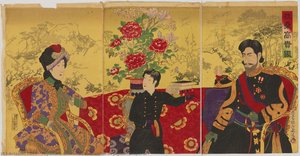
Toyohara Chikanobu
1838 - 1912 , Japón
Datos clave
- Artistic Movement Or Style: Shin-hanga
- Artists Who Influenced This Artist: ['Hiroshi Yoshida']
- Date Of Birth: 1838
- Full Name: Toyohara Chikanobu
- Nationality: Japonés
- Notable Artworks:
- Privy Council Meeting
- Kumoi-zakura
- Place Of Birth: Kyoto, Japón

