

 Ver en contexto
 Enviar
 Compartir
 Detalles

 Descargar
 Similares
 Radiografía
 Presentación de diapositivas
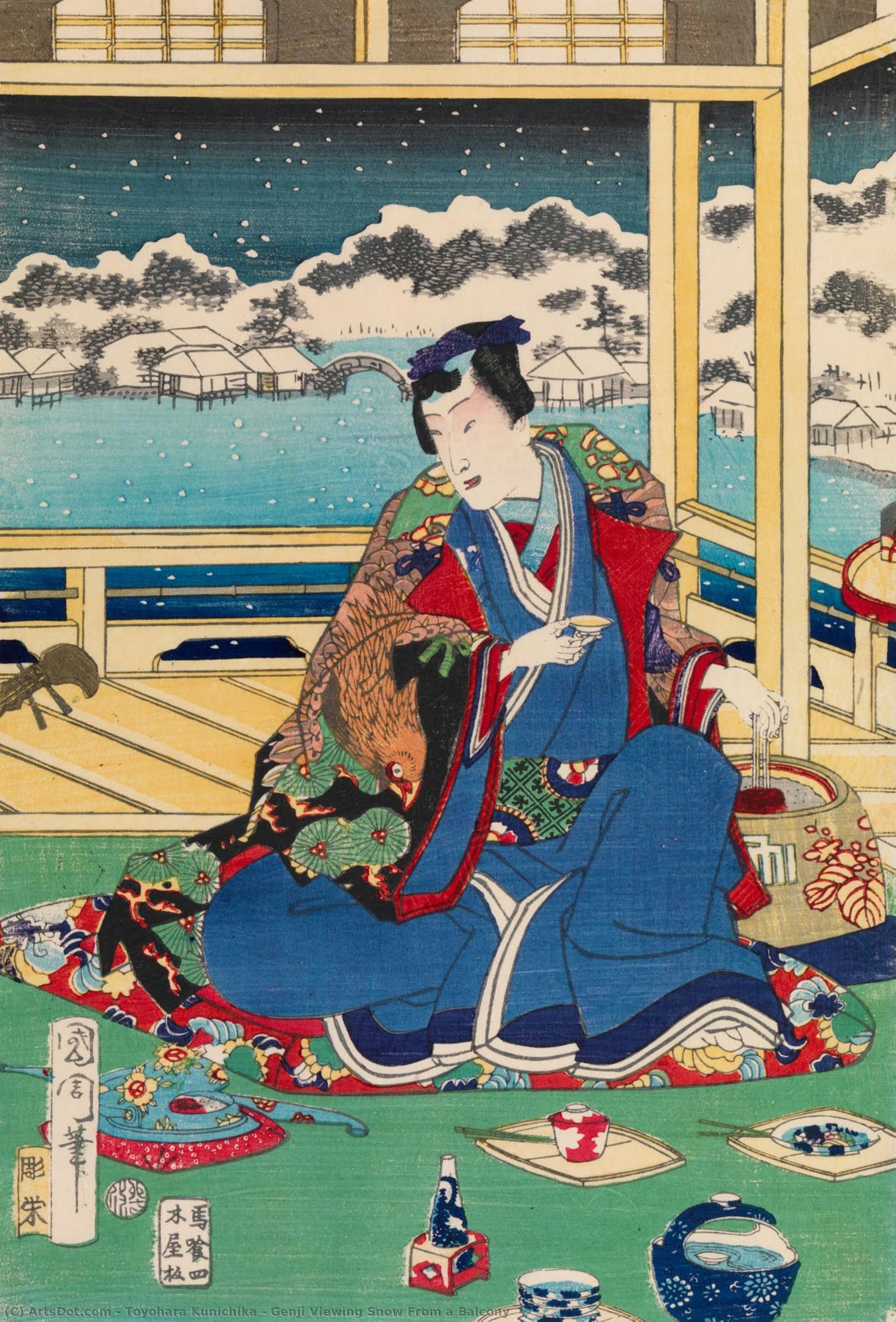
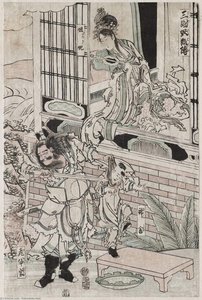
Genji Viewing Snow From a Balcony
 Woodblock Print
 1867
1867- 19th Century
 25.0 x 37.0 cm
 Museos de Victoria
 Ver más
Adquiera una imagen digital de alta resolución y optimizada, muy superior a la vista previa en línea.
Cada archivo es preparado meticulosamente por nuestros especialistas internos mediante el uso de herramientas avanzadas y un experto retoque manual. Nos aseguramos de que cada imagen posea una claridad excepcional, una precisión cromática impecable y un detalle minucioso.
El archivo final se entrega por correo electrónico en un plazo de 72 horas, optimizado para su uso inmediato en entornos profesionales, editoriales y de impresión. Esta es la misma calidad en la que confían los estudios de diseño, las editoriales y las galerías de primer nivel.
Imagen Digital
Descarga un archivo de alta resolución para exhibición personal, impresión y proyectos creativos. ( Comprar impresión Comprar pintura hecha a mano)
Incluido en cada pedido de imágenes digitales
Entrega digital experta, garantizada.
Al elegir ArtsDot.com, no solo está adquiriendo una imagen; está recibiendo una obra de arte digital mejorada profesionalmente, elaborada con precisión y respaldada por una garantía de satisfacción. Esto es todo lo que incluye su pedido, automáticamente:

Entrega rápida por email
Recibirá su archivo de imagen digital en alta resolución por correo electrónico en un plazo de 72 horas tras realizar su pedido, listo para su uso inmediato.

Archivo digital optimizado por IA
Su obra de arte se optimiza profesionalmente mediante herramientas avanzadas de IA y edición manual, garantizando el máximo detalle, claridad y precisión cromática.

Reenvío gratuito de por vida
¿Has borrado o perdido tu archivo por error? No te preocupes: te lo volveremos a enviar en cualquier momento, sin coste adicional.

Sin gastos de importación, siempre
Disfrute de su obra de arte al instante sin aduanas, aranceles ni gastos de envío; las descargas digitales siempre están libres de impuestos.

Garantía de fidelidad de color
Garantizamos que su imagen digital refleje los colores originales con la mayor fidelidad posible, mediante el uso de herramientas profesionales y gestión del color.

Garantía de satisfacción de 60 días
Si no está satisfecho con su imagen digital, la revisaremos o le reembolsaremos el 100% en un plazo de 60 días, sin preguntas.

100% Garantía de devolución de dinero
¿No está satisfecho? Obtenga un reembolso completo dentro de los 60 días posteriores a la recepción de su archivo digital, sin necesidad de explicaciones.

Descuentos por pedidos grandes
Compra 3 imágenes, ahorra 10% - Compra 5, ahorra 15% - Compra 10+, ahorra 20%. Ideal para proyectos creativos, galerías y agencias.
Descripción del coleccionable
Obras relacionadas
Biografía del artista
Early Life and Artistic Beginnings
Toyohara Kunichika, a name synonymous with the vibrant world of Edo-period woodblock prints, emerged onto the Japanese art scene in 1835, born into a merchant family in Tokyo – then known as Edo. His early life, shrouded in some mystery, reveals a formative period marked by both privilege and hardship. His father, Ōshima Kyujū, operated a *sentō* (public bathhouse), a common profession that provided a degree of stability but also reflected the social realities of the time. Kunichika’s mother, Arakawa Oyae, was the daughter of a teahouse proprietor, a lineage that subtly shaped his artistic sensibilities and connection to traditional Japanese culture. At the tender age of nine, he was apprenticed to a thread and yarn store, a practical step for a young boy from a merchant family, yet his true passion lay elsewhere – in the captivating world of drawing and sketching. Recognizing this innate talent, his older brother, Chōkichi, established a *mizugami* (picture gallery) where Kunichika began to hone his skills, initially illustrating fabrics and lampshades—a crucial step in developing his eye for detail and composition. It was at approximately twelve years old that he embarked on what would become the defining chapter of his artistic journey: becoming a student under the tutelage of the esteemed Toyohara Chikanobu, a master known for his refined style and meticulous attention to detail. Simultaneously, he began an apprenticeship with Utagawa Kunisada, Tokyo’s leading print maker at the time – a pivotal decision that would profoundly influence his artistic development and ultimately shape his unique vision.Artistic Style and Thematic Focus
Kunichika's artistic style is immediately recognizable for its dynamic energy, rich colors, and masterful depiction of Kabuki theater. His deep understanding of *kabuki* drama—its elaborate costumes, dramatic gestures, and captivating performances—served as the primary inspiration for his prolific output. He specialized in *yakusha-e*, woodblock prints dedicated to portraying kabuki actors and scenes from popular plays. Unlike some of his contemporaries who focused solely on capturing a single moment, Kunichika excelled at conveying the entire narrative arc of a performance, meticulously detailing every nuance of expression and movement. Beyond *yakusha-e*, he also produced *bijinga* prints—images of beautiful women—reflecting the enduring fascination with female beauty in Japanese art. These works often depicted courtesans, geishas, or idealized heroines, showcasing his skill in capturing elegance and grace. Furthermore, Kunichika occasionally ventured into landscapes and historical scenes, demonstrating a broader artistic range while maintaining his signature style. His prints are characterized by bold outlines, vibrant colors achieved through the innovative use of imported aniline pigments (a relatively new technology at the time), and a remarkable sense of dynamism—capturing the fleeting moments of theatrical drama with unparalleled skill.Career During Transition and Legacy
Kunichika’s career unfolded during a period of immense social and political transformation in Japan – the transition from the Edo to the Meiji periods. He skillfully navigated this turbulent era, preserving traditional Japanese print-making techniques while subtly incorporating elements of Western influence. His contemporaries—such as Yoshitoshi and Kiyochika Kobayashi—were grappling with the rise of photography and new artistic styles, but Kunichika remained steadfast in his commitment to the established methods of *ukiyo-e*. This dedication earned him respect from both his peers and modern art historians, who recognized his significant contribution during a time of profound change. He was repeatedly ranked among the top ukiyo-e artists of the Meiji era, a testament to his enduring popularity and artistic merit. Notably, he spent much of his life moving between residences, often changing wives—a practice that fueled rumors and anecdotes about his unconventional lifestyle. Despite these stories, Kunichika’s true passion lay in his art, and he dedicated himself wholeheartedly to capturing the essence of *kabuki* on woodblock prints. His legacy extends beyond his individual works; he played a crucial role in preserving traditional Japanese print-making techniques and influencing the development of modern Japanese art.Key Works and Lasting Influence
Kunichika’s oeuvre is remarkably diverse, encompassing a vast array of subjects and styles. Some of his most celebrated works include *The Actor's Portrait* (1880), a fine example of his *yakusha-e* style that captures the dramatic intensity of a kabuki performer; *Beautiful Woman in a Brocade Robe* (1890), which showcases his skill in portraying female beauty with elegance and grace; and numerous triptychs depicting scenes from popular plays. His prints are characterized by their dynamic compositions, vibrant colors, and meticulous attention to detail—reflecting the influence of both Chikanobu and Kunisada. Kunichika’s work continues to be admired for its artistic merit and historical significance, offering a valuable glimpse into the world of Edo-period Japan and the transition to the modern era. His dedication to preserving traditional techniques while embracing new influences solidified his place as one of the most important figures in Japanese art history.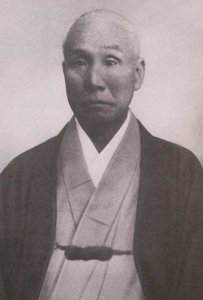
Toyohara Kunichika
1835 - 1900 , Japón
Breves datos
- Artistic Movement Or Style: Ukiyo-e (Yakusha-e, Bijinga)
- Artists Or Movements Influenced By This Artist: ['Meiji Ukiyo-e']
- Artists Who Influenced This Artist:
- Utagawa Kunisada
- Chikanobu Toyohara
- Date Of Birth: 30 de junio 1835
- Date Of Death: 1900
- Full Name: Toyohara Kunichika
- Nationality: Japonesa
- Notable Artworks:
- El retrato del actor
- Mujer hermosa con manto
- Place Of Birth: Tokio, Japón

