

![[mitate] Actors In The Evening, Returning To The Dressing Room — Toyohara Kunichika](/media/artworks/images-full/e7/26/e72627dc56e897cc13e71115de213fdb.jpg)
 Ver en contexto
 Enviar
 Compartir
 Detalles

 Descargar
 Similares
 Radiografía
 Presentación de diapositivas
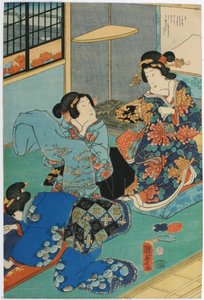
[Mitate] Actors in the evening, returning to the dressing room
 Woodblock Print
- Ukiyo-e
 1865
1865- 19th Century
 34.0 x 23.0 cm
 Museo de Arte Riga BOURSE
 Ver más
Reproducción al óleo hecha a mano
Óleo sobre lienzo pintado a mano en el tamaño y marco de su elección, realizado por encargo por nuestros artistas. ( Comprar impresión Comprar imagen)




P118B $10

P118H $10

P118W $10

P438Z $10

P508JH $12

P508YH $12

P805H $10

P805Z $10

P919BZ $10

P919G $10

P919XJ $10

P959ZH $10

P968JZ $12

W106C $8

W218G $10

W218JH $8

W218Y $10

W307PJ $10

W316G $10

W316PJ $8

W316Y $10

W398PJ $8

W4111J $10

W500HY $15

W500JH $15

W692G $12

W849H $8

W940BG $15

W953PJ $8




Elija entre nuestros tamaños predefinidos que respetan las proporciones originales de la obra.

Puede ingresar sus propias dimensiones para adaptarse a un marco o espacio específico. Si el tamaño seleccionado no coincide con las proporciones de la imagen original, recortaremos la obra o extenderemos la pintura con elementos adicionales pintados a mano. Se le enviará una maqueta digital para su aprobación antes de comenzar la producción.
Tenga en cuenta que la vista previa en pantalla no refleja el recorte o la extensión reales. Solo la maqueta mostrará con precisión la composición final.
Si bien existen tamaños personalizados, recomendamos seleccionar una dimensión de la lista predefinida para preservar las proporciones originales.
Tras realizar el pedido, el equipo de ArtsDot.com enviará un correo electrónico al cliente para solicitar instrucciones y proporcionarle una vista previa del boceto.
Envío a todo el mundo () en 3-4 semanas en lugar de las 5 semanas estándar. (22 agosto). Sin comprometer la calidad.

Envío exprés gratuito a todo el mundo

Lienzo de lino de alta calidad

Seguro de envío total

Garantía de reembolso de impuestos aduaneros

Garantía de fidelidad cromática exacta

Política de devolución de 60 días (solo por defectos)

Garantía de devolución del 100% del dinero

Descuento por cantidad
 La opción de vidrio solo está disponible en tamaños inferiores a 110 cm.

[Mitate] Actors in the evening, returning to the dressing room
Técnica de reproducción
Dimensiones de la reproducción
-


Precio total final
$ 263
Descripción de la obra
A Glimpse Behind the Kabuki Curtain
In the vibrant, flickering world of nineteenth-century Japan, few things captured the public imagination quite like the electric energy of the Kabuki theater. Toyohara Kunichika, a master of the ukiyo-e genre, possessed a rare, intimate connection to this theatrical universe. His 1865 masterpiece, [Mitate] Actors in the evening, returning to the dressing room, serves as more than just a mere depiction; it is a voyeuristic window into the private moments of stardom. Through his skilled brush and woodblock technique, Kunichika invites us to step away from the brightly lit stage and follow the performers into the quiet, reflective atmosphere of the dressing rooms as the evening concludes.
The composition centers on a profound inter-human connection, capturing a moment of repose between the legendary young actor Kawarazaki Gonjūrō I—who would later ascend to the greatness of Ichikawa Danjūrō IX—and Nakamura Ganpachi. As they transition from their larger-than-life stage personas back to their private selves, there is a palpable sense of camaraderie and shared history. The presence of an okuri, or accompanist, adds a layer of social realism, grounding the scene in the authentic daily rhythms of the theater profession. Kunichika’s ability to balance these figures within the frame demonstrates his exceptional eye for human relationships, turning a simple moment of transition into a profound study of companionship.
Mastery of Color and Ukiyo-e Tradition
Technically, this work is a triumph of the late Edo period's woodblock printing tradition. Kunichika utilizes a rich, evocative palette, dominated by deep, elegant blues that evoke the cooling twilight of an evening performance. This atmospheric backdrop provides a striking contrast to the intricate patterns and textures of the actors' traditional robes. The artist’s mastery is evident in the way he renders the heavy fabrics and the subtle interplay of light and shadow, which lends a three-dimensional quality to the figures despite the inherently flat nature of the medium.
For the discerning collector or interior designer, this piece offers an unparalleled sense of historical depth and cultural sophistication. The artwork does not merely decorate a space; it narrates a story of a bygone era, bridging the transition between the Edo and Meiji periods. Its balanced composition and serene yet emotionally resonant atmosphere make it a versatile centerpiece for any curated collection. Whether placed in a contemporary setting to provide a touch of classical elegance or integrated into a traditional gallery arrangement, this reproduction brings the timeless allure of Japanese theatrical history into the modern home.
Obras relacionadas
Biografía del artista
Early Life and Artistic Beginnings
Toyohara Kunichika, a name synonymous with the vibrant world of Edo-period woodblock prints, emerged onto the Japanese art scene in 1835, born into a merchant family in Tokyo – then known as Edo. His early life, shrouded in some mystery, reveals a formative period marked by both privilege and hardship. His father, Ōshima Kyujū, operated a *sentō* (public bathhouse), a common profession that provided a degree of stability but also reflected the social realities of the time. Kunichika’s mother, Arakawa Oyae, was the daughter of a teahouse proprietor, a lineage that subtly shaped his artistic sensibilities and connection to traditional Japanese culture. At the tender age of nine, he was apprenticed to a thread and yarn store, a practical step for a young boy from a merchant family, yet his true passion lay elsewhere – in the captivating world of drawing and sketching. Recognizing this innate talent, his older brother, Chōkichi, established a *mizugami* (picture gallery) where Kunichika began to hone his skills, initially illustrating fabrics and lampshades—a crucial step in developing his eye for detail and composition. It was at approximately twelve years old that he embarked on what would become the defining chapter of his artistic journey: becoming a student under the tutelage of the esteemed Toyohara Chikanobu, a master known for his refined style and meticulous attention to detail. Simultaneously, he began an apprenticeship with Utagawa Kunisada, Tokyo’s leading print maker at the time – a pivotal decision that would profoundly influence his artistic development and ultimately shape his unique vision.Artistic Style and Thematic Focus
Kunichika's artistic style is immediately recognizable for its dynamic energy, rich colors, and masterful depiction of Kabuki theater. His deep understanding of *kabuki* drama—its elaborate costumes, dramatic gestures, and captivating performances—served as the primary inspiration for his prolific output. He specialized in *yakusha-e*, woodblock prints dedicated to portraying kabuki actors and scenes from popular plays. Unlike some of his contemporaries who focused solely on capturing a single moment, Kunichika excelled at conveying the entire narrative arc of a performance, meticulously detailing every nuance of expression and movement. Beyond *yakusha-e*, he also produced *bijinga* prints—images of beautiful women—reflecting the enduring fascination with female beauty in Japanese art. These works often depicted courtesans, geishas, or idealized heroines, showcasing his skill in capturing elegance and grace. Furthermore, Kunichika occasionally ventured into landscapes and historical scenes, demonstrating a broader artistic range while maintaining his signature style. His prints are characterized by bold outlines, vibrant colors achieved through the innovative use of imported aniline pigments (a relatively new technology at the time), and a remarkable sense of dynamism—capturing the fleeting moments of theatrical drama with unparalleled skill.Career During Transition and Legacy
Kunichika’s career unfolded during a period of immense social and political transformation in Japan – the transition from the Edo to the Meiji periods. He skillfully navigated this turbulent era, preserving traditional Japanese print-making techniques while subtly incorporating elements of Western influence. His contemporaries—such as Yoshitoshi and Kiyochika Kobayashi—were grappling with the rise of photography and new artistic styles, but Kunichika remained steadfast in his commitment to the established methods of *ukiyo-e*. This dedication earned him respect from both his peers and modern art historians, who recognized his significant contribution during a time of profound change. He was repeatedly ranked among the top ukiyo-e artists of the Meiji era, a testament to his enduring popularity and artistic merit. Notably, he spent much of his life moving between residences, often changing wives—a practice that fueled rumors and anecdotes about his unconventional lifestyle. Despite these stories, Kunichika’s true passion lay in his art, and he dedicated himself wholeheartedly to capturing the essence of *kabuki* on woodblock prints. His legacy extends beyond his individual works; he played a crucial role in preserving traditional Japanese print-making techniques and influencing the development of modern Japanese art.Key Works and Lasting Influence
Kunichika’s oeuvre is remarkably diverse, encompassing a vast array of subjects and styles. Some of his most celebrated works include *The Actor's Portrait* (1880), a fine example of his *yakusha-e* style that captures the dramatic intensity of a kabuki performer; *Beautiful Woman in a Brocade Robe* (1890), which showcases his skill in portraying female beauty with elegance and grace; and numerous triptychs depicting scenes from popular plays. His prints are characterized by their dynamic compositions, vibrant colors, and meticulous attention to detail—reflecting the influence of both Chikanobu and Kunisada. Kunichika’s work continues to be admired for its artistic merit and historical significance, offering a valuable glimpse into the world of Edo-period Japan and the transition to the modern era. His dedication to preserving traditional techniques while embracing new influences solidified his place as one of the most important figures in Japanese art history.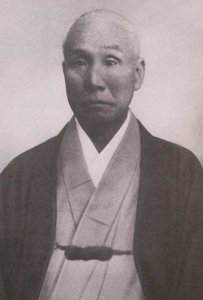
Toyohara Kunichika
1835 - 1900 , Japón
Datos clave
- Artistic Movement Or Style: Ukiyo-e (Yakusha-e, Bijinga)
- Artists Or Movements Influenced By This Artist: ['Meiji Ukiyo-e']
- Artists Who Influenced This Artist:
- Utagawa Kunisada
- Chikanobu Toyohara
- Date Of Birth: 30 de junio 1835
- Date Of Death: 1900
- Full Name: Toyohara Kunichika
- Nationality: Japonesa
- Notable Artworks:
- El retrato del actor
- Mujer hermosa con manto
- Place Of Birth: Tokio, Japón
Artículos relacionados

Katsushika Hokusai: Las 25 Obras Maestras del Ukiyo-e que Transformaron el Arte Japonés | ArtsDot
Descubre las 25 obras maestras de Katsushika Hokusai, el genio del ukiyo-e. Explora 'La Gran Ola', paisajes japoneses y su impacto en el arte moderno. Reproducciones de alta calidad para tu hogar en ArtsDot.com.
Tōshūsai Sharaku: A Fleeting Glimpse into Edo Period Kabuki – Life, Art, and the Enigma of a Ukiyo-e Master
Explore the captivating world of Tōshūsai Sharaku, the enigmatic Edo period ukiyo-e master. Discover his iconic Kabuki actor portraits and unravel the mystery behind this fleeting artistic genius. Learn about his unique style & lasting legacy.
Ukiyo-e: Un Viaje al Corazón del Mundo Flotante Japonés y su Legado Artístico
Descubre el fascinante mundo del Ukiyo-e, el arte japonés del Período Edo. Explora las técnicas de grabado, los maestros Hokusai y Hiroshige, y su legado perdurable. ¡Un viaje cultural inolvidable!
Floating World: The Captivating Art and Legacy of Japanese Ukiyo-e
Explore the profound beauty of Japanese Ukiyo-e. Discover the history, masters like Hokusai, and the enduring legacy of the 'Floating World' through an expert art-historical lens.
The Enduring Legacy of Woodblock Printmaking: Technique, History & Artistic Expression
Explore the rich history of woodblock printmaking – from ancient techniques to Ukiyo-e masterpieces. Discover expert insights on collecting, preserving & appreciating this enduring art form.

