

 Ver en contexto
 Enviar
 Compartir
 Detalles

 Descargar
 Similares
 Radiografía
 Presentación de diapositivas
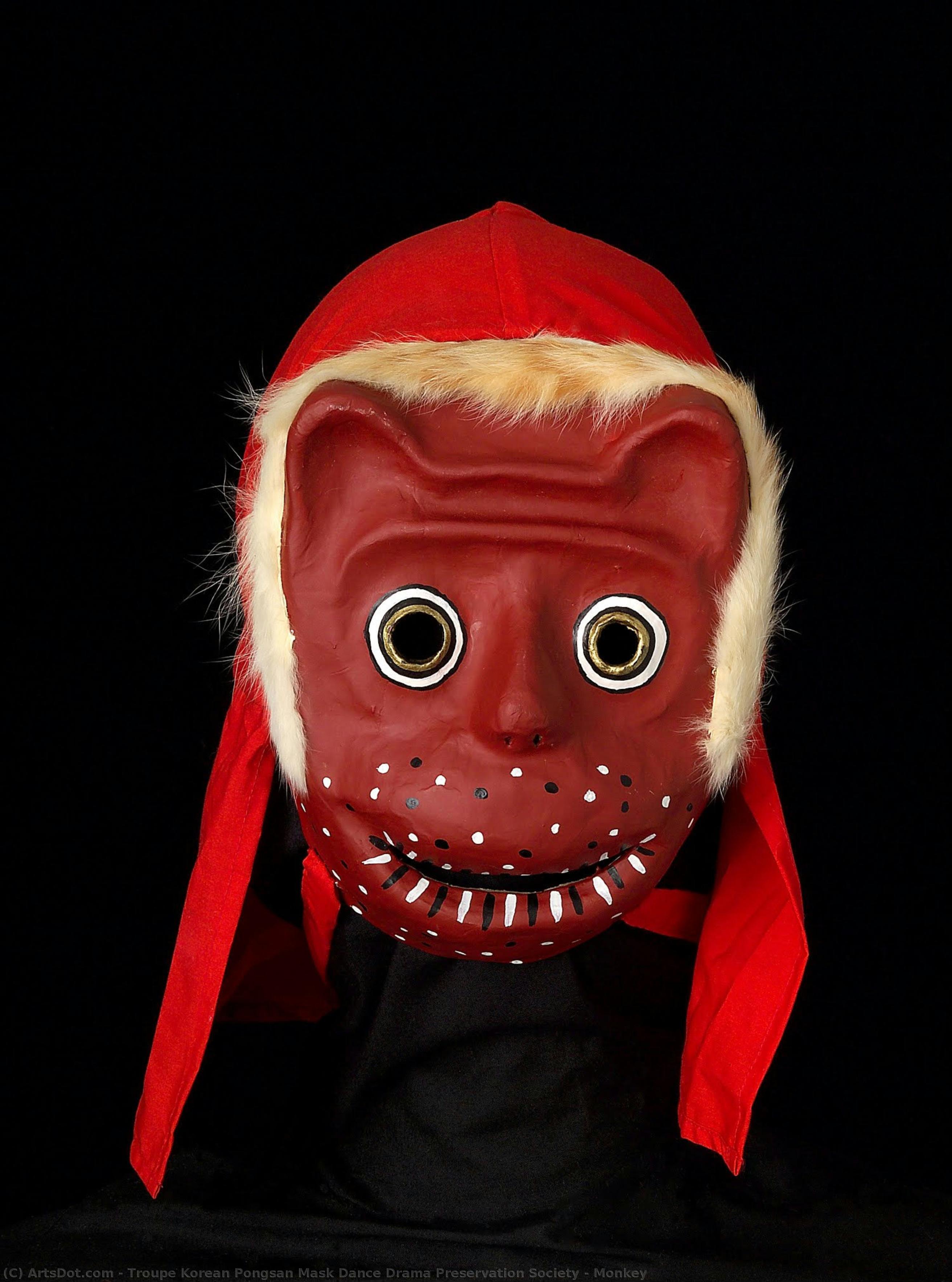
Monkey


 Ver más
Adquiera una imagen digital de alta resolución y optimizada, muy superior a la vista previa en línea.
Cada archivo es preparado meticulosamente por nuestros especialistas internos mediante el uso de herramientas avanzadas y un experto retoque manual. Nos aseguramos de que cada imagen posea una claridad excepcional, una precisión cromática impecable y un detalle minucioso.
El archivo final se entrega por correo electrónico en un plazo de 72 horas, optimizado para su uso inmediato en entornos profesionales, editoriales y de impresión. Esta es la misma calidad en la que confían los estudios de diseño, las editoriales y las galerías de primer nivel.
Imagen Digital
Descarga un archivo de alta resolución para exhibición personal, impresión y proyectos creativos. ( Comprar impresión Comprar pintura hecha a mano)
Incluido en cada pedido de imágenes digitales
Entrega digital experta, garantizada.
Al elegir ArtsDot.com, no solo está adquiriendo una imagen; está recibiendo una obra de arte digital mejorada profesionalmente, elaborada con precisión y respaldada por una garantía de satisfacción. Esto es todo lo que incluye su pedido, automáticamente:

Entrega rápida por email
Recibirá su archivo de imagen digital en alta resolución por correo electrónico en un plazo de 72 horas tras realizar su pedido, listo para su uso inmediato.

Archivo digital optimizado por IA
Su obra de arte se optimiza profesionalmente mediante herramientas avanzadas de IA y edición manual, garantizando el máximo detalle, claridad y precisión cromática.

Reenvío gratuito de por vida
¿Has borrado o perdido tu archivo por error? No te preocupes: te lo volveremos a enviar en cualquier momento, sin coste adicional.

Sin gastos de importación, siempre
Disfrute de su obra de arte al instante sin aduanas, aranceles ni gastos de envío; las descargas digitales siempre están libres de impuestos.

Garantía de fidelidad de color
Garantizamos que su imagen digital refleje los colores originales con la mayor fidelidad posible, mediante el uso de herramientas profesionales y gestión del color.

Garantía de satisfacción de 60 días
Si no está satisfecho con su imagen digital, la revisaremos o le reembolsaremos el 100% en un plazo de 60 días, sin preguntas.

100% Garantía de devolución de dinero
¿No está satisfecho? Obtenga un reembolso completo dentro de los 60 días posteriores a la recepción de su archivo digital, sin necesidad de explicaciones.

Descuentos por pedidos grandes
Compra 3 imágenes, ahorra 10% - Compra 5, ahorra 15% - Compra 10+, ahorra 20%. Ideal para proyectos creativos, galerías y agencias.
Descripción del coleccionable
Obras relacionadas









Biografía del artista
The Enduring Legacy of the Troupe Korean Pongsan Mask Dance Drama Preservation Society
The Troupe Korean Pongsan Mask Dance Drama Preservation Society represents more than just a collective of performers; it embodies a centuries-old tradition, a vibrant thread woven into the cultural tapestry of Korea. Originating from the Hwanghae Province – now in North Korea but historically a crucial center for this art form – the Bongsan Mask Dance (탈춤, *talchum*) is a dynamic spectacle that seamlessly blends ritual, satire, and storytelling. While pinpointing exact origins proves elusive, its roots stretch back to the Joseon Dynasty (1392-1910), evolving from shamanistic practices and agricultural rites into a sophisticated performance art enjoyed by all levels of society. The troupe’s very existence is a testament to resilience, born out of a conscious effort to safeguard this invaluable heritage against the tides of modernization and political upheaval.A History Forged in Preservation
The story of the Society isn't one of continuous unbroken tradition, but rather a narrative of revival and dedication. Around 1915, as administrative centers shifted and transportation networks expanded with the opening of the Seoul-Shinuiju Railroad, performances moved to the foot of Mt. Kyongnam in Sariwon. Recognizing the fragility of this cultural expression, a group of dedicated players and local enthusiasts formed the Bongsan Mask Dance Drama Preservation Society in the early 1930s. This marked a pivotal moment – a deliberate act of conservation. The Korean War (1950-1953) threatened to extinguish this flame entirely, but remarkably, most performers escaped south, allowing for the society’s reestablishment in 1958 with key figures like Kim Jin Ok and Lee Keun Sung at its helm. This relocation was not merely a continuation of practice; it was a rebirth, a conscious effort to rebuild and propagate a tradition deeply scarred by conflict. The troupe's subsequent recognition – winning the Presidential Prize at the National Folk Arts Contest in 1961 and being designated as Korea’s 17th Important Intangible Cultural Property in 1967 – solidified its position as a national treasure, ensuring ongoing support and scholarly attention.The Masks: Vessels of Character and Commentary
Central to the Bongsan Mask Dance are the masks themselves. These aren't simply props; they *are* the characters, imbued with personality, history, and social commentary. Each mask represents archetypal figures – the Yangban (aristocrat), often portrayed as arrogant and corrupt; the Monk, frequently depicted as lecherous or foolish; the Young Shaman, embodying spiritual power and connection to the otherworld; and the mischievous Monkey, a symbol of playful rebellion. Crafted from paper mâché, textiles, and sometimes fur, these masks are not static objects but dynamic tools for social satire. The Yangban mask, for example, reflects the complexities of Joseon Dynasty society where aristocratic status wasn’t solely hereditary but earned through rigorous examinations – a point often playfully challenged in performances. The plays themselves aren't rigidly scripted; improvisation and interaction with the audience are key elements, allowing performers to respond to contemporary issues and maintain the dance’s relevance. The act of burning the masks after a performance is particularly significant, symbolizing the expulsion of evil spirits and a cyclical renewal of the tradition.Performance as Ritual and Social Critique
The Bongsan Mask Dance isn't solely entertainment; it’s deeply rooted in ritualistic practices. Performances typically begin with a shamanic ceremony designed to purify the space and invoke benevolent energies. This connection to ancient beliefs underscores the dance’s spiritual dimension, highlighting its role as more than just a theatrical spectacle. However, interwoven within this sacred framework lies a potent strain of social critique. The plays are renowned for their satirical jabs at societal norms, exposing hypocrisy, corruption, and the foibles of human nature. The characters engage in humorous interactions, often challenging authority figures and questioning established power structures. This element of playful rebellion is what has resonated with audiences for generations, offering a cathartic release and a space for collective reflection. The dance’s ability to simultaneously entertain and provoke makes it a uniquely powerful form of cultural expression.Continuing the Tradition: Education and Future Aspirations
The Troupe Korean Pongsan Mask Dance Drama Preservation Society doesn't merely perform; it actively cultivates future generations of artists. Since 1962, they have been dedicated to training successors, ensuring the continuity of this invaluable art form. Their commitment extends beyond performance, encompassing educational initiatives throughout the nation and a vision for establishing a dedicated institute – a space where films documenting past masters, historical materials, and practice facilities will be accessible to both Koreans and international scholars. This ambitious project reflects their unwavering dedication to preserving not just the *practice* of Bongsan Mask Dance but also its rich history and cultural context. The Society’s ongoing efforts promise to ensure that this vibrant tradition continues to thrive, captivating audiences for centuries to come and serving as a powerful reminder of Korea's enduring artistic heritage.
Breves datos
- Artistic Movement Or Style: Korean Mask Dance-Drama
- Date Of Death: Living
- Full Name: Troupe Korean Pongsan Mask Dance Drama Preservation Society
- Nationality: Korea
- Notable Artworks:
- Young Shaman
- Monk
- Monkey
- Yangban

