

 Ver en contexto
 Enviar
 Compartir
 Detalles

 Descargar
 Similares
 Radiografía
 Presentación de diapositivas
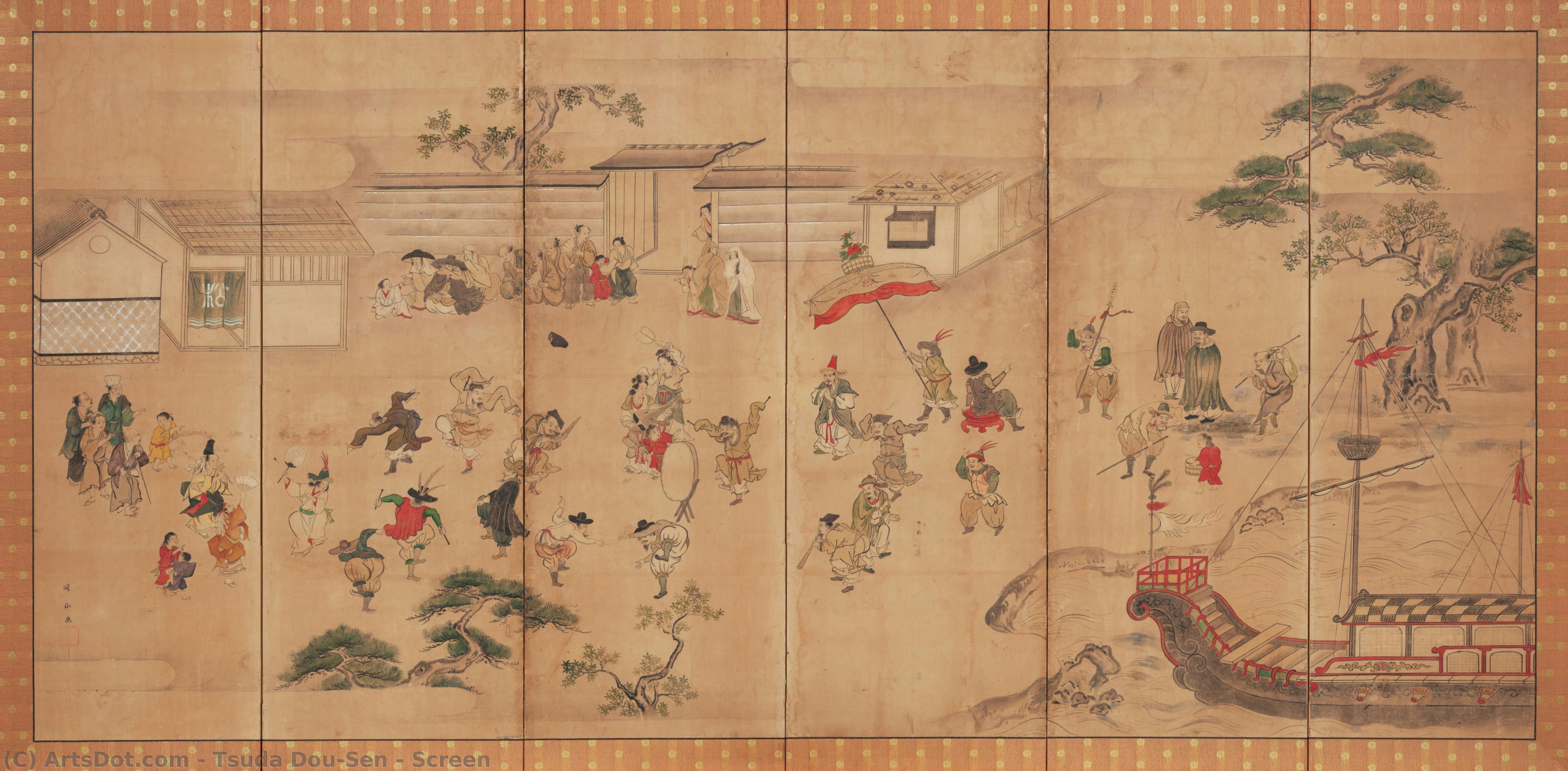
Screen


 Ver más
Reproducción al óleo hecha a mano
Óleo sobre lienzo pintado a mano en el tamaño y marco de su elección, realizado por encargo por nuestros artistas. ( Comprar impresión Comprar imagen)




































Elija entre nuestros tamaños predefinidos que respetan las proporciones originales de la obra.

Puede ingresar sus propias dimensiones para adaptarse a un marco o espacio específico. Si el tamaño seleccionado no coincide con las proporciones de la imagen original, recortaremos la obra o extenderemos la pintura con elementos adicionales pintados a mano. Se le enviará una maqueta digital para su aprobación antes de comenzar la producción.
Tenga en cuenta que la vista previa en pantalla no refleja el recorte o la extensión reales. Solo la maqueta mostrará con precisión la composición final.
Si bien existen tamaños personalizados, recomendamos seleccionar una dimensión de la lista predefinida para preservar las proporciones originales.
Tras realizar el pedido, el equipo de ArtsDot.com enviará un correo electrónico al cliente para solicitar instrucciones y proporcionarle una vista previa del boceto.
Envío a todo el mundo () en 3-4 semanas en lugar de las 5 semanas estándar. (23 agosto). Sin comprometer la calidad.

Envío exprés gratuito a todo el mundo

Lienzo de lino de alta calidad

Seguro de envío total

Garantía de reembolso de impuestos aduaneros

Garantía de fidelidad cromática exacta

Política de devolución de 60 días (solo por defectos)

Garantía de devolución del 100% del dinero

Descuento por cantidad
 La opción de vidrio solo está disponible en tamaños inferiores a 110 cm.

Screen
Técnica de reproducción
Dimensiones de la reproducción
-


Precio total final
$ 263
Obras relacionadas




Biografía del artista
The Visionary Synthesis of Tsuda Sen
In the twilight of the Edo period, a time of profound transition for Japan, the works of Tsuda Sen emerged as a breathtaking bridge between ancient tradition and the encroaching modern world. Born into the disciplined atmosphere of a samurai family in Tokyo, Sen possessed a unique intellectual lineage that allowed him to look beyond the borders of his nation. While many of his contemporaries remained anchored in the established aesthetics of Japanese calligraphy, Sen was driven by an insatiable curiosity for the scientific and the structural. His early education, heavily influenced by his father’s foresight regarding Western knowledge, instilled in him a rare ability to observe the natural world through a lens of both botanical precision and artistic grace. This duality—the scientist's eye for detail and the artist's soul for expression—would become the hallmark of his enduring legacy.
The true brilliance of Sen’s career lies in his pioneering development of what is now recognized as Namban grammar, a revolutionary decorative art form. This was not merely an aesthetic choice but a profound linguistic experiment translated into visual media. By studying the rhythmic structures and geometric complexities of European grammatical forms, Sen sought to create a new visual language for Japan. He moved away from the fluid, often organic strokes of traditional ink wash toward a more structured, deliberate use of shapes and stylized lettering. This innovation allowed for a level of precision and complexity that could convey intricate ideas with a newfound elegance, effectively mimicking the structural logic of Western thought while maintaining a distinctly Japanese spirit.
A Legacy of Botanical Precision and Decorative Innovation
Beyond his linguistic experiments, Sen’s work was deeply rooted in the tangible beauty of the natural world. His training in botany at Tokyo Imperial University provided him with an unparalleled understanding of organic forms, which he seamlessly integrated into his decorative compositions. This scientific rigor breathed life into his screens and paintings, where every leaf, petal, and insect was rendered with a meticulousness that bordered on the hyper-realistic, yet always remained harmoniously balanced within his stylized frameworks. His ability to marry the rigid geometry of his Namban style with the delicate textures of nature created a tension that was both captivating and avant-garde for his era.
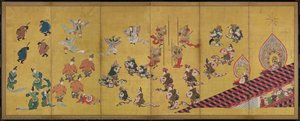
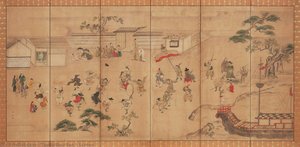
The historical significance of Tsuda Sen cannot be overstated, as he stood at the precipice of Japan's modernization. His collaborative efforts, most notably alongside his son, Tsuda Umeko, helped to forge a path where Eastern decorative traditions could dialogue with Western structural principles. Through his trade-themed screens and innovative use of geometric motifs, he prepared the Japanese visual consciousness for the globalized era that was to follow. Today, his work remains a testament to the power of cross-cultural synthesis, reminding us that true innovation often occurs at the intersection of disparate worlds, where the precision of science meets the boundless imagination of art.
tsuda dou-sen
1804 - 1856 , Japan
Datos clave
- Artistic Movement Or Style: Namban-jin Xu-ekizu
- Date Of Birth: August 6, 1837
- Date Of Death: April 24, 1908
- Full Name: Tsuda Sen
- Nationality: Japanese
- Notable Artworks: ['Trade Screens']
- Place Of Birth: Tokyo, Japan

