 Vista previa
 Compartir
 Compartir
 Ver detalles

 Descargar
 Ver similares
 Radiografía
 Presentación de diapositivas
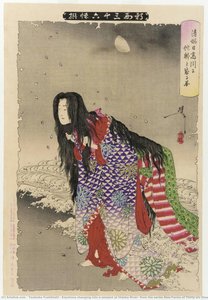
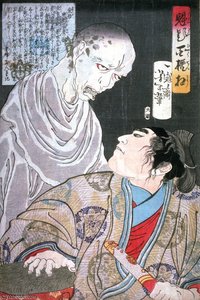
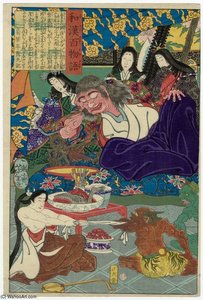
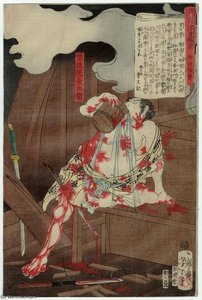
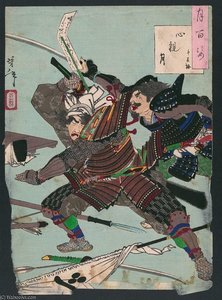
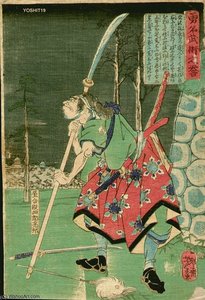
Komori No Godan


 Leer más
Reproducción al óleo hecha a mano
Óleo sobre lienzo pintado a mano en el tamaño y marco de su elección, realizado por encargo por nuestros artistas. ( Pedir impresión Comprar descarga)




P118B $10

P118H $10

P118W $10

P438Z $10

P508JH $12

P508YH $12

P805H $10

P805Z $10

P919BZ $10

P919G $10

P919XJ $10

P959ZH $10

P968JZ $12

W106C $8

W218G $10

W218JH $8

W218Y $10

W307PJ $10

W316G $10

W316PJ $8

W316Y $10

W398PJ $8

W4111J $10

W500HY $15

W500JH $15

W692G $12

W849H $8

W940BG $15

W953PJ $8




Elija entre nuestros tamaños predefinidos que respetan las proporciones originales de la obra.

Puede ingresar sus propias dimensiones para adaptarse a un marco o espacio específico. Si el tamaño seleccionado no coincide con las proporciones de la imagen original, recortaremos la obra o extenderemos la pintura con elementos adicionales pintados a mano. Se le enviará una maqueta digital para su aprobación antes de comenzar la producción.
Tenga en cuenta que la vista previa en pantalla no refleja el recorte o la extensión reales. Solo la maqueta mostrará con precisión la composición final.
Si bien existen tamaños personalizados, recomendamos seleccionar una dimensión de la lista predefinida para preservar las proporciones originales.
Tras realizar el pedido, el equipo de ArtsDot.com enviará un correo electrónico al cliente para solicitar instrucciones y proporcionarle una vista previa del boceto.
Envío a todo el mundo () en 3-4 semanas en lugar de las 5 semanas estándar. (20 agosto). Sin comprometer la calidad.

Envío exprés gratuito a todo el mundo

Lienzo de lino de alta calidad

Seguro de envío completo

Garantía de reembolso de aranceles aduaneros

Garantía de fidelidad cromática exacta

Política de devolución de 60 días (solo por defectos)

Garantía de devolución del 100% del dinero

Oferta por volumen
 La opción de vidrio solo está disponible en tamaños inferiores a 110 cm.

Komori No Godan
Técnica de reproducción
Tamaño de la reproducción
-


Precio total
$ 313
Descripción de la obra
Komori No Godan: A Symphony of Shadows and Symbolism
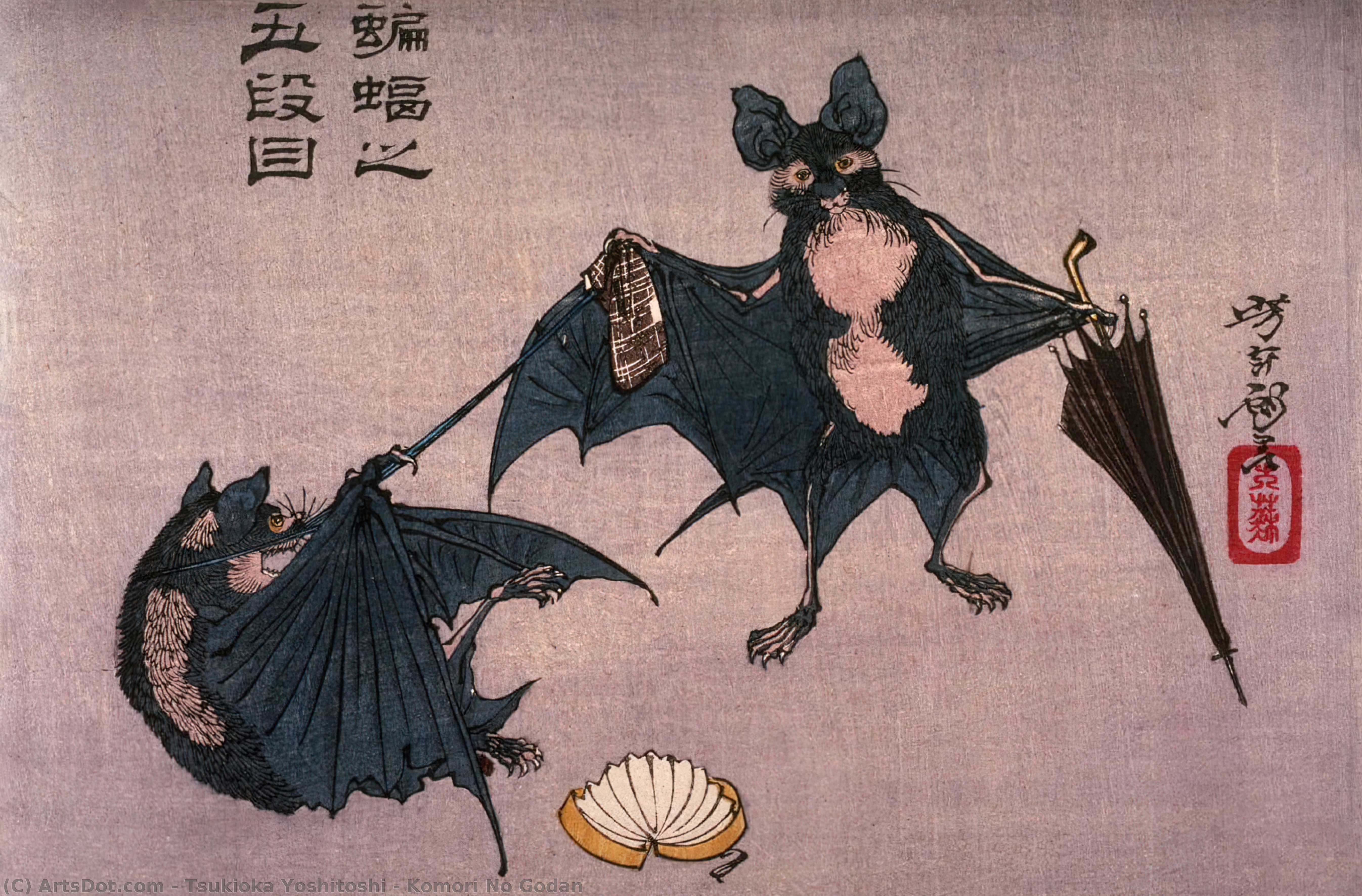
Tsukioka Yoshitoshi’s “Komori No Godan” – literally “Six Bats Under the Umbrella” – is more than just a captivating image; it's a poignant meditation on mortality, protection, and the enduring spirit of Japanese folklore. Executed in stark monochrome with the meticulous precision characteristic of Ukiyo-e woodblock prints, this artwork transports the viewer to a world steeped in layered meaning and evocative atmosphere. Created during a period of immense social change in Japan – the late Edo period – Yoshitoshi’s work reflects both a deep respect for traditional motifs and a willingness to confront the anxieties of his time.
- Subject Matter: The central focus is undeniably the trio of bats, each gracefully navigating the sky while holding an umbrella. This seemingly simple composition immediately draws upon deeply ingrained Japanese symbolism, where bats are traditionally associated with longevity, good fortune, and protection from evil spirits.
- Style & Technique: As a master of Ukiyo-e, Yoshitoshi employs a distinctive style that blends realism with stylized representation. The artwork is the product of a complex woodblock printing process – an intricate dance between carving, inking, and pressing. The artist meticulously carved a wooden block, applying layers of black ink to create tonal variations and textures, finally transferring the image onto paper through precise pressure.
Decoding the Composition: Movement and Meaning
Yoshitoshi’s compositional choices are deliberate and profoundly impactful. The three bats are strategically positioned across the frame – one on the left, another in the center, and a third on the right – creating a dynamic sense of movement as if they are swept along by an unseen wind. This fluidity is further enhanced by the inclusion of two smaller figures: one nestled near the bottom left corner and another hovering towards the top right. These secondary elements aren’t mere decorative additions; they serve to heighten the feeling of depth, interaction, and perhaps even a subtle narrative. The arrangement subtly suggests a journey or a gathering, adding layers of complexity to the scene.
- Perspective & Depth: While adhering to the flattened perspective typical of Ukiyo-e prints, Yoshitoshi skillfully uses overlapping elements and variations in size to create an illusion of depth. The smaller figures recede into the distance, drawing the viewer’s eye deeper into the composition.
- Line Work: The artwork's strength lies in its masterful use of lines – strong, defined lines delineate the bats' bodies, wings, and umbrellas, while hatching and cross-hatching techniques are employed to create tonal variations and texture, particularly on the bats’ fur and the umbrellas’ fabric.
Symbolism and Emotional Resonance
"Komori No Godan" is rich in symbolic weight. The umbrellas themselves represent protection – a shield against misfortune or the harsh realities of life. Coupled with the bats' association with longevity, the artwork evokes a sense of serenity tempered by an awareness of mortality. Yoshitoshi’s ability to imbue seemingly simple subjects with such profound meaning is what elevates his work beyond mere illustration and into the realm of timeless art.
- Historical Context: Created during a period of immense social upheaval, the artwork reflects the anxieties and uncertainties of late Edo Japan. The bats’ protective symbolism could be interpreted as a plea for safety in a world undergoing rapid transformation.
- Emotional Impact: The muted color palette and evocative composition create a serene yet slightly mysterious mood – characteristic of Ukiyo-e art, inviting contemplation and introspection.
A Timeless Masterpiece – A Reproduction Worth Investing In
This handmade oil reproduction of Tsukioka Yoshitoshi’s “Komori No Godan” offers a unique opportunity to own a piece of Japanese artistic history. Each reproduction meticulously recreates the original's intricate details, capturing the artist's masterful use of line, tone, and composition. Perfect for collectors, interior designers seeking to infuse their spaces with a touch of timeless elegance, or anyone captivated by the beauty and symbolism of Ukiyo-e art, this artwork is more than just a print; it’s an investment in artistry and heritage.
Obras relacionadas
Biografía del artista
Tsukioka Yoshitoshi: Una Vida en Grabados de Madera
Primeros Años y Formación
- Nacido: 30 de abril de 1839, en el distrito de Shimbashi del antiguo Edo (Tokio), Japón como Owariya Yonejiro.
- Mostró un interés temprano por el arte y comenzó clases con su tío a los cinco años.
- Aprendizaje: En 1850, a los once años, fue aprendiz de Utagawa Kuniyoshi, un maestro de la impresión japonesa en madera. Recibió el nombre artístico “Yoshitoshi” a través de esta aprendizaje.
- Su padre era un rico comerciante que había alcanzado el estatus de samurái.
Carrera Artística y Desarrollo
- Primeras Obras: La primera impresión de Yoshitoshi fue en 1853, pero su producción se mantuvo limitada hasta después de la muerte de Kuniyoshi en 1861.
- “Impresiones Sanguinolentas”: Ganó reconocimiento por grabados que representaban violencia y muerte gráfica, reflejando los tiempos turbulentos de la transición de Japón. Estos estaban inspirados por la pérdida personal y el descontento social.
- Series y Temas: Publicó obras en series como Tsūzoku saiyūki (“Un Viaje Moderno al Oeste”) y Wakan hyaku monogatari (“Cien Historias de China y Japón”). Su obra a menudo presentaba escenas históricas, actores de Kabuki y temas míticos.
- Innovación: Yoshitoshi fusionó la estética japonesa tradicional con influencias occidentales en la composición y la perspectiva.
Obras Notables
- Tokugawa Iemitsu recibe a los señores en audiencia: Un llamativo grabado en madera que se conserva en el Museo de Arte del Condado de Los Ángeles.
- Guerrero (General Yamanaka Shikanasake): Demuestra su habilidad para representar la acción dinámica y el personaje.
- Serie Musha-e: Su serie de grabados guerreros, conocida como Musha Burui, es particularmente celebrada por su intensidad dramática.
Influencias y Legado
- Influenciado Por: Principalmente Utagawa Kuniyoshi, del cual aprendió dibujo y composición. También influenciado por las técnicas artísticas occidentales introducidas a través de la colección de Kuniyoshi.
- Influencia En: Si bien su influencia directa es debatida, el estilo innovador de Yoshitoshi allanó el camino para futuras generaciones de artistas japoneses.
- Significado Histórico: Se considera el último gran maestro del Ukiyo-e, preservando y elevando la forma de arte durante un período de rápida modernización en Japón. Su obra captura un momento crucial en la historia japonesa.
- Una Lucha Contra el Tiempo: Yoshitoshi trabajó incansablemente para mantener las técnicas tradicionales de impresión en madera a medida que Japón adoptaba métodos occidentales como la fotografía y la litografía.
Últimos Años y Muerte
- Yoshitoshi continuó produciendo arte hasta su muerte el 9 de junio de 1892.
- Reputación Duradera: Su coraje y visión artística garantizaron la supervivencia del Ukiyo-e para otra generación. Hoy en día, se reconoce como uno de los mayores artistas de Japón.
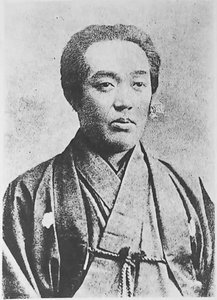
Tsukioka Yoshitoshi
1839 - 1892 , Japón
Datos clave
- Artistas Que Influyeron: ['Utagawa Kuniyoshi']
- Fecha De Muerte: 9 de junio de 1892
- Fecha De Nacimiento: 30 de abril de 1839
- Influencia En Artistas: ['Futuras generaciones de artistas']
- Lugar De Nacimiento: Tokio, Japón
- Movimiento Artístico: Ukiyo-e
- Nacionalidad: Japonés
- Nombre Completo: Tsukioka Yoshitoshi
- Obras Notables:
- Tokugawa Iemitsu recibiendo señores
- Guerrero (General Yamanaka Shikanasake)
- Serie Musha Burui
Artículos relacionados
Tsukioka Yoshitoshi: A Master of Ukiyo-e's Final Flourish – Narrative, Innovation, and the Meiji Transition
Explore the life & art of Tsukioka Yoshitoshi, the last great master of ukiyo-e woodblock printing. Discover his dramatic warrior prints, innovative series like 'One Hundred Aspects of the Moon,' and legacy reflecting Japan's Meiji transition.
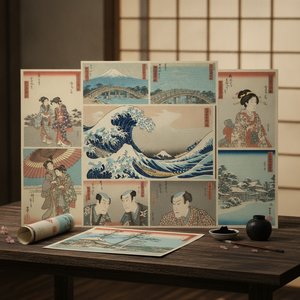
Ukiyo-e's Greatest Hits: 10 Masterpieces That Shaped a Movement | ArtsDot
Journey into Japan's 'Floating World'! Explore 10 Ukiyo-e masterpieces by Hokusai, Hiroshige & more. Discover the stories behind these iconic woodblock prints and bring timeless Japanese art to your home with ArtsDot.com. Explore the full collection online.

Katsushika Hokusai: Las 25 Obras Maestras del Ukiyo-e que Transformaron el Arte Japonés | ArtsDot
Descubre las 25 obras maestras de Katsushika Hokusai, el genio del ukiyo-e. Explora 'La Gran Ola', paisajes japoneses y su impacto en el arte moderno. Reproducciones de alta calidad para tu hogar en ArtsDot.com.
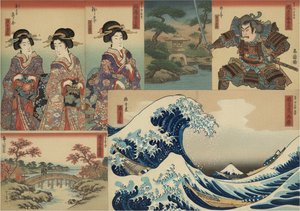
Ukiyo-e: Un Viaje al Corazón del Mundo Flotante Japonés y su Legado Artístico
Descubre el fascinante mundo del Ukiyo-e, el arte japonés del Período Edo. Explora las técnicas de grabado, los maestros Hokusai y Hiroshige, y su legado perdurable. ¡Un viaje cultural inolvidable!
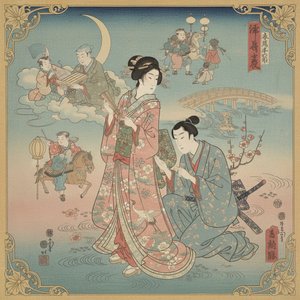
Suzuki Harunobu: Pioneering Ukiyo-e & the Refinement of Edo Period Printmaking
Discover the revolutionary world of Suzuki Harunobu, a pioneer of ukiyo-e printmaking. Explore his exquisite nishiki-e techniques, diverse subjects & lasting impact on Japanese art history. Learn more at ArtsDot.