

 Ver en contexto
 Enviar
 Compartir
 Detalles

 Descargar
 Similares
 Radiografía
 Presentación de diapositivas
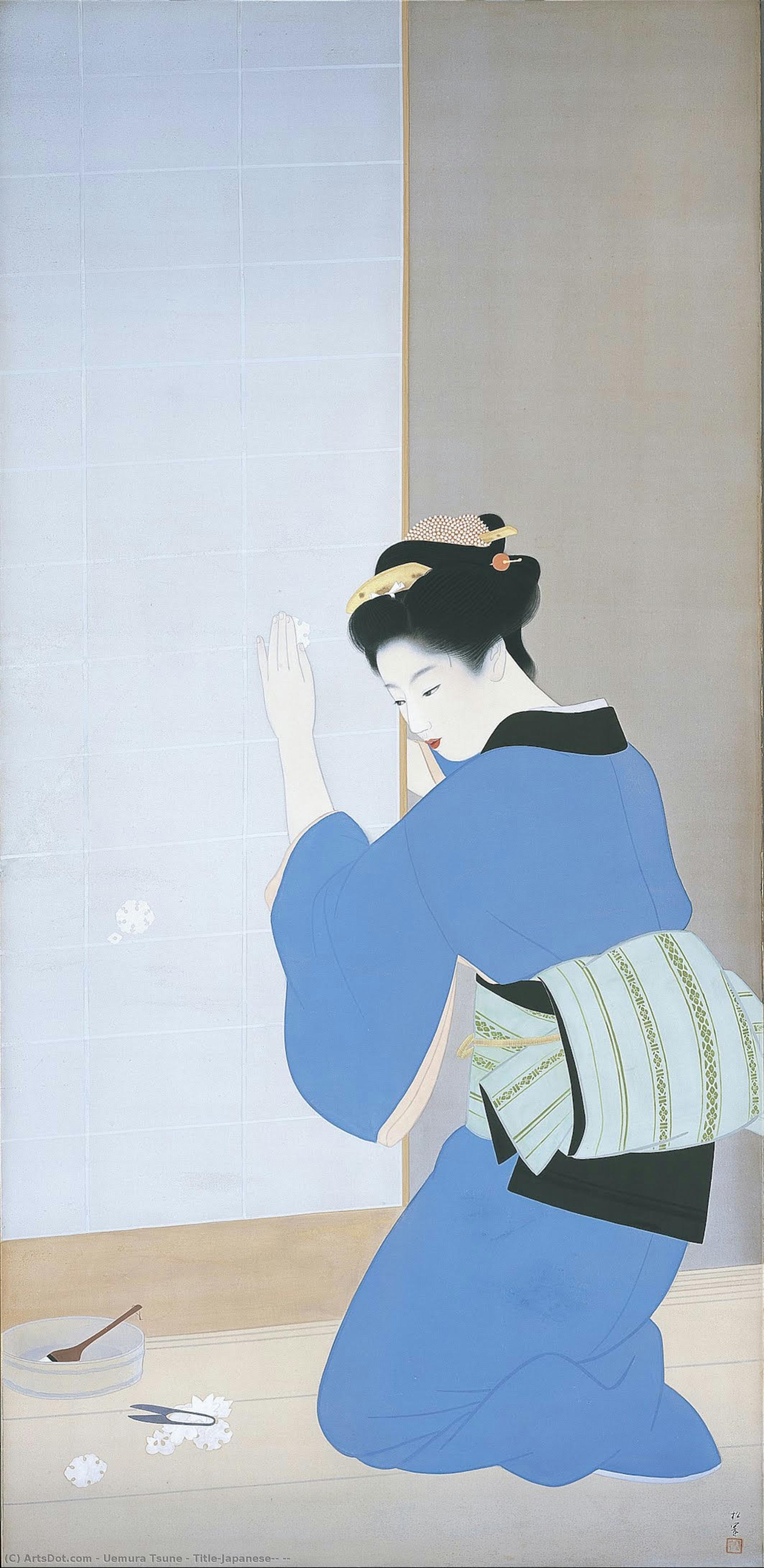
Title(Japanese): 晩秋
 Painting
- Nihonga
 1943
1943- Modern
 86.0 x 182.0 cm
 Osaka City Museum of Fine Arts
 Ver más
Reproducción al óleo hecha a mano
Óleo sobre lienzo pintado a mano en el tamaño y marco de su elección, realizado por encargo por nuestros artistas. ( Comprar impresión Comprar imagen)




P118B $10

P118H $10

P118W $10

P438Z $10

P508JH $12

P508YH $12

P805H $10

P805Z $10

P919BZ $10

P919G $10

P919XJ $10

P959ZH $10

P968JZ $12

W106C $8

W218G $10

W218JH $8

W218Y $10

W307PJ $10

W316G $10

W316PJ $8

W316Y $10

W398PJ $8

W4111J $10

W500HY $15

W500JH $15

W692G $12

W849H $8

W940BG $15

W953PJ $8




Elija entre nuestros tamaños predefinidos que respetan las proporciones originales de la obra.

Puede ingresar sus propias dimensiones para adaptarse a un marco o espacio específico. Si el tamaño seleccionado no coincide con las proporciones de la imagen original, recortaremos la obra o extenderemos la pintura con elementos adicionales pintados a mano. Se le enviará una maqueta digital para su aprobación antes de comenzar la producción.
Tenga en cuenta que la vista previa en pantalla no refleja el recorte o la extensión reales. Solo la maqueta mostrará con precisión la composición final.
Si bien existen tamaños personalizados, recomendamos seleccionar una dimensión de la lista predefinida para preservar las proporciones originales.
Tras realizar el pedido, el equipo de ArtsDot.com enviará un correo electrónico al cliente para solicitar instrucciones y proporcionarle una vista previa del boceto.
Envío a todo el mundo () en 3-4 semanas en lugar de las 5 semanas estándar. (24 agosto). Sin comprometer la calidad.

Envío exprés gratuito a todo el mundo

Lienzo de lino de alta calidad

Seguro de envío total

Garantía de reembolso de impuestos aduaneros

Garantía de fidelidad cromática exacta

Política de devolución de 60 días (solo por defectos)

Garantía de devolución del 100% del dinero

Descuento por cantidad
 La opción de vidrio solo está disponible en tamaños inferiores a 110 cm.

Title(Japanese): 晩秋
Técnica de reproducción
Dimensiones de la reproducción
-


Precio total final
$ 263
Descripción de la obra
A Poetic Encounter with Late Autumn
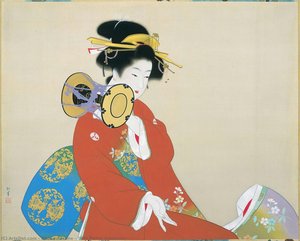
In the quietude of 1943, Uemura Tsune—the legendary master of bijin-ga—captured a moment of profound stillness in her evocative work, 晩秋 (Late Autumn). This masterpiece invites the viewer into a serene, introspective world where the boundaries between human emotion and the natural cycle of life blur seamlessly. The painting depicts a woman, draped in the exquisite layers of traditional Japanese attire, captured in a posture of humble grace. As she kneels with hands resting softly upon her knees, there is an unmistakable sense of reverence, as if she is participating in a silent ritual to honor the passing season. The composition is anchored by a cool, ethereal blue palette that evokes the crisp, biting air of a late autumn afternoon, casting a contemplative shadow over the scene.
The artistry of Uemura Tsune shines through her meticulous command of the Nihonga style, where every brushstroke serves to elevate the subject beyond mere portraiture. The artist utilizes a delicate interplay of light and negative space, set against a stark white backdrop that allows the intricate details of the woman's garments and the subtle presence of nature to breathe. Within this tranquil landscape, two birds appear like fleeting thoughts in the periphery—one on the left and another drifting toward the right—symbolizing the transient nature of life and the migratory spirit of the season. A solitary bowl rests near the base of the composition, adding a touch of domestic intimacy that grounds the ethereal beauty of the scene in a tangible, human reality.
The Legacy of Elegance and Tradition
To possess or display a reproduction of Late Autumn is to bring a piece of Japanese history into the modern living space. Uemura Tsune was not merely a painter; she was a pioneer who broke gender barriers to become the first female recipient of the Order of Culture Award. Her work is deeply rooted in the refined atmosphere of Kyoto’s tea culture, an influence that manifests here through a sense of ritualistic beauty and disciplined grace. For the discerning collector or interior designer, this piece offers more than just aesthetic appeal; it provides a focal point of sophisticated tranquility. The painting's large-scale presence (86 x 182 cm) makes it an ideal centerpiece for a room designed for reflection, offering a window into the soul of the Taishō and Shōwa eras.
The emotional resonance of this work lies in its ability to evoke mono no aware—the beautiful sadness of the impermanent. The blue tones do not merely represent color; they represent a mood of quietude and the dignified acceptance of change. Whether placed in a contemporary minimalist setting or a classic, richly textured study, this reproduction serves as an enduring tribute to the elegance of the human spirit amidst the turning tides of nature. It is an invitation to slow down, to breathe, and to find beauty in the fleeting moments of our existence.
Obras relacionadas
![Bijin Eika [beauty Poem] — Uemura Tsune, Ukiyo-e](/media/artworks/images-thumb/46/9c/469cd8d72636f40f3a39b537751a674b.jpg)
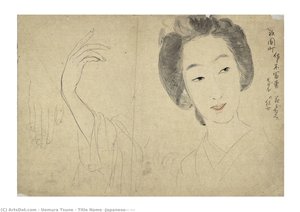
Biografía del artista
early life and training
uemura shōen, known by her real name uemura tsune, was a pioneering artist in meiji, taishō, and early shōwa period japanese painting. born on april 23, 1875, in shimogyō ward, kyoto, she grew up in an all-female household after her father's passing. her mother’s tea shop attracted refined clientele for the art of japanese tea ceremony, exposing uemura to a cultured environment from an early age.
At 12, uemura tsune demonstrated considerable skill in drawing human figures. At 15, she began exhibiting her work and winning awards in official art contests, as well as receiving private commissions. Her mother supported her decision to pursue an artistic career, which was unusual for the time.
key achievements
First female recipient of the order of culture award hired as the imperial household's official artist produced numerous works on historical themes and traditional subjects, especially bijin-ga (paintings of beautiful women) in the nihonga style
- Notable Works:
- 花がたみ (129 x 219 cm, shohaku art museum, paper)
- 鼓の音 (95 x 77 cm, shohaku art museum, silk)
- 夕暮 (95 x 187 cm, shohaku art museum, paper)
museums and collections
shohaku art museum (nara, japan)
legacy and influence
uemura tsune's success paved the way for future generations of female artists in japan. her work can be seen as a bridge between traditional japanese art forms and the evolving role of women in society during the taisho era.
- Related Art Movements:
- the kanō school style art movement
- the ukiyo-e art movement
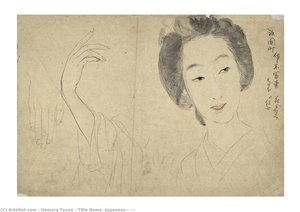
Uemura Tsune
1875 - 1949 , Japón
Datos clave
- Artistic Movement Or Style: Nihonga
- Artists Or Movements Influenced By This Artist: ['Ukiyo-e']
- Artists Who Influenced This Artist: ['Kanō School']
- Date Of Birth: April 23, 1875
- Full Name: Uemura Tsune
- Nationality: Japanese
- Notable Artworks: ['雪', '鼓の音', '夕暮']
- Place Of Birth: Shimogyo Ward, Japan
Artículos relacionados
Las 10 Obras Maestras del Azul Pizarra: Arte, Historia y Decoración
Descubre las 10 pinturas más famosas dominadas por el azul pizarra. Explora la historia, técnica y belleza de Monet, Van Gogh y otros maestros. Encuentra reproducciones de arte exclusivas para decorar tu hogar en .
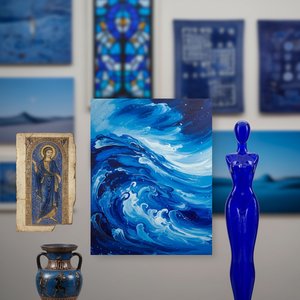
The Allure of Azure: Exploring the Symbolic & Aesthetic Depths of Blue in Art History
Explore the rich history of blue in art! Discover its symbolism, from ancient pigments to modern masterpieces by Kandinsky & Seurat. Uncover the psychological impact and cultural meanings behind this captivating hue.
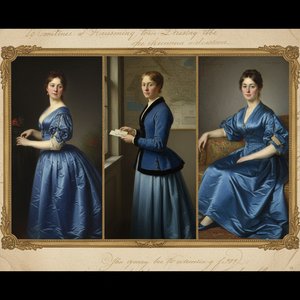
Azure Visions: Exploring Representations of the Blue Dress in Western Art History
Explore the rich history of the blue dress in Western art! Discover its symbolism, from Renaissance masterpieces to modern interpretations by artists like Martin & Schiele. Uncover cultural meanings and artistic techniques.
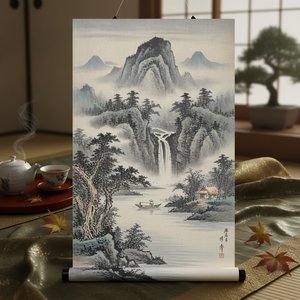
Serenity on Canvas: A Guide to the Timeless Beauty of Japanese Landscape Painting
Discover the serene beauty of Japanese landscape painting. From Hokusai's iconic woodblock prints to meditative sumi-e ink washes, explore a visual journey through the 'floating world' and learn how to bring this timeless Zen aesthetic into your modern home decor.

Katsushika Hokusai: Las 25 Obras Maestras del Ukiyo-e que Transformaron el Arte Japonés | ArtsDot
Descubre las 25 obras maestras de Katsushika Hokusai, el genio del ukiyo-e. Explora 'La Gran Ola', paisajes japoneses y su impacto en el arte moderno. Reproducciones de alta calidad para tu hogar en ArtsDot.com.

