 Vista previa
 Compartir
 Compartir
 Ver detalles

 Descargar
 Ver similares
 Radiografía
 Presentación de diapositivas
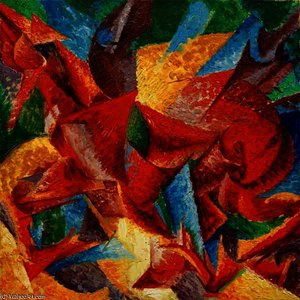
Dynamism of a Human Body


 Leer más
Reproducción al óleo hecha a mano
Óleo sobre lienzo pintado a mano en el tamaño y marco de su elección, realizado por encargo por nuestros artistas. ( Pedir impresión Comprar descarga)




P118B $10

P118H $10

P118W $10

P438Z $10

P508JH $12

P508YH $12

P805H $10

P805Z $10

P919BZ $10

P919G $10

P919XJ $10

P959ZH $10

P968JZ $12

W106C $8

W218G $10

W218JH $8

W218Y $10

W307PJ $10

W316G $10

W316PJ $8

W316Y $10

W398PJ $8

W4111J $10

W500HY $15

W500JH $15

W692G $12

W849H $8

W940BG $15

W953PJ $8




Elija entre nuestros tamaños predefinidos que respetan las proporciones originales de la obra.

Puede ingresar sus propias dimensiones para adaptarse a un marco o espacio específico. Si el tamaño seleccionado no coincide con las proporciones de la imagen original, recortaremos la obra o extenderemos la pintura con elementos adicionales pintados a mano. Se le enviará una maqueta digital para su aprobación antes de comenzar la producción.
Tenga en cuenta que la vista previa en pantalla no refleja el recorte o la extensión reales. Solo la maqueta mostrará con precisión la composición final.
Si bien existen tamaños personalizados, recomendamos seleccionar una dimensión de la lista predefinida para preservar las proporciones originales.
Tras realizar el pedido, el equipo de ArtsDot.com enviará un correo electrónico al cliente para solicitar instrucciones y proporcionarle una vista previa del boceto.
Envío a todo el mundo () en 3-4 semanas en lugar de las 5 semanas estándar. (21 agosto). Sin comprometer la calidad.

Envío exprés gratuito a todo el mundo

Lienzo de lino de alta calidad

Seguro de envío completo

Garantía de reembolso de aranceles aduaneros

Garantía de fidelidad cromática exacta

Política de devolución de 60 días (solo por defectos)

Garantía de devolución del 100% del dinero

Oferta por volumen
 La opción de vidrio solo está disponible en tamaños inferiores a 110 cm.

Dynamism of a Human Body
Técnica de reproducción
Tamaño de la reproducción
-


Precio total
$ 263
Descripción de la obra
Umberto Boccioni’s “Dynamism of a Human Body”: A Manifesto in Paint
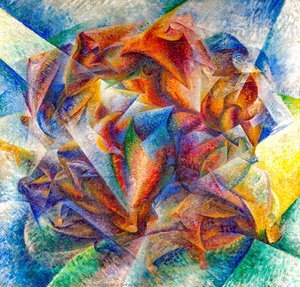
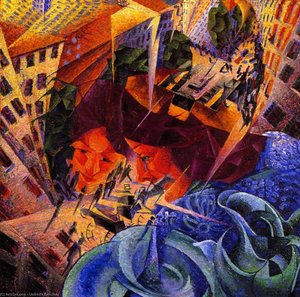
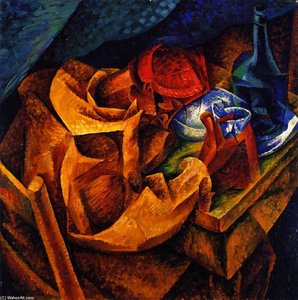
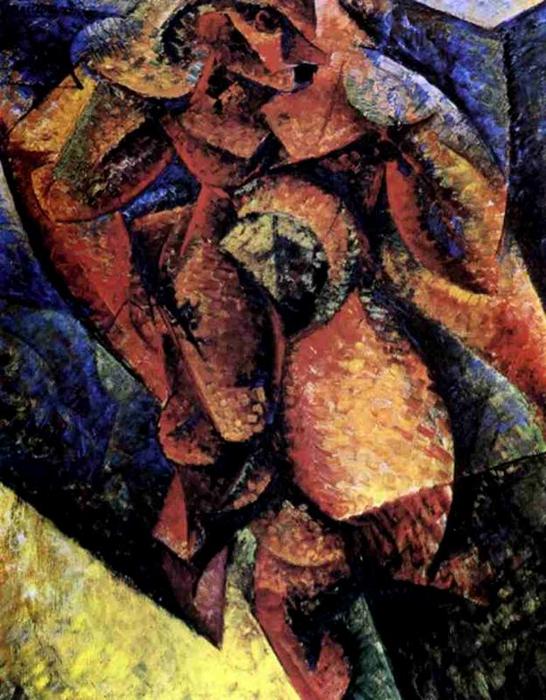
Umberto Boccioni's "Dynamism of a Human Body" isn't merely a depiction of a figure; it’s a visceral embodiment of the Futurist movement’s core philosophy – a rejection of static representation and an embrace of motion, speed, and the raw energy of the modern world. Painted in 1913, this work captures a fleeting moment of intense human experience, transforming the individual into a symbol of dynamism itself. The painting immediately assaults the viewer with its vibrant palette dominated by fiery reds and oranges, colors traditionally associated with industrial power, revolution, and the burgeoning machine age. These hues aren’t applied gently; they are layered and broken up with bold brushstrokes that convey a sense of fractured space and accelerated movement. A strategic use of blue in the background provides a crucial counterpoint, adding depth and emphasizing the figure's forward thrust while simultaneously hinting at the vastness of the surrounding environment – a common Futurist technique to represent the overwhelming scale of modern life.
The Birth of Dynamism: Futurism and Boccioni’s Vision
Born in Reggio Calabria in 1882, Umberto Boccioni's artistic journey was inextricably linked to the radical ideas of Futurism. This movement, spearheaded by Filippo Tommaso Marinetti, sought to dismantle traditional art forms and celebrate the dynamism of industrialization, warfare, and urban life. Boccioni, like his fellow Futurists, believed that artists should actively participate in shaping the future, not simply documenting the past. “Dynamism of a Human Body” exemplifies this belief; it’s less about portraying a realistic human form and more about capturing the *feeling* of movement – the sensation of being propelled forward with unstoppable force. His early exposure to diverse landscapes during his father's civil service postings instilled in him a restless spirit, a desire for constant change that fueled his artistic experimentation.
Technique and Composition: A Fragmented Reality
Boccioni’s technique is characterized by its deliberate fragmentation and abstraction. The figure isn't rendered with smooth contours; instead, it’s broken down into geometric shapes, suggesting a simultaneous existence in multiple planes of space. This approach reflects the Futurist desire to represent not just what we see but how we *perceive* movement – a sensation that is inherently multi-dimensional and often defies traditional representation. The composition itself contributes significantly to this effect. The figure’s outstretched arms and legs create a sense of imbalance, further emphasizing the feeling of instability and unrestrained motion. The layering of paint, particularly in the areas representing the body's movement, creates an almost sculptural quality, inviting the viewer to engage with the work on multiple levels.
Symbolism and Emotional Impact
"Dynamism of a Human Body" transcends a simple depiction of physical activity; it’s a powerful statement about humanity’s relationship with technology and progress. The figure's upward trajectory suggests aspiration, ambition, and perhaps even a yearning for liberation from the constraints of the past. The painting evokes a sense of exhilaration mixed with anxiety – a feeling that is profoundly relevant to our own era of rapid technological advancement. It’s a work that demands attention, challenging viewers to confront their own perceptions of movement, space, and time. This piece remains a cornerstone of Futurist art, offering a compelling glimpse into the revolutionary spirit of early 20th-century Italy.
Obras relacionadas

Biografía del artista
vida temprana y formación
umberto boccioni, un pintor y escultor italiano fundamental, nació el 19 de octubre de 1882 en Reggio Calabria, Italia. El trabajo gubernamental de su padre llevó a frecuentes traslados por toda Italia, lo que influyó en la vida temprana de Boccioni. A los 15 años, se estableció en Catania, Sicilia, donde completó sus estudios. Más tarde se mudó a Roma para estudiar arte en la academía de bellas artes de Roma's escuela libre del nudo y bajo giovanni mataloni, un artista de carteles de estilo liberty.el movimiento futurista
El enfoque innovador de Boccioni en la forma y la desconstrucción de la masa tuvo un gran impacto en el mundo del arte. Se convirtió en el teórico principal del movimiento futurista, firmando el manifiesto de los pintores futuristas ("manifiesto de los pintores futuristas") en 1910. Sus obras se conservan en muchos museos de arte públicos, incluyendo una retrospectiva importante en el museo Metropolitano de Arte en la ciudad de Nueva York en 1988.obras notables y legado
- dinamismo de un cuerpo humano (futurismo, óleo sobre lienzo), una pintura que muestra el estilo único de Boccioni.
- formas dimensionales de un caballo (40 x 40 cm, futurismo, óleo sobre lienzo), otro ejemplo de su enfoque innovador en la forma.
- formas únicas de continuidad en el espacio (futurismo, bronce), una escultura que demuestra su desconstrucción de la masa sólida.
enlaces relevantes de ArtsDot.com
- pintura por 'umberto boccioni' | umberto boccioni:dinamismo de un cuerpo humano (futurismo, óleo sobre lienzo,)
- pintura por 'umberto boccioni' | umberto boccioni:formas dimensionales de un caballo (40 x 40 cm, futurismo, óleo sobre lienzo,)
- pintura por 'umberto boccioni' | umberto boccioni:Lanceros (futurismo, óleo sobre lienzo,)
wikipedia: umberto boccioni
umberto boccioni, un pintor y escultor italiano influyente. Ayudó a dar forma al estético revolucionario del movimiento futurista como una de sus figuras principales. nota: este artículo es una traducción del italiano, pero con fines analíticos, se ha traducido de nuevo al inglés. La pregunta original estaba en italiano.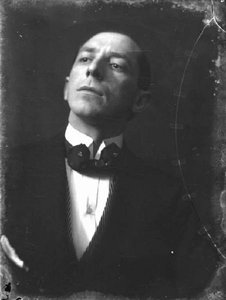
Umberto Boccioni
1882 - 1916 , Italia
Datos clave
- Artistas Que Influyeron:
- Giovanni Mataloni
- Giacomo Balla
- Fecha De Nacimiento: 19 de octubre de 1882
- Influenció A Artistas/Movimientos:
- Constructivismo
- Expresionismo abstracto
- Lugar De Nacimiento: Reggio Calabria, Italia
- Movimiento Artístico: Futurismo
- Nacionalidad: Italiana
- Nombre Completo: Umberto Boccioni
- Obras Notables:
- Dinamismo de un cuerpo humano
- Formas únicas de continuidad
- La ciudad se eleva
- Dimensiones de un caballo
Artículos relacionados

Giclée Prints: Archival Quality & Aesthetic Nuances for the Discerning Collector
Explore the world of giclée prints with ArtsDot. Learn about archival quality, aesthetic nuances & investment potential. Expert guidance for discerning art collectors seeking museum-quality reproductions and lasting value.
Transforming Spaces: A Comprehensive Exploration of Wall Decor Through Art History & Contemporary Practice
Explore the art of transforming spaces with our comprehensive guide to wall decor. From historical movements to contemporary trends, discover how to curate impactful interiors and commission bespoke artwork for a truly personalized aesthetic.
Henri Matisse: Las 25 Obras Maestras que Definieron un Genio del Color | ArtsDot
Descubre las 25 obras maestras de Henri Matisse, el rey del color y padre del fauvismo. Explora su arte moderno, lienzos vibrantes y la historia detrás de cada pintura icónica. Encuentra reproducciones de alta calidad en ArtsDot.com.

Echoes of Time: Exploring the Enduring Appeal & Historical Context of Vintage Art Prints
Explore the captivating world of vintage art prints! Discover their history, collecting tips & enduring appeal. Expert insights on chromolithography and building a legacy collection with ArtsDot.
Mark Rothko: Las 25 Obras Maestras que Definen la Expresión Abstracta | ArtsDot
Descubre las 25 obras maestras de Mark Rothko, pionero del expresionismo abstracto. Explora la historia, el significado y los colores vibrantes que definen su arte emocional. Reproducciones de alta calidad en ArtsDot.com.