 Ver en contexto
 Enviar
 Compartir
 Detalles

 Descargar
 Similares
 Radiografía
 Presentación de diapositivas
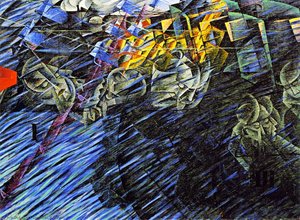
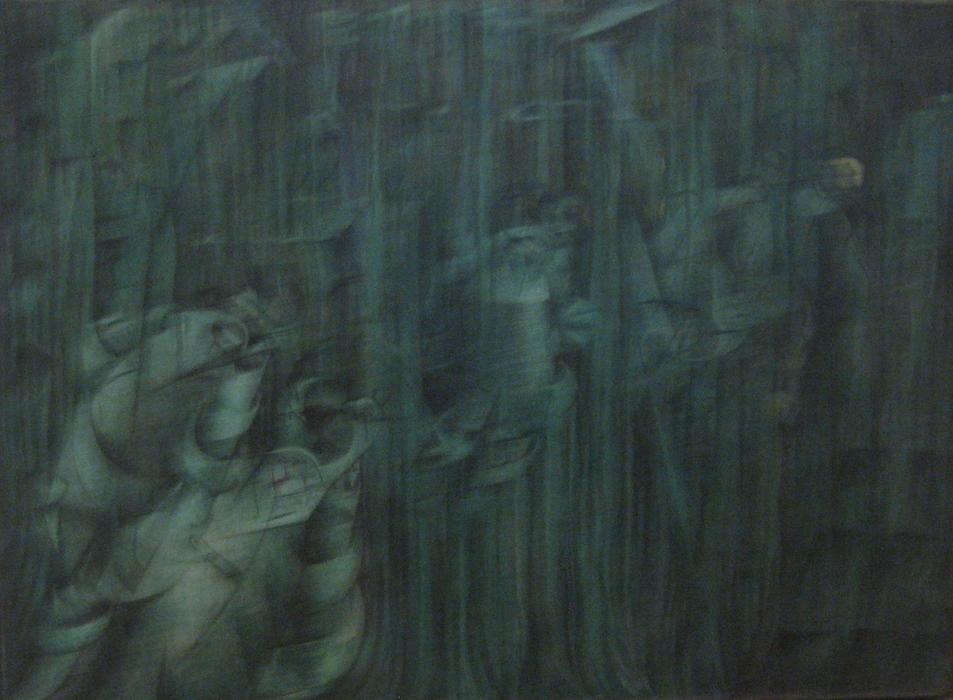
States of Mind III: Those Who Stay


 Ver más
Reproducción al óleo hecha a mano
Óleo sobre lienzo pintado a mano en el tamaño y marco de su elección, realizado por encargo por nuestros artistas. ( Comprar impresión Comprar imagen)




P118B $10

P118H $10

P118W $10

P438Z $10

P508JH $12

P508YH $12

P805H $10

P805Z $10

P919BZ $10

P919G $10

P919XJ $10

P959ZH $10

P968JZ $12

W106C $8

W218G $10

W218JH $8

W218Y $10

W307PJ $10

W316G $10

W316PJ $8

W316Y $10

W398PJ $8

W4111J $10

W500HY $15

W500JH $15

W692G $12

W849H $8

W940BG $15

W953PJ $8




Elija entre nuestros tamaños predefinidos que respetan las proporciones originales de la obra.

Puede ingresar sus propias dimensiones para adaptarse a un marco o espacio específico. Si el tamaño seleccionado no coincide con las proporciones de la imagen original, recortaremos la obra o extenderemos la pintura con elementos adicionales pintados a mano. Se le enviará una maqueta digital para su aprobación antes de comenzar la producción.
Tenga en cuenta que la vista previa en pantalla no refleja el recorte o la extensión reales. Solo la maqueta mostrará con precisión la composición final.
Si bien existen tamaños personalizados, recomendamos seleccionar una dimensión de la lista predefinida para preservar las proporciones originales.
Tras realizar el pedido, el equipo de ArtsDot.com enviará un correo electrónico al cliente para solicitar instrucciones y proporcionarle una vista previa del boceto.
Envío a todo el mundo () en 3-4 semanas en lugar de las 5 semanas estándar. (27 agosto). Sin comprometer la calidad.

Envío exprés gratuito a todo el mundo

Lienzo de lino de alta calidad

Seguro de envío total

Garantía de reembolso de impuestos aduaneros

Garantía de fidelidad cromática exacta

Política de devolución de 60 días (solo por defectos)

Garantía de devolución del 100% del dinero

Descuento por cantidad
 La opción de vidrio solo está disponible en tamaños inferiores a 110 cm.

States of Mind III: Those Who Stay
Técnica de reproducción
Dimensiones de la reproducción
-


Precio total final
$ 263
States of Mind III: Those Who Stay - A Futurist Echo in Desert Silence
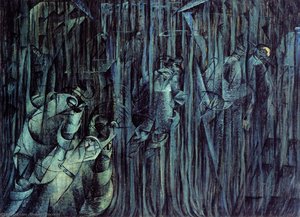
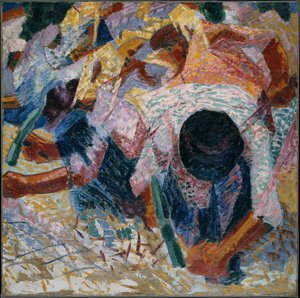
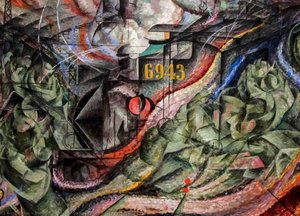
The painting “States of Mind III: Those Who Stay,” created by Umberto Boccioni in 1911, isn’t merely a depiction of a train station; it's an embodiment of Futurism’s core philosophy—a visceral exploration of movement and psychological fragmentation against the backdrop of a desolate landscape. Captured on canvas with oil paints, this monumental artwork stands as one of Boccioni’s most iconic pieces, reflecting his profound engagement with the anxieties and exhilarations of modernity. The Museo di Arte Moderna in Milan houses the original, offering visitors an unparalleled opportunity to experience firsthand the artist's revolutionary vision.- Composition & Technique: Boccioni employed a dynamic compositional strategy—diagonal lines dominate, conveying a sense of relentless progression and instability. He utilized a technique known as “Spazialismo,” or Spatialism, which aimed to transcend traditional perspective by fracturing the image into multiple planes simultaneously. This approach mirrored Futurists’ rejection of academic conventions and their desire to represent reality as experienced in motion.
- Historical Context: Futurism emerged from Italy at the dawn of the 20th century, fueled by a fervent belief in technological advancement and an outrage against bourgeois morality. Filippo Tommaso Marinetti's manifesto galvanized artists like Boccioni to embrace speed, violence, and industrial culture as sources of artistic inspiration. The painting reflects this broader cultural preoccupation with dynamism and disruption—a reaction to the perceived stagnation of Victorian society.
- Symbolism & Emotion: Beyond its formal elements, “States of Mind III” resonates with powerful emotional undertones. The train station symbolizes departure and transition, mirroring the psychological state depicted by Boccioni – loneliness, anguish, and dazed confusion. Vertical lines convey the weight of sadness carried by those left behind, highlighting the painting's melancholic core.
- Color Palette: The artwork’s subdued color palette—primarily dominated by blues—contributes to its moodiness and reinforces the sense of isolation. These hues evoke a feeling of emptiness and reinforce the overarching theme of psychological fragmentation.
A Pioneer of Spatialism – Boccioni's Innovative Approach
Boccioni’s groundbreaking Spatialismo technique represents a radical departure from Impressionist perspective, prioritizing the viewer’s sensory experience over illusionistic representation. By fracturing the image into multiple planes—a deliberate rejection of traditional linear perspective—he sought to capture not just what was seen but how it *felt*. This method anticipated developments in abstract art decades later and cemented Boccioni's position as a visionary innovator. The meticulous layering of paint demonstrates his dedication to conveying depth and complexity, mirroring the multifaceted nature of human emotion.Beyond Representation – Exploring Psychological Depth
“States of Mind III” transcends mere visual depiction; it delves into the realm of psychological exploration—a hallmark of Futurism’s artistic ambition. Boccioni wasn't interested in portraying a static scene but rather capturing the fleeting, turbulent emotions associated with moments of transition and loss. The painting compels viewers to confront uncomfortable truths about human experience and invites contemplation on themes of alienation and disorientation. It stands as a testament to Boccioni’s belief that art should engage not just the eye but also the intellect and the soul—a legacy that continues to inspire artists today.A Legacy Enduring – Influence & Reproduction Value
Umberto Boccioni's influence extends far beyond his own lifetime, shaping the trajectory of modern sculpture and inspiring generations of artists. The Museo di Arte Moderna’s exhibition in 1988 solidified his reputation as a pivotal figure in Futurist art history, attracting considerable scholarly attention. Today, high-quality reproductions of “States of Mind III” are sought after by collectors and interior designers alike—a testament to the painting's enduring aesthetic appeal and its ability to evoke profound emotional responses. Its striking composition and masterful technique continue to captivate audiences worldwide.Obras relacionadas
Biografía del artista
vida temprana y formación
umberto boccioni, un pintor y escultor italiano fundamental, nació el 19 de octubre de 1882 en Reggio Calabria, Italia. El trabajo gubernamental de su padre llevó a frecuentes traslados por toda Italia, lo que influyó en la vida temprana de Boccioni. A los 15 años, se estableció en Catania, Sicilia, donde completó sus estudios. Más tarde se mudó a Roma para estudiar arte en la academía de bellas artes de Roma's escuela libre del nudo y bajo giovanni mataloni, un artista de carteles de estilo liberty.el movimiento futurista
El enfoque innovador de Boccioni en la forma y la desconstrucción de la masa tuvo un gran impacto en el mundo del arte. Se convirtió en el teórico principal del movimiento futurista, firmando el manifiesto de los pintores futuristas ("manifiesto de los pintores futuristas") en 1910. Sus obras se conservan en muchos museos de arte públicos, incluyendo una retrospectiva importante en el museo Metropolitano de Arte en la ciudad de Nueva York en 1988.obras notables y legado
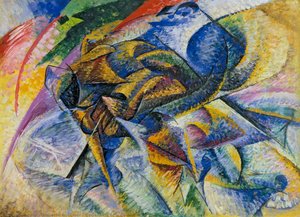
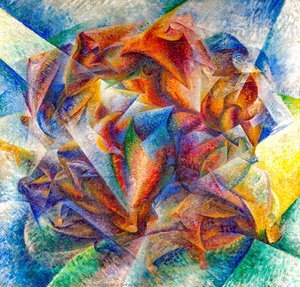
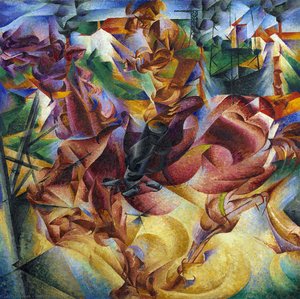
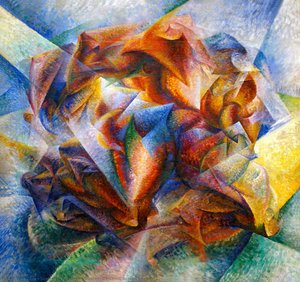
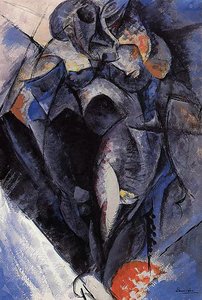
- dinamismo de un cuerpo humano (futurismo, óleo sobre lienzo), una pintura que muestra el estilo único de Boccioni.
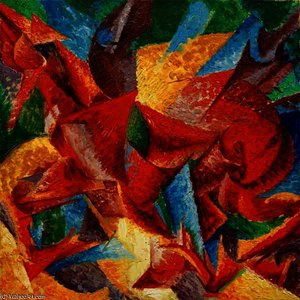
- formas dimensionales de un caballo (40 x 40 cm, futurismo, óleo sobre lienzo), otro ejemplo de su enfoque innovador en la forma.
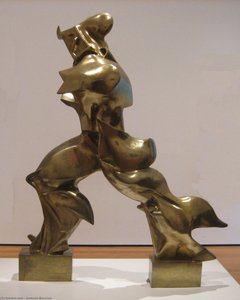
- formas únicas de continuidad en el espacio (futurismo, bronce), una escultura que demuestra su desconstrucción de la masa sólida.
enlaces relevantes de ArtsDot.com
- pintura por 'umberto boccioni' | umberto boccioni:dinamismo de un cuerpo humano (futurismo, óleo sobre lienzo,)
- pintura por 'umberto boccioni' | umberto boccioni:formas dimensionales de un caballo (40 x 40 cm, futurismo, óleo sobre lienzo,)
- pintura por 'umberto boccioni' | umberto boccioni:Lanceros (futurismo, óleo sobre lienzo,)
wikipedia: umberto boccioni
umberto boccioni, un pintor y escultor italiano influyente. Ayudó a dar forma al estético revolucionario del movimiento futurista como una de sus figuras principales. nota: este artículo es una traducción del italiano, pero con fines analíticos, se ha traducido de nuevo al inglés. La pregunta original estaba en italiano.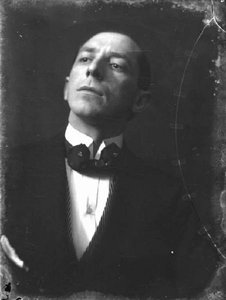
Umberto Boccioni
1882 - 1916 , Italia
Datos clave
- Artistas Que Influyeron:
- Giovanni Mataloni
- Giacomo Balla
- Fecha De Nacimiento: 19 de octubre de 1882
- Influenció A Artistas/Movimientos:
- Constructivismo
- Expresionismo abstracto
- Lugar De Nacimiento: Reggio Calabria, Italia
- Movimiento Artístico: Futurismo
- Nacionalidad: Italiana
- Nombre Completo: Umberto Boccioni
- Obras Notables:
- Dinamismo de un cuerpo humano
- Formas únicas de continuidad
- La ciudad se eleva
- Dimensiones de un caballo
Artículos relacionados

Umberto Boccioni: Dynamism, Futurist Ideals & the Evolution of Modern Sculpture
Explore the revolutionary art of Umberto Boccioni, a leading figure of Futurism. Discover his iconic sculptures & paintings, and delve into the movement's impact on modern art history with ArtsDot.

Esculturas de Bronce Legendarias: 10 Obras Maestras que Transformaron el Arte | ArtsDot
Descubre las 10 esculturas de bronce más legendarias que revolucionaron el arte. Explora la historia de Rodin, Degas y otros maestros del bronce. Encuentra reproducciones de alta calidad e inspiración para tu hogar en ArtsDot.com.

Las 10 Obras Maestras de Bronce que Revolucionaron la Historia del Arte | ArtsDot
Descubre las 10 esculturas de bronce más influyentes de la historia del arte. Explora obras maestras de Rodin, Degas y otros genios. Encuentra reproducciones de arte de calidad museo en ArtsDot.com.

The Enduring Form: Exploring Themes & Techniques in Sculpture Across Historical Periods
Explore the rich history of sculpture from ancient masterpieces to contemporary innovations. Discover key techniques, influential artists & investment potential for discerning art collectors.

The Enduring Form: Sculpture Across History, Technique & Emotional Resonance
Explore the rich history of sculpture with ArtsDot. Discover key techniques, influential artists & investment potential for discerning collectors. Expert insights into valuing and collecting timeless masterpieces.