Menú
Ver en contextoVer en contexto Vista previa en RAVista previa en RA Cambiar a Impresión Cambiar a ImpresiónComprar pintura hecha a mano Comprar pintura hecha a mano EnviarEnviar
DetallesDetalles Añadir a favoritos Añadir a favoritos DescargarDescargar SimilaresSimilares RadiografíaRadiografía Presentación de diapositivasPresentación de diapositivas EstadísticasEstadísticas

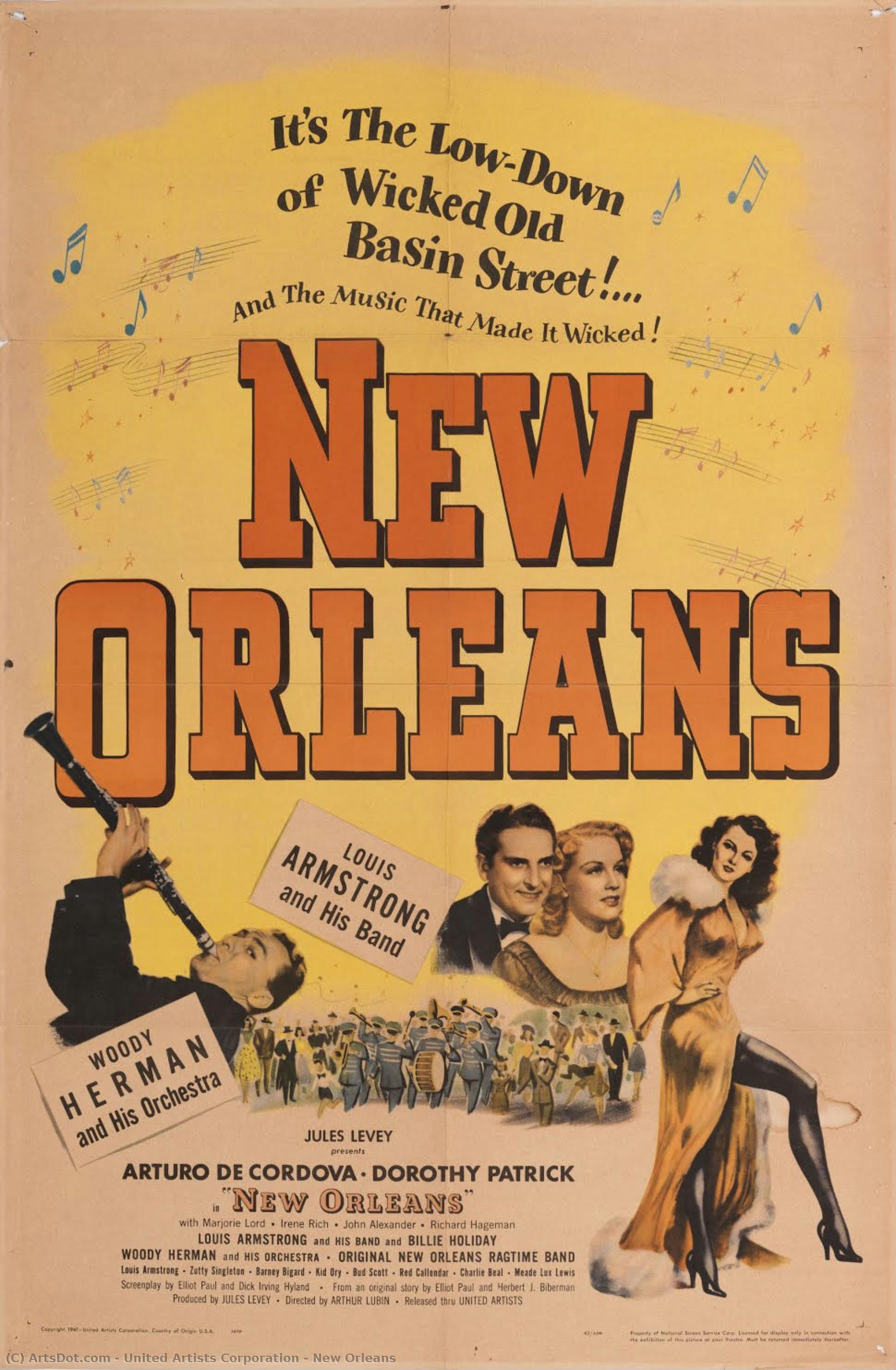
New Orleans

United Artists Corporation was a pioneering film studio known for its independent spirit and groundbreaking productions, shaping modern cinema with iconic works like *The Kid* and fostering creative freedom – discover their cinematic legacy today.

Adquiera una imagen digital de alta resolución y optimizada, muy superior a la vista previa en línea.

Cada archivo es preparado meticulosamente por nuestros especialistas internos mediante el uso de herramientas avanzadas y un experto retoque manual. Nos aseguramos de que cada imagen posea una claridad excepcional, una precisión cromática impecable y un detalle minucioso.

El archivo final se entrega por correo electrónico en un plazo de 72 horas, optimizado para su uso inmediato en entornos profesionales, editoriales y de impresión. Esta es la misma calidad en la que confían los estudios de diseño, las editoriales y las galerías de primer nivel.

Imagen Digital

Descarga un archivo de alta resolución para exhibición personal, impresión y proyectos creativos. (Cambiar a Impresión Cambiar a ImpresiónComprar pintura hecha a mano Comprar pintura hecha a mano)

Precio total

$ 24,00

Incluido en cada pedido de imágenes digitales

Entrega digital experta, garantizada.

Al elegir ArtsDot.com, no solo está adquiriendo una imagen; está recibiendo una obra de arte digital mejorada profesionalmente, elaborada con precisión y respaldada por una garantía de satisfacción. Esto es todo lo que incluye su pedido, automáticamente:

shipping_icon
Entrega rápida por email

Recibirá su archivo de imagen digital en alta resolución por correo electrónico en un plazo de 72 horas tras realizar su pedido, listo para su uso inmediato.

canvas_icon
Archivo digital optimizado por IA

Su obra de arte se optimiza profesionalmente mediante herramientas avanzadas de IA y edición manual, garantizando el máximo detalle, claridad y precisión cromática.

insurance_icon
Reenvío gratuito de por vida

¿Has borrado o perdido tu archivo por error? No te preocupes: te lo volveremos a enviar en cualquier momento, sin coste adicional.

tax_icon
Sin gastos de importación, siempre

Disfrute de su obra de arte al instante sin aduanas, aranceles ni gastos de envío; las descargas digitales siempre están libres de impuestos.

color_icon
Garantía de fidelidad de color

Garantizamos que su imagen digital refleje los colores originales con la mayor fidelidad posible, mediante el uso de herramientas profesionales y gestión del color.

return_icon
Garantía de satisfacción de 100 días

Si no está satisfecho con su imagen digital, la revisaremos o le reembolsaremos el 100% en un plazo de 100 días, sin preguntas.

guarantee_icon
100% Garantía de devolución de dinero

¿No está satisfecho? Obtenga un reembolso completo dentro de los 100 días posteriores a la recepción de su archivo digital, sin preguntas.

discount_icon
Descuentos por pedidos grandes

Compra 3 imágenes, ahorra 10% - Compra 5, ahorra 15% - Compra 10+, ahorra 20%. Ideal para proyectos creativos, galerías y agencias.
Biografía del artista

The Collective Vision of United Artists Corporation

United Artists Corporation, a name resonant with the spirit of independent filmmaking and artistic rebellion, wasn't born from the vision of a single auteur but rather as a collaborative defiance against the established Hollywood studio system. Founded in 1919 by Charlie Chaplin, Mary Pickford, Douglas Fairbanks, and D.W. Griffith – four of cinema’s most luminous stars – UA represented an unprecedented attempt to wrest control of production, distribution, and exhibition from the powerful moguls who dictated the industry's terms. Each founder, a titan in their own right, felt constrained by the creative limitations and financial inequities imposed by existing studios. They sought not merely greater profits but the autonomy to pursue projects aligned with their artistic sensibilities, free from external interference. This initial act of collective agency set UA apart, establishing it as a haven for filmmakers who prioritized vision over commercial expediency.

Early Years: A Bastion of Star Power and Artistic Freedom

The early decades of United Artists were defined by the star power of its founders and a commitment to diverse cinematic voices. Chaplin’s continued production of his iconic Tramp comedies, Pickford's charming portrayals of youthful innocence, and Fairbanks’ swashbuckling adventures formed the bedrock of UA’s initial success. However, the corporation quickly expanded beyond its founding quartet, embracing filmmakers like Buster Keaton, Erich von Stroheim, and F.W. Murnau. This willingness to champion unconventional talent distinguished UA from its competitors. While other studios focused on standardized genres and formulaic narratives, UA fostered a space where experimentation flourished. The company’s distribution model was also innovative; rather than building a vast network of owned theaters, UA primarily leased venues, allowing it greater flexibility in showcasing independent productions. This approach, while financially precarious at times, underscored its dedication to supporting a wider range of cinematic expression.

Challenges and Transformations: Navigating the Studio System

Despite its initial promise, United Artists faced significant challenges throughout the 1930s and 40s. The Great Depression severely impacted box office revenues, and internal disagreements among the founders regarding financial strategy and artistic direction threatened to fracture the corporation. D.W. Griffith departed early on due to creative differences, and Chaplin eventually withdrew from active participation. The rise of the fully integrated studio system – with its vertically controlled production, distribution, and exhibition networks – further marginalized UA’s independent model. In 1942, a significant restructuring saw control pass into the hands of new management, marking a shift away from the original artist-driven ethos. While UA continued to produce notable films during this period, including Alfred Hitchcock's *Rebecca* (1940) and Billy Wilder’s *The Big Picture* (1957), it increasingly resembled its more conventional rivals.

A Renaissance of New Wave Cinema

The 1960s and 70s witnessed a remarkable resurgence of UA's artistic reputation, fueled by a new generation of filmmakers who embraced countercultural themes and innovative techniques. Under the leadership of Robert Wise and later Richard D. Zanuck and David Brown, UA became synonymous with the New Wave movement in American cinema. Films like *Midnight Cowboy* (1969), directed by John Schlesinger, challenged societal norms and pushed boundaries of narrative form. Other groundbreaking productions included Milos Forman’s *One Flew Over the Cuckoo's Nest* (1975) and Martin Scorsese’s *Taxi Driver* (1976). This period solidified UA’s legacy as a champion of bold, provocative storytelling that resonated with a changing cultural landscape. These films weren’t simply commercially successful; they sparked critical debate and redefined the possibilities of cinematic expression.

Legacy and Historical Significance

Though United Artists underwent further ownership changes and ultimately became absorbed into larger media conglomerates, its impact on the film industry remains profound. The corporation's initial act of defiance against the studio system paved the way for independent filmmaking as a viable alternative to mainstream production. UA demonstrated that artistic vision could coexist with commercial success, inspiring countless filmmakers to pursue their own creative paths. The company’s willingness to take risks on unconventional talent fostered a climate of innovation and experimentation that continues to shape cinema today. From its origins as a collective of stars seeking autonomy to its later embrace of New Wave auteurs, United Artists Corporation stands as a testament to the enduring power of artistic freedom and the transformative potential of collaborative filmmaking. Its story serves as a potent reminder that true cinematic progress often arises from challenging established norms and prioritizing vision over convention.