

 Ver en contexto
 Enviar
 Compartir
 Detalles

 Descargar
 Similares
 Radiografía
 Presentación de diapositivas
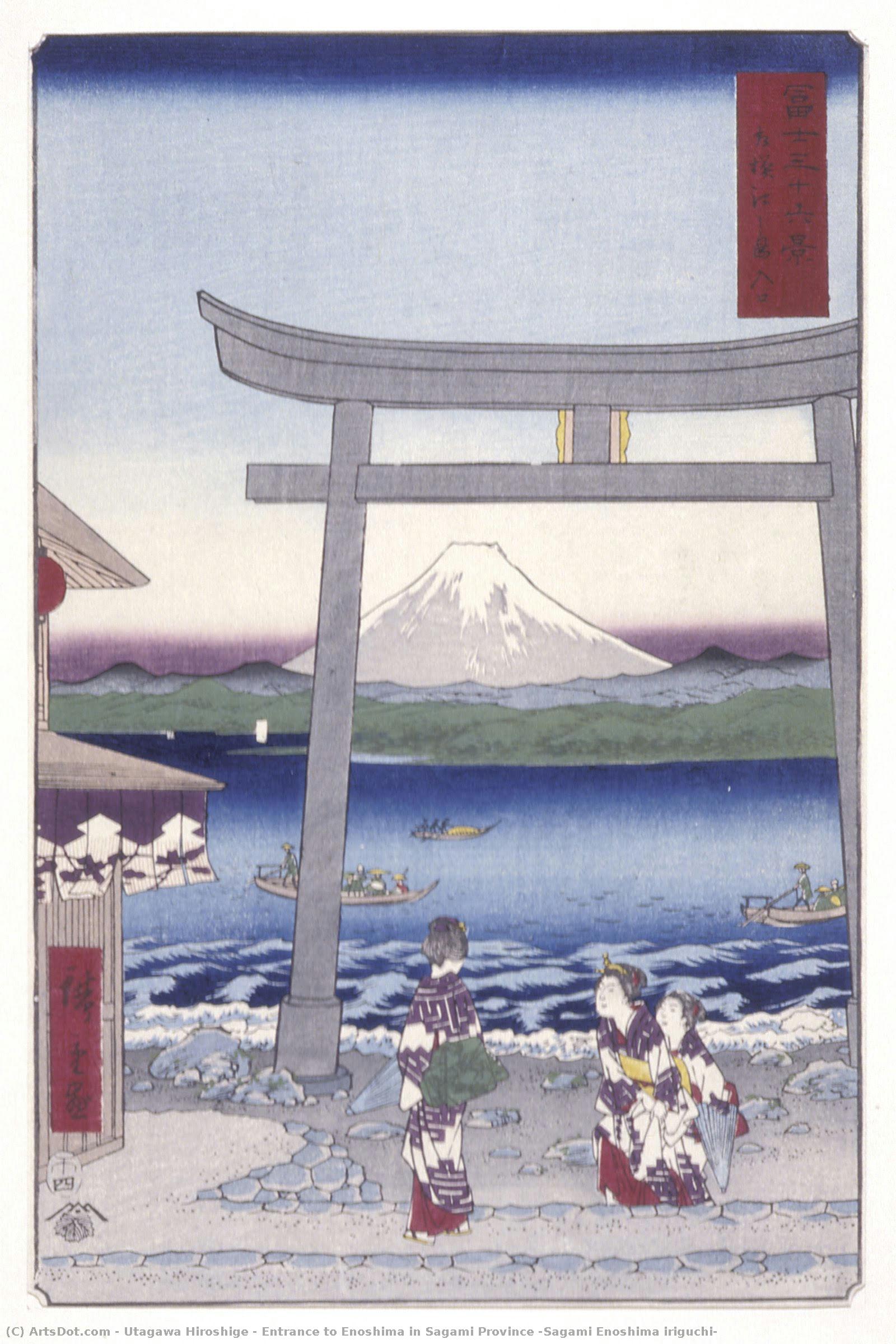
Entrance to Enoshima in Sagami Province (Sagami Enoshima iriguchi)


 Ver más
Adquiera una imagen digital de alta resolución y optimizada, muy superior a la vista previa en línea.
Cada archivo es preparado meticulosamente por nuestros especialistas internos mediante el uso de herramientas avanzadas y un experto retoque manual. Nos aseguramos de que cada imagen posea una claridad excepcional, una precisión cromática impecable y un detalle minucioso.
El archivo final se entrega por correo electrónico en un plazo de 72 horas, optimizado para su uso inmediato en entornos profesionales, editoriales y de impresión. Esta es la misma calidad en la que confían los estudios de diseño, las editoriales y las galerías de primer nivel.
Imagen Digital
Descarga un archivo de alta resolución para exhibición personal, impresión y proyectos creativos. ( Comprar impresión Comprar pintura hecha a mano)
Incluido en cada pedido de imágenes digitales
Entrega digital experta, garantizada.
Al elegir ArtsDot.com, no solo está adquiriendo una imagen; está recibiendo una obra de arte digital mejorada profesionalmente, elaborada con precisión y respaldada por una garantía de satisfacción. Esto es todo lo que incluye su pedido, automáticamente:

Entrega rápida por email
Recibirá su archivo de imagen digital en alta resolución por correo electrónico en un plazo de 72 horas tras realizar su pedido, listo para su uso inmediato.

Archivo digital optimizado por IA
Su obra de arte se optimiza profesionalmente mediante herramientas avanzadas de IA y edición manual, garantizando el máximo detalle, claridad y precisión cromática.

Reenvío gratuito de por vida
¿Has borrado o perdido tu archivo por error? No te preocupes: te lo volveremos a enviar en cualquier momento, sin coste adicional.

Sin gastos de importación, siempre
Disfrute de su obra de arte al instante sin aduanas, aranceles ni gastos de envío; las descargas digitales siempre están libres de impuestos.

Garantía de fidelidad de color
Garantizamos que su imagen digital refleje los colores originales con la mayor fidelidad posible, mediante el uso de herramientas profesionales y gestión del color.

Garantía de satisfacción de 60 días
Si no está satisfecho con su imagen digital, la revisaremos o le reembolsaremos el 100% en un plazo de 60 días, sin preguntas.

100% Garantía de devolución de dinero
¿No está satisfecho? Obtenga un reembolso completo dentro de los 60 días posteriores a la recepción de su archivo digital, sin necesidad de explicaciones.

Descuentos por pedidos grandes
Compra 3 imágenes, ahorra 10% - Compra 5, ahorra 15% - Compra 10+, ahorra 20%. Ideal para proyectos creativos, galerías y agencias.
The Entrance to Enoshima: A Poetic Glimpse of Edo Life
Utagawa Hiroshige’s “Entrance to Enoshima in Sagami Province” (Sagami Enoshima iriguchi) is more than just a depiction of a coastal scene; it's a carefully constructed window into the heart of 19th-century Japan. Painted in 1858, during a period of profound transformation as Western influence began to permeate Japanese society, this woodblock print captures a fleeting moment of everyday life along the coast, imbued with a quiet beauty and subtle symbolism that speaks volumes about the era.
The scene unfolds on a slightly overcast day at the entrance to Enoshima Island, a small landmass just off the coast of Sagami Bay. A modest group of figures – primarily women, though men are also present – navigate a stone pathway leading towards the island’s shrine. The composition is dominated by the dramatic interplay of light and shadow, characteristic of Hiroshige's masterful use of *bokashi*, a technique involving multiple layers of color to create subtle gradations and atmospheric effects. Notice how the muted blues and greens of the sea contrast with the warmer tones of the pathway and the figures’ clothing; this creates a sense of depth and realism rarely achieved in earlier Japanese prints.
Beyond the immediate scene, the backdrop reveals a stunning vista of distant mountains shrouded in mist – Mount Fuji itself is barely discernible, lending an air of mystery and suggesting the vastness of Japan. The inclusion of these majestic peaks anchors the composition within a broader landscape context, reminding us of the country’s enduring connection to nature. The careful placement of boats scattered across the water further emphasizes the scene's maritime character, hinting at the vital role that trade and fishing played in the lives of those who inhabited this region.
A Masterclass in Ukiyo-e Technique
Hiroshige’s genius lay not only in his subject matter but also in his technical prowess. As a leading figure in the *ukiyo-e* (pictures of the floating world) tradition, he pushed the boundaries of this popular genre, elevating it to an art form worthy of serious contemplation. The print is created using the traditional woodblock printing process – a painstaking and labor-intensive method that required multiple skilled artisans. The artist initially sketched the design onto paper, then carved the image into wooden blocks, one for each color. These blocks were then inked and pressed onto rice paper to create the final print.
Hiroshige’s innovative use of *bokashi* is particularly noteworthy. By applying multiple layers of ink in varying concentrations, he achieved a remarkable level of tonal subtlety – a technique that would later influence Western artists like Monet and Van Gogh. The delicate shading around the figures, the hazy atmosphere, and the subtle reflections on the water all contribute to the print’s captivating realism. The use of Prussian blue, a relatively new pigment at the time, adds a vibrant touch to the scene while maintaining an overall sense of harmony.
Symbolism and the Essence of Edo Life
While seemingly a simple depiction of a coastal path, “Entrance to Enoshima” is rich in symbolic meaning. The presence of women walking towards the shrine suggests a connection to Shinto beliefs and rituals – a cornerstone of Japanese culture. The modest attire and everyday activities of the figures reflect the lives of ordinary people during the Edo period (1603-1868), a time of relative peace and prosperity in Japan. The scene offers a glimpse into the rhythms of daily life, capturing the quiet beauty of a moment suspended in time.
Furthermore, the inclusion of Mount Fuji – a sacred symbol of Japan – elevates the print beyond a mere depiction of a landscape. It represents not only the physical majesty of the country but also its spiritual and cultural identity. The slightly obscured view of the mountain hints at the challenges and uncertainties that lay ahead as Japan faced increasing Western influence. The scene, therefore, can be interpreted as a meditation on tradition, change, and the enduring spirit of Japan.
A Timeless Appeal for Art & Design
“Entrance to Enoshima in Sagami Province” remains a powerfully evocative work of art, captivating viewers with its atmospheric beauty and subtle symbolism. Its masterful technique, combined with its poignant depiction of everyday life, has ensured its place as one of Hiroshige’s most celebrated prints. Today, high-quality reproductions offer an accessible way to experience the artistry of this iconic image, bringing a touch of Edo-era Japan into any space – whether adorning a wall in a contemporary home or serving as inspiration for interior designers seeking to evoke a sense of tranquility and cultural richness.
Obras relacionadas
Biografía del artista
biografía de un ícono del arte japonés
Utagawa Hiroshige, un renombrado artista ukiyo-e japonés, vivió de 1797 a 1858. Es ampliamente considerado como el último gran maestro de este género tradicional. La obra de Hiroshige se caracteriza por su enfoque poético y ambiental, lo que la distingue de las impresiones más audaces y formales de sus contemporáneos.estilo artístico y técnicas
El uso del color por parte de Hiroshige fue sutil pero esencial en sus grabados. A menudo empleaba múltiples impresiones en el mismo área, utilizando la técnica de bokashi (gradación de color), que era laboriosa pero resultó en un efecto visual único. Sus obras más famosas incluyen las cincuenta y tres estaciones del Tōkaidō y las cien vistas famosas de Edo, ambas mostrando su dominio de las series de paisajes.influencia en el arte occidental
La obra de Hiroshige tuvo un profundo impacto en el arte occidental, particularmente durante la tendencia japonista a finales del siglo XIX. Artistas como Édouard Manet y Claude Monet fueron influenciados por los grabados japoneses, mientras que los postimpresionistas como Vincent van Gogh coleccionaron y estudiaron las composiciones de Hiroshige.legado y desarrollo
Tras la muerte de Hiroshige en 1858, el género ukiyo-e experimentó un rápido declive debido a la occidentalización tras la restauración Meiji de 1868. Sin embargo, su influencia en el arte occidental sigue siendo significativa, con muchos artistas que continúan inspirándose en sus obras.- el movimiento artístico ukiyo-e - descubre más sobre el género que definió la obra de Hiroshige.
- ukiyo-e en wikipedia - explora la historia y la importancia del ukiyo-e en el arte japonés.
- museo de arte fuji - descubre un museo renombrado que exhibe tanto el arte japonés como el occidental, incluyendo obras inspiradas en el estilo de Hiroshige.
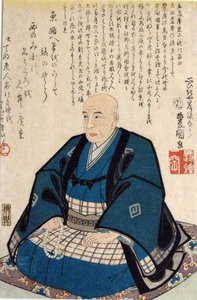
Utagawa Hiroshige
1797 - 1858 , Japón
Breves datos
- Artistas Que Influyeron: ['Katsushika Hokusai']
- Estilo Artístico: Ukiyo-e
- Fecha De Fallecimiento: 1858
- Fecha De Nacimiento: 1797
- Influencia En Artistas:
- Édouard Manet
- Claude Monet
- Vincent van Gogh
- Lugar De Nacimiento: Tokio, Japón
- Nacionalidad: Japonés
- Nombre Completo: Utagawa Hiroshige
- Obras Notables:
- Las 53 estaciones del Tokaido
- 100 vistas famosas de Edo

