 Ver en contexto
 Enviar
 Compartir
 Detalles

 Descargar
 Similares
 Radiografía
 Presentación de diapositivas
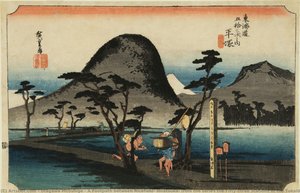
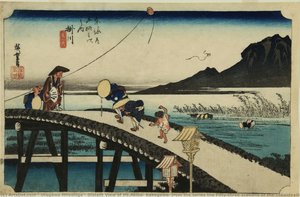
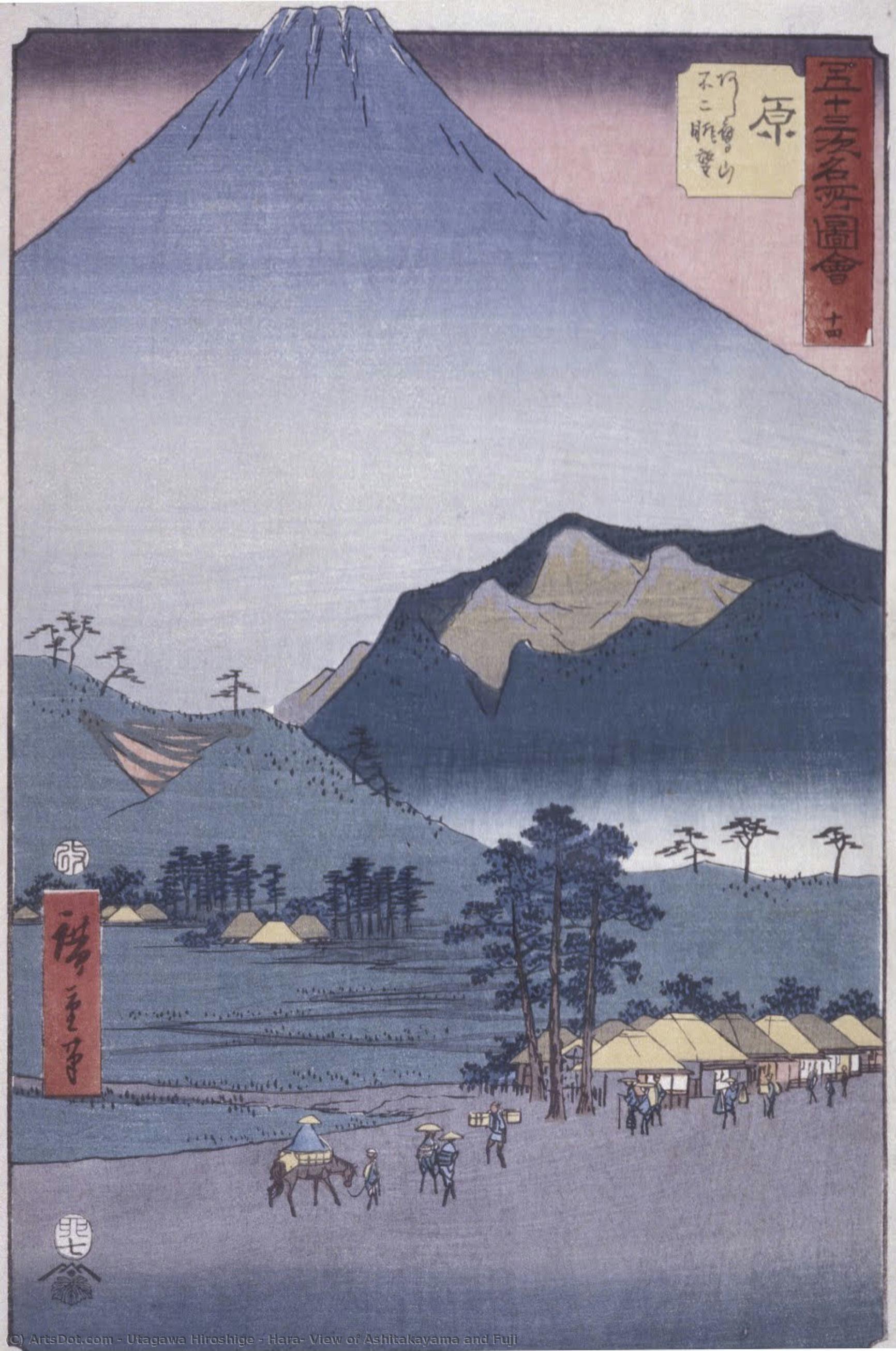
Hara: View of Ashitakayama and Fuji


 Ver más
Giclée / Impresión de arte
Impresiones giclée o en lienzo de calidad de museo con producción rápida y opciones de acabado flexibles. ( Comprar pintura hecha a mano Comprar imagen)




P118B $10

P118H $10

P118W $10

P438Z $10

P508JH $12

P508YH $12

P805H $10

P805Z $10

P919BZ $10

P919G $10

P919XJ $10

P959ZH $10

P968JZ $12

W106C $8

W218G $10

W218JH $8

W218Y $10

W307PJ $10

W316G $10

W316PJ $8

W316Y $10

W398PJ $8

W4111J $10

W500HY $15

W500JH $15

W692G $12

W849H $8

W940BG $15

W953PJ $8




Elija entre nuestros tamaños predefinidos que respetan las proporciones originales de la obra.

Puede introducir sus propias dimensiones para adaptarse a un marco o espacio específico. Si el tamaño seleccionado no coincide con las proporciones de la imagen original, recortaremos la obra de arte o extenderemos la imagen con un borde con efecto espejo o de color sólido. Se enviará una maqueta digital para su aprobación antes de que comience la producción.
Tenga en cuenta que la vista previa en pantalla no refleja el recorte o la extensión real. Solo la maqueta mostrará con precisión la composición final.
Aunque existen tamaños personalizados, recomendamos seleccionar una dimensión de la lista predefinida para preservar las proporciones originales.
Envío a todo el mundo () en 2 semanas en lugar de las 4/5 semanas estándar. (25 agosto)

Envío exprés gratuito a todo el mundo

Lienzo de lino de alta calidad

Seguro de envío total

Garantía de reembolso de impuestos aduaneros

Garantía de fidelidad cromática exacta

Política de devolución de 60 días (solo por defectos)

Garantía de devolución del 100% del dinero

Descuento por cantidad
 La opción de vidrio solo está disponible en tamaños inferiores a 110 cm.

Hara: View of Ashitakayama and Fuji
Giclée / Impresión de arte
Dimensiones de la reproducción
-


Precio total final
$ 62
Descripción de la pieza
Hara: View of Ashitakayama and Fuji – A Poetic Echo of Edo Japan
Utagawa Hiroshige’s “Hara: View of Ashitakayama and Fuji,” created in 1855 during the twilight years of Tokugawa rule, transcends mere topographical depiction. It's a masterful distillation of Japanese landscape painting philosophy—a testament to *yakusha-ga*, or “artist’s view”—where observation isn’t simply recording what is seen but conveying an emotional resonance with the natural world.
Subject Matter and Composition
The print captures a panoramic vista dominated by Mount Fuji, majestically positioned in the background against a hazy sky. Foreground elements include Ashitakayama Mountain, traversed by a winding road lined with trees—a deliberate choice reflecting the prevalent Edo-period fascination with journeys and vistas of grandeur. Scattered figures – travelers, perhaps pilgrims – add scale to the scene and subtly hint at human presence within this sublime landscape.
Style and Technique: Bokashi Color Gradation
Hiroshige’s signature style is characterized by a delicate balance between realism and idealized beauty. He employs *yakusha-ga*, prioritizing atmospheric perspective—the subtle blending of colors (*bokashi*) to simulate the hazy air characteristic of mountainous regions—over precise detail. This technique, painstakingly executed through multiple impressions on indigo-dyed paper, imbues the image with an ethereal quality that captures the mood and feeling of a particular moment in time.
Historical Context: Japonism’s Influence
“Hara” emerged during a period of significant cultural exchange between Japan and Europe—the burgeoning movement known as Japonism. Western artists, captivated by Hiroshige's serene landscapes and innovative color palettes, began incorporating Japanese motifs into their paintings. This fascination fueled an appreciation for simplicity, tranquility, and the expressive power of nature – values that resonated deeply with Impressionist painters like Monet and Van Gogh who sought to capture fleeting sensations.
Symbolism: Tranquility and Impermanence
Beyond its visual beauty, “Hara” embodies core Buddhist concepts of impermanence (*mujō*) and interconnectedness. The misty mountains symbolize the vastness of existence and the cyclical nature of time, while the solitary figures evoke contemplation and acceptance of life’s transient realities. Hiroshige's masterful rendering invites viewers to contemplate the sublime—the awe-inspiring grandeur of nature that transcends human understanding.
Emotional Impact: A Window into Edo Soul
Hiroshige’s “Hara” isn’t merely a depiction of scenery; it’s an embodiment of Edo Japan's aesthetic sensibilities. It speaks to a yearning for beauty, harmony, and spiritual contemplation—qualities that continue to inspire artists and collectors today. The print serves as a poignant reminder of a bygone era, capturing the essence of Japanese culture at its most refined and contemplative.
Obras relacionadas
Biografía del artista
biografía de un ícono del arte japonés
Utagawa Hiroshige, un renombrado artista ukiyo-e japonés, vivió de 1797 a 1858. Es ampliamente considerado como el último gran maestro de este género tradicional. La obra de Hiroshige se caracteriza por su enfoque poético y ambiental, lo que la distingue de las impresiones más audaces y formales de sus contemporáneos.estilo artístico y técnicas
El uso del color por parte de Hiroshige fue sutil pero esencial en sus grabados. A menudo empleaba múltiples impresiones en el mismo área, utilizando la técnica de bokashi (gradación de color), que era laboriosa pero resultó en un efecto visual único. Sus obras más famosas incluyen las cincuenta y tres estaciones del Tōkaidō y las cien vistas famosas de Edo, ambas mostrando su dominio de las series de paisajes.influencia en el arte occidental
La obra de Hiroshige tuvo un profundo impacto en el arte occidental, particularmente durante la tendencia japonista a finales del siglo XIX. Artistas como Édouard Manet y Claude Monet fueron influenciados por los grabados japoneses, mientras que los postimpresionistas como Vincent van Gogh coleccionaron y estudiaron las composiciones de Hiroshige.legado y desarrollo
Tras la muerte de Hiroshige en 1858, el género ukiyo-e experimentó un rápido declive debido a la occidentalización tras la restauración Meiji de 1868. Sin embargo, su influencia en el arte occidental sigue siendo significativa, con muchos artistas que continúan inspirándose en sus obras.- el movimiento artístico ukiyo-e - descubre más sobre el género que definió la obra de Hiroshige.
- ukiyo-e en wikipedia - explora la historia y la importancia del ukiyo-e en el arte japonés.
- museo de arte fuji - descubre un museo renombrado que exhibe tanto el arte japonés como el occidental, incluyendo obras inspiradas en el estilo de Hiroshige.
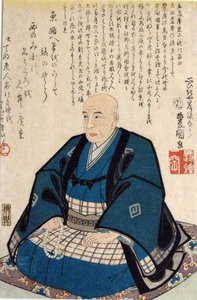
Utagawa Hiroshige
1797 - 1858 , Japón
Datos clave
- Artistas Que Influyeron: ['Katsushika Hokusai']
- Estilo Artístico: Ukiyo-e
- Fecha De Fallecimiento: 1858
- Fecha De Nacimiento: 1797
- Influencia En Artistas:
- Édouard Manet
- Claude Monet
- Vincent van Gogh
- Lugar De Nacimiento: Tokio, Japón
- Nacionalidad: Japonés
- Nombre Completo: Utagawa Hiroshige
- Obras Notables:
- Las 53 estaciones del Tokaido
- 100 vistas famosas de Edo
Artículos relacionados

Katsushika Hokusai: Las 25 Obras Maestras del Ukiyo-e que Transformaron el Arte Japonés | ArtsDot
Descubre las 25 obras maestras de Katsushika Hokusai, el genio del ukiyo-e. Explora 'La Gran Ola', paisajes japoneses y su impacto en el arte moderno. Reproducciones de alta calidad para tu hogar en ArtsDot.com.
Ephemeral Landscapes: Hiroshige's Poetics of Transient Beauty in Edo Japan
Explore the captivating world of Utagawa Hiroshige's ukiyo-e landscapes. Discover his artistic innovations, influence on Western art, and the poetics of transient beauty in Edo period Japan. A guide for collectors & enthusiasts.
Ukiyo-e's Poetic Visionary: Hiroshige Ando & the Transformation of Landscape in 19th-Century Japan
Explore the life & art of Ando Hiroshige, Japan's last great ukiyo-e master. Discover his iconic landscapes, poetic style, and profound influence on Western Impressionism. Learn about The Fifty-Three Stations & more!
Utagawa Kuniyoshi: A Master of Japanese Ukiyo-e – Narrative Innovation & the Fusion of Tradition with Popular Culture
Explore the captivating world of Utagawa Kuniyoshi, a master of Japanese ukiyo-e woodblock prints. Discover his innovative warrior scenes, vibrant landscapes & lasting legacy in 19th-century art history.
Serenity on Canvas: A Guide to the Timeless Beauty of Japanese Landscape Painting
Discover the serene beauty of Japanese landscape painting. From Hokusai's iconic woodblock prints to meditative sumi-e ink washes, explore a visual journey through the 'floating world' and learn how to bring this timeless Zen aesthetic into your modern home decor.