 Ver en contexto
 Enviar
 Compartir
 Detalles

 Descargar
 Similares
 Radiografía
 Presentación de diapositivas
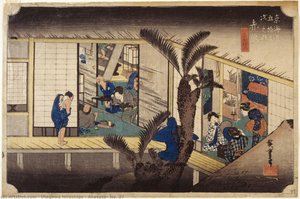
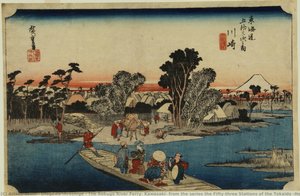
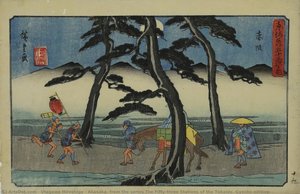
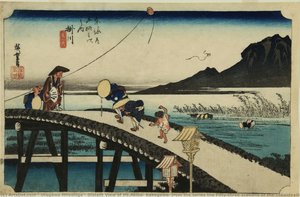
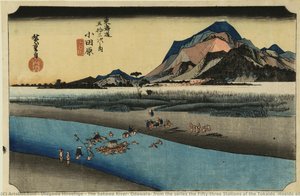
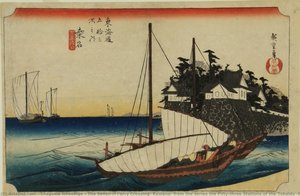
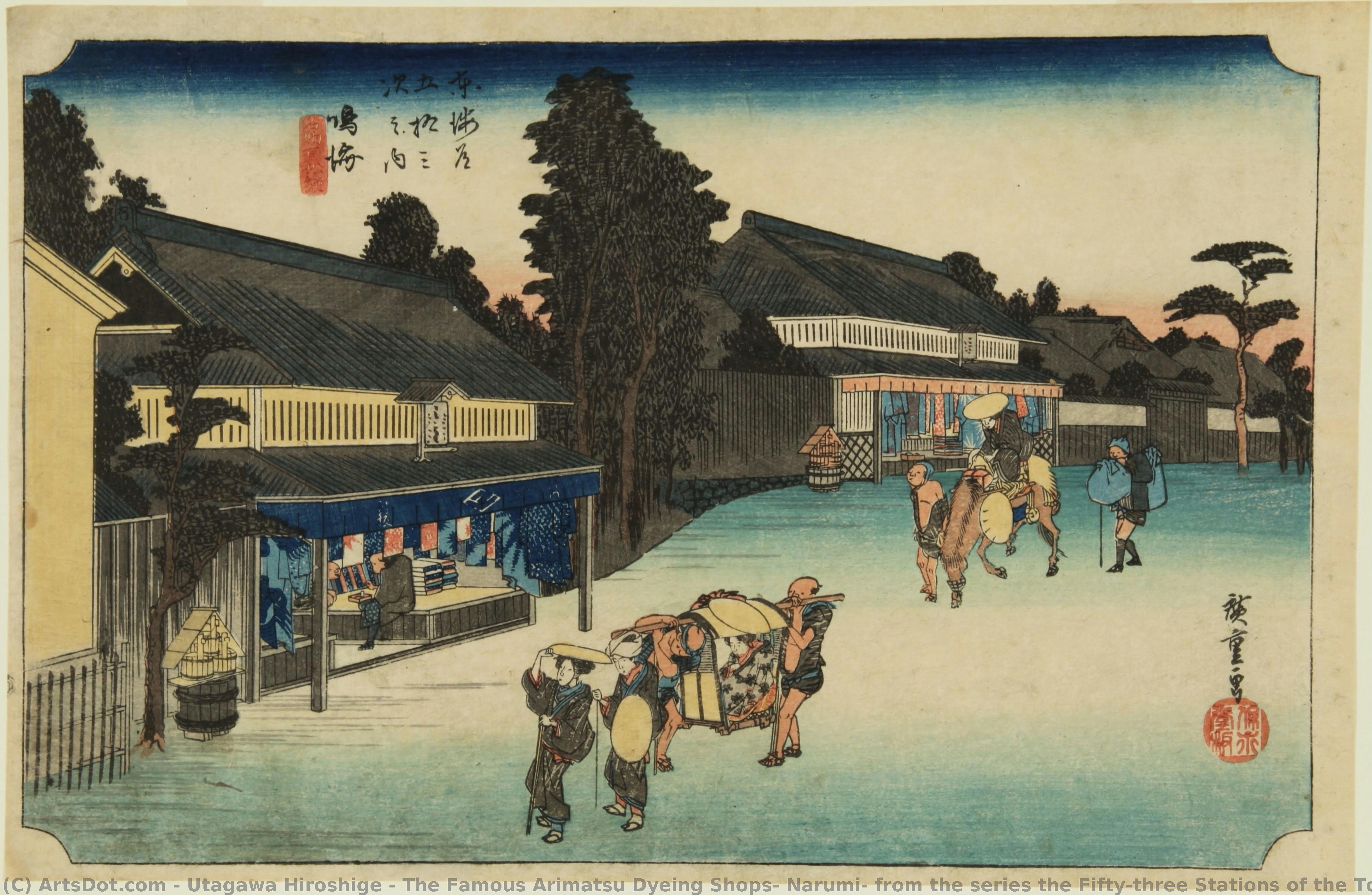
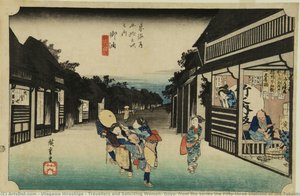
The Famous Arimatsu Dyeing Shops, Narumi, from the series the Fifty-three Stations of the Tokaido (Hoeido edition)


 Ver más
Giclée / Impresión de arte
Impresiones giclée o en lienzo de calidad de museo con producción rápida y opciones de acabado flexibles. ( Comprar pintura hecha a mano Comprar imagen)




P118B $10

P118H $10

P118W $10

P438Z $10

P508JH $12

P508YH $12

P805H $10

P805Z $10

P919BZ $10

P919G $10

P919XJ $10

P959ZH $10

P968JZ $12

W106C $8

W218G $10

W218JH $8

W218Y $10

W307PJ $10

W316G $10

W316PJ $8

W316Y $10

W398PJ $8

W4111J $10

W500HY $15

W500JH $15

W692G $12

W849H $8

W940BG $15

W953PJ $8




Elija entre nuestros tamaños predefinidos que respetan las proporciones originales de la obra.

Puede introducir sus propias dimensiones para adaptarse a un marco o espacio específico. Si el tamaño seleccionado no coincide con las proporciones de la imagen original, recortaremos la obra de arte o extenderemos la imagen con un borde con efecto espejo o de color sólido. Se enviará una maqueta digital para su aprobación antes de que comience la producción.
Tenga en cuenta que la vista previa en pantalla no refleja el recorte o la extensión real. Solo la maqueta mostrará con precisión la composición final.
Aunque existen tamaños personalizados, recomendamos seleccionar una dimensión de la lista predefinida para preservar las proporciones originales.
Envío a todo el mundo () en 2 semanas en lugar de las 4/5 semanas estándar. (29 agosto)

Envío exprés gratuito a todo el mundo

Lienzo de lino de alta calidad

Seguro de envío total

Garantía de reembolso de impuestos aduaneros

Garantía de fidelidad cromática exacta

Política de devolución de 60 días (solo por defectos)

Garantía de devolución del 100% del dinero

Descuento por cantidad
 La opción de vidrio solo está disponible en tamaños inferiores a 110 cm.

The Famous Arimatsu Dyeing Shops, Narumi, from the series the Fifty-three Stations of the Tokaido (Hoeido edition)
Giclée / Impresión de arte
Dimensiones de la reproducción
-


Precio total final
$ 62
A Journey Through the Floating World
In the delicate strokes of Utagawa Hiroshige’s masterpiece, The Famous Arimatsu Dyeing Shops, Narumi, we are transported back to the golden age of Edo Japan. As part of his legendary series, The Fifty-three Stations of the Tokaido, this work serves as more than a mere landscape; it is a window into the rhythmic pulse of a civilization in motion. The scene captures a bustling thoroughfare where the artistry of textile production meets the daily wanderlust of travelers. Through Hiroshige’s poetic lens, the viewer is invited to walk alongside the pedestrians, feeling the vibrant energy of the Arimatsu streets, where the scent of fresh dyes and the chatter of merchants seem almost tangible within the composition.
The painting masterfully balances the architectural stillness of the shopfronts with the dynamic movement of human life. A group of travelers, perhaps weary from their journey along the Tokaido road, navigates the street, their presence adding a layer of narrative depth to the urban setting. The inclusion of subtle details, such as a solitary bicycle resting near the sidewalk, creates a fascinating temporal bridge, grounding the historical scene in a sense of lived reality. Hiroshigu’s ability to capture the "floating world"—the ukiyo—lies in this very ability to find the extraordinary within the ordinary, turning a simple street corner into a profound meditation on human connection and commerce.
Mastery of Line and Color
Technically, this work exemplifies the pinnacle of the ukiyo-e woodblock tradition. Hiroshige utilizes a sophisticated interplay of line and color to guide the eye through the depth of the cityscape. The composition is structured with a brilliant sense of perspective, drawing the observer from the immediate foreground into the heart of the bustling Narumi district. The artist employs a palette that reflects the natural beauty of the Japanese landscape, using soft, atmospheric tones that evoke the light of a passing afternoon. Each line, from the intricate eaves of the dyeing shops to the flowing garments of the passersby, is rendered with a precision that speaks to both technical discipline and emotional sensitivity.
For the discerning collector or interior designer, this piece offers an unparalleled sense of tranquility and historical prestige. The artwork does not merely decorate a space; it anchors it with a narrative of cultural heritage. The subtle textures and the rhythmic arrangement of the figures provide a visual complexity that rewards prolonged contemplation. Whether placed in a contemporary gallery setting or a classic study, a high-quality reproduction of this work brings an air of timeless elegance and a soulful connection to the storied history of Japan’s most iconic landscape master.
Obras relacionadas
Biografía del artista
biografía de un ícono del arte japonés
Utagawa Hiroshige, un renombrado artista ukiyo-e japonés, vivió de 1797 a 1858. Es ampliamente considerado como el último gran maestro de este género tradicional. La obra de Hiroshige se caracteriza por su enfoque poético y ambiental, lo que la distingue de las impresiones más audaces y formales de sus contemporáneos.estilo artístico y técnicas
El uso del color por parte de Hiroshige fue sutil pero esencial en sus grabados. A menudo empleaba múltiples impresiones en el mismo área, utilizando la técnica de bokashi (gradación de color), que era laboriosa pero resultó en un efecto visual único. Sus obras más famosas incluyen las cincuenta y tres estaciones del Tōkaidō y las cien vistas famosas de Edo, ambas mostrando su dominio de las series de paisajes.influencia en el arte occidental
La obra de Hiroshige tuvo un profundo impacto en el arte occidental, particularmente durante la tendencia japonista a finales del siglo XIX. Artistas como Édouard Manet y Claude Monet fueron influenciados por los grabados japoneses, mientras que los postimpresionistas como Vincent van Gogh coleccionaron y estudiaron las composiciones de Hiroshige.legado y desarrollo
Tras la muerte de Hiroshige en 1858, el género ukiyo-e experimentó un rápido declive debido a la occidentalización tras la restauración Meiji de 1868. Sin embargo, su influencia en el arte occidental sigue siendo significativa, con muchos artistas que continúan inspirándose en sus obras.- el movimiento artístico ukiyo-e - descubre más sobre el género que definió la obra de Hiroshige.
- ukiyo-e en wikipedia - explora la historia y la importancia del ukiyo-e en el arte japonés.
- museo de arte fuji - descubre un museo renombrado que exhibe tanto el arte japonés como el occidental, incluyendo obras inspiradas en el estilo de Hiroshige.
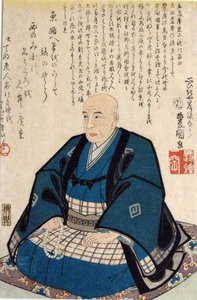
Utagawa Hiroshige
1797 - 1858 , Japón
Datos clave
- Artistas Que Influyeron: ['Katsushika Hokusai']
- Estilo Artístico: Ukiyo-e
- Fecha De Fallecimiento: 1858
- Fecha De Nacimiento: 1797
- Influencia En Artistas:
- Édouard Manet
- Claude Monet
- Vincent van Gogh
- Lugar De Nacimiento: Tokio, Japón
- Nacionalidad: Japonés
- Nombre Completo: Utagawa Hiroshige
- Obras Notables:
- Las 53 estaciones del Tokaido
- 100 vistas famosas de Edo
Artículos relacionados

Katsushika Hokusai: Las 25 Obras Maestras del Ukiyo-e que Transformaron el Arte Japonés | ArtsDot
Descubre las 25 obras maestras de Katsushika Hokusai, el genio del ukiyo-e. Explora 'La Gran Ola', paisajes japoneses y su impacto en el arte moderno. Reproducciones de alta calidad para tu hogar en ArtsDot.com.

Floating World: The Captivating Art and Legacy of Japanese Ukiyo-e
Explore the profound beauty of Japanese Ukiyo-e. Discover the history, masters like Hokusai, and the enduring legacy of the 'Floating World' through an expert art-historical lens.
Ukiyo-e: Un Viaje al Corazón del Mundo Flotante Japonés y su Legado Artístico
Descubre el fascinante mundo del Ukiyo-e, el arte japonés del Período Edo. Explora las técnicas de grabado, los maestros Hokusai y Hiroshige, y su legado perdurable. ¡Un viaje cultural inolvidable!
Suzuki Harunobu: Pioneering Ukiyo-e & the Refinement of Edo Period Printmaking
Discover the revolutionary world of Suzuki Harunobu, a pioneer of ukiyo-e printmaking. Explore his exquisite nishiki-e techniques, diverse subjects & lasting impact on Japanese art history. Learn more at ArtsDot.
Tsukioka Yoshitoshi: A Master of Ukiyo-e's Final Flourish – Narrative, Innovation, and the Meiji Transition
Explore the life & art of Tsukioka Yoshitoshi, the last great master of ukiyo-e woodblock printing. Discover his dramatic warrior prints, innovative series like 'One Hundred Aspects of the Moon,' and legacy reflecting Japan's Meiji transition.