 Ver en contexto
 Enviar
 Compartir
 Detalles

 Descargar
 Similares
 Radiografía
 Presentación de diapositivas
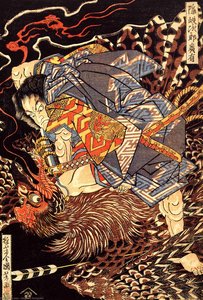
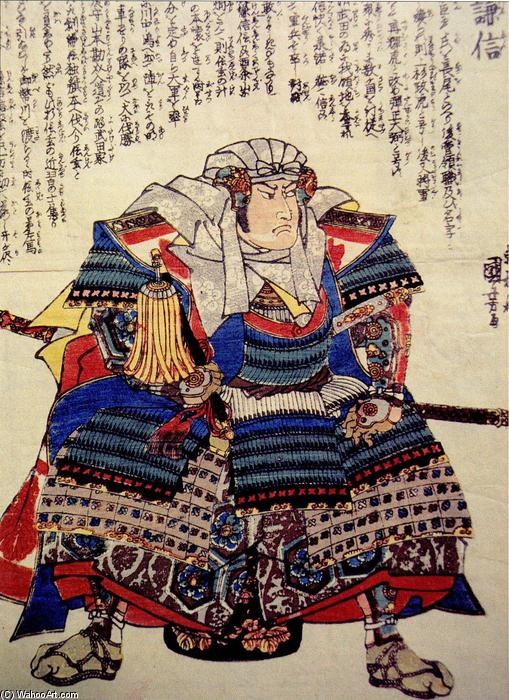
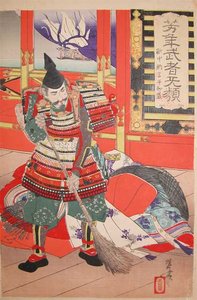
A fierce depiction of Uesugi Kenshin seated


 Ver más
Giclée / Impresión de arte
Impresiones giclée o en lienzo de calidad de museo con producción rápida y opciones de acabado flexibles. ( Comprar pintura hecha a mano Comprar imagen)




P118B $10

P118H $10

P118W $10

P438Z $10

P508JH $12

P508YH $12

P805H $10

P805Z $10

P919BZ $10

P919G $10

P919XJ $10

P959ZH $10

P968JZ $12

W106C $8

W218G $10

W218JH $8

W218Y $10

W307PJ $10

W316G $10

W316PJ $8

W316Y $10

W398PJ $8

W4111J $10

W500HY $15

W500JH $15

W692G $12

W849H $8

W940BG $15

W953PJ $8




Elija entre nuestros tamaños predefinidos que respetan las proporciones originales de la obra.

Puede introducir sus propias dimensiones para adaptarse a un marco o espacio específico. Si el tamaño seleccionado no coincide con las proporciones de la imagen original, recortaremos la obra de arte o extenderemos la imagen con un borde con efecto espejo o de color sólido. Se enviará una maqueta digital para su aprobación antes de que comience la producción.
Tenga en cuenta que la vista previa en pantalla no refleja el recorte o la extensión real. Solo la maqueta mostrará con precisión la composición final.
Aunque existen tamaños personalizados, recomendamos seleccionar una dimensión de la lista predefinida para preservar las proporciones originales.
Envío a todo el mundo () en 2 semanas en lugar de las 4/5 semanas estándar. (6 septiembre)

Envío exprés gratuito a todo el mundo

Lienzo de lino de alta calidad

Seguro de envío total

Garantía de reembolso de impuestos aduaneros

Garantía de fidelidad cromática exacta

Política de devolución de 100 días (solo por defectos)

Garantía de devolución del 100% del dinero

Descuento por cantidad
 La opción de vidrio solo está disponible en tamaños inferiores a 110 cm.

A fierce depiction of Uesugi Kenshin seated
Giclée / Impresión de arte
Dimensiones de la reproducción
-


Precio total final
$ 62
A Portrait of Resolve: Uesugi Kenshin by Kuniyoshi
The image before you is more than just a woodblock print; it’s a window into the turbulent heart of 16th-century Japan, a moment frozen in time by the masterful hand of Utagawa Kuniyoshi. This arresting depiction of Uesugi Kenshin, one of the most formidable figures of the Sengoku period – the “Warring States” era – transcends mere portraiture to become a potent symbol of samurai honor, strategic brilliance, and unwavering resolve. Kuniyoshi’s ability to capture not just physical likeness but also the very essence of Kenshin's character is a testament to his artistic genius.
Kuniyoshi’s work exemplifies the height of Ukiyo-e artistry, specifically within the *yakusha* genre – portraits of famous individuals. The style is deeply rooted in the traditions of Edo period woodblock printing, yet Kuniyoshi infused it with a dynamism and emotional depth rarely seen at the time. The meticulous detail, achieved through multiple blocks carved by skilled artisans, allows for an almost tactile quality; one can practically feel the weight of Kenshin’s armor and the tension in his posture. The vibrant color palette – deep reds, rich blues, sunny yellows, and stark blacks – isn't merely decorative; it was carefully chosen to evoke specific emotions and reinforce the narrative.
The Warrior Within: Symbolism and Context
Uesugi Kenshin himself was a legend. A brilliant military strategist and fierce warrior, he commanded respect throughout Japan during the Sengoku period. His unwavering loyalty to his clan and his relentless pursuit of victory made him a central figure in the ongoing conflicts that defined this era. Kuniyoshi’s portrayal doesn't shy away from Kenshin’s formidable reputation. The samurai’s stern expression, framed by meticulously rendered armor, speaks volumes about his dedication to duty and his readiness for battle. The sword he holds is not just a weapon; it represents the core values of the warrior class – courage, discipline, and honor.
Furthermore, the setting itself contributes significantly to the artwork’s meaning. While the precise location isn't explicitly depicted, the composition suggests a moment of quiet contemplation before action, reinforcing Kenshin’s strategic mind. The Ukiyo-e tradition often incorporated symbolic elements into its narratives, and this print is no exception. The careful arrangement of details – from the intricate patterns on his armor to the subtle gestures in his posture – all contribute to a deeper understanding of Kenshin's character and place within Japanese history.
Craftsmanship and Legacy
Created in 1843-1844, this print was produced during a period of immense artistic innovation. Kuniyoshi’s work represents the culmination of decades of refinement in Ukiyo-e techniques. The use of *sumi* ink alongside vibrant pigments demonstrates a sophisticated understanding of color theory and application – a skill honed through years of practice. The woodblock printing process itself was incredibly labor-intensive, requiring the collaboration of multiple skilled artisans: the artist, the carver, the printer, and the binder.
Kuniyoshi’s legacy extends far beyond this single print. He is considered one of the last great masters of Ukiyo-e, a style that profoundly influenced Western art in the 19th century. His work continues to captivate audiences today, offering a rare glimpse into the world of samurai Japan and demonstrating the enduring power of artistic expression. Reproductions like this allow us to appreciate not just the beauty of the original but also the skill and dedication of the artists who brought it to life.
A Timeless Masterpiece
This reproduction captures the essence of Kuniyoshi’s masterpiece, offering a stunning visual representation of Uesugi Kenshin. It's an ideal addition to any art collection or interior design scheme, bringing a touch of Japanese history and artistic brilliance into your space. Consider this print not just as a decoration, but as a portal to another time – a reminder of the courage, honor, and strategic genius that defined one of Japan’s most iconic warriors.
Obras relacionadas
Biografía del artista
Biografía y Contribuciones Artísticas
Utagawa Kuniyoshi, un renombrado artista japonés, nació el 1 de enero de 1798 en Japón y falleció el 14 de abril de 1861. Fue uno de los últimos grandes maestros del estilo japonés ukiyo-e de grabados xilográficos y pintura, y miembro de la escuela Utagawa.Primeros Años y Formación
Kuniyoshi pasó sus primeros años ayudando en el negocio de tintorería de seda de su padre, donde desarrolló un ojo para el color y los patrones textiles. A la edad de siete u ocho años, quedó impresionado por los grabados guerreros ukiyo-e y las imágenes de artesanos, lo que más tarde influyó en su propio trabajo.Carrera Artística
El talento artístico de Kuniyoshi fue reconocido a la edad de 12 años, lo que llevó a su aprendizaje con el famoso maestro de grabado ukiyo-e Utagawa Toyokuni. Se convirtió en uno de los principales alumnos de Toyokuni y recibió el nombre de "Kuniyoshi" en 1811. Su primer trabajo publicado, las ilustraciones para kusazōshi gōkan gobuji chūshingura, una parodia de la historia original de Chūshingura, marcó su debut como artista independiente.Obras Notables y Contribuciones
- Cien y ocho héroes del popular Suikoden: Esta serie, basada en el relato chino Shuihu Zhuan, mostró el estilo único de Kuniyoshi y se volvió extremadamente popular en Edo.
- El fantasma de Taira no Tomomori en la bahía de Daimotsu: Este trabajo demostró la capacidad de Kuniyoshi para invocar una sensación efectiva de intensidad de acción en su descripción del combate.
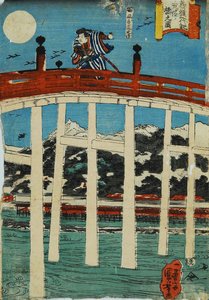
- El puente Gōjō: Este tríptico de 1839 mostró el estilo temático de Kuniyoshi, que satisfizo el interés público por lo espeluznante, emocionante y bizarro.
Influencia y Legado
El arte de Kuniyoshi incorporó aspectos de la representación occidental en la pintura de paisajes y la caricatura. Su influencia en el arte ukiyo-e es evidente en su mezcla única de elementos japoneses tradicionales con técnicas occidentales.- vea el autorretrato de Kuniyoshi del álbum shunga (ukiyo-e) en ArtsDot.
- explore más obras de Utagawa Kuniyoshi en ArtsDot.
- lea más sobre Utagawa Kuniyoshi en Wikipedia.
Conclusión
Utagawa Kuniyoshi sigue siendo una figura significativa en el arte ukiyo-e japonés, conocido por sus diversos temas y su innovadora mezcla de técnicas tradicionales y occidentales. Su legado continúa inspirando a artistas y entusiastas del arte por igual. Importante: Este artículo se basa en la información proporcionada por ArtsDot.com y wikipedia.org, centrándose en la biografía de Kuniyoshi, su carrera artística, sus obras notables, su influencia y su legado.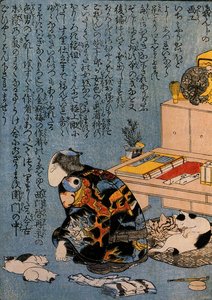
Utagawa Kuniyoshi
1797 - 1861 , Japón
Datos clave
- Artistas Influyentes: ['Utagawa Toyokuni']
- Estilo Artístico: Ukiyo-e
- Fecha De Fallecimiento: 14 de abril de 1861
- Fecha De Nacimiento: 1 de enero de 1798
- Lugar De Nacimiento: Tokio, Japón
- Nacionalidad: Japonés
- Nombre Completo: Utagawa Kuniyoshi
- Obras Notables:
- Cien héroes del Suikoden
- El fantasma de Taira no Tomomori
- El puente Gōjō
Artículos relacionados

Katsushika Hokusai: Las 25 Obras Maestras del Ukiyo-e que Transformaron el Arte Japonés | ArtsDot
Descubre las 25 obras maestras de Katsushika Hokusai, el genio del ukiyo-e. Explora 'La Gran Ola', paisajes japoneses y su impacto en el arte moderno. Reproducciones de alta calidad para tu hogar en ArtsDot.com.
Ukiyo-e: Un Viaje al Corazón del Mundo Flotante Japonés y su Legado Artístico
Descubre el fascinante mundo del Ukiyo-e, el arte japonés del Período Edo. Explora las técnicas de grabado, los maestros Hokusai y Hiroshige, y su legado perdurable. ¡Un viaje cultural inolvidable!
Utagawa Kuniyoshi: A Master of Japanese Ukiyo-e – Narrative Innovation & the Fusion of Tradition with Popular Culture
Explore the captivating world of Utagawa Kuniyoshi, a master of Japanese ukiyo-e woodblock prints. Discover his innovative warrior scenes, vibrant landscapes & lasting legacy in 19th-century art history.
Floating World: The Captivating Art and Legacy of Japanese Ukiyo-e
Explore the profound beauty of Japanese Ukiyo-e. Discover the history, masters like Hokusai, and the enduring legacy of the 'Floating World' through an expert art-historical lens.
Ukiyo-e's Poetic Visionary: Hiroshige Ando & the Transformation of Landscape in 19th-Century Japan
Explore the life & art of Ando Hiroshige, Japan's last great ukiyo-e master. Discover his iconic landscapes, poetic style, and profound influence on Western Impressionism. Learn about The Fifty-Three Stations & more!