 Ver en contexto
 Enviar
 Compartir
 Detalles

 Descargar
 Similares
 Radiografía
 Presentación de diapositivas
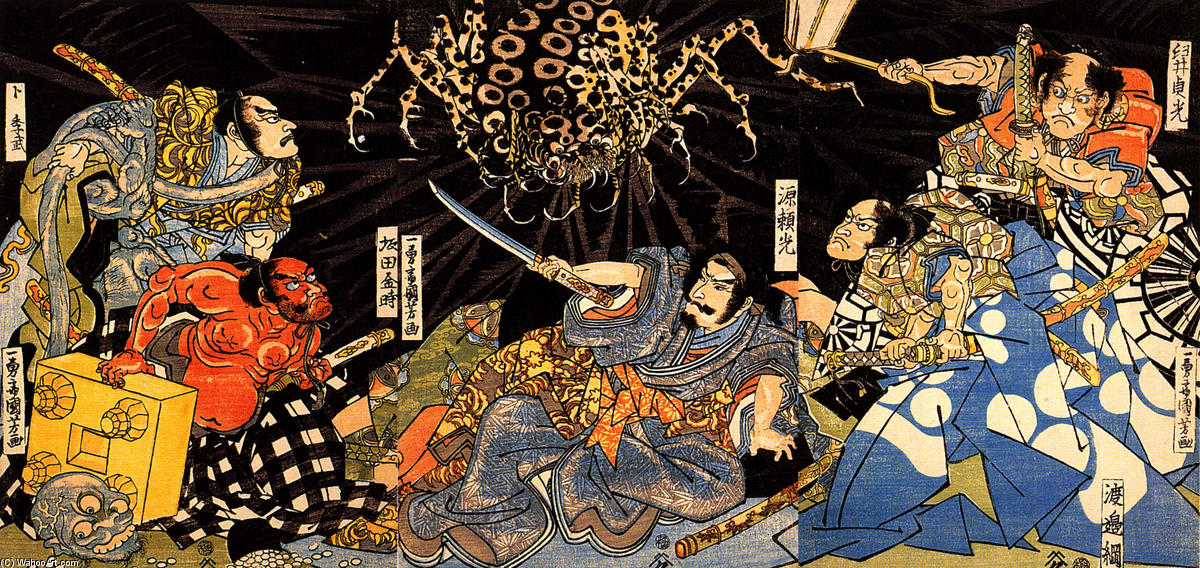
Raiko tormented by the earth spider

 Ver más
Giclée / Impresión de arte
Impresiones giclée o en lienzo de calidad de museo con producción rápida y opciones de acabado flexibles. ( Comprar pintura hecha a mano Comprar imagen)




P118B $10

P118H $10

P118W $10

P438Z $10

P508JH $12

P508YH $12

P805H $10

P805Z $10

P919BZ $10

P919G $10

P919XJ $10

P959ZH $10

P968JZ $12

W106C $8

W218G $10

W218JH $8

W218Y $10

W307PJ $10

W316G $10

W316PJ $8

W316Y $10

W398PJ $8

W4111J $10

W500HY $15

W500JH $15

W692G $12

W849H $8

W940BG $15

W953PJ $8




Elija entre nuestros tamaños predefinidos que respetan las proporciones originales de la obra.

Puede introducir sus propias dimensiones para adaptarse a un marco o espacio específico. Si el tamaño seleccionado no coincide con las proporciones de la imagen original, recortaremos la obra de arte o extenderemos la imagen con un borde con efecto espejo o de color sólido. Se enviará una maqueta digital para su aprobación antes de que comience la producción.
Tenga en cuenta que la vista previa en pantalla no refleja el recorte o la extensión real. Solo la maqueta mostrará con precisión la composición final.
Aunque existen tamaños personalizados, recomendamos seleccionar una dimensión de la lista predefinida para preservar las proporciones originales.
Envío a todo el mundo () en 2 semanas en lugar de las 4/5 semanas estándar. (23 agosto)

Envío exprés gratuito a todo el mundo

Lienzo de lino de alta calidad

Seguro de envío total

Garantía de reembolso de impuestos aduaneros

Garantía de fidelidad cromática exacta

Política de devolución de 60 días (solo por defectos)

Garantía de devolución del 100% del dinero

Descuento por cantidad
 La opción de vidrio solo está disponible en tamaños inferiores a 110 cm.

Raiko tormented by the earth spider
Giclée / Impresión de arte
Dimensiones de la reproducción
-


Precio total final
$ 62
Descripción de la pieza
Utagawa Kuniyoshi’s “Raiko Tormented By The Earth Spider”: A Symphony of Fear and Resilience
The artwork, titled “Raiko Tormented By The Earth Spider,” stands as a testament to Utagawa Kuniyoshi's mastery of *shunga*, the Japanese erotic woodblock print genre that flourished during his lifetime. Published in 1843 by Ibaya Senzaburo, this dramatic triptych captures a pivotal moment from folklore—the siege of Minamoto Yorimitsu’s mansion by an army of demons summoned forth by an earth spider – and it's a piece that continues to resonate with audiences today. Kuniyoshi wasn’t merely depicting a narrative; he was channeling emotion, crafting a visual experience steeped in psychological depth.- Subject Matter: The scene portrays Raiko, a legendary samurai hero afflicted by illness, battling an enormous earth spider – a creature symbolizing fear and impending doom – alongside his loyal warriors. This juxtaposition of vulnerability and defiance is central to the print’s thematic core.
- Style & Technique: Kuniyoshi employed the conventions of *shunga*, utilizing bold colors, dynamic compositions, and meticulous detail to convey movement and terror. The printing process itself was complex, involving multiple blocks carved with intricate patterns and painstakingly inked onto paper, resulting in a stunning visual texture that enhances the dramatic impact.
Historical Context: Edo Period Anxiety & Demon Lore
The print emerged during the Edo period (1603-1868), a time marked by social conservatism and pervasive anxieties about supernatural forces. Japanese folklore was rich with tales of demons (*yōkai*) who threatened human existence, and Kuniyoshi skillfully tapped into this cultural imagination. The depiction of Yorimitsu’s mansion besieged by demonic creatures reflects the broader societal preoccupation with protecting oneself from unseen dangers—a theme powerfully conveyed through visual symbolism.- Symbolism: The earth spider embodies fear, weakness, and corruption – forces Raiko must overcome to safeguard his honor and defend his kingdom. The swirling patterns of the spider’s body mirror the chaos and instability of the siege, while the warriors' stances represent courage and determination.
Emotional Impact: Confronting Darkness & Embracing Hope
“Raiko Tormented By The Earth Spider” isn’t simply a depiction of battle; it’s an exploration of psychological struggle. Kuniyoshi masterfully captures the terror experienced by Raiko and his warriors, yet simultaneously imbues the scene with a glimmer of resilience—the unwavering commitment to defend their values against overwhelming odds. This duality speaks to the human condition itself: our capacity for fear alongside our inherent desire for courage and triumph. The print’s enduring appeal lies in its ability to provoke contemplation about confronting darkness while maintaining faith in the possibility of overcoming adversity.Kuniyoshi's Legacy & Reproduction Considerations
Utagawa Kuniyoshi remains one of Japan’s most celebrated artists, recognized for his groundbreaking contributions to *shunga* and his unparalleled skill at conveying emotion through visual imagery. Reproductions of “Raiko Tormented By The Earth Spider” offer a captivating glimpse into the artistic sensibilities of the Edo period—a reminder that beauty can emerge from confronting unsettling truths. When selecting a high-quality reproduction, prioritize archival inks and paper to preserve the print’s original vibrancy and ensure its longevity for generations to come.Obras relacionadas
Biografía del artista
Biografía y Contribuciones Artísticas
Utagawa Kuniyoshi, un renombrado artista japonés, nació el 1 de enero de 1798 en Japón y falleció el 14 de abril de 1861. Fue uno de los últimos grandes maestros del estilo japonés ukiyo-e de grabados xilográficos y pintura, y miembro de la escuela Utagawa.Primeros Años y Formación
Kuniyoshi pasó sus primeros años ayudando en el negocio de tintorería de seda de su padre, donde desarrolló un ojo para el color y los patrones textiles. A la edad de siete u ocho años, quedó impresionado por los grabados guerreros ukiyo-e y las imágenes de artesanos, lo que más tarde influyó en su propio trabajo.Carrera Artística
El talento artístico de Kuniyoshi fue reconocido a la edad de 12 años, lo que llevó a su aprendizaje con el famoso maestro de grabado ukiyo-e Utagawa Toyokuni. Se convirtió en uno de los principales alumnos de Toyokuni y recibió el nombre de "Kuniyoshi" en 1811. Su primer trabajo publicado, las ilustraciones para kusazōshi gōkan gobuji chūshingura, una parodia de la historia original de Chūshingura, marcó su debut como artista independiente.Obras Notables y Contribuciones
- Cien y ocho héroes del popular Suikoden: Esta serie, basada en el relato chino Shuihu Zhuan, mostró el estilo único de Kuniyoshi y se volvió extremadamente popular en Edo.
- El fantasma de Taira no Tomomori en la bahía de Daimotsu: Este trabajo demostró la capacidad de Kuniyoshi para invocar una sensación efectiva de intensidad de acción en su descripción del combate.
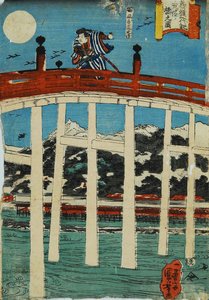
- El puente Gōjō: Este tríptico de 1839 mostró el estilo temático de Kuniyoshi, que satisfizo el interés público por lo espeluznante, emocionante y bizarro.
Influencia y Legado
El arte de Kuniyoshi incorporó aspectos de la representación occidental en la pintura de paisajes y la caricatura. Su influencia en el arte ukiyo-e es evidente en su mezcla única de elementos japoneses tradicionales con técnicas occidentales.- vea el autorretrato de Kuniyoshi del álbum shunga (ukiyo-e) en ArtsDot.
- explore más obras de Utagawa Kuniyoshi en ArtsDot.
- lea más sobre Utagawa Kuniyoshi en Wikipedia.
Conclusión
Utagawa Kuniyoshi sigue siendo una figura significativa en el arte ukiyo-e japonés, conocido por sus diversos temas y su innovadora mezcla de técnicas tradicionales y occidentales. Su legado continúa inspirando a artistas y entusiastas del arte por igual. Importante: Este artículo se basa en la información proporcionada por ArtsDot.com y wikipedia.org, centrándose en la biografía de Kuniyoshi, su carrera artística, sus obras notables, su influencia y su legado.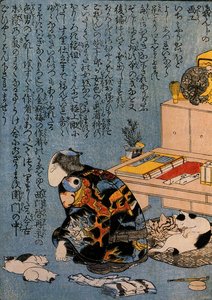
Utagawa Kuniyoshi
1797 - 1861 , Japón
Datos clave
- Artistas Influyentes: ['Utagawa Toyokuni']
- Estilo Artístico: Ukiyo-e
- Fecha De Fallecimiento: 14 de abril de 1861
- Fecha De Nacimiento: 1 de enero de 1798
- Lugar De Nacimiento: Tokio, Japón
- Nacionalidad: Japonés
- Nombre Completo: Utagawa Kuniyoshi
- Obras Notables:
- Cien héroes del Suikoden
- El fantasma de Taira no Tomomori
- El puente Gōjō
Artículos relacionados
Utagawa Kuniyoshi: A Master of Japanese Ukiyo-e – Narrative Innovation & the Fusion of Tradition with Popular Culture
Explore the captivating world of Utagawa Kuniyoshi, a master of Japanese ukiyo-e woodblock prints. Discover his innovative warrior scenes, vibrant landscapes & lasting legacy in 19th-century art history.
Ukiyo-e: Un Viaje al Corazón del Mundo Flotante Japonés y su Legado Artístico
Descubre el fascinante mundo del Ukiyo-e, el arte japonés del Período Edo. Explora las técnicas de grabado, los maestros Hokusai y Hiroshige, y su legado perdurable. ¡Un viaje cultural inolvidable!

Katsushika Hokusai: Las 25 Obras Maestras del Ukiyo-e que Transformaron el Arte Japonés | ArtsDot
Descubre las 25 obras maestras de Katsushika Hokusai, el genio del ukiyo-e. Explora 'La Gran Ola', paisajes japoneses y su impacto en el arte moderno. Reproducciones de alta calidad para tu hogar en ArtsDot.com.

Floating World: The Captivating Art and Legacy of Japanese Ukiyo-e
Explore the profound beauty of Japanese Ukiyo-e. Discover the history, masters like Hokusai, and the enduring legacy of the 'Floating World' through an expert art-historical lens.
Suzuki Harunobu: Pioneering Ukiyo-e & the Refinement of Edo Period Printmaking
Discover the revolutionary world of Suzuki Harunobu, a pioneer of ukiyo-e printmaking. Explore his exquisite nishiki-e techniques, diverse subjects & lasting impact on Japanese art history. Learn more at ArtsDot.