 Ver en contexto
 Enviar
 Compartir
 Detalles

 Descargar
 Similares
 Radiografía
 Presentación de diapositivas
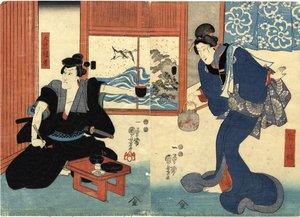
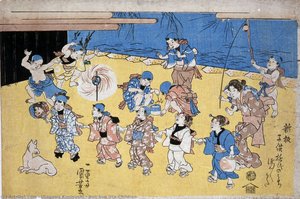
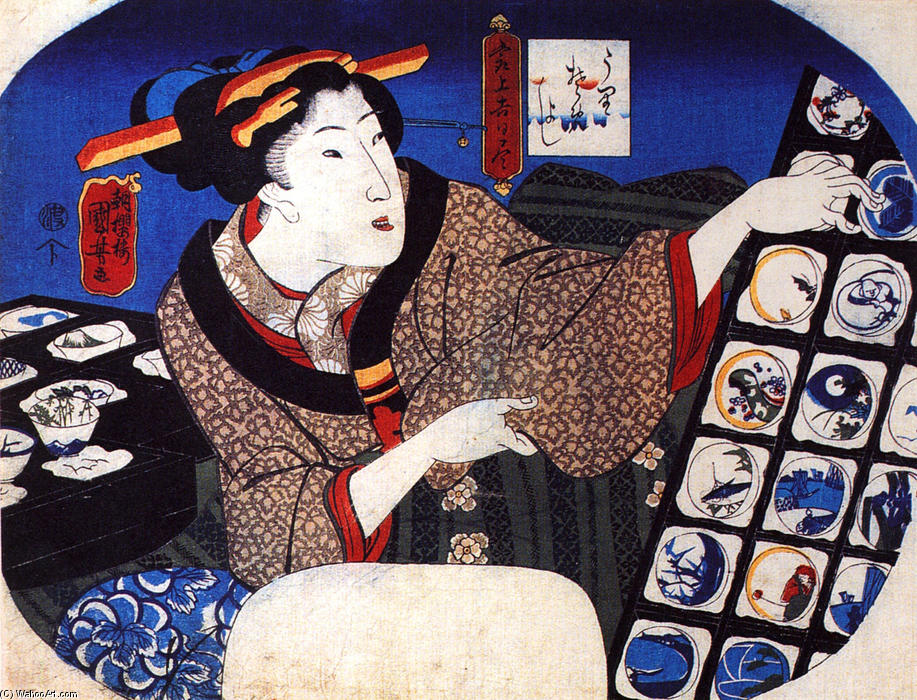
Woman selling decorative bowls


 Ver más
Reproducción al óleo hecha a mano
Óleo sobre lienzo pintado a mano en el tamaño y marco de su elección, realizado por encargo por nuestros artistas. ( Comprar impresión Comprar imagen)




P118B $10

P118H $10

P118W $10

P438Z $10

P508JH $12

P508YH $12

P805H $10

P805Z $10

P919BZ $10

P919G $10

P919XJ $10

P959ZH $10

P968JZ $12

W106C $8

W218G $10

W218JH $8

W218Y $10

W307PJ $10

W316G $10

W316PJ $8

W316Y $10

W398PJ $8

W4111J $10

W500HY $15

W500JH $15

W692G $12

W849H $8

W940BG $15

W953PJ $8




Elija entre nuestros tamaños predefinidos que respetan las proporciones originales de la obra.

Puede ingresar sus propias dimensiones para adaptarse a un marco o espacio específico. Si el tamaño seleccionado no coincide con las proporciones de la imagen original, recortaremos la obra o extenderemos la pintura con elementos adicionales pintados a mano. Se le enviará una maqueta digital para su aprobación antes de comenzar la producción.
Tenga en cuenta que la vista previa en pantalla no refleja el recorte o la extensión reales. Solo la maqueta mostrará con precisión la composición final.
Si bien existen tamaños personalizados, recomendamos seleccionar una dimensión de la lista predefinida para preservar las proporciones originales.
Tras realizar el pedido, el equipo de ArtsDot.com enviará un correo electrónico al cliente para solicitar instrucciones y proporcionarle una vista previa del boceto.
Envío a todo el mundo () en 3-4 semanas en lugar de las 5 semanas estándar. (1 septiembre). Sin comprometer la calidad.

Envío exprés gratuito a todo el mundo

Lienzo de lino de alta calidad

Seguro de envío total

Garantía de reembolso de impuestos aduaneros

Garantía de fidelidad cromática exacta

Política de devolución de 60 días (solo por defectos)

Garantía de devolución del 100% del dinero

Descuento por cantidad
 La opción de vidrio solo está disponible en tamaños inferiores a 110 cm.

Woman selling decorative bowls
Técnica de reproducción
Dimensiones de la reproducción
-


Precio total final
$ 263
A Window to Edo: Kuniyoshi's "Woman Selling Decorative Bowls"
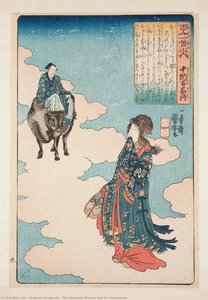
Utagawa Kuniyoshi’s “Woman Selling Decorative Bowls” isn’t merely a depiction of a market scene; it’s a vibrant portal into the heart of 19th-century Japan. Created during the twilight years of the *ukiyo-e* tradition, this masterpiece exemplifies the artistic spirit of Utagawa Kuniyoshi himself – a master who seamlessly blended classical Japanese aesthetics with burgeoning Western influences. The image captures a fleeting moment of everyday life in Edo (modern Tokyo), yet resonates with profound symbolism and technical brilliance that elevates it beyond a simple genre print.
The scene unfolds within the meticulously rendered world of *ukiyo-e*, characterized by its bold, flat perspectives and rich color palette. Kuniyoshi’s signature style is immediately apparent: a masterful control of line, creating a dynamic sense of movement and depth. The woman herself, dressed in the elegant attire of a merchant's wife, holds court amidst a display of exquisitely crafted bowls – each one a miniature work of art in its own right. Notice the careful attention to detail—the folds of her kimono, the delicate expression on her face, the intricate patterns adorning the pottery. This isn’t just commerce; it’s an advertisement for beauty and refinement.
The Spirit of the Floating World
“Woman Selling Decorative Bowls” belongs to a pivotal era in Japanese art – the late Edo period (1798-1861). This was the “floating world” (*ukiyo*), a term coined by Moroni Ukiyoemon to describe the vibrant, pleasure-seeking culture of Edo. *Ukiyo-e*, meaning "pictures of the floating world," flourished during this time, capturing scenes from theatre, popular entertainment, and daily life. Kuniyoshi was at the forefront of this movement, pushing the boundaries of traditional printmaking while remaining deeply rooted in its established conventions.
The subject matter itself – a woman selling wares – was incredibly common in *ukiyo-e*. However, Kuniyoshi elevates this familiar theme through his artistic skill. He avoids a purely documentary approach, instead imbuing the scene with a sense of narrative and emotion. The composition is carefully balanced, drawing the viewer’s eye to the central figure while subtly suggesting a bustling market atmosphere behind her.
Symbolism and Artistic Innovation
Beyond its aesthetic beauty, “Woman Selling Decorative Bowls” reveals Kuniyoshi's innovative approach to art. He was one of the few *ukiyo-e* artists who actively incorporated Western artistic techniques, particularly in his landscapes. Notice how he uses light and shadow – a technique influenced by European painters – to create a sense of volume and atmosphere. This experimentation with perspective and realism marked a significant departure from earlier *ukiyo-e* styles.
Furthermore, the bowls themselves are laden with symbolic meaning. They represent not just functional objects but also status, wealth, and artistic appreciation. The intricate designs on the pottery reflect the refined tastes of the Edo elite, highlighting the importance of aesthetics in Japanese culture. The vibrant colors – achieved through meticulous layering of pigments – further enhance the sense of luxury and opulence.
A Legacy of Beauty
Utagawa Kuniyoshi’s “Woman Selling Decorative Bowls” stands as a testament to his artistic genius and the enduring power of *ukiyo-e*. It's more than just a beautiful print; it’s a window into a bygone era, offering a glimpse into the vibrant culture and artistic innovations of Edo Japan. Its captivating composition, masterful technique, and rich symbolism continue to resonate with viewers today, solidifying Kuniyoshi’s place as one of the most important figures in Japanese art history.
Obras relacionadas
Biografía del artista
Biografía y Contribuciones Artísticas
Utagawa Kuniyoshi, un renombrado artista japonés, nació el 1 de enero de 1798 en Japón y falleció el 14 de abril de 1861. Fue uno de los últimos grandes maestros del estilo japonés ukiyo-e de grabados xilográficos y pintura, y miembro de la escuela Utagawa.Primeros Años y Formación
Kuniyoshi pasó sus primeros años ayudando en el negocio de tintorería de seda de su padre, donde desarrolló un ojo para el color y los patrones textiles. A la edad de siete u ocho años, quedó impresionado por los grabados guerreros ukiyo-e y las imágenes de artesanos, lo que más tarde influyó en su propio trabajo.Carrera Artística
El talento artístico de Kuniyoshi fue reconocido a la edad de 12 años, lo que llevó a su aprendizaje con el famoso maestro de grabado ukiyo-e Utagawa Toyokuni. Se convirtió en uno de los principales alumnos de Toyokuni y recibió el nombre de "Kuniyoshi" en 1811. Su primer trabajo publicado, las ilustraciones para kusazōshi gōkan gobuji chūshingura, una parodia de la historia original de Chūshingura, marcó su debut como artista independiente.Obras Notables y Contribuciones
- Cien y ocho héroes del popular Suikoden: Esta serie, basada en el relato chino Shuihu Zhuan, mostró el estilo único de Kuniyoshi y se volvió extremadamente popular en Edo.
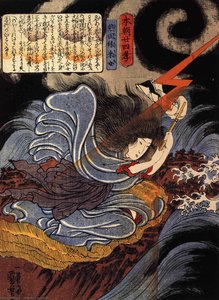
- El fantasma de Taira no Tomomori en la bahía de Daimotsu: Este trabajo demostró la capacidad de Kuniyoshi para invocar una sensación efectiva de intensidad de acción en su descripción del combate.
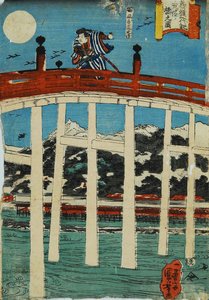
- El puente Gōjō: Este tríptico de 1839 mostró el estilo temático de Kuniyoshi, que satisfizo el interés público por lo espeluznante, emocionante y bizarro.
Influencia y Legado
El arte de Kuniyoshi incorporó aspectos de la representación occidental en la pintura de paisajes y la caricatura. Su influencia en el arte ukiyo-e es evidente en su mezcla única de elementos japoneses tradicionales con técnicas occidentales.- vea el autorretrato de Kuniyoshi del álbum shunga (ukiyo-e) en ArtsDot.
- explore más obras de Utagawa Kuniyoshi en ArtsDot.
- lea más sobre Utagawa Kuniyoshi en Wikipedia.
Conclusión
Utagawa Kuniyoshi sigue siendo una figura significativa en el arte ukiyo-e japonés, conocido por sus diversos temas y su innovadora mezcla de técnicas tradicionales y occidentales. Su legado continúa inspirando a artistas y entusiastas del arte por igual. Importante: Este artículo se basa en la información proporcionada por ArtsDot.com y wikipedia.org, centrándose en la biografía de Kuniyoshi, su carrera artística, sus obras notables, su influencia y su legado.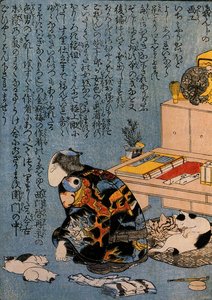
Utagawa Kuniyoshi
1797 - 1861 , Japón
Datos clave
- Artistas Influyentes: ['Utagawa Toyokuni']
- Estilo Artístico: Ukiyo-e
- Fecha De Fallecimiento: 14 de abril de 1861
- Fecha De Nacimiento: 1 de enero de 1798
- Lugar De Nacimiento: Tokio, Japón
- Nacionalidad: Japonés
- Nombre Completo: Utagawa Kuniyoshi
- Obras Notables:
- Cien héroes del Suikoden
- El fantasma de Taira no Tomomori
- El puente Gōjō
Artículos relacionados

Katsushika Hokusai: Las 25 Obras Maestras del Ukiyo-e que Transformaron el Arte Japonés | ArtsDot
Descubre las 25 obras maestras de Katsushika Hokusai, el genio del ukiyo-e. Explora 'La Gran Ola', paisajes japoneses y su impacto en el arte moderno. Reproducciones de alta calidad para tu hogar en ArtsDot.com.
Utagawa Kuniyoshi: A Master of Japanese Ukiyo-e – Narrative Innovation & the Fusion of Tradition with Popular Culture
Explore the captivating world of Utagawa Kuniyoshi, a master of Japanese ukiyo-e woodblock prints. Discover his innovative warrior scenes, vibrant landscapes & lasting legacy in 19th-century art history.
Ukiyo-e: Un Viaje al Corazón del Mundo Flotante Japonés y su Legado Artístico
Descubre el fascinante mundo del Ukiyo-e, el arte japonés del Período Edo. Explora las técnicas de grabado, los maestros Hokusai y Hiroshige, y su legado perdurable. ¡Un viaje cultural inolvidable!
Japonisme: How Japanese Woodblock Prints Revolutionized Western Art
Explore the profound impact of Japonisme on Western art. Discover how Japanese ukiyo-e woodblock prints revolutionized perspective, color, and composition for masters like Monet and Van Gogh, forever changing the course of modern art history.
Tsukioka Yoshitoshi: A Master of Ukiyo-e's Final Flourish – Narrative, Innovation, and the Meiji Transition
Explore the life & art of Tsukioka Yoshitoshi, the last great master of ukiyo-e woodblock printing. Discover his dramatic warrior prints, innovative series like 'One Hundred Aspects of the Moon,' and legacy reflecting Japan's Meiji transition.