

 Ver en contexto
 Enviar
 Compartir
 Detalles

 Descargar
 Similares
 Radiografía
 Presentación de diapositivas
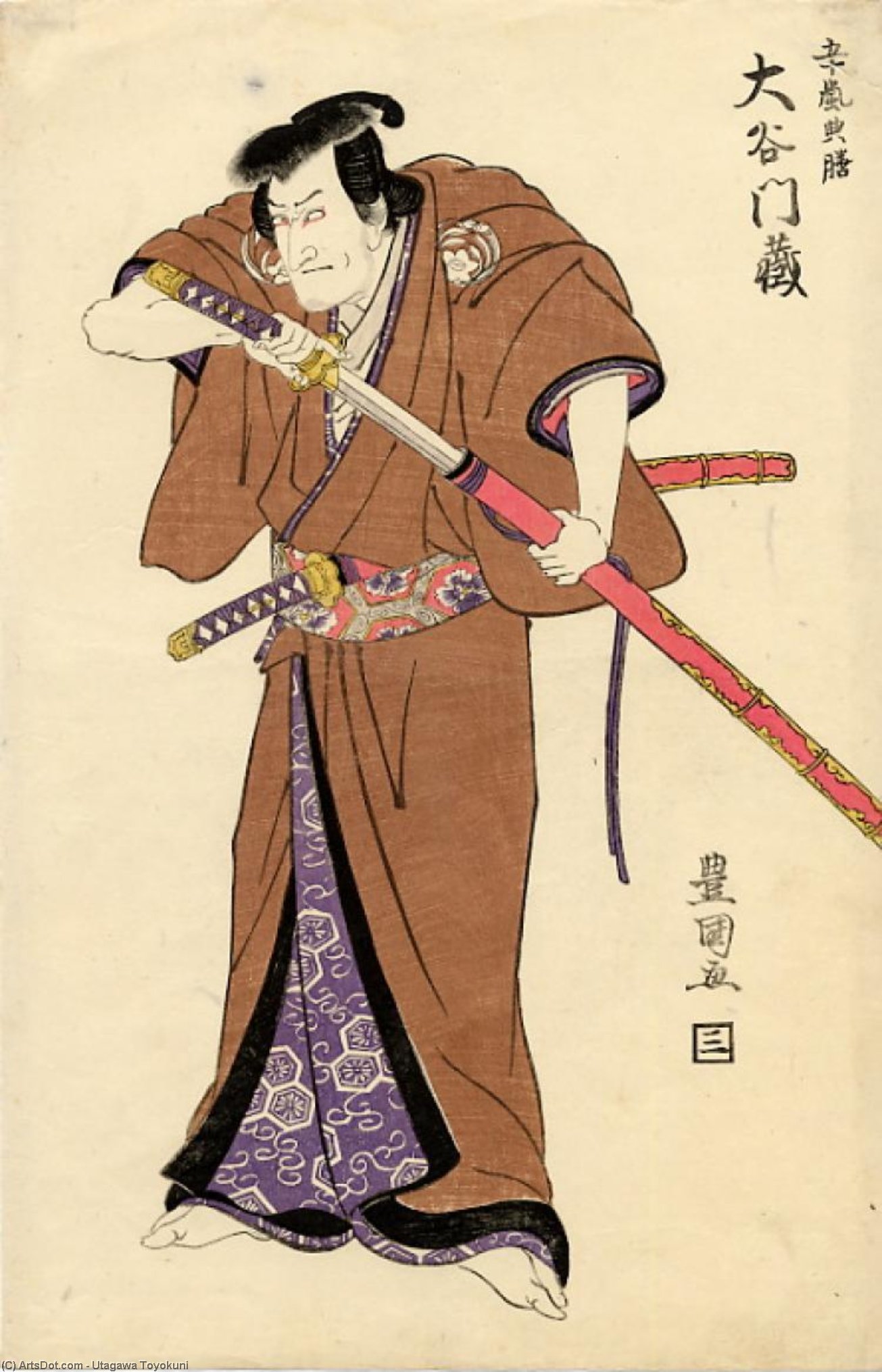
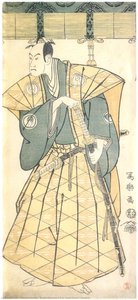
The actor Otani Monzo in the role of Igarashi Tenzen


 Ver más
Giclée / Impresión de arte
Impresiones giclée o en lienzo de calidad de museo con producción rápida y opciones de acabado flexibles. ( Comprar pintura hecha a mano Comprar imagen)




































Elija entre nuestros tamaños predefinidos que respetan las proporciones originales de la obra.

Puede introducir sus propias dimensiones para adaptarse a un marco o espacio específico. Si el tamaño seleccionado no coincide con las proporciones de la imagen original, recortaremos la obra de arte o extenderemos la imagen con un borde con efecto espejo o de color sólido. Se enviará una maqueta digital para su aprobación antes de que comience la producción.
Tenga en cuenta que la vista previa en pantalla no refleja el recorte o la extensión real. Solo la maqueta mostrará con precisión la composición final.
Aunque existen tamaños personalizados, recomendamos seleccionar una dimensión de la lista predefinida para preservar las proporciones originales.
Envío a todo el mundo () en 2 semanas en lugar de las 4/5 semanas estándar. (6 septiembre)

Envío exprés gratuito a todo el mundo

Lienzo de lino de alta calidad

Seguro de envío total

Garantía de reembolso de impuestos aduaneros

Garantía de fidelidad cromática exacta

Política de devolución de 100 días (solo por defectos)

Garantía de devolución del 100% del dinero

Descuento por cantidad
 La opción de vidrio solo está disponible en tamaños inferiores a 110 cm.

The actor Otani Monzo in the role of Igarashi Tenzen
Giclée / Impresión de arte
Dimensiones de la reproducción
-


Precio total final
$ 62
Obras relacionadas
Biografía del artista
Utagawa Toyokuni: The Architect of Utagawa School’s Dominance
Utagawa Toyokuni (1769-1825) stands as a monumental figure in the history of Japanese art, specifically within the vibrant tapestry of ukiyo-e (“pictures of the floating world”). He wasn't merely an artist; he was arguably the catalyst for transforming the Utagawa school into the undisputed powerhouse it became throughout the nineteenth century—a legacy that continues to resonate today. Born in Edo (modern Tokyo), Toyokuni’s lineage traced back to Kurahashi Gorobei, a craftsman specializing in dollmaking and puppet artistry, including meticulously crafted replicas of kabuki actors. This early exposure to theatrical performance would profoundly shape his artistic vision. At around fourteen years old, he embarked on an apprenticeship with Utagawa Toyoharu, the first head of the esteemed Utagawa school, whose workshop was situated nearby. Among his fellow pupils was Toyohiro, whose protégé became Hiroshige, a landscape artist who established a distinct aesthetic that would influence generations to come. Recognizing Toyokuni’s exceptional talent, he adopted the name Utagawa Toyokuni—a customary practice wherein artists incorporated their master's surname—solidifying his position within the artistic hierarchy of the time. Contrary to popular perception as an instinctive genius, Toyokuni demonstrated a remarkable dedication to studying the works of his predecessors, particularly Chōbunsai Eishi and Hiroshige. Through tireless effort and meticulous observation, he synthesized their styles into a singular approach—a style characterized by unparalleled realism combined with artistic innovation. His fame primarily stemmed from his prolific output of kabuki actor prints, where he achieved unprecedented levels of detail and expressive dynamism. Unlike Sharaku, who exaggerated features to convey emotion, Toyokuni’s prints faithfully recreated the onstage experience, capturing actors in action rather than simply presenting portraits. This distinction cemented his reputation as a master storyteller within the theatrical realm.- Early Influences: Toyoharu's workshop fostered an environment of artistic experimentation and collaboration, exposing Toyokuni to diverse stylistic approaches.
- The Significance of Hiroshige: Hiroshige’s landscapes instilled in Toyokuni a profound appreciation for capturing atmospheric perspective—a technique that would become central to his own oeuvre.
- Technique: Toyokuni employed a masterful use of linework—particularly bold, taut lines—to convey movement and emotion, mirroring the energy of kabuki performances.
- Psychological Insight: His prints went beyond mere representation; they captured the inner lives of actors, conveying their personalities and motivations with remarkable subtlety.
- Notable Projects: Toyokuni undertook numerous ambitious projects—including collaborations with prominent publishers and commissions from wealthy patrons—reflecting the esteem in which he was held by his peers and demonstrating his commitment to artistic excellence.
- The Utagawa School’s Dominance: Toyokuni's leadership ensured that the Utagawa school maintained its position as Japan’s foremost ukiyo-e atelier for decades after his death—a testament to his vision and unwavering dedication to artistic excellence.
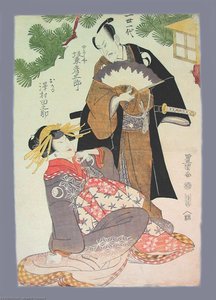
Utagawa Toyokuni
1769 - 1825 , Japón
Datos clave
- Artistic Movement Or Style: Ukiyo-e
- Artists Who Influenced This Artist:
- Utagawa Toyoharu
- Hiroshige
- Date Of Birth: 1769
- Date Of Death: 1825
- Full Name: Utagawa Toyokuni
- Nationality: Japonés
- Notable Artworks: ['Nakasen Road, Kumagaya Station']
- Place Of Birth: Tokyo, Japón