

 Ver en contexto
 Enviar
 Compartir
 Detalles

 Descargar
 Similares
 Radiografía
 Presentación de diapositivas
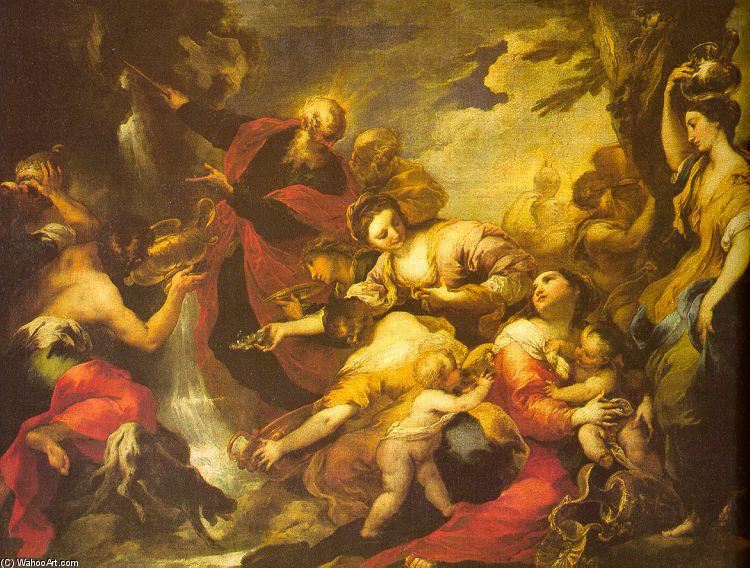
Moses Striking the Rock
 Acrylic On Canvas
- WallArt
- Baroque Painting
 1653
1653 197.0 x 261.0 cm
 Museo del Louvre
 Ver más
Adquiera una imagen digital de alta resolución y optimizada, muy superior a la vista previa en línea.
Cada archivo es preparado meticulosamente por nuestros especialistas internos mediante el uso de herramientas avanzadas y un experto retoque manual. Nos aseguramos de que cada imagen posea una claridad excepcional, una precisión cromática impecable y un detalle minucioso.
El archivo final se entrega por correo electrónico en un plazo de 72 horas, optimizado para su uso inmediato en entornos profesionales, editoriales y de impresión. Esta es la misma calidad en la que confían los estudios de diseño, las editoriales y las galerías de primer nivel.
Imagen Digital
Descarga un archivo de alta resolución para exhibición personal, impresión y proyectos creativos. ( Comprar impresión Comprar pintura hecha a mano)
Incluido en cada pedido de imágenes digitales
Entrega digital experta, garantizada.
Al elegir ArtsDot.com, no solo está adquiriendo una imagen; está recibiendo una obra de arte digital mejorada profesionalmente, elaborada con precisión y respaldada por una garantía de satisfacción. Esto es todo lo que incluye su pedido, automáticamente:

Entrega rápida por email
Recibirá su archivo de imagen digital en alta resolución por correo electrónico en un plazo de 72 horas tras realizar su pedido, listo para su uso inmediato.

Archivo digital optimizado por IA
Su obra de arte se optimiza profesionalmente mediante herramientas avanzadas de IA y edición manual, garantizando el máximo detalle, claridad y precisión cromática.

Reenvío gratuito de por vida
¿Has borrado o perdido tu archivo por error? No te preocupes: te lo volveremos a enviar en cualquier momento, sin coste adicional.

Sin gastos de importación, siempre
Disfrute de su obra de arte al instante sin aduanas, aranceles ni gastos de envío; las descargas digitales siempre están libres de impuestos.

Garantía de fidelidad de color
Garantizamos que su imagen digital refleje los colores originales con la mayor fidelidad posible, mediante el uso de herramientas profesionales y gestión del color.

Garantía de satisfacción de 60 días
Si no está satisfecho con su imagen digital, la revisaremos o le reembolsaremos el 100% en un plazo de 60 días, sin preguntas.

100% Garantía de devolución de dinero
¿No está satisfecho? Obtenga un reembolso completo dentro de los 60 días posteriores a la recepción de su archivo digital, sin necesidad de explicaciones.

Descuentos por pedidos grandes
Compra 3 imágenes, ahorra 10% - Compra 5, ahorra 15% - Compra 10+, ahorra 20%. Ideal para proyectos creativos, galerías y agencias.
Descripción del coleccionable
Valerio Castello’s Dramatic Genesis: “Moses Striking the Rock”
Valerio Castello's "Moses Striking the Rock," painted in 1653, is not merely a depiction of a biblical narrative; it’s a visceral embodiment of divine power and human faith. This monumental canvas, measuring an impressive 197 x 261 cm, transports the viewer directly into the heart of Exodus, capturing a pivotal moment where Moses, guided by God, commands water to emerge from the parched desert landscape. Castello, a leading figure in the vibrant Baroque art scene of Genoa, masterfully blends elements of Italian Renaissance grandeur with a distinctly dramatic flair, creating an image that resonates with both spiritual intensity and theatrical spectacle.
The painting’s style is firmly rooted in the Mannerist tradition, yet it transcends simple imitation. Castello doesn't shy away from exaggeration – the musculature of Moses is sculpted with a deliberate intensity, conveying not just strength but also an almost superhuman resolve. The figures surrounding him are similarly rendered with heightened realism, their expressions etched with urgency and hope. This dramatic approach, reminiscent of the works of Tintoretto and Veronese, who profoundly influenced Castello’s artistic development, imbues the scene with a palpable sense of drama and movement. Castello's early training in Genoa, coupled with his travels to Milan and Parma, exposed him to these influential styles, shaping his unique visual language.
A Symphony of Color and Light
Castello’s technical skill is immediately apparent in the masterful use of color and light. The palette is rich and vibrant, dominated by deep reds, blues, and ochres that evoke the heat and dust of the desert. The artist employs a technique known as *chiaroscuro*, skillfully manipulating light to create dramatic contrasts between illuminated figures and shadowed backgrounds. This chiaroscuro effect not only adds depth and volume to the composition but also draws the viewer’s eye directly to Moses, highlighting his central role in the narrative. The use of layered glazes creates a luminous quality, giving the painting an almost ethereal glow – a testament to Castello's understanding of how light interacts with surface.
The composition itself is carefully orchestrated. Moses, positioned slightly off-center, dominates the scene, his outstretched hand poised to strike the rock. The figures gathered around him—the Israelites, their faces turned towards the miracle – are rendered in varying degrees of detail, emphasizing their collective anticipation and faith. Noticeably, two birds are included in the composition; one perched near the top left corner and another at the bottom right. These additions aren’t merely decorative; they likely symbolize hope and divine guidance, mirroring the miraculous emergence of water from the rock.
Historical Context and Artistic Influences
“Moses Striking the Rock” was created during a period of significant artistic innovation in Genoa. Castello's work reflects the city's thriving cultural scene, where artists were experimenting with new techniques and styles while drawing inspiration from both classical traditions and contemporary masters. His exposure to the works of Venetian painters like Tintoretto and Veronese—known for their dynamic compositions and dramatic use of light—clearly influenced his approach to this biblical subject. Furthermore, Castello’s time in Parma allowed him to study the work of Italian Mannerist artists, further refining his style.
The painting's creation coincided with a renewed interest in religious themes during the Baroque era. The Catholic Church was actively commissioning artworks designed to inspire faith and devotion, and Castello’s “Moses Striking the Rock” undoubtedly served this purpose. It is believed that the work was commissioned for the Palazzo Brignole Sale in Genoa, where it remains today, a powerful testament to the artist's skill and vision.
Symbolism and Emotional Resonance
Beyond its technical brilliance, “Moses Striking the Rock” resonates with profound symbolic meaning. The act of Moses striking the rock is not simply a miraculous event; it represents God’s intervention in the lives of his people, providing them with sustenance and ultimately leading them to freedom. The painting captures this moment of divine grace with remarkable intensity, conveying a sense of hope, faith, and deliverance. The figures' expressions—a mixture of awe, gratitude, and anticipation—speak volumes about the transformative power of belief.
Ultimately, Valerio Castello’s “Moses Striking the Rock” is more than just a historical painting; it’s a deeply moving exploration of faith, hope, and the enduring human desire for salvation. Its dramatic composition, masterful use of color and light, and profound symbolism continue to captivate viewers centuries after its creation, solidifying Castello's place as one of Genoa’s most important Baroque artists.
Obras relacionadas
Biografía del artista
Valerio Castello: A Genoa Baroque Pioneer
Valerio Castello (1624-1659) stands as a singular figure in the artistic landscape of Genoa and Liguria during the Baroque period—a testament to ambition born from circumstance and nurtured by patronage. Born into a noble family grappling with financial hardship following his father’s untimely death, Castello's formative years instilled within him an appreciation for discerning taste and artistic aspiration—qualities that would irrevocably shape his career trajectory. Unlike many artists of his time destined for scholarly pursuits, Castello possessed a natural inclination towards drawing, fostered by the encouragement of influential patrons who recognized his talent and secured him an apprenticeship with Domenico Fiasella and later Giovanni Andrea De Ferrari – experiences that honed his technical skills and exposed him to the artistic currents circulating throughout Italy. His early training instilled in him a meticulous attention to detail and a profound understanding of perspective—skills he would skillfully employ throughout his prolific output. Castello’s journey to Milan and Parma between 1640 and 1645 proved pivotal, immersing him in the vibrant atmosphere of Venetian art and fostering admiration for Camillo Procaccini's dramatic style. This exposure fueled his desire for innovation and propelled him towards exploring new artistic avenues—a characteristic that distinguishes him from many of his contemporaries who adhered rigidly to established conventions. He sought inspiration from Tintoretto’s theatrical dynamism and Veronese’s opulent grandeur, blending these influences into a distinctive visual language. Castello's talent shone particularly brightly in depicting battle scenes—a genre favored by artists across Europe—demonstrating a masterful command of composition, perspective, and expressive brushwork. His monumental frescoes adorning the basilica della santissima annunziata del vastato in Genoa stand as enduring symbols of Genoese Baroque artistry, alongside collaborative projects with Andrea Sghizzi on the Palazzo Balbi – testament to his reputation as a skilled artist sought after by prominent commissions. These works exemplify Castello’s ability to convey emotion and grandeur simultaneously, capturing the fervor and drama inherent in historical narratives. Castello's artistic vision was characterized by a synthesis of influences, notably Tintoretto’s theatrical dynamism and Veronese’s opulent grandeur. He captivated young Domenico Piola, who regarded Castello as an exemplar of Baroque artistry—a student whose own artistic endeavors would later reflect Castello’s profound impact on Ligurian painting. Furthermore, he acknowledged the influence of Antony van Dyck, whose refined portraiture served as a model for artists striving to achieve stylistic excellence during his era. Castello's pupils included Bartolomeo Biscaino, Giovanni Paolo Cervetto, and Stefano Magnasco – individuals who carried forward his artistic legacy and contributed to the flourishing artistic environment of Genoa. Castello’s contribution to Genoa’s artistic heritage solidified his place as one of the foremost painters of his time—a figure whose dramatic compositions and masterful technique continue to resonate with art historians today. His legacy endures not merely in the surviving artworks but also in the inspiration he instilled within subsequent generations of artists, ensuring that Valerio Castello's name would forever be associated with the grandeur and innovation of Genoese Baroque painting.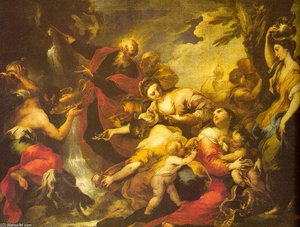
Valerio Castello
1624 - 1659 , Italia
Breves datos
- Artistic Movement Or Style: Baroque
- Artists Who Influenced This Artist:
- Tintoretto
- Veronese
- Date Of Birth: 1624 Genoa Italy
- Date Of Death: 1659
- Full Name: Valerio Castello
- Nationality: Italian
- Notable Artworks:
- Miracle of Saint Zita
- Sacra famiglia e angeli
- The Adoration of the Magi
- Place Of Birth: Genoa Italy

