

 Ver en contexto
 Enviar
 Compartir
 Detalles

 Descargar
 Similares
 Radiografía
 Presentación de diapositivas
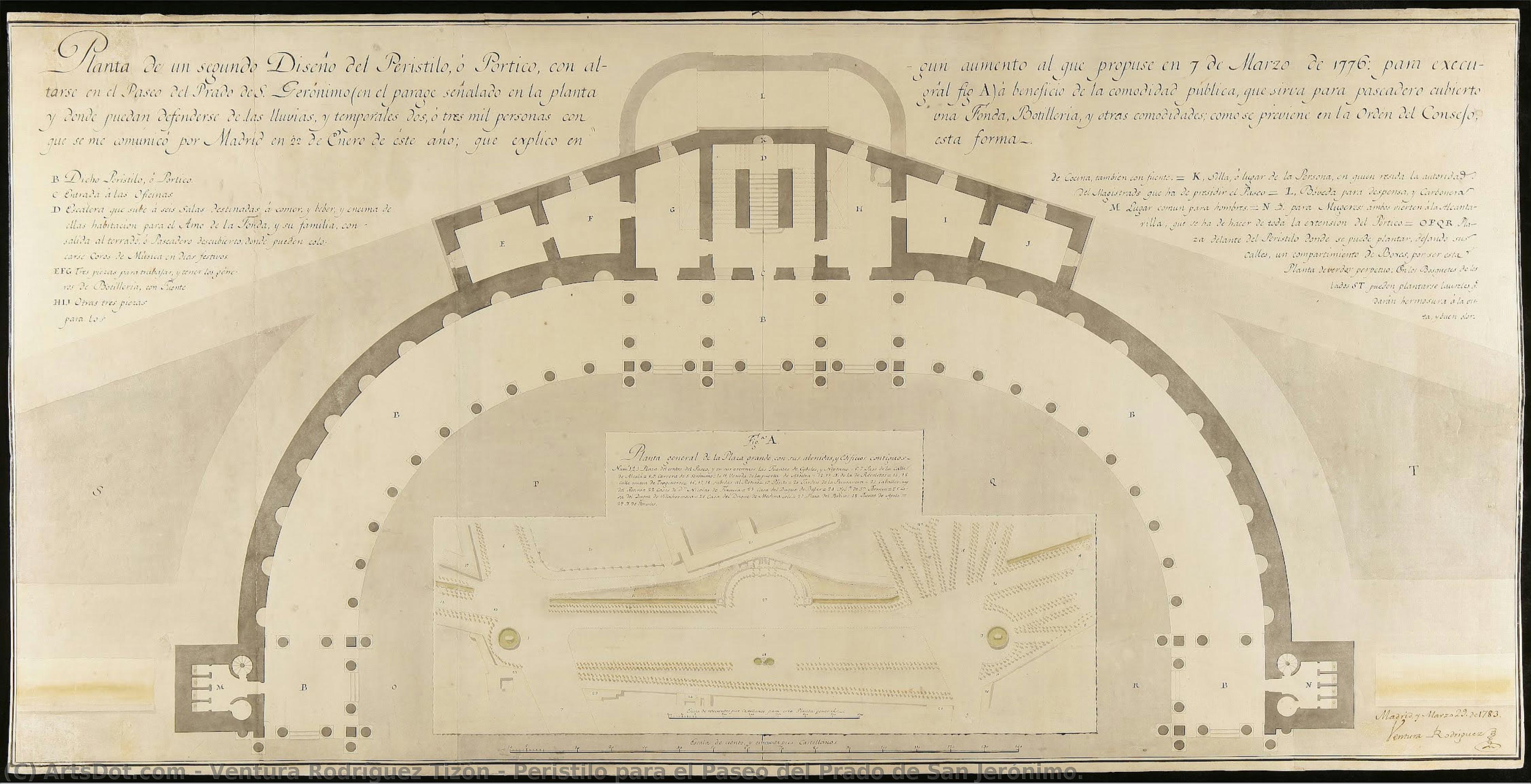
Peristilo para el Paseo del Prado de San Jerónimo.

 Ver más
Reproducción al óleo hecha a mano
Óleo sobre lienzo pintado a mano en el tamaño y marco de su elección, realizado por encargo por nuestros artistas. ( Comprar impresión Comprar imagen)




































Elija entre nuestros tamaños predefinidos que respetan las proporciones originales de la obra.

Puede ingresar sus propias dimensiones para adaptarse a un marco o espacio específico. Si el tamaño seleccionado no coincide con las proporciones de la imagen original, recortaremos la obra o extenderemos la pintura con elementos adicionales pintados a mano. Se le enviará una maqueta digital para su aprobación antes de comenzar la producción.
Tenga en cuenta que la vista previa en pantalla no refleja el recorte o la extensión reales. Solo la maqueta mostrará con precisión la composición final.
Si bien existen tamaños personalizados, recomendamos seleccionar una dimensión de la lista predefinida para preservar las proporciones originales.
Tras realizar el pedido, el equipo de ArtsDot.com enviará un correo electrónico al cliente para solicitar instrucciones y proporcionarle una vista previa del boceto.
Envío a todo el mundo () en 3-4 semanas en lugar de las 5 semanas estándar. (29 agosto). Sin comprometer la calidad.

Envío exprés gratuito a todo el mundo

Lienzo de lino de alta calidad

Seguro de envío total

Garantía de reembolso de impuestos aduaneros

Garantía de fidelidad cromática exacta

Política de devolución de 60 días (solo por defectos)

Garantía de devolución del 100% del dinero

Descuento por cantidad
 La opción de vidrio solo está disponible en tamaños inferiores a 110 cm.

Peristilo para el Paseo del Prado de San Jerónimo.
Técnica de reproducción
Dimensiones de la reproducción
-


Precio total final
$ 263
Obras relacionadas








Biografía del artista
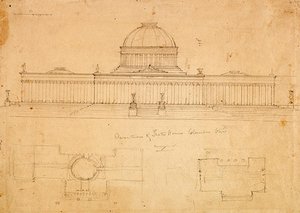
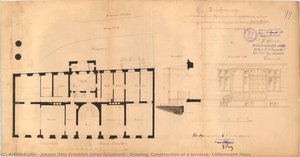
Ventura Rodríguez (1717–1785): Bridging Baroque and Neoclassical Elegance
Ventura Rodríguez Tizon (1717-1785) stands as a pivotal figure in Spanish architectural history, representing the delicate transition between the opulent grandeur of Baroque aesthetics and the restrained refinement of Neoclassical ideals. Born at Ciempozuelos, Spain—the son of a bricklayer—his early life instilled within him an appreciation for craftsmanship and structural integrity that would profoundly shape his artistic vision. While biographical details remain somewhat sparse compared to contemporaries like Goya or Zurbarán, Rodríguez’s legacy rests firmly on two monumental achievements: the Peristilo del Prado and significant contributions to the Royal Palace of Madrid—works that embody the stylistic convergence emblematic of the era.Early Life & Training
Rodríguez's formative years were spent honing his skills under his father’s tutelage, absorbing foundational knowledge of masonry and architectural design. This practical grounding complemented theoretical studies at the Royal Academy of San Fernando, where he cultivated a mastery of classical proportions and ornamentation. His father, Antonio Rodríguez Pantoja, was a respected mason and craftsman, shaping Ventura's understanding of building techniques from a young age—a connection that would later inform his own architectural endeavors. The Academy’s curriculum instilled in him the principles of humanist scholarship and encouraged an engagement with the artistic heritage of antiquity, establishing a crucial intellectual framework for his subsequent work.The Peristilo del Prado
Arguably Rodríguez's most celebrated project, the peristilo—a colonnaded courtyard—for the Prado Museum represents a masterful synthesis of Baroque dynamism and Neoclassical serenity. Its soaring columns, adorned with intricate carvings depicting mythological figures and embellished with sculptures by Francesco Borromini and Giovanni Battista Piranesi, exemplify the desire to create spaces that inspire contemplation while upholding the principles of harmonious balance. The peristilo’s design deliberately countered the prevailing trend toward monumental severity, favoring instead a subtle interplay of light and shadow—a characteristic feature of Baroque art—to evoke an atmosphere of grandeur and spiritual elevation. This ambitious undertaking cemented Rodríguez's reputation as one of Spain’s foremost architects and secured his place in architectural history.Royal Palace Madrid
Rodríguez’s involvement in the reconstruction of the Royal Palace solidified his position as a leading architect, tasked with overseeing the design and construction of several wings and halls—a project that would consume much of his creative energy over two decades. Prioritizing symmetry and grandeur—characteristics emblematic of Neoclassical style—yet incorporating Baroque decorative elements to imbue the palace with warmth and richness—he skillfully blended these contrasting influences. The result is a magnificent edifice that reflects both the intellectual rigor of the Enlightenment and the expressive power of Baroque ornamentation, demonstrating Rodríguez’s ability to synthesize disparate artistic traditions into a cohesive whole.Stylistic Influences & Legacy
Rodríguez’s artistic sensibilities were undeniably shaped by the prevailing stylistic currents of his time. The Baroque legacy of Bernini and Guarino Guarini instilled within him a fascination for theatrical grandeur and expressive ornamentation, while the rediscovery of classical ideals—fueled by humanist scholarship—provided him with a framework for achieving architectural elegance and intellectual depth. His work continues to inspire admiration for its harmonious blend of form and function, serving as enduring reminders of Spain’s cultural heritage and demonstrating the transformative potential of artistic innovation. Ventura Rodríguez's contribution to Spanish architecture transcends mere stylistic imitation; he embodies the spirit of an epoch grappling with artistic transformation—a testament to his genius and a cornerstone of architectural history.Notable Achievements
Ventura Rodríguez achieved considerable renown during his lifetime, securing prestigious commissions from royal patrons and earning acclaim for his innovative designs. Among his most notable accomplishments were: The Peristilo del Prado; the reconstruction of the Royal Palace Madrid; the chapel of San Marcos Monastery; and the façade of the Cathedral of Zaragoza—each project reflecting his mastery of architectural technique and his unwavering commitment to artistic excellence. His enduring legacy resides not only in the buildings he created but also in the influence he exerted on subsequent generations of architects, shaping the trajectory of Spanish architectural art for decades to come.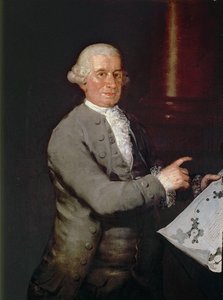
Ventura Rodríguez
1717 - 1785 , España
Datos clave
- Artistic Movement Or Style: Barroco & Neoclasicismo
- Artists Or Movements Influenced By This Artist: ['Gian Lorenzo Bernini']
- Artists Who Influenced This Artist:
- Bernini
- Guarino Guarini
- Date Of Birth: 1717-07-14
- Date Of Death: 1785-08-26
- Full Name: Ventura Rodríguez Tizon
- Nationality: Español
- Notable Artworks: ['Peristilo del Prado']
- Place Of Birth: Ciempozuelos, España

